Issue · Labor & Employment

Labor & Employment

Every labor & employment bill, vote, and legislator stance in Arizona, automatically classified by Maddy, our AI policy reader.

Total bills
136
57th Legislature - Second Regular Session
Top supporter
Mae Peshlakai
100% support rate
Top opponent
Michael Way
5% support rate
Ranked legislators
10
5 support · 5 oppose
Key legislators

Who's moving labor & employment in Arizona

Legislators moving labor & employment in Arizona
Legislator Party Stance Support rate Votes
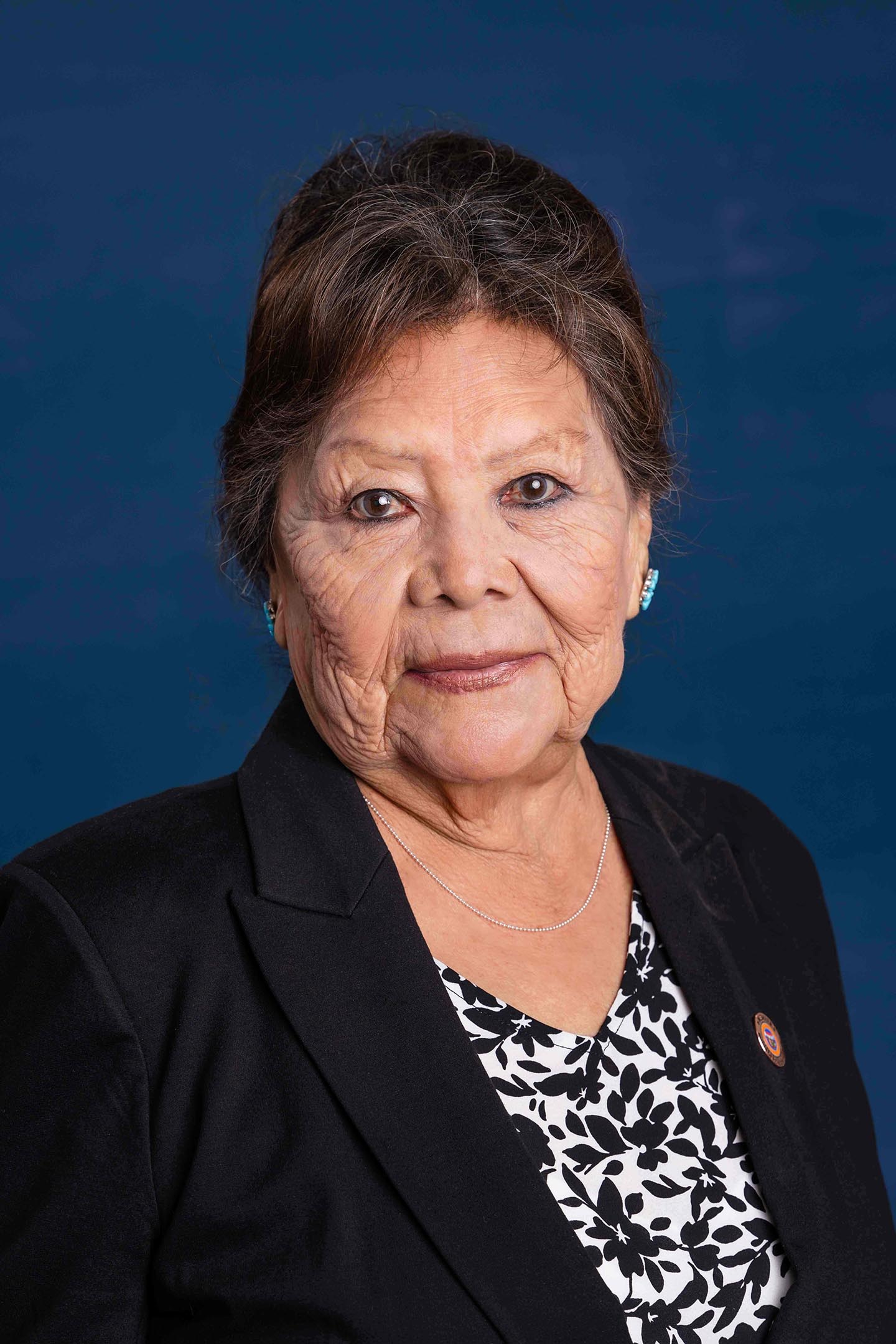
Mae Peshlakai
Mae Peshlakai House · District 6
D
Strong +
100% 121
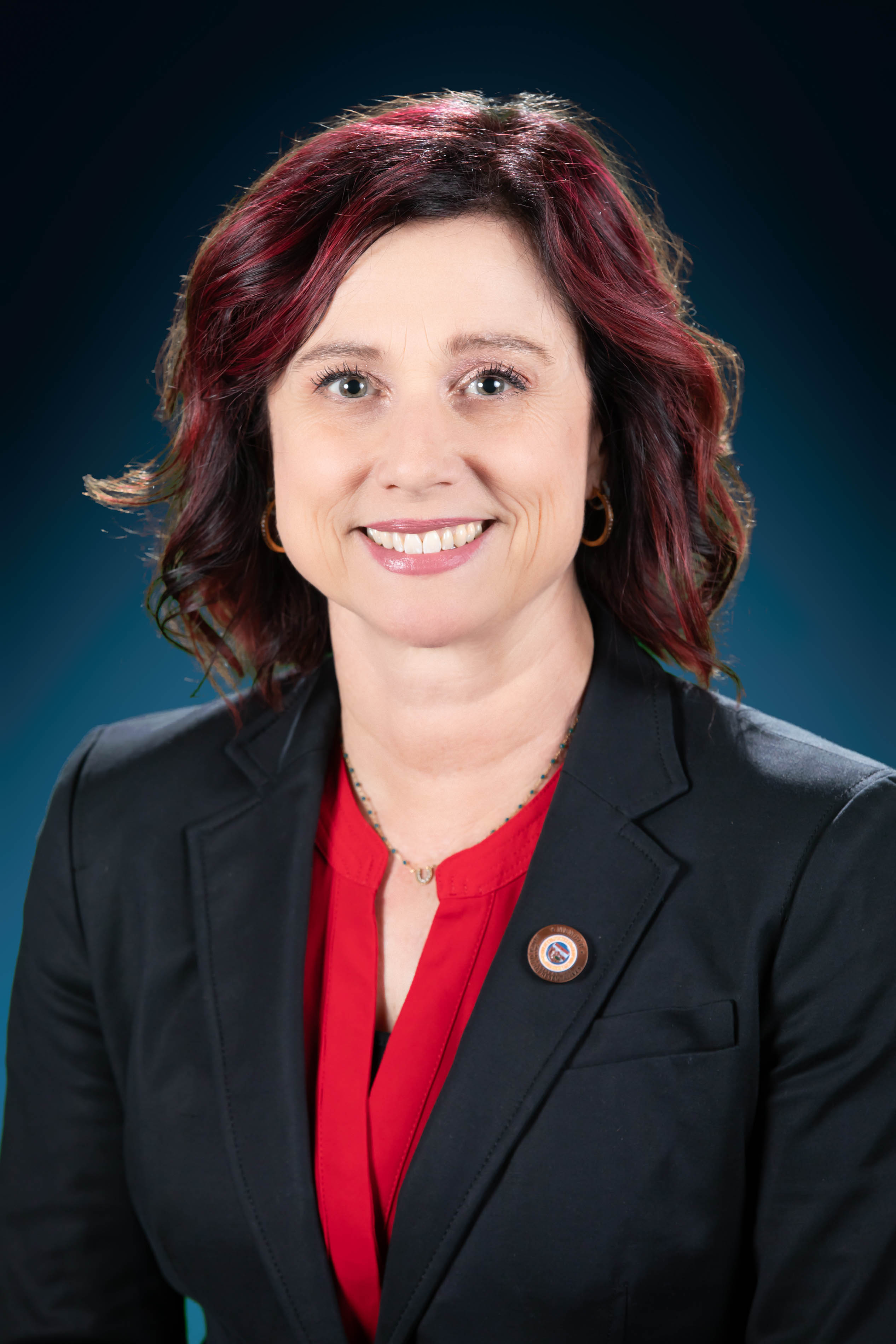
Janeen Connolly
Janeen Connolly House · District 8
D
Strong +
100% 135
Nancy Gutierrez
Nancy Gutierrez House · District 18
D
Strong +
100% 123
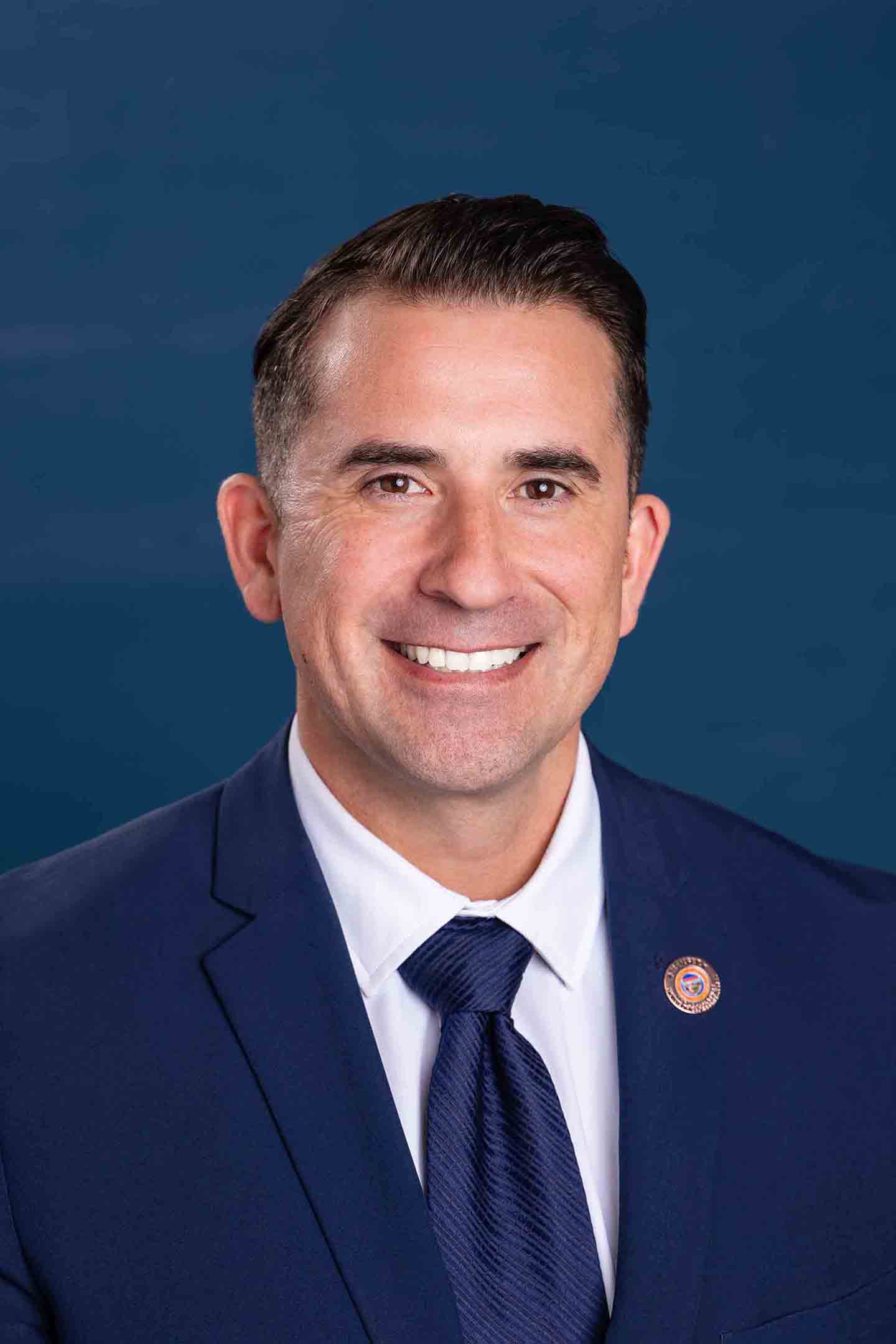
Aaron Marquez
Aaron Marquez House · District 5
D
Strong +
96% 170
Sarah Liguori
Sarah Liguori House · District 5
D
Strong +
96% 173
Michael Way
Michael Way House · District 15
R
Strong −
5% 161
Justin Olson
Justin Olson House · District 10
R
Strong −
9% 173
Alex Kolodin
Alex Kolodin House · District 3
R
Strong −
9% 170
Laurin Hendrix
Laurin Hendrix House · District 14
R
Strong −
12% 123
Rachel Keshel
Rachel Keshel House · District 17
R
Strong −
13% 169
Showing 71–80 of 136 bills

All labor & employment bills

introduced · Arizona · House Jan 26, 2026

HB 2656: election worker harassment task force

HB 2656 establishes an election worker harassment task force within Arizona's secretary of state's office to address harassment faced by election workers. The task force, composed of members including two assistant attorneys general, two law enforcement representatives, two election workers (from different parties), and four election officers, is responsible for investigating harassment complaints, coordinating prosecutions, and submitting annual reports starting January 1, 2028. The secretary of state provides administrative support and posts the annual reports online. This bill directly affects election workers and officers across Arizona’s cities, counties, and school districts who administer elections.
introduced · Arizona · Senate Jan 27, 2026

SB 1377: working conditions; heat illness; prevention.

SB 1377 requires employers in high-risk industries - including agriculture, construction, landscaping, oil/gas extraction, and delivery work - to implement heat illness prevention measures. It mandates employers provide drinkable water with ice (1 cup every 15-20 minutes at 80°F+, more at 95°F+), access to shade or climate-controlled areas within 400 feet, and paid rest periods (15-45 minutes per hour) when temperatures reach 80°F or higher. Employers must also establish high-heat monitoring (e.g., supervisor checks, buddy systems), emergency response protocols, and require preshift meetings for agricultural workers. The law directly affects workers and employers in the specified industries across Arizona.
Sub-Topics Labor Standards
passed both · Arizona · House Jun 12, 2026

HCR 2044: preferential treatment; discrimination; prohibited acts

This proposed constitutional amendment (HCR 2044) would prohibit Arizona state and local governments from granting preferential treatment or discrimination based on race, sex, color, ethnicity, or national origin in public employment, education, or contracting. It specifically bans requiring individuals to endorse race-based policies, spending public funds on offices promoting such policies, or implementing disciplinary actions based on race/ethnicity. The amendment directly affects public schools, universities, government agencies, and contractors operating under state authority. If approved by voters, it would become part of Arizona's Constitution, replacing existing antidiscrimination laws in these specific areas.
passed · Arizona · House Jun 12, 2026

HCR 2007: reporting; teacher salary increases; schools

This bill (HCR 2007) is a voter-approved measure requiring charter schools to publicly report average teacher salaries and salary increases on their websites. It establishes a "teacher pay fund" funded by state land trust distributions to mandate across-the-board salary increases for eligible teachers in all public schools, based on voter-approved funding levels. Schools must use these dedicated funds to raise base salaries uniformly for eligible teachers without reducing current salaries below 2026-2027 levels, while maintaining separate reporting to the Department of Education. The bill does not change current teacher pay but requires transparency and allocates specific state funds to support future salary increases. (Note: This is a referendum measure requiring voter approval to become law.)
introduced · Arizona · House Jan 21, 2026

HB 2464: repeal; right to work; liability

Arizona's HB 2464 repeals the specific "RIGHT TO WORK" article heading in the state's labor code (Section 23-1302) and reclassifies it under "GENERAL PROVISIONS." The bill maintains existing liability protections for employees who face retaliation for refusing union membership (Section 23-1306) and preserves the right to non-union membership as protected employment policy under Section 23-1501(vi). It does not change the substance of Arizona's right-to-work law but alters its legal classification within the statutes. The bill's implementation depends on a future voter-approved constitutional amendment.
introduced · Arizona · House Jan 21, 2026

HB 2466: employment; labor standards; meal breaks

Arizona's HB 2466 requires most Arizona employers to provide employees with specific break and pay protections. It mandates a 30-minute unpaid meal break after 5 hours of work (and an additional break after 12 hours), a paid 10-minute rest break every 4 hours, and extra pay rates: 1.5 times the regular wage for hours worked beyond 8 but not exceeding 12 in a day or for the first 8 hours on the seventh consecutive workday, and double the regular wage for hours beyond 12 in a day or beyond 8 hours on the seventh consecutive workday. The law applies to employers with annual sales of $100,000 or more or those engaged in interstate commerce, aligning with federal labor standards. This directly affects hourly workers and employers across Arizona who fall under these thresholds.
Sub-Topics Labor Standards
introduced · Arizona · Senate Feb 3, 2026

SB 1371: commerce authority; qualified facility; definition

SB 1371 creates a new income tax credit program in Arizona for businesses expanding or locating "qualified facilities" (like manufacturing plants) within the state. To qualify, businesses must make new capital investments, create jobs paying at least 125% of the median wage (100% in rural areas), and provide health insurance covering 65% of premiums. The credit equals 10% of qualifying investments, paid as $200,000-$300,000 per new job over five years, with annual limits of $125 million total and $30 million per business. This directly affects qualifying businesses seeking tax incentives for facility investments and job creation in Arizona.
introduced · Arizona · House Jan 26, 2026

HB 2799: excavation; contractor's license; safety

HB 2799 amends Arizona's contractor licensing law to enhance safety for workers in excavation projects. It requires contractors whose work includes excavation to ensure the "competent person" (the individual responsible for identifying hazards and taking corrective action) and all employees entering trenches complete and renew trench safety training every two years. The bill also mandates that new license applicants successfully complete a state-approved trench safety training course as part of the licensing process. These changes apply directly to all contractors seeking or renewing a license in Arizona, with the goal of reducing trench-related accidents.
Sub-Topics Workplace Safety
introduced · Arizona · House Jan 22, 2026

HB 2702: data centers; TPT distribution; solar

HB 2702 establishes Arizona's "Solar for All" program to provide funding, technical assistance, and workforce support for low-income households and disadvantaged communities to access solar energy. The program, administered by the governor's office of resiliency, allocates funds for solar installations on homes and multifamily housing in disadvantaged areas, prioritizing projects that deliver at least 20% annual electricity bill savings and include local hiring commitments. Eligible households must earn ≤80% of the area median income, and the program prohibits utilities from charging extra fees to participants. Funds come from legislative appropriations, TPT distributions, and private sources, with grantees required to report annual outcomes like savings, emissions reductions, and job creation.
Sub-Topics Solar
introduced · Arizona · House Jan 21, 2026

HB 2891: appropriation; tribal housing; workforce development

HB 2891 appropriates $15 million from Arizona's housing trust fund for tribal housing infrastructure and workforce development in fiscal year 2026-2027. It directly affects Arizona's tribal communities by funding essential housing infrastructure like water, sewer, and power systems, as well as supporting construction trade apprenticeships for tribal members. The bill enables partnerships between the Arizona Department of Housing and tribal housing authorities to implement these projects. This funding is exempt from standard appropriation lapsing rules to ensure sustained use. The bill creates concrete financial support for tribal housing development and local workforce training, with no additional requirements or restrictions described in the text.
Showing 71 to 80 of 136 bills
Previous 1 7 8 9 14 Next