Issue · Labor & Employment

Labor & Employment

Every labor & employment bill, vote, and legislator stance in Arizona, automatically classified by Maddy, our AI policy reader.

Total bills
136
57th Legislature - Second Regular Session
Top supporter
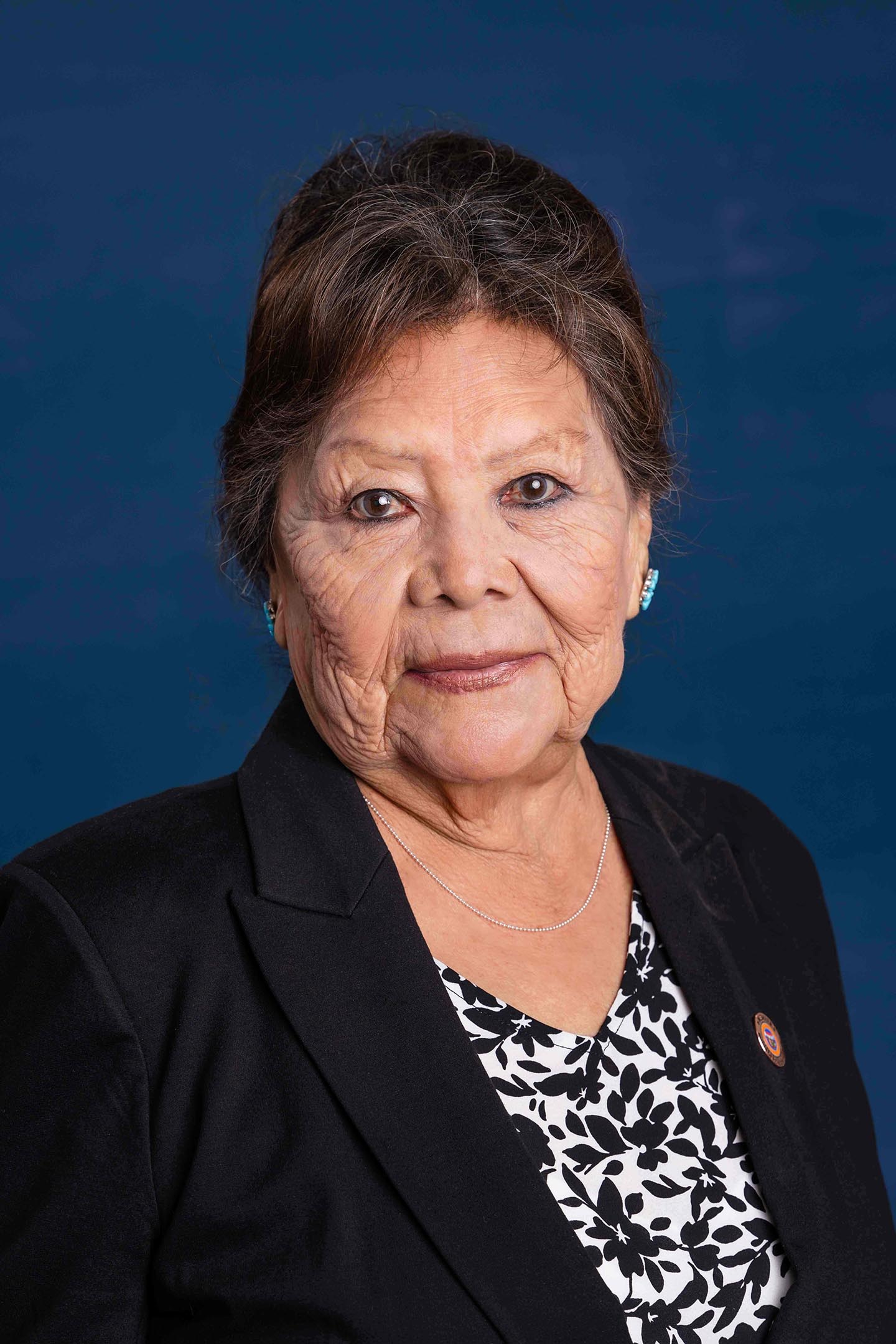
Mae Peshlakai
100% support rate
Top opponent
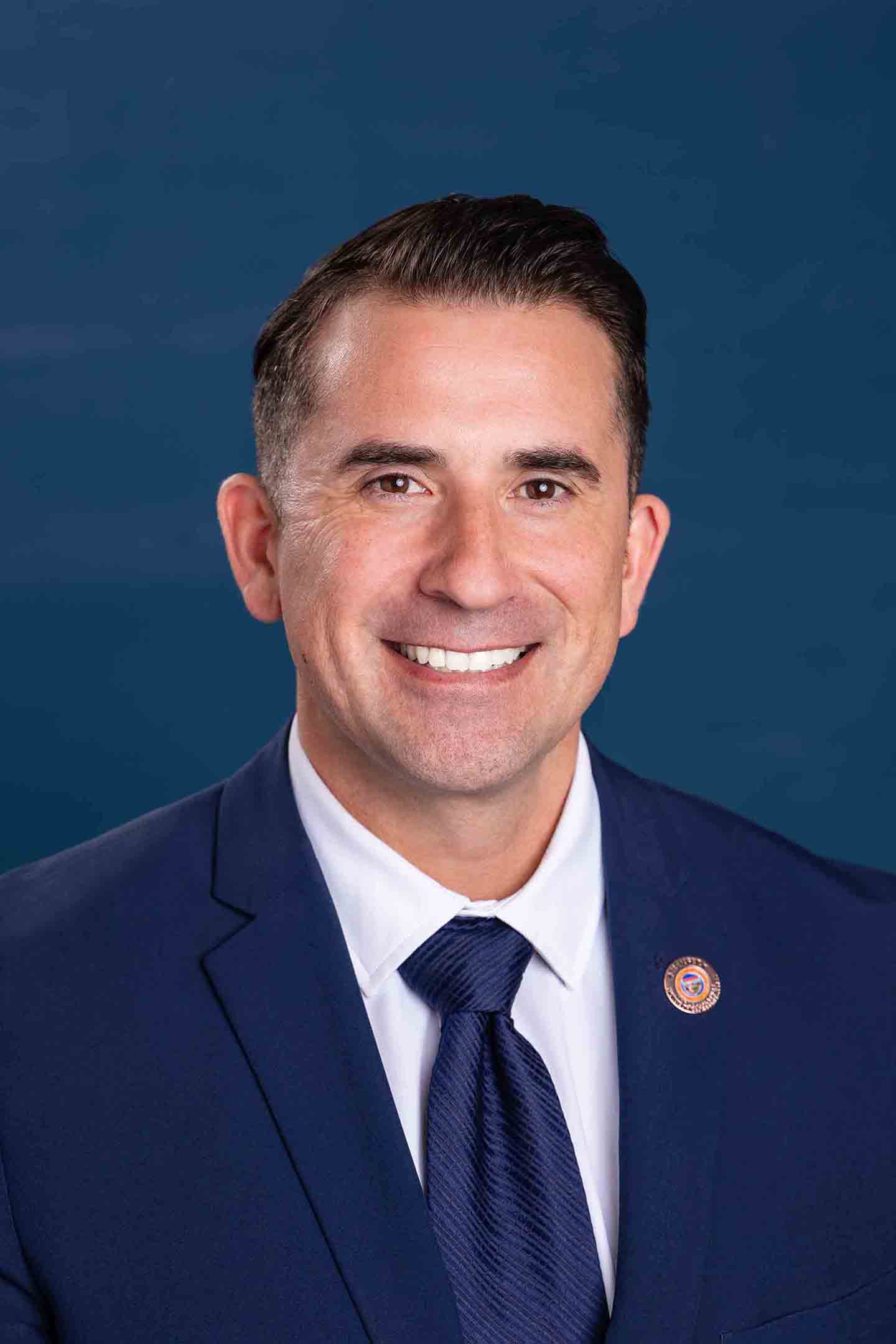
Michael Way
5% support rate
Ranked legislators
10
5 support · 5 oppose
Key legislators

Who's moving labor & employment in Arizona

Legislators moving labor & employment in Arizona
Legislator Party Stance Support rate Votes
Mae Peshlakai
Mae Peshlakai House · District 6
D
Strong +
100% 121
Janeen Connolly
Janeen Connolly House · District 8
D
Strong +
100% 135
Nancy Gutierrez
Nancy Gutierrez House · District 18
D
Strong +
100% 123
Aaron Marquez
Aaron Marquez House · District 5
D
Strong +
96% 170
Sarah Liguori
Sarah Liguori House · District 5
D
Strong +
96% 173
Michael Way
Michael Way House · District 15
R
Strong −
5% 161
Justin Olson
Justin Olson House · District 10
R
Strong −
9% 173
Alex Kolodin
Alex Kolodin House · District 3
R
Strong −
9% 170
Laurin Hendrix
Laurin Hendrix House · District 14
R
Strong −
12% 123
Rachel Keshel
Rachel Keshel House · District 17
R
Strong −
13% 169
Showing 61–70 of 136 bills

All labor & employment bills

introduced · Arizona · Senate Feb 3, 2026

SB 1528: contracts; public works; employees; apprenticeships..

SB 1528 prohibits Arizona state agencies and local governments from requiring contractors on public works projects to pay prevailing wages or include specific labor agreements. The bill bans conditions such as mandatory project labor agreements, neutrality agreements with unions, or participation in federally registered apprenticeship programs as requirements for bidding on or performing public construction work. It directly affects contractors and subcontractors working on public building projects funded by the state or local governments. The law explicitly states it does not interfere with private collective bargaining or federal labor protections, defining key terms like "project labor agreement" and "public works contract" for clarity.
introduced · Arizona · House Feb 10, 2026

HB 2937: nuclear power plant; employees; requirements

HB 2937 requires nuclear power plant contractors and subcontractors in Arizona to use a skilled workforce, mandating that skilled journeymen (experienced workers who completed approved training programs) make up 30% of the workforce by 2027, 45% by 2028, and 60% by 2029. It also requires contractors to pay skilled journeymen at least the prevailing wage for their occupation, which must meet or exceed the minimum wage. The Arizona Industrial Commission will create rules to verify worker qualifications and handle workplace violations. This bill directly affects contractors performing maintenance, repair, or installation work at licensed nuclear power plants in Arizona.
introduced · Arizona · House Jun 13, 2026

HCR 2008: education funding; teacher compensation program

HCR 2008 is a proposed constitutional amendment seeking voter approval to protect Arizona’s K-12 education funding levels until 2035-2036 and establish a statewide teacher compensation program. If approved, it would require any annual revenue increase from the state’s permanent fund above 2.5% to fund teacher pay raises, mandating that funds supplement existing pay (not replace it) and be distributed equally to eligible full-time classroom teachers meeting performance standards. The program must distinguish between high-performing and underperforming teachers, require schools to update salary schedules, and include reporting and auditing rules. This proposal does not become law until voters approve it at the next general election.
passed · Arizona · House Mar 3, 2026

HB 2135: liability; diversity; equity; inclusion laws

HB 2135 creates civil liability for organizations that implement diversity, equity, and inclusion (DEI) policies as defined in the bill. It allows individuals to sue "covered entities" (like corporations, schools, or government agencies) for at least $100,000 in damages if they believe such policies violate specific prohibited concepts - such as claiming one race is inherently superior, that the U.S. is fundamentally racist, or that meritocracy is racist. The bill specifies that lawsuits must be filed within three years of the alleged violation and includes provisions for injunctive relief, declaratory judgments, and attorney fees. This legislation directly affects organizations operating in Arizona that adopt DEI programs meeting the bill’s narrow definition.
introduced · Arizona · Senate Feb 4, 2026

SB 1592: noncertificated school employees; due process

SB 1592 requires Arizona school districts to create personnel policies providing noncertificated school employees (like cafeteria workers, bus drivers, and administrative staff) with due process protections similar to those for certificated teachers (licensed educators). Specifically, school boards must establish fair procedures - such as written notices, opportunity to respond, and impartial reviews - before terminating these noncertificated staff members. This applies to all school districts and directly affects noncertificated employees by ensuring they receive comparable job protection as teachers. The bill does not change existing due process rules for certificated teachers but mandates equivalent safeguards for noncertificated roles.
Sub-Topics Teachers
introduced · Arizona · House Jan 21, 2026

HB 2295: minimum wage increase

HB 2295 raises Arizona's minimum wage to $18 per hour by January 1, 2027, with scheduled increases from $10 in 2017 up to $12 in 2020. After 2020, the wage will automatically adjust annually based on the Consumer Price Index (measuring cost-of-living changes) to maintain its value. The bill also allows employers to pay tipped workers a base wage up to $3 less per hour, provided total tips plus wages meet the minimum wage requirement. This applies to most hourly workers in Arizona covered by state minimum wage law, including those in restaurants and service industries. The bill requires a three-fourths legislative vote to take effect.
introduced · Arizona · House Feb 3, 2026

HB 2945: coverage; family and medical leave

HB 2945 establishes Arizona's first state-administered family and medical leave insurance program, effective January 1, 2029. It provides wage replacement benefits for eligible workers needing time off for reasons including childbirth/adoption, caring for a family member with a serious health condition, pregnancy recovery, military family needs, or safe leave due to domestic violence, sexual violence, abuse, or stalking. The program guarantees up to 26 weeks of benefits for pregnancy or inpatient health conditions and up to 24 weeks for other qualifying reasons, with employers required to provide at least 12 weeks of leave. Benefit payments must begin within two weeks of a claim and continue every two weeks, applying to both employees and self-employed individuals who meet the defined eligibility criteria.
introduced · Arizona · House Jan 21, 2026

HB 2361: employers; contracts; noncompete clause; prohibition

HB 2361 prohibits both public and private employers in Arizona from requiring noncompete clauses as a condition of employment. It directly affects all current and prospective employees by banning restrictions that prevent them from working in specific geographic areas for a set period after leaving a job. The law defines a "noncompete clause" as an employment contract term that limits an employee's future work location or duration. This applies to all new employment contracts entered into on or after the bill's effective date.
introduced · Arizona · House Jan 26, 2026

HB 2821: pregnant employees; reasonable accommodation

HB 2821, titled the "Pregnant Workers Protection Act," requires Arizona employers with 15 or more employees to provide reasonable accommodations for pregnant workers without imposing undue hardship. It mandates specific accommodations like modified equipment, more frequent breaks, schedule changes, assistance with manual labor, private breastfeeding areas, and flexibility for prenatal appointments. Employers cannot force pregnant employees to use vacation or sick leave when accommodations are possible and must post notices about the policy in employee handbooks and provide written notice to new hires, current employees, and pregnant employees within 10 days of pregnancy disclosure. The bill directly affects pregnant employees and their employers in qualifying businesses.
Sub-Topics Workplace Safety
introduced · Arizona · House Jan 20, 2026

HB 2204: first responders; post-traumatic stress disorder

HB 2204 amends Arizona's workers' compensation law to clarify who qualifies as an "employee" for benefits, specifically including volunteer firefighters, reserve officers, and other part-time first responders. The bill establishes clear wage calculation methods for these personnel - using full-time equivalent salaries or fixed rates like $400/month for some roles - to determine their compensation benefits. It applies to volunteer firefighters serving without full pay, sheriff's reserve members, and similar personnel who perform duties under authorized programs. The bill does not address post-traumatic stress disorder (PTSD), despite the title, as it focuses solely on expanding and standardizing existing workers' compensation coverage for these first responders.
Showing 61 to 70 of 136 bills
Previous 1 6 7 8 14 Next