Issue · Healthcare

Healthcare

Every healthcare bill, vote, and legislator stance in Arizona, automatically classified by Maddy, our AI policy reader.

Total bills
272
57th Legislature - Second Regular Session
Top supporter
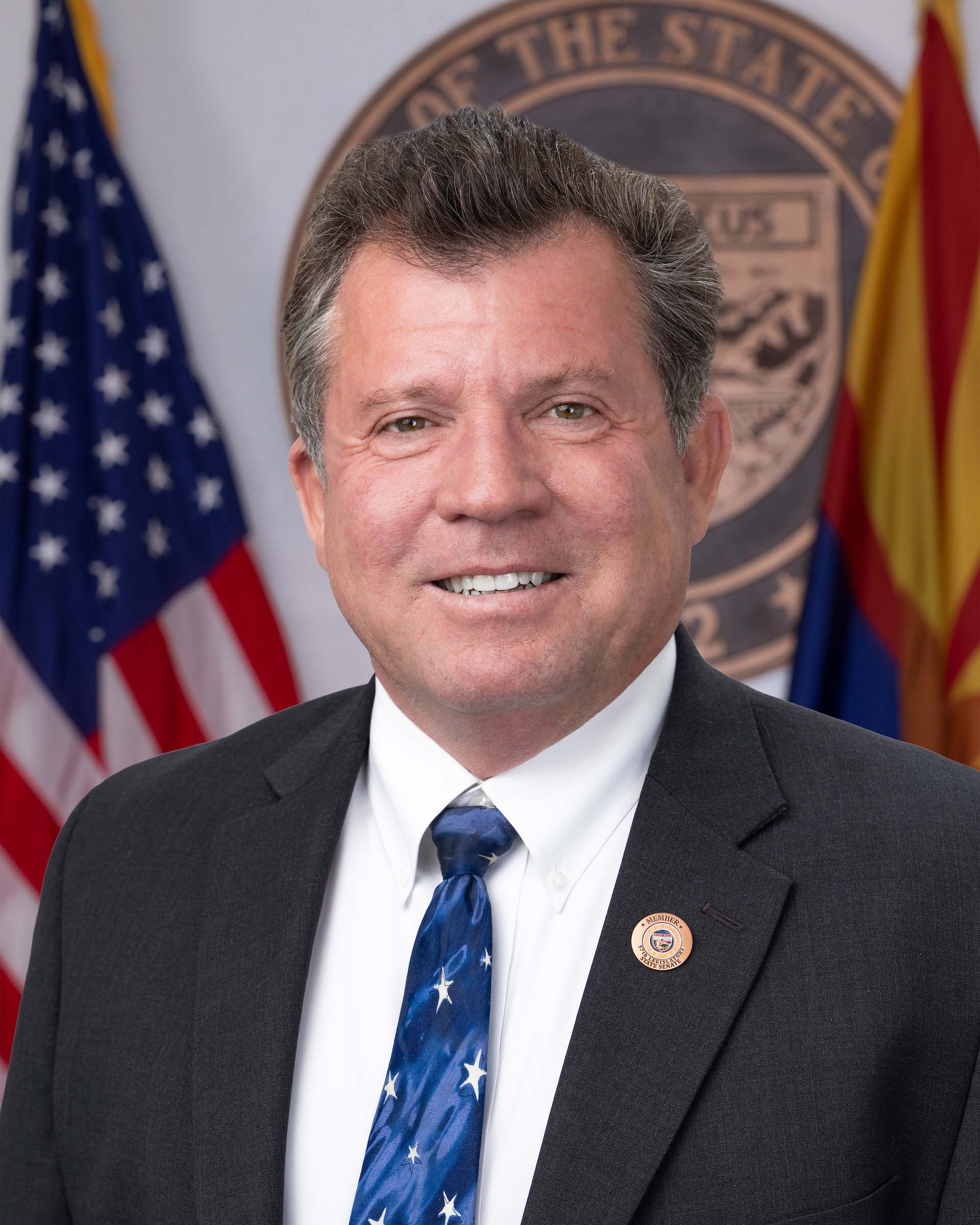
Kevin Payne
81% support rate
Top opponent
Michael Way
24% support rate
Ranked legislators
10
5 support · 5 oppose
Key legislators

Who's moving healthcare in Arizona

Legislators moving healthcare in Arizona
Legislator Party Stance Support rate Votes
Kevin Payne
Kevin Payne Senate · District 27
R
Strong +
81% 164
Hildy Angius
Hildy Angius Senate · District 30
R
Support
79% 178
T.J. Shope
T.J. Shope Senate · District 16
R
Support
79% 179
Vince Leach
Vince Leach Senate · District 17
R
Support
79% 179
Tim Dunn
Tim Dunn Senate · District 25
R
Support
79% 179
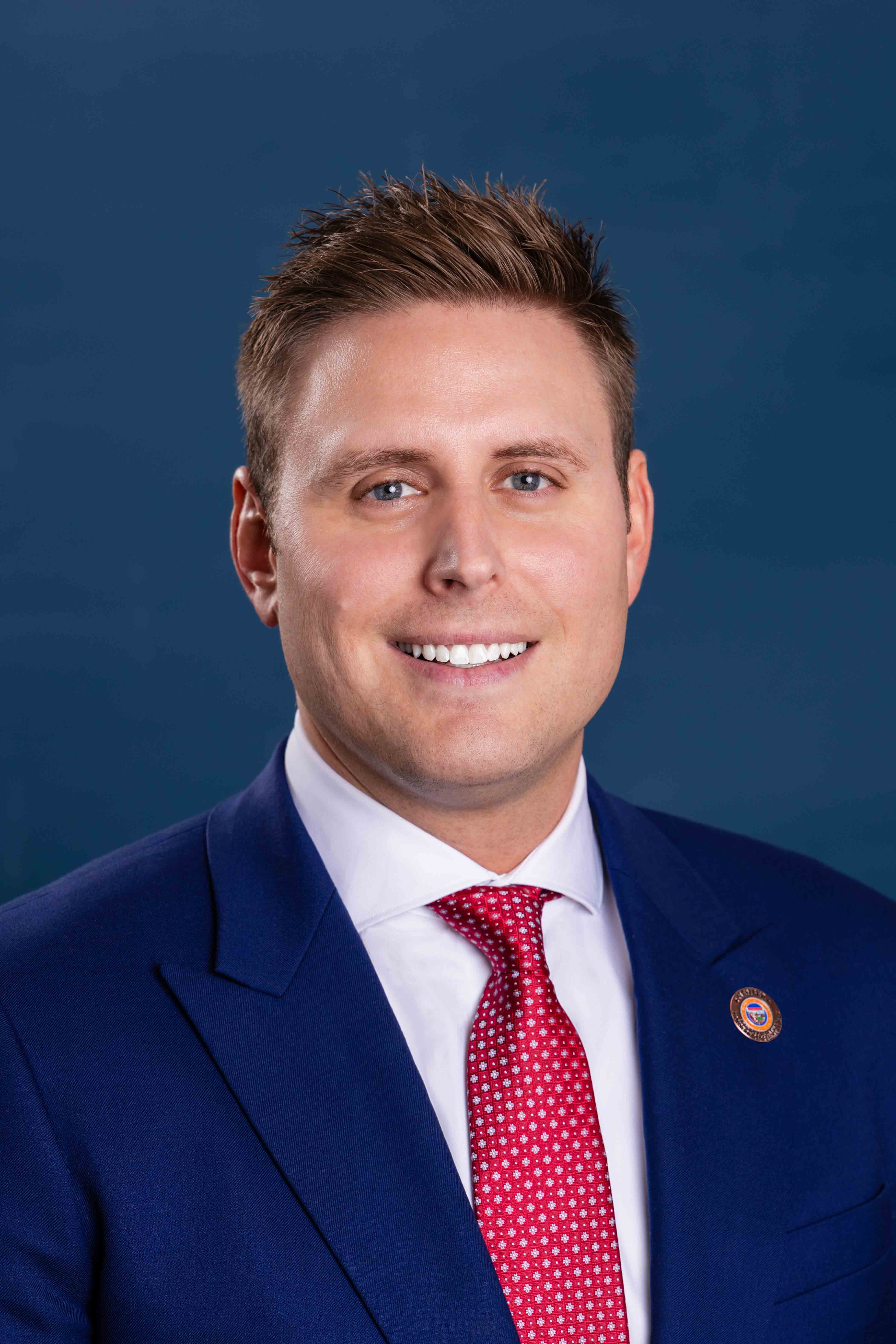
Michael Way
Michael Way House · District 15
R
Oppose
24% 223
Justin Olson
Justin Olson House · District 10
R
Oppose
27% 241
Khyl Powell
Khyl Powell House · District 14
R
Oppose
27% 241
Rachel Keshel
Rachel Keshel House · District 17
R
Oppose
28% 235
Alex Kolodin
Alex Kolodin House · District 3
R
Oppose
30% 238
Showing 1–10 of 272 bills

All healthcare bills

signed · Arizona · House Jun 13, 2026

HB 4160: health care; 2026-2027

This bill establishes rules for overdose and disease prevention programs in Arizona, allowing cities, counties, and local health departments to operate services that provide free needles, naloxone for overdose reversal, and referrals to treatment. The legislation requires these programs to offer educational materials on preventing infections and injuries while mandating that the number of needles disposed of equals the number distributed to ensure safety. Additionally, the bill creates a new fund to support rural health initiatives, requiring the state to hold public meetings in major metropolitan areas to gather community input before spending the allocated money. Finally, it explicitly prohibits the use of opioid settlement funds to finance safer smoking equipment, clarifying that such funds cannot be used for tools designed to reduce health risks associated with inhaling drugs.
in committee · Arizona · Senate Jun 11, 2026

SB 1853: health care; 2026-2027.

This bill updates Arizona laws to regulate overdose and disease prevention programs and establishes a new fund for rural health improvements. It allows cities and organizations to run programs that provide free needles, naloxone kits, and educational materials to reduce disease spread and encourage drug treatment enrollment. The legislation also prohibits the use of opioid settlement funds to finance safer smoking equipment for drug users. Additionally, it creates the Arizona Rural Health Transformation Fund, which requires the state to hold public meetings in northern, central, and southern regions before spending money received from federal rural health grants.
vetoed · Arizona · House May 5, 2026

HB 4142: 2026-2027; commerce.

This bill amends Arizona state law to establish a specific order for how money from the state lottery fund is spent each year. It requires that funds first cover lottery operating costs and bond debt payments, followed by fixed annual allocations to various programs such as the Arizona Game and Fish Commission, child safety, health education, and disease control. The legislation also mandates that a minimum amount be deposited into the state general fund before other specific grants, like those for homeless shelters or university capital improvements, can be distributed. Ultimately, any remaining lottery money after these required payments and allocations must be sent to the state general fund.
Sub-Topics State Budget
in committee · Arizona · Senate May 4, 2026

SB 1831: 2026-2027; general appropriations act

This bill, titled the 2026-2027 General Appropriations Act, allocates state funding to various Arizona government agencies for the upcoming fiscal year. It directly affects state departments such as Administration, Accountancy, and Acupuncture by providing specific lump-sum appropriations and funding from designated sources to cover operations, personnel, and specialized projects. Key provisions include distributing money to smaller counties for retirement plan contributions and essential services, requiring departments to submit financial reports to the legislature, and setting spending limits that trigger additional reporting requirements. The legislation establishes clear rules for how funds from specific sources, like the automation operations fund, must be used and monitored.
introduced · Arizona · House Jan 21, 2026

HB 2483: behavioral health board; accreditation requirements

This bill updates the Arizona Revised Statutes to clarify definitions for the Board of Behavioral Health Examiners, specifically establishing accreditation requirements for degrees conferred by recognized agencies. It directly affects licensed behavioral health professionals, including marriage and family therapists, professional counselors, social workers, and addiction counselors, by standardizing what constitutes accredited education and practice standards. The legislation formally defines key terms such as direct client contact, indirect client service, and unprofessional conduct to provide clearer guidance for licensing and disciplinary actions. These changes aim to improve consistency in how the board evaluates professional qualifications and handles potential violations without altering existing regulatory authority.
signed · Arizona · Senate Jun 22, 2026

SB 1713: AHCCCS; procurement; contracting

SB 1713 establishes a new performance-based procurement system called the "Arizona hybrid model" for Arizona's Medicaid program (AHCCCS). It directly affects managed care organizations (MCOs) contracted to provide services under AHCCCS by replacing traditional requests for proposals with a standardized evaluation system. The bill requires all MCOs to be assessed over a four-year performance period using publicly available, measurable metrics covering care access, claims processing, and member experience, with decisions on contract continuation based solely on this scoring. It also mandates a single statewide master contract for all MCOs serving AHCCCS programs, eliminating duplicate contracts and reducing administrative burden.
Sub-Topics Medicaid
introduced · Arizona · Senate Feb 9, 2026

SB 1704: ESAs; children with disabilities; requirements

SB 1704 expands Arizona's Empowerment Scholarship Account (ESA) program to specifically allow funds to cover education-related expenses for children with disabilities meeting certain criteria. It directly affects qualifying students with disabilities by permitting ESA funds to pay for services like licensed educational therapies, paraprofessionals, assistive technology, vocational training, and specialized evaluations. Key provisions include defining eligible expenses (such as therapy costs, assistive devices, and vocational education) and requiring annual education plans for students nearing age 22 to continue receiving funds. The bill does not change general ESA rules but adds targeted support for disability-related educational needs.
passed · Arizona · House Mar 25, 2026

HCR 2056: medical mandates; right to refuse

This Arizona constitutional amendment (HCR 2056) would recognize and protect an individual's fundamental right to refuse any medical treatment, product, or mandate - including those tied to employment, education, or public access - without government coercion. It prohibits government entities from forcing medical interventions (like vaccinations or implants) as a condition for benefits, rights, or services, but includes key exceptions: court-ordered treatment for mental health risks, law enforcement custody, parental decisions for minors, emergency life-saving care, and federal or existing state requirements. The bill defines "coerce or compel" as imposing penalties or denying benefits for noncompliance. If approved by voters, it would amend Arizona's constitution, making this right enforceable.
Sub-Topics Mental Health
introduced · Arizona · Senate Feb 9, 2026

SB 1716: clozapine; access; monitoring modifications

This Arizona bill requires health insurers to cover clozapine medication for patients with psychiatric disorders without denying, discontinuing, or rationing it. Insurers must also provide access to alternative blood monitoring methods - like mobile services or in-home testing - upon patient request, without denying coverage based on cost or location. Patients can legally waive or modify routine blood tests after receiving risk counseling and written consent, and providers cannot withhold clozapine for this reason unless an immediate medical risk exists. The bill applies to both private health insurance and county jails/state prisons, ensuring consistent access for inmates prescribed clozapine.
introduced · Arizona · House Feb 12, 2026

HB 4099: child care; state lottery fund

HB 4099 redirects annual surpluses from Arizona's state lottery fund to specific state programs. It allocates $5 million yearly to the Department of Child Safety's Healthy Families Program (supporting child care and family services), $1 million to the federal Women, Infants, and Children (WIC) food program, and other fixed amounts for health education, teen pregnancy prevention, disease research, and homeless shelter grants. All funding amounts adjust annually based on GDP changes and are exempt from standard budget lapsing rules. The bill does not create new programs but modifies how existing lottery funds are distributed.
Sub-Topics Homelessness
Showing 1 to 10 of 272 bills
1 2 3 28 Next