Issue · Healthcare

Healthcare

Every healthcare bill, vote, and legislator stance in Arizona, automatically classified by Maddy, our AI policy reader.

Total bills
536
119th Congress
Top supporter
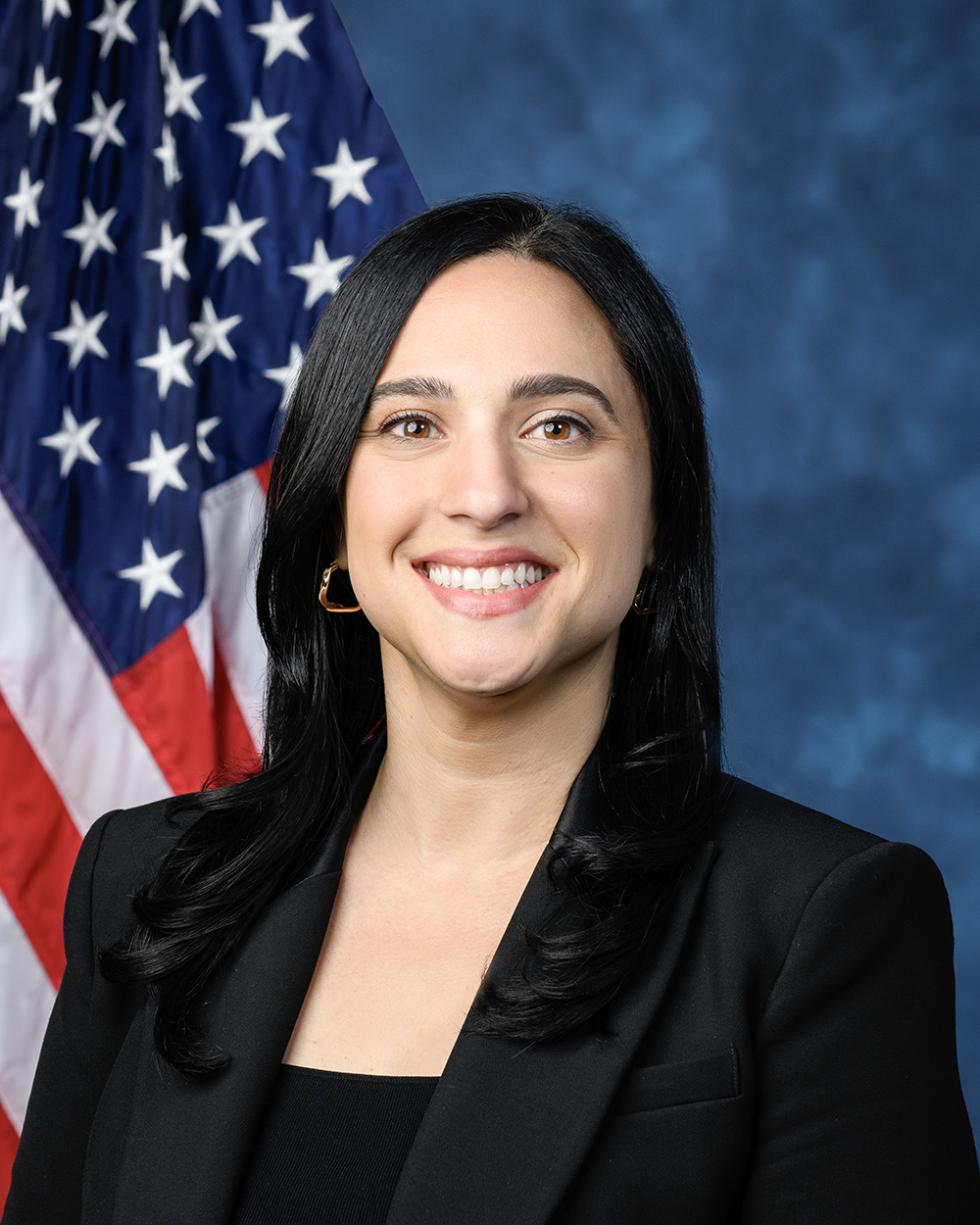
Yassamin Ansari
67% support rate
Top opponent
David Schweikert
33% support rate
Ranked legislators
10
5 support · 5 oppose
Key legislators

Who's moving healthcare in Arizona

Legislators moving healthcare in Arizona
Legislator Party Stance Support rate Votes
Yassamin Ansari
Yassamin Ansari House · District 3
D
Support
67% 210
Mark Kelly
Mark Kelly Senate
D
Support
62% 216
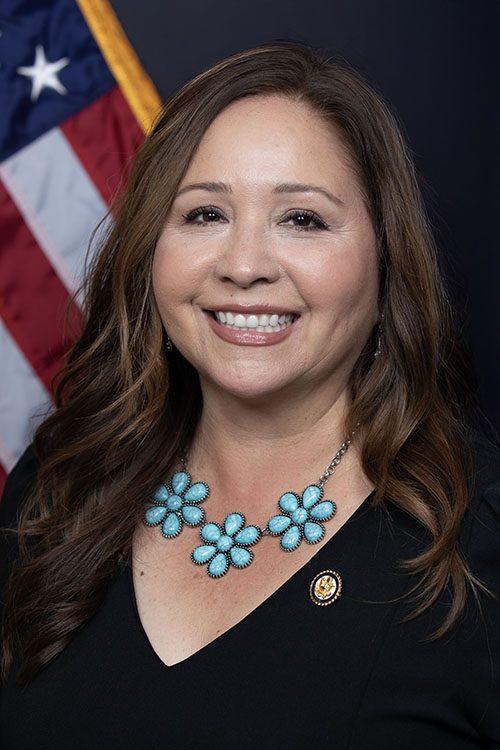
Adelita S. Grijalva
Adelita S. Grijalva House · District 7
D
Support
60% 132
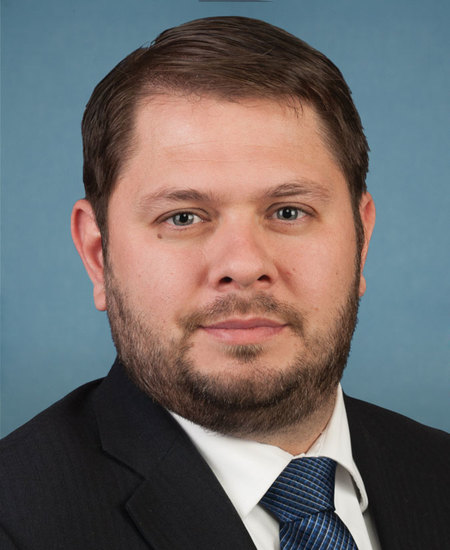
Ruben Gallego
Ruben Gallego Senate
D
Mixed
59% 204
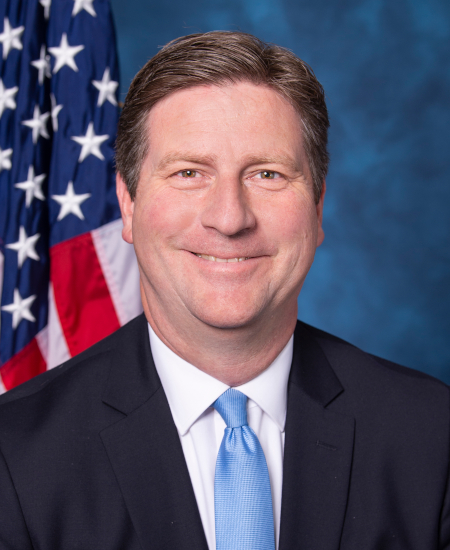
Greg Stanton
Greg Stanton House · District 4
D
Mixed
56% 207
David Schweikert
David Schweikert House · District 1
R
Oppose
33% 206
Abraham J. Hamadeh
Abraham J. Hamadeh House · District 8
R
Oppose
39% 211
Elijah Crane
Elijah Crane House · District 2
R
Oppose
39% 206
Andy Biggs
Andy Biggs House · District 5
R
Oppose
39% 186
Paul A. Gosar
Paul A. Gosar House · District 9
R
Mixed −
41% 191
Showing 1–10 of 536 bills

All healthcare bills

in committee · United States · House Aug 17, 2026

HR 10115: Radiation Exposure Compensation Reauthorization Act of 2026

This bill reauthorizes and expands the Radiation Exposure Compensation Act, extending the program's funding through 2043 and allowing new claims to be filed until 2042. It increases compensation amounts for downwinders and Manhattan Project waste claimants from $100,000 or $50,000 to $150,000, respectively, and introduces a provision for reimbursing documented out-of-pocket medical expenses not covered by insurance. The legislation broadens eligibility by adding new geographic areas in states such as Colorado, Montana, Washington, Illinois, and Ohio, as well as the territory of Guam, while also permitting the use of third-party affidavits to verify employment history or physical presence in affected zones. Additionally, it establishes a discretionary process for the President to designate new groups of radiation-exposed individuals for compensation and mandates several health studies regarding the long-term effects of nuclear testing on specific populations.
in committee · United States · House Sep 3, 2026

HR 10252: Launching with Healthcare Act

The Launching with Healthcare Act extends the period during which young adults must be covered under their parents' health insurance plans from age 26 to age 31. This change directly affects individuals up to age 31 and the employers or insurers providing these family coverage plans. The bill amends the Public Health Service Act to implement this new age limit, with the provision taking effect for plan years that begin after December 31, 2026.
in committee · United States · Senate Aug 6, 2026

S 5283: Momnibus Act

The Momnibus Act is a comprehensive legislative package designed to address maternal health disparities by expanding access to care, improving data collection, and funding community-based interventions for pregnant and postpartum individuals. Key provisions include extending WIC nutrition benefits for new mothers from six months to two years, establishing a federal task force to coordinate efforts across government agencies, and creating grant programs to support social determinants of health such as housing, transportation, and mental health services. The bill also mandates respectful maternity care training for hospital staff, requires states to restrict the shackling of pregnant individuals in prison to maintain federal funding eligibility, and authorizes significant research funding through the National Institutes of Health to study maternal mortality causes and climate change impacts on pregnancy outcomes.
in committee · United States · House Aug 3, 2026

HRES 1475: Expressing support for the designation of the first week of August as "National Community Health Center Week", and encouraging all Americans to participate by visiting their local community health center and celebrating the important partnership between health centers and the communities they serve.

This resolution expresses support for designating the first week of August as National Community Health Center Week to honor the contributions of these facilities. It encourages all Americans to visit their local health centers during this time to celebrate the partnership between these organizations and the communities they serve. The bill highlights how community health centers provide affordable, comprehensive care to millions of people, particularly in rural and underserved areas, while integrating services like dental care, behavioral health, and pharmacy support. By recognizing these centers, the resolution aims to raise awareness of their role in improving public health outcomes and supporting local economies.
in committee · United States · House Aug 3, 2026

HR 10013: Compassionate Care Act

The Compassionate Care Act aims to improve how patients and their families plan for future medical decisions by promoting advance care planning, which involves discussing treatment preferences while a person is still able to participate. The bill directs the federal government to launch a public education campaign and create a dedicated website to help healthcare providers understand and integrate these planning tools into patient care. It also mandates the development of standardized quality measures for end-of-life care and requires medical schools to include specific training on palliative care and advance directives in their curricula. Additionally, the legislation makes permanent the use of telehealth for certain hospice recertifications and removes geographic restrictions on telehealth services used for advance care planning. Finally, the act authorizes several studies to evaluate barriers to a national uniform policy for advance directives and to explore the feasibility of a national registry for these documents.
Sub-Topics Telehealth
in committee · United States · House Jul 30, 2026

HR 9988: FASTER Act of 2026

The FASTER Act of 2026 expands the list of major food allergens regulated by the FDA to include barley, rye, and oats alongside wheat. This change requires food manufacturers to clearly label these gluten-containing grains, helping consumers with allergies and Celiac disease identify potential triggers. The law also mandates that the FDA update its compliance guides within a year to reflect these new allergen categories. Additionally, the bill directs the Department of Health and Human Services to produce a comprehensive report on Celiac disease, covering data on prevalence, diagnostic methods, prevention strategies, and potential treatments. These provisions apply to all foods entering the market starting one year after the law is enacted.
in committee · United States · Senate Jul 23, 2026

S 5117: Senior Chatbot Protection Act of 2026

The Senior Chatbot Protection Act of 2026 establishes safety and transparency rules for artificial intelligence chatbots used by older adults in the United States. It requires companies to clearly disclose that their chatbots are not human beings or licensed professionals and mandates specific warnings when the chatbot offers advice on high-stakes matters like healthcare or finances. The law also forces chatbots to detect signs of crisis, such as suicidal thoughts, and immediately refer users to human support services while prohibiting the AI from giving dangerous medical or self-harm advice. Additionally, the bill restricts how user conversations are stored and processed, requiring affirmative consent for data training and giving users the ability to delete their chat history. Enforcement is handled by the Federal Trade Commission, which can impose penalties for violations, while the National Institutes of Standards and Technology will develop voluntary guidelines for safe AI design.
in committee · United States · Senate Jul 23, 2026

S 5108: Right to IVF Act of 2026

The Right to IVF Act of 2026 establishes federal protections to ensure individuals can access assisted reproductive technology and intrauterine insemination without state-imposed restrictions, while also mandating that health insurance plans, Medicare, Medicaid, and the Federal Employees Health Benefits program cover these services. The bill defines these procedures broadly to include treatments like egg and embryo freezing and requires coverage regardless of whether a patient has been diagnosed with infertility. It further directs the Department of Defense and the Department of Veterans Affairs to provide fertility preservation and reproductive assistance to uniformed service members and veterans, including funding for egg or sperm retrieval and storage. Additionally, the legislation grants federal courts the authority to challenge and block any state laws that limit access to these reproductive treatments or discriminate against providers and patients based on protected characteristics.
in committee · United States · House Jul 21, 2026

HR 9817: Justice for Incarcerated Moms Act

The Justice for Incarcerated Moms Act aims to improve maternal health outcomes for pregnant and postpartum individuals in the criminal justice system by restricting financial incentives for states that use restraints on pregnant inmates. Under the bill, states receiving federal justice grants would face a 25 percent funding penalty if they fail to implement laws limiting the use of shackles on pregnant individuals, with those withheld funds redirected to compliant states. The legislation also directs the Bureau of Prisons and the Department of Justice to create and fund programs in at least six federal facilities and across various state and local prisons that provide specialized prenatal care, mental health support, and reentry assistance. These programs are designed to address specific health disparities, particularly for racial and ethnic minority groups, by offering culturally competent care, nutrition counseling, and opportunities to maintain contact with newborn children. Additionally, the act requires an independent oversight organization to monitor program implementation and mandates a Government Accountability Office report to analyze maternal and infant health data within the correctional system.
in committee · United States · House Jul 22, 2026

HR 9833: Ensuring Kids Have Access to Medically Necessary Dental Care Act

This bill, titled the Ensuring Kids Have Access to Medically Necessary Dental Care Act, modifies the Children's Health Insurance Program to expand dental coverage for low-income children and pregnant women. It mandates that states remove any lifetime or annual dollar limits on dental benefits for eligible participants and requires states to offer dental-only supplemental coverage instead of allowing them to opt out. The changes take effect six months after the law is enacted, ensuring that these specific groups receive consistent access to necessary dental services without financial caps.
Sub-Topics Children's Health Insurance Medicaid Tags Children
Showing 1 to 10 of 536 bills
1 2 3 54 Next