Issue · Education

Education

Every education bill, vote, and legislator stance in Arizona, automatically classified by Maddy, our AI policy reader.

Total bills
185
119th Congress
Top supporter
Mark Kelly
83% support rate
Top opponent
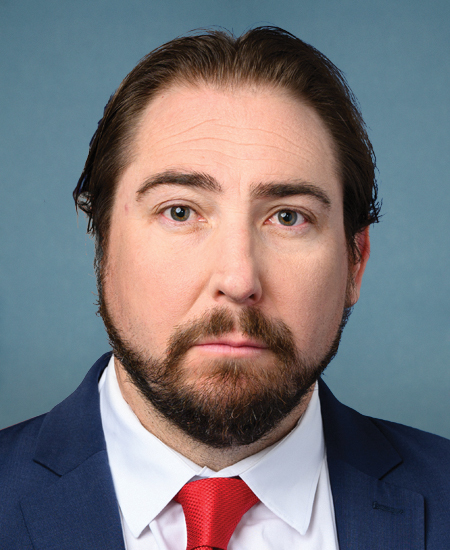
Elijah Crane
14% support rate
Ranked legislators
10
5 support · 5 oppose
Key legislators

Who's moving education in Arizona

Legislators moving education in Arizona
Legislator Party Stance Support rate Votes
Mark Kelly
Mark Kelly Senate
D
Strong +
83% 165
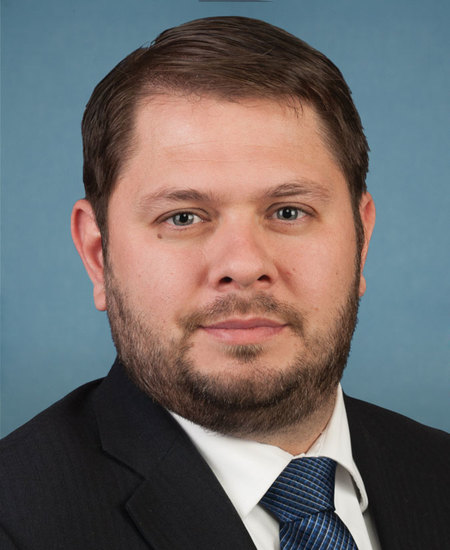
Ruben Gallego
Ruben Gallego Senate
D
Strong +
80% 160
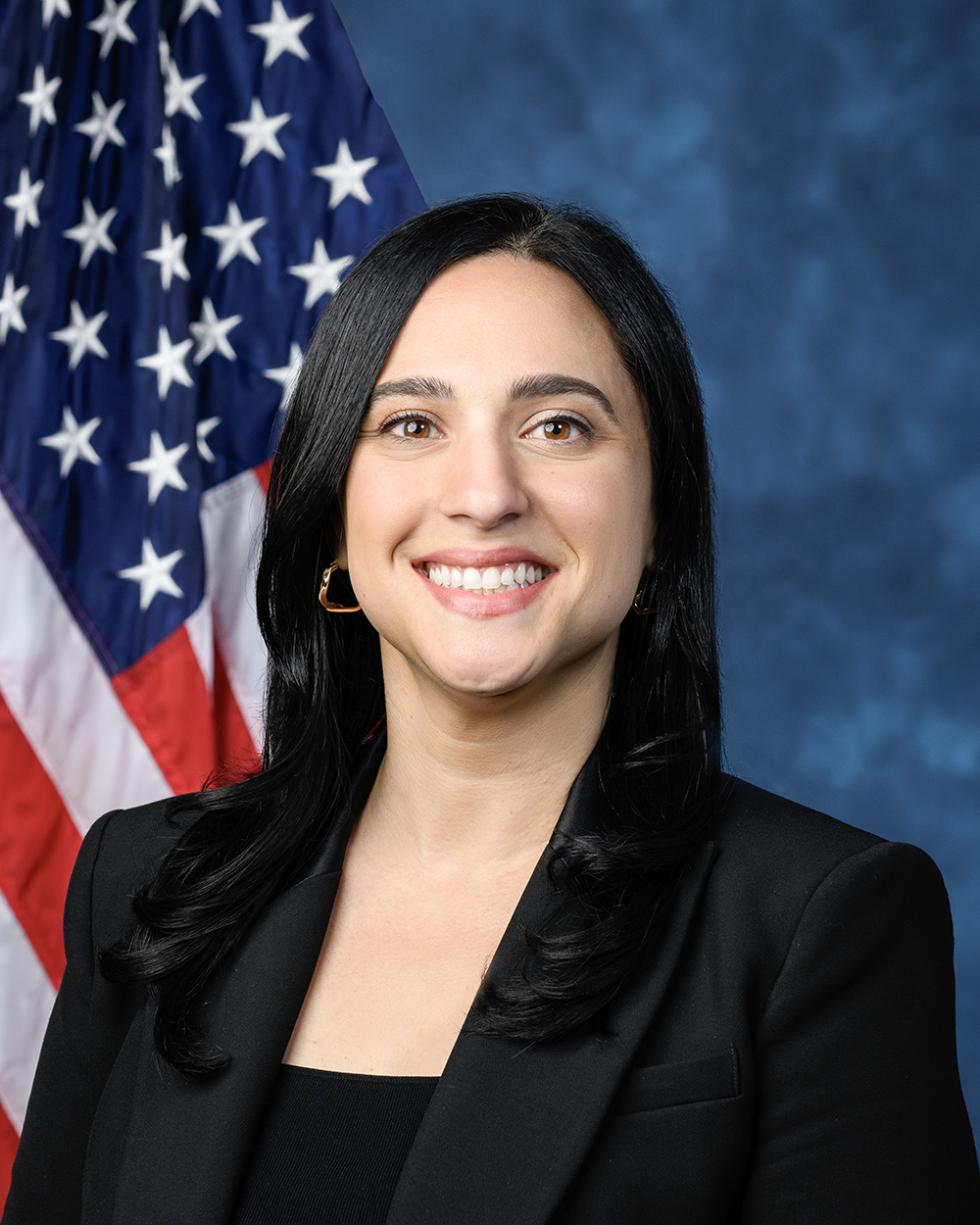
Yassamin Ansari
Yassamin Ansari House · District 3
D
Support
78% 127
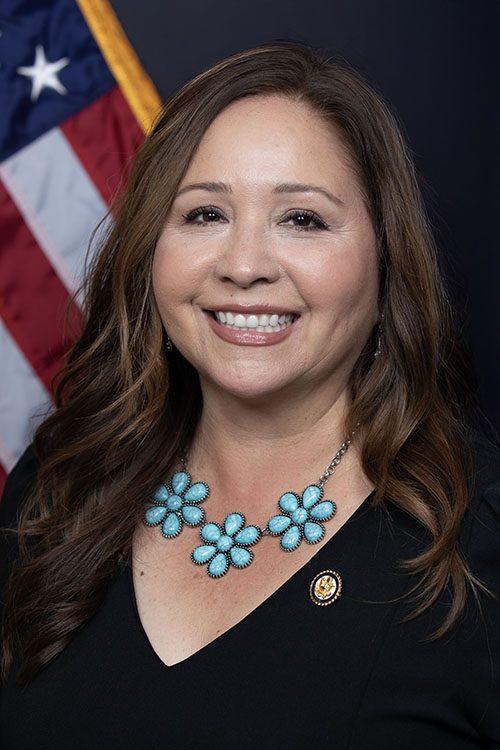
Adelita S. Grijalva
Adelita S. Grijalva House · District 7
D
Support
75% 97
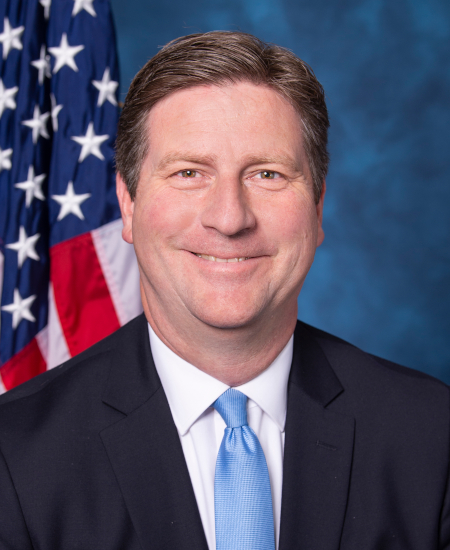
Greg Stanton
Greg Stanton House · District 4
D
Mixed
56% 130
Elijah Crane
Elijah Crane House · District 2
R
Strong −
14% 128
Paul A. Gosar
Paul A. Gosar House · District 9
R
Oppose
22% 115
Andy Biggs
Andy Biggs House · District 5
R
Oppose
22% 110
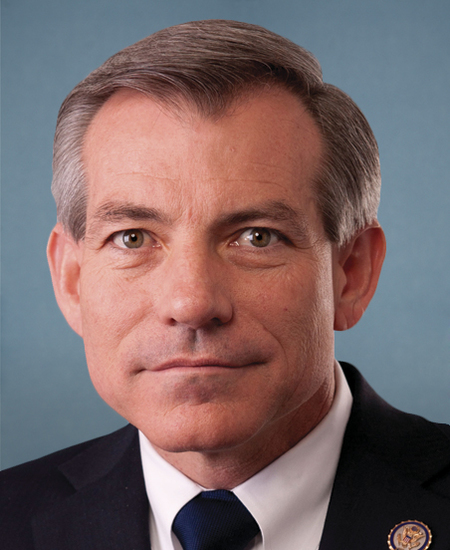
David Schweikert
David Schweikert House · District 1
R
Oppose
33% 127
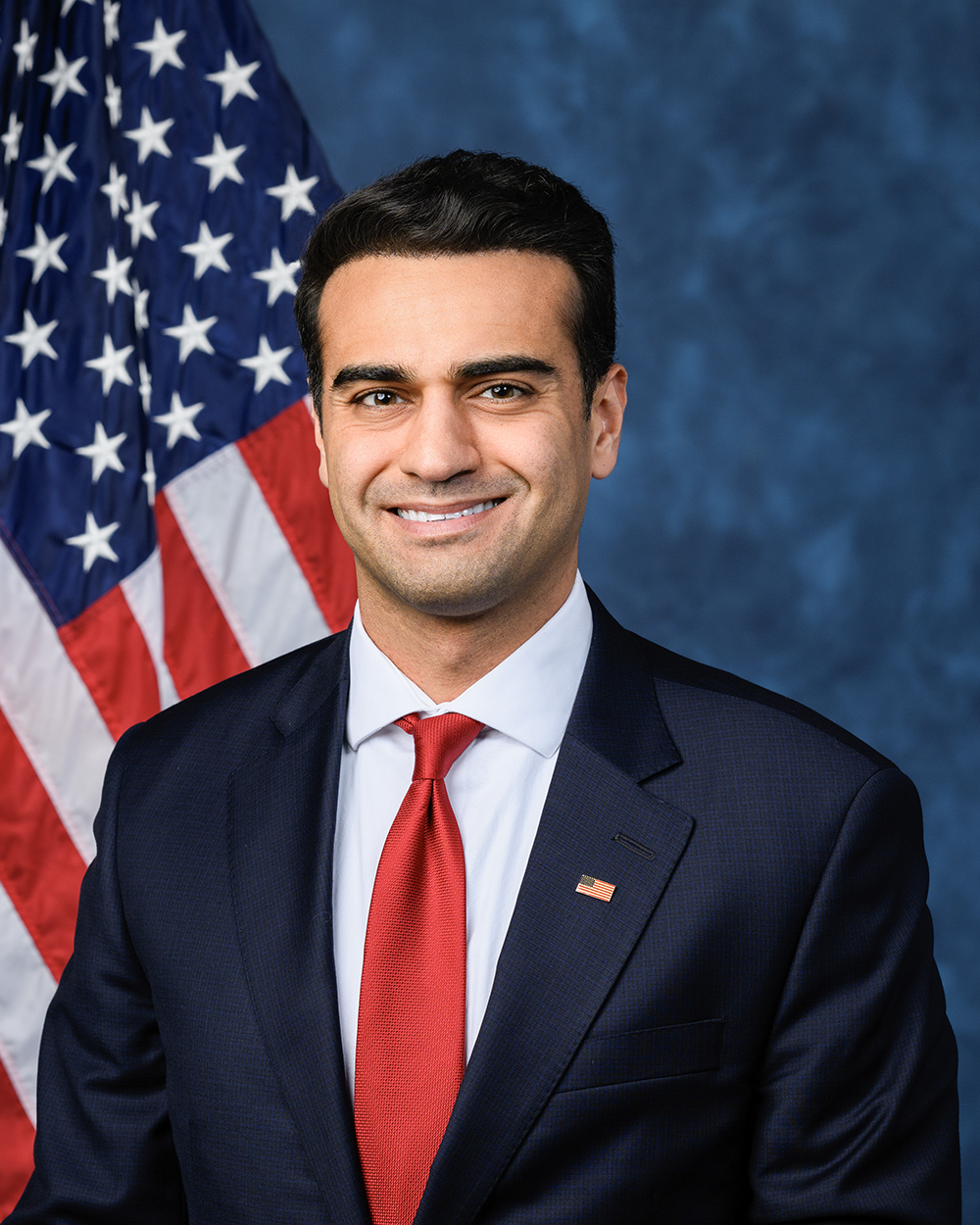
Abraham J. Hamadeh
Abraham J. Hamadeh House · District 8
R
Oppose
33% 131
Showing 1–10 of 185 bills

All education bills

in committee · United States · House Aug 13, 2026

HR 10097: Earn to Learn Act

The Earn to Learn Act establishes a federal demonstration grant program that provides low-income students with matched savings accounts to help pay for postsecondary education. Under this mechanism, states or nonprofit organizations receive grants to match student contributions at a rate of $8 for every $100 deposited, while also providing financial literacy training and success coaching. The bill explicitly ensures that participation in the program does not reduce a student's eligibility for Federal Pell Grants or other federal student aid. It authorizes $100 million annually for five years to fund these grants, which are capped at $10 million per recipient, and requires the Department of Education to report on the program's impact on savings rates and educational retention.
in committee · United States · House Jul 27, 2026

HR 9958: Head Start Expansion and Improvement Act of 2026

The Head Start Expansion and Improvement Act of 2026 broadens eligibility for early childhood education services by including recipients of various public assistance programs, such as food stamps and Medicaid, in the definition of qualifying families. The bill authorizes $36 billion annually from fiscal years 2027 through 2032 to support these expanded operations and creates a separate grant program providing $1 billion per year until 2030 for agencies to repair or upgrade aging facilities with safety hazards. Additionally, the legislation establishes a loan forgiveness program that cancels federal student loans for childcare workers who complete three years of full-time service in Head Start or Early Head Start programs. Finally, it authorizes $6.8 billion annually through 2032 to provide salary supplements to Head Start employees, with funding allocated based on local wage gaps and cost-of-living factors.
in committee · United States · House Jul 23, 2026

HR 9824: Daycare Not Detentions Act of 2026

The Daycare Not Detentions Act of 2026 provides additional funding to the Department of Health and Human Services to support child care programs, including the Child Care and Development Block Grant, Head Start, and preschool development grants. These funds are intended to help states and organizations cover necessary expenses for these programs through fiscal year 2029. The bill also rescinds $70 billion in previously allocated money for U.S. Customs and Border Protection and U.S. Immigration and Customs Enforcement that has not yet been spent. Overall, the legislation redirects federal resources toward early childhood education and care rather than immigration enforcement activities.
in committee · United States · House Jul 23, 2026

HR 9896: WINGS Act of 2026

The WINGS Act of 2026 expands federal financial aid eligibility to cover specific aviation training expenses for students enrolled in qualifying aviation programs at colleges and universities. Under this bill, students could use federal funds to pay for costs such as flight simulator hours, aircraft instruction, aviation training materials, and licensing exam fees. The legislation defines eligible programs as those offering associate's or bachelor's degrees in aviation-related fields and includes professional degree programs that meet specific regulatory training standards. These changes would take effect on July 1, 2027, allowing students to access financial support for practical aviation training components starting with the 2027-2028 award year.
in committee · United States · Senate Jul 16, 2026

S 5031: Building Community in America Act

The Building Community in America Act aims to increase participation in national and community service programs by specifically targeting underrepresented groups, including young adults and men. It achieves this by amending existing laws to require that federal funding priorities favor projects focused on mentoring, youth development, disaster response, and skilled-trade apprenticeships. Additionally, the bill mandates that volunteers be assigned to initiatives designed to recruit and train these specific populations. Ultimately, the legislation seeks to diversify the workforce within community service by making the recruitment of underrepresented individuals a central requirement for receiving federal support.
in committee · United States · House Jul 22, 2026

HR 9853: Right to Learn Act of 2026

The Right to Learn Act of 2026 creates a grant program to help schools and community organizations support students and staff affected by immigration enforcement actions. Funds awarded by the Department of Education can be used to hire trauma-informed counselors, provide emergency assistance like food and legal referrals, and train educators on culturally responsive care. The bill strictly prohibits schools from collecting or sharing personal data about a student's immigration status and forbids denying services based on that status. Eligible recipients include public schools, early childhood programs, universities, and legal service providers, with a total funding authorization of $250 million over five years.
Sub-Topics Enforcement
in committee · United States · Senate Jul 16, 2026

S 5029: Educators for America Act

The Educators for America Act amends the Higher Education Act to update how teacher residency programs select participants. It requires these programs to establish specific criteria for eligibility and to prioritize recruiting individuals who are underrepresented in the teaching profession, including men. This change directly affects federal funding for teacher residency programs and the demographic composition of new teachers. The bill focuses on modifying selection rules rather than creating new programs or changing funding amounts.
Sub-Topics Teachers
in committee · United States · House Jul 14, 2026

HR 9659: Fund Schools, Not ICE Act

The Fund Schools, Not ICE Act directs unspent funds originally allocated to Immigration and Customs Enforcement to be transferred to the Department of Education for use in elementary and secondary school programs. Additionally, the bill requires the Secretary of Homeland Security to sell eleven specific immigration detention warehouses that were purchased between January 1, 2026, and March 31, 2026. These measures aim to redirect financial resources from immigration enforcement toward educational initiatives while mandating the disposal of recently acquired detention facilities.
in committee · United States · House Jun 24, 2026

HRES 1385: Celebrating the accomplishments of title IX of the Education Amendments of 1972, also known as the Patsy Takemoto Mink Equal Opportunity in Education Act, and recognizing the need to continue pursuing the goal of educational opportunities for all women and girls.

This resolution celebrates the progress made under Title IX of the Education Amendments of 1972, which prohibits sex discrimination in federally funded education programs. It acknowledges the law's role in increasing graduation rates, expanding access to nontraditional fields, and improving athletic opportunities for women and girls. The document calls on the executive branch to protect students from discrimination based on sex, pregnancy, sexual orientation, and gender identity while condemning efforts to use the law to harm transgender and nonbinary students. Additionally, it urges the transfer of Title IX enforcement authority to remain within the Department of Education rather than the Department of Justice.
in committee · United States · House Jun 11, 2026

HR 9300: Postsecondary Student Success Act of 2026

The Postsecondary Student Success Act of 2026 creates a competitive grant program to help colleges improve graduation rates for high-need students, including those from low-income backgrounds, first-generation families, and military-connected individuals. To receive funding between 2027 and 2032, eligible institutions must submit plans detailing how they will use evidence-based strategies, such as better advising, accelerated learning options, and improved transfer pathways, to support student retention and completion. The law requires that at least 20 percent of the available funds go to projects using the most rigorously tested methods and mandates that 2 percent be reserved specifically for Tribal Colleges and Universities. Additionally, the Department of Education must evaluate the effectiveness of these programs and report the results to Congress within 18 months of the bill's enactment.
Showing 1 to 10 of 185 bills
1 2 3 19 Next