Issue · Criminal Justice

Criminal Justice (Courts)

Every criminal justice bill, vote, and legislator stance in Arizona, automatically classified by Maddy, our AI policy reader.

Total bills
58
57th Legislature - Second Regular Session
Top supporter
Lydia Hernandez
100% support rate
Top opponent
Mitzi Epstein
30% support rate
Ranked legislators
10
5 support · 5 oppose
Key legislators

Who's moving courts in Arizona

Legislators moving courts in Arizona
Legislator Party Stance Support rate Votes
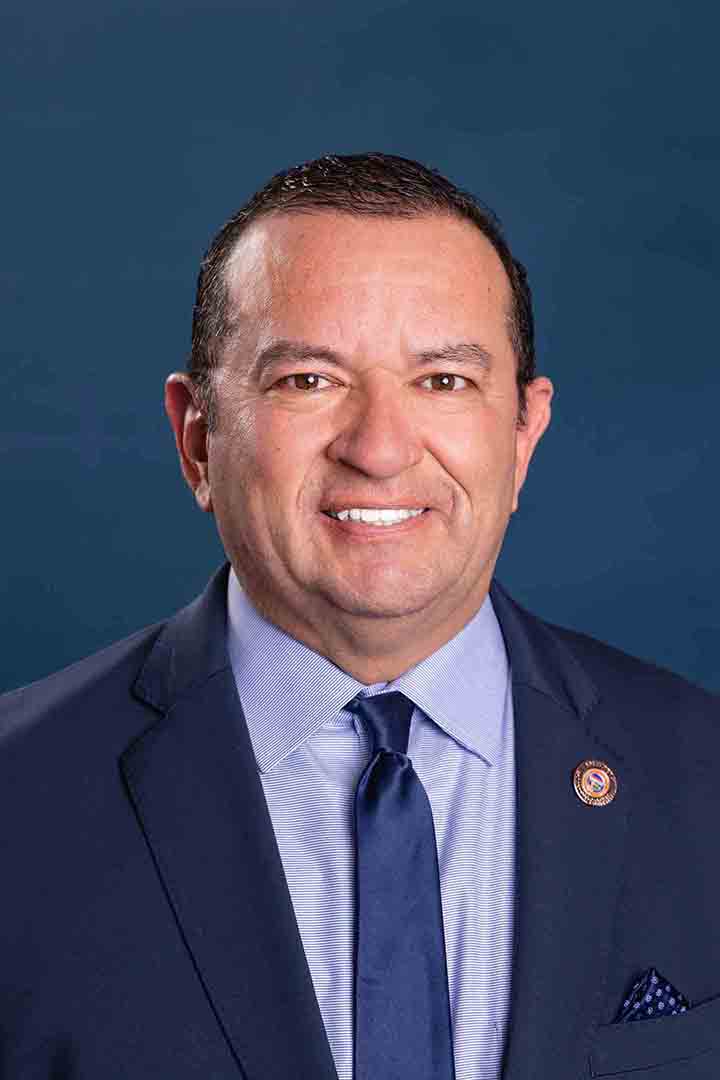
Lydia Hernandez
Lydia Hernandez House · District 24
D
Strong +
100% 11
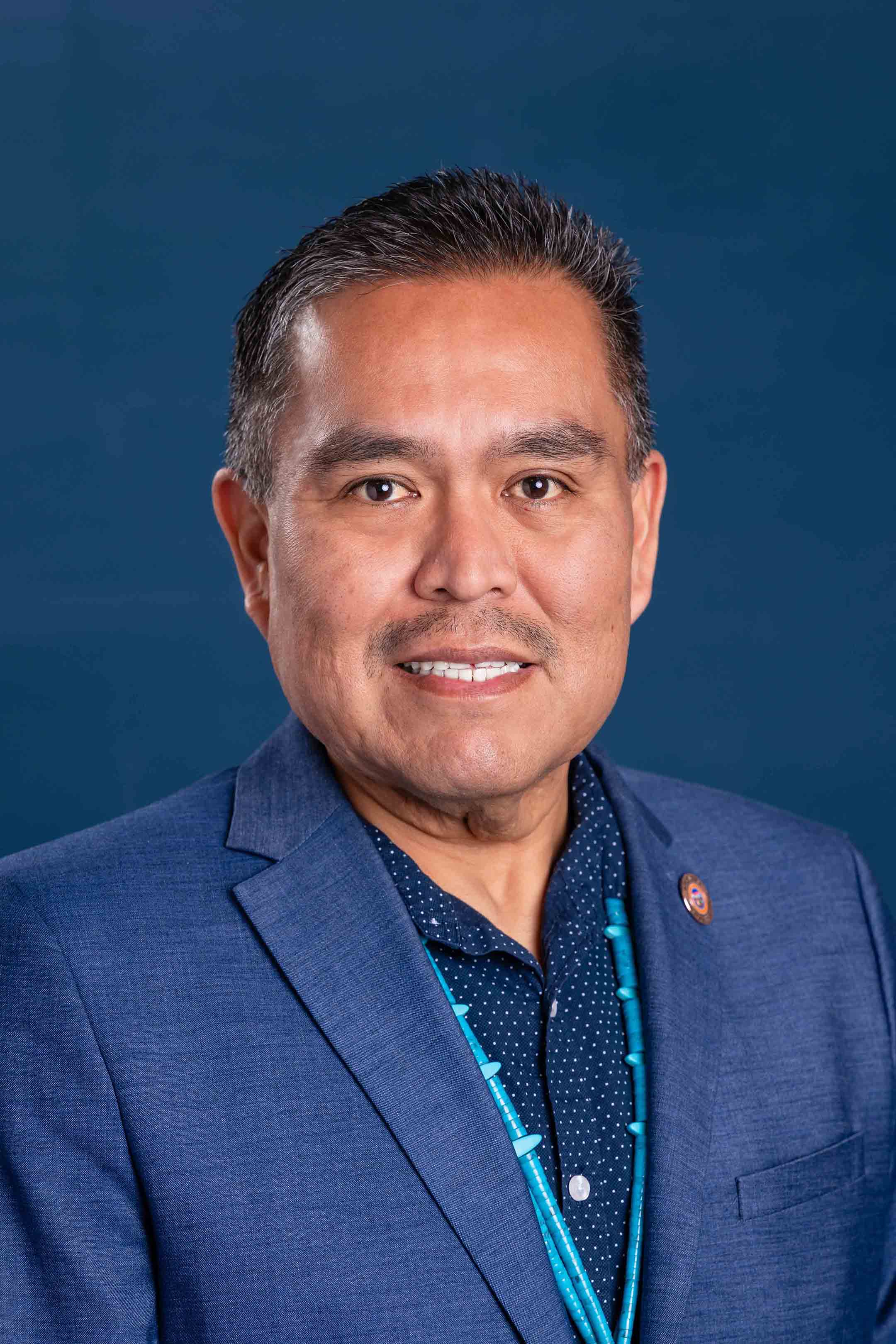
Myron Tsosie
Myron Tsosie House · District 6
D
Strong +
100% 8
Chris Lopez
Chris Lopez House · District 16
R
Strong +
92% 13
James Taylor
James Taylor House · District 29
R
Strong +
92% 13
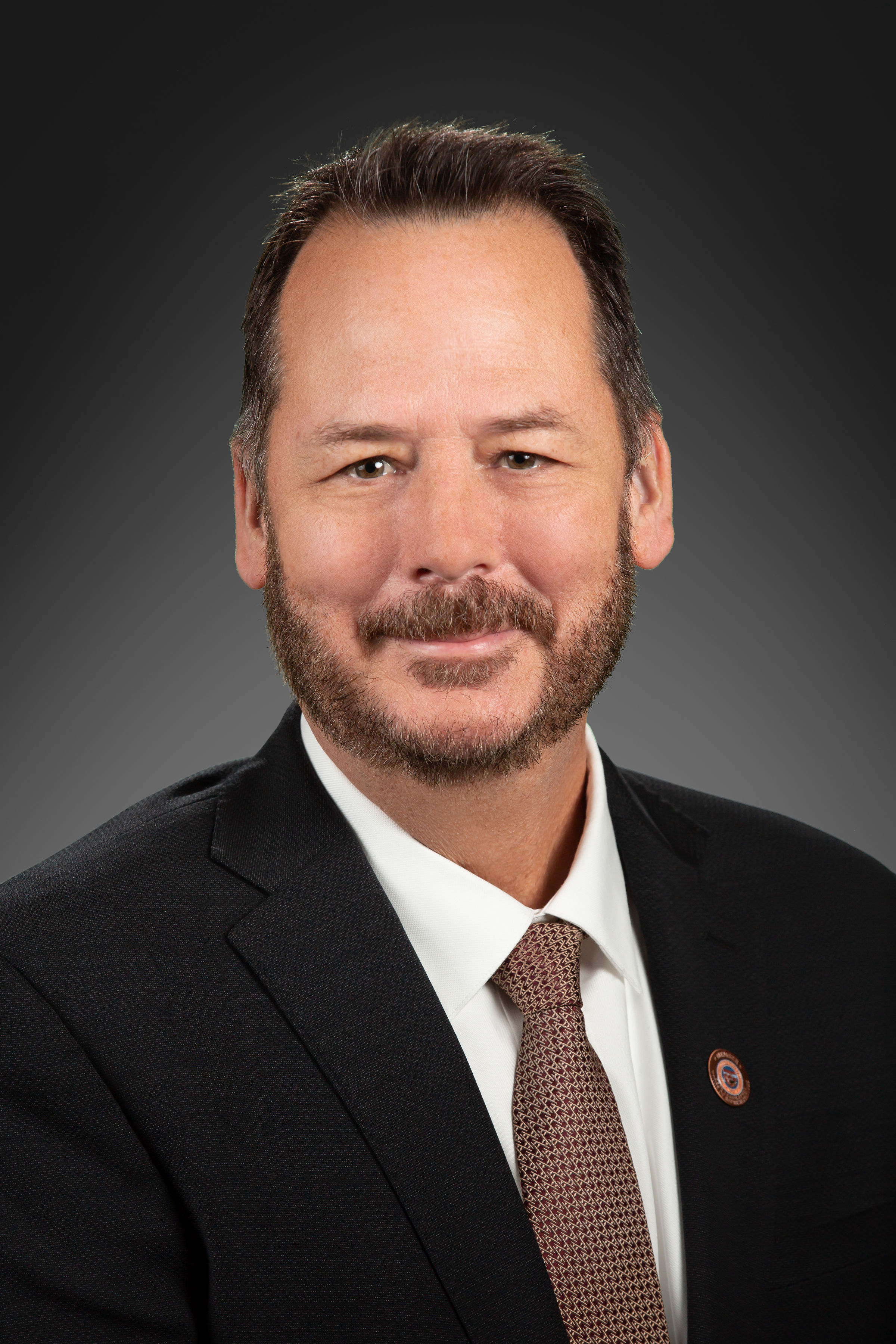
Jeff Weninger
Jeff Weninger House · District 13
R
Strong +
92% 13
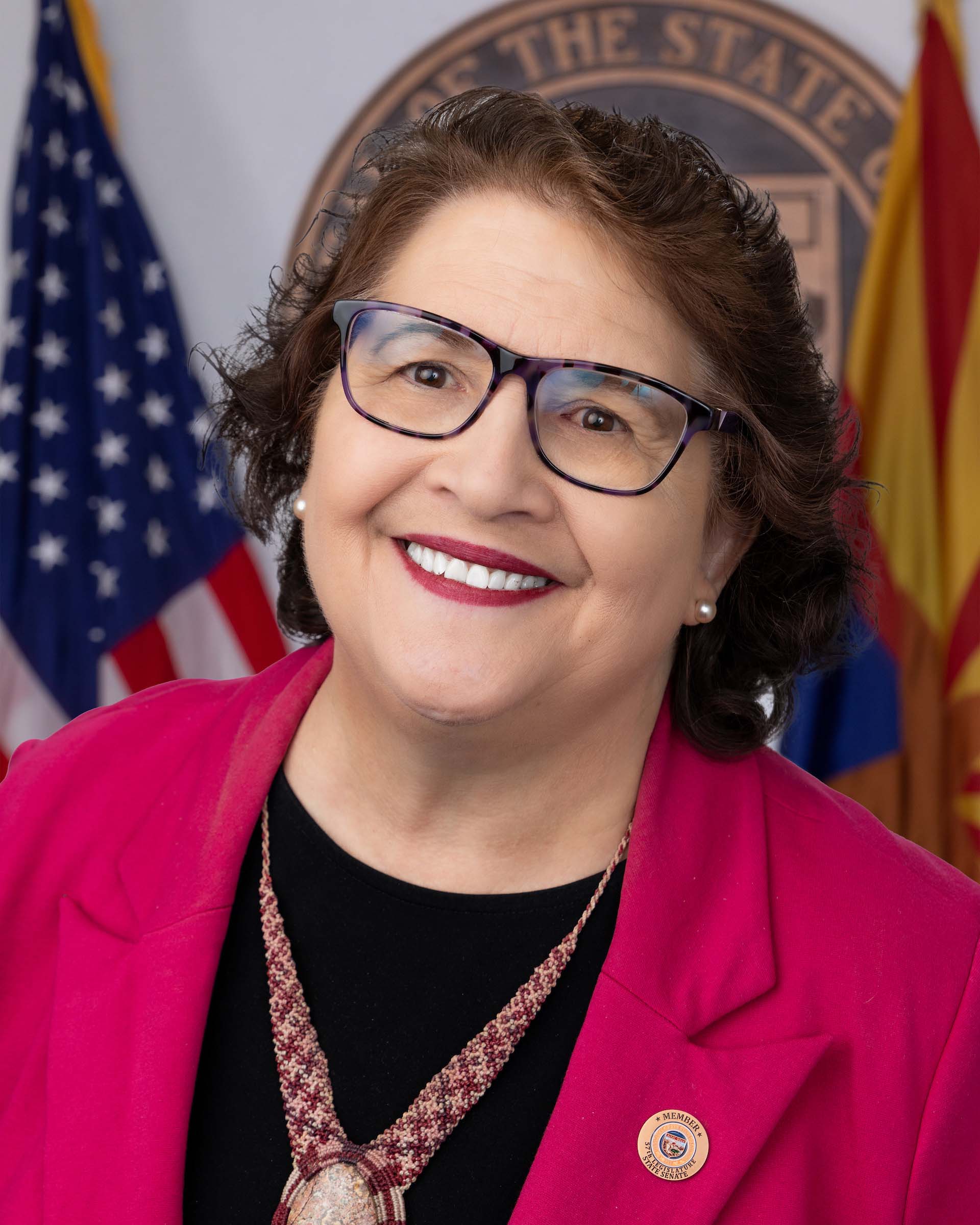
Mitzi Epstein
Mitzi Epstein Senate · District 12
D
Oppose
30% 20
Priya Sundareshan
Priya Sundareshan Senate · District 18
D
Oppose
32% 19
Analise Ortiz
Analise Ortiz Senate · District 24
D
Oppose
35% 20
Catherine Miranda
Catherine Miranda Senate · District 11
D
Oppose
35% 20
Lauren Kuby
Lauren Kuby Senate · District 8
D
Oppose
35% 20
Showing 21–30 of 58 bills

All criminal justice bills

introduced · Arizona · House Feb 5, 2026

HB 2967: custodial interference

HB 2967 amends Arizona's custodial interference law (ARS 13-1302) to clarify when parents or custodians may legally withhold a child without facing criminal penalties. It adds specific defenses for parents who act in good faith to protect children from immediate danger - such as abuse, domestic violence, or neglect - during court-ordered parenting time or after filing protection petitions. Violations are classified as misdemeanors or felonies (ranging from Class 1 to Class 6) based on the actor’s relationship to the child (e.g., parent vs. non-parent), intent, and whether the action was motivated by a reasonable safety concern. The law directly affects parents, custodians, and courts in custody disputes, emphasizing child safety while defining legal boundaries for withholding children.
signed · Arizona · House Jun 4, 2026

HB 2557: candidate petitions; felony disclosure

HB 2557 amends Arizona law to allow individuals convicted of certain offenses to petition courts to seal their criminal records after meeting specific requirements. It directly affects people with felony or misdemeanor convictions who have completed sentences, paid all fines/restitution, and waited set periods (e.g., 10 years for serious felonies, 5 years for less serious ones). Key mechanisms include mandatory victim notification, court review for public safety, and restrictions on how sealed records may be used (e.g., still admissible in future criminal cases). The bill does not change eligibility for voting or candidacy, despite its misleading title, and focuses solely on record sealing procedures.
Sub-Topics Courts Victims' Rights
signed · Arizona · Senate Mar 27, 2026

SB 1211: aggravated harassment; lifetime injunctions

SB 1211 requires Arizona courts to issue lifetime injunctions prohibiting contact between defendants convicted of specific serious felonies and their victims. It applies to offenses including violent felonies, certain domestic violence cases (per A.R.S. §13-2921.01), and other felony categories listed in the bill. The injunctions take effect immediately at sentencing, must be registered with crime databases, and remain valid for the defendant's lifetime unless the victim dies, the conviction is overturned, or the victim requests early termination. Victims can also petition for an injunction after sentencing without court fees. This law directly affects victims of qualifying violent or domestic violence felonies and their convicted offenders.
signed · Arizona · House Apr 7, 2026

HB 2223: name change petition; sex offenders

HB 2223 modifies Arizona's name change law to specifically address individuals required to register as sex offenders. The bill requires applicants to disclose their sex offender registration status and mandates that if approved, they must register under their new name while using their old name as an alias. Applicants must also serve the prosecuting agency with their application, and victims or prosecutors can contest the change for up to one year after court approval. This directly affects sex offenders seeking name changes, ensuring their registration obligations remain active without interruption.
Sub-Topics Courts
passed · Arizona · Senate Mar 18, 2026

SB 1248: juvenile detention centers; education programs.

SB 1248 requires counties operating juvenile detention centers to provide education programs for all school-age youth held there, with county school superintendents and juvenile court judges agreeing on program delivery. It establishes state standards for these programs and creates a funding mechanism: counties receive a base amount ($100,000 for 2019-2020) plus variable funding based on the number of instructional days (240+ minutes daily) each youth receives, with additional support for youth with disabilities. The bill also extends similar education program requirements and funding rules to county jails for minors under 21 without high school diplomas. This directly affects juvenile detention/jail facilities, youth in custody, and county school systems managing these programs.
failed · Arizona · Senate Jun 11, 2026

SB 1512: vulnerable adults; theft; definitions

SB 1512 amends Arizona's theft statutes to specifically address property crimes involving vulnerable adults. It creates a new theft offense when someone in a position of trust (like a caregiver, family member, or fiduciary) takes a vulnerable adult's property with intent to deprive them, defined as an adult 18+ unable to protect themselves due to physical or mental impairment. Key provisions include requiring proof of trust-based control (not just general theft), listing defenses like prior gift patterns or court approval, and applying standard felony classifications based on property value. The bill directly affects vulnerable adults and those acting in trusted roles, clarifying when such actions constitute theft under Arizona law.
Sub-Topics Courts
failed · Arizona · Senate Mar 25, 2026

SB 1537: peace officer fund; commission; repeal

SB 1537 modifies Arizona law to redirect $4 from each traffic diversion program fee and $4 from each traffic penalty assessment to the Peace Officer Training Equipment Fund. This directly affects drivers who attend court-authorized traffic diversion programs (like defensive driving) or pay fines for traffic violations. The fund, established under Section 41-1731, is specifically designated for purchasing peace officer equipment and cannot be diverted to other state funds. The bill also repeals Section 41-1732, which was related to the fund's administration.
Sub-Topics Courts Law Enforcement
passed · Arizona · Senate Mar 19, 2026

SB 1585: sex offenders; fund; assessment; subcommittee

SB 1585 requires courts to impose additional fees on individuals convicted of sex offenses in Arizona, ranging from $75 for class 3 misdemeanors to $2,000 for class 1 felonies. These fees, collected directly from offenders, will be deposited into a new Sex Offender Surcharge Fund established under state law. The fund will support state programs for evaluating and managing sex offenders, including treatment and monitoring services. This bill directly affects people convicted of sex offenses under Arizona law, mandating these fees as part of their court-ordered penalties.
introduced · Arizona · Senate Jan 27, 2026

SB 1321: misdemeanor expungement; requirements; procedure

SB 1321 allows Arizona residents convicted of qualifying misdemeanors (excluding certain offenses like violent crimes or drug offenses) to petition courts for expungement of their records starting January 1, 2027. To qualify, petitioners must wait at least three years after completing probation or sentence, have no pending cases or unpaid fines, and provide proof of sentence completion. If approved, courts will seal all conviction records, prohibit law enforcement from disclosing them without a court order, and allow petitioners to legally state the conviction never occurred. Victims of the offense receive notice and the right to be heard during the process. This bill directly affects individuals with eligible misdemeanor convictions seeking to move forward without criminal record barriers.
passed · Arizona · House Mar 25, 2026

HB 2671: chronic felony offenders; juveniles

HB 2671 changes Arizona's rules for prosecuting juveniles (ages 14-17) as adults, specifically targeting those with prior felony convictions. It requires prosecutors to file notice if a juvenile is a "chronic felony offender" (defined as having two prior felony convictions classified as serious offenses), triggering a court hearing to confirm this status. If confirmed, the juvenile faces adult criminal sentencing; if not, the case transfers to juvenile court. This directly affects juveniles with prior felony convictions who commit new serious offenses, shifting jurisdiction from juvenile to criminal court. The bill creates a clear process for determining chronic offender status before trial.
Showing 21 to 30 of 58 bills
Previous 1 2 3 4 6 Next