

Issue · Criminal Justice
Criminal Justice
Every criminal justice bill, vote, and legislator stance in Arizona, automatically classified by Maddy, our AI policy reader.
Total bills
149
57th Legislature - Second Regular Session
Top supporter
Stephanie Simacek
74% support rate
Top opponent
Lupe Diaz
40% support rate
Ranked legislators
10
5 support · 5 oppose
Key legislators
Who's moving criminal justice in Arizona
| Legislator | Party | Stance | Support rate | Votes |
|---|---|---|---|---|
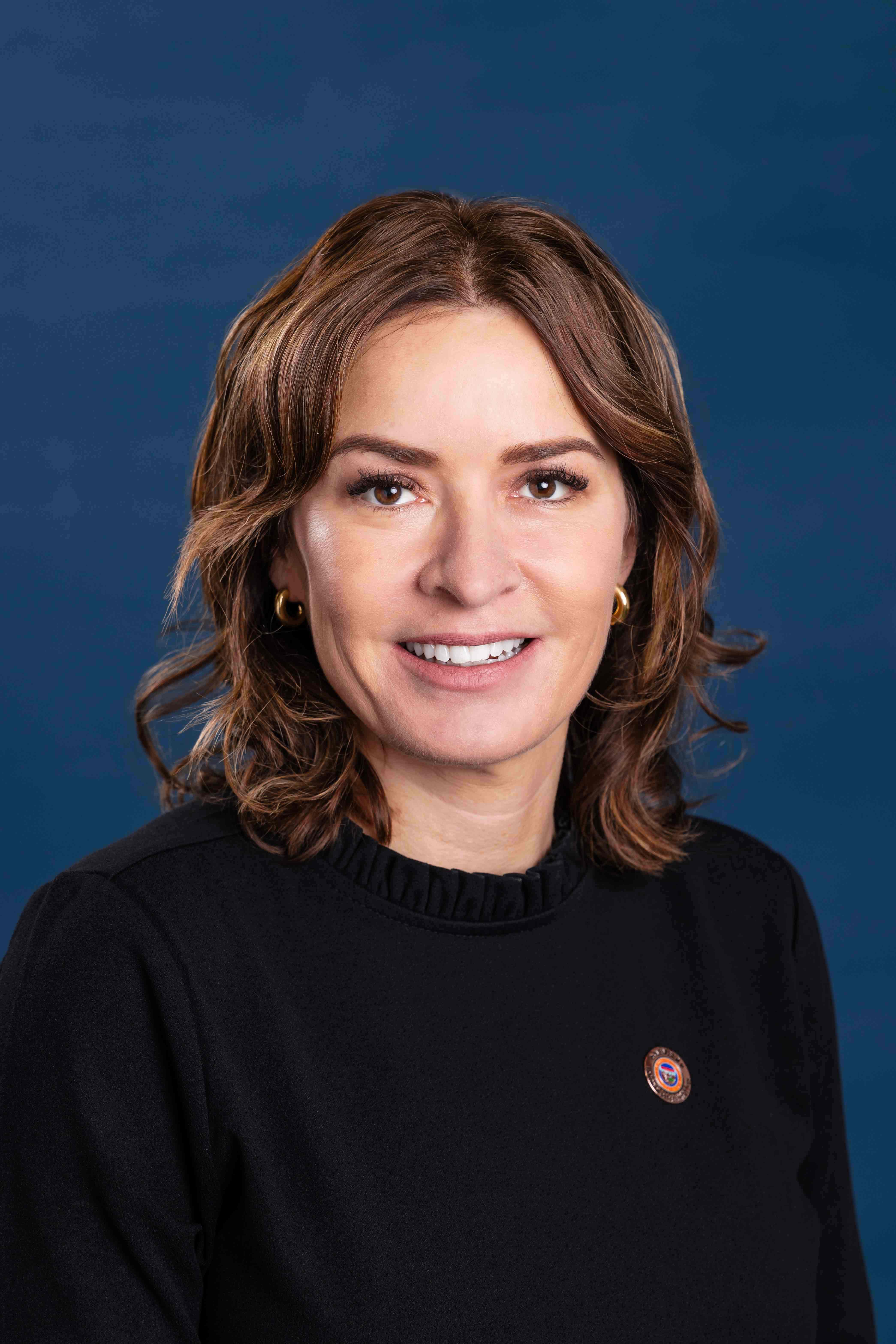
Stephanie Simacek
House · District 2
|
D |
Support
|
74% | 166 |
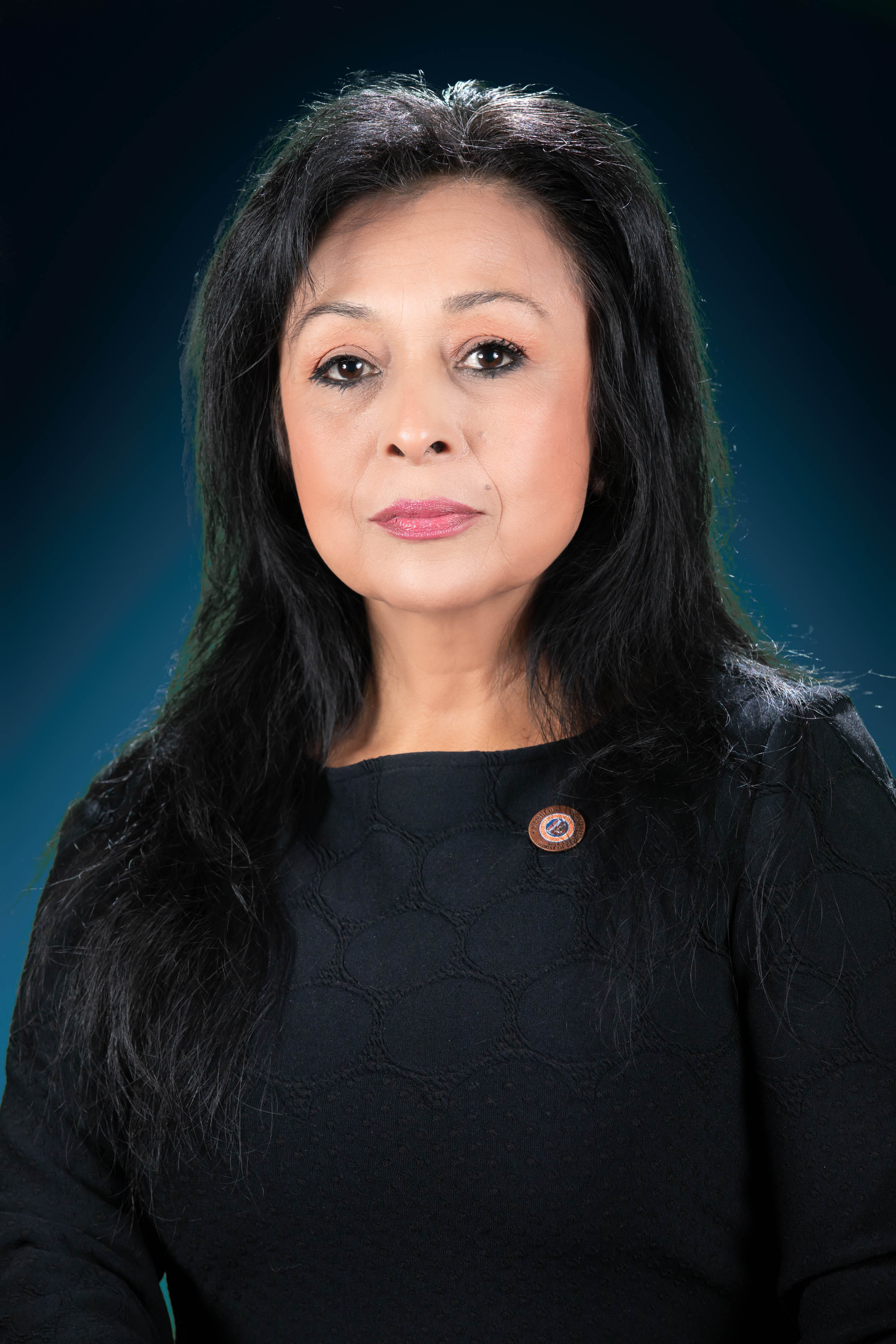
Lydia Hernandez
House · District 24
|
D |
Support
|
73% | 178 |
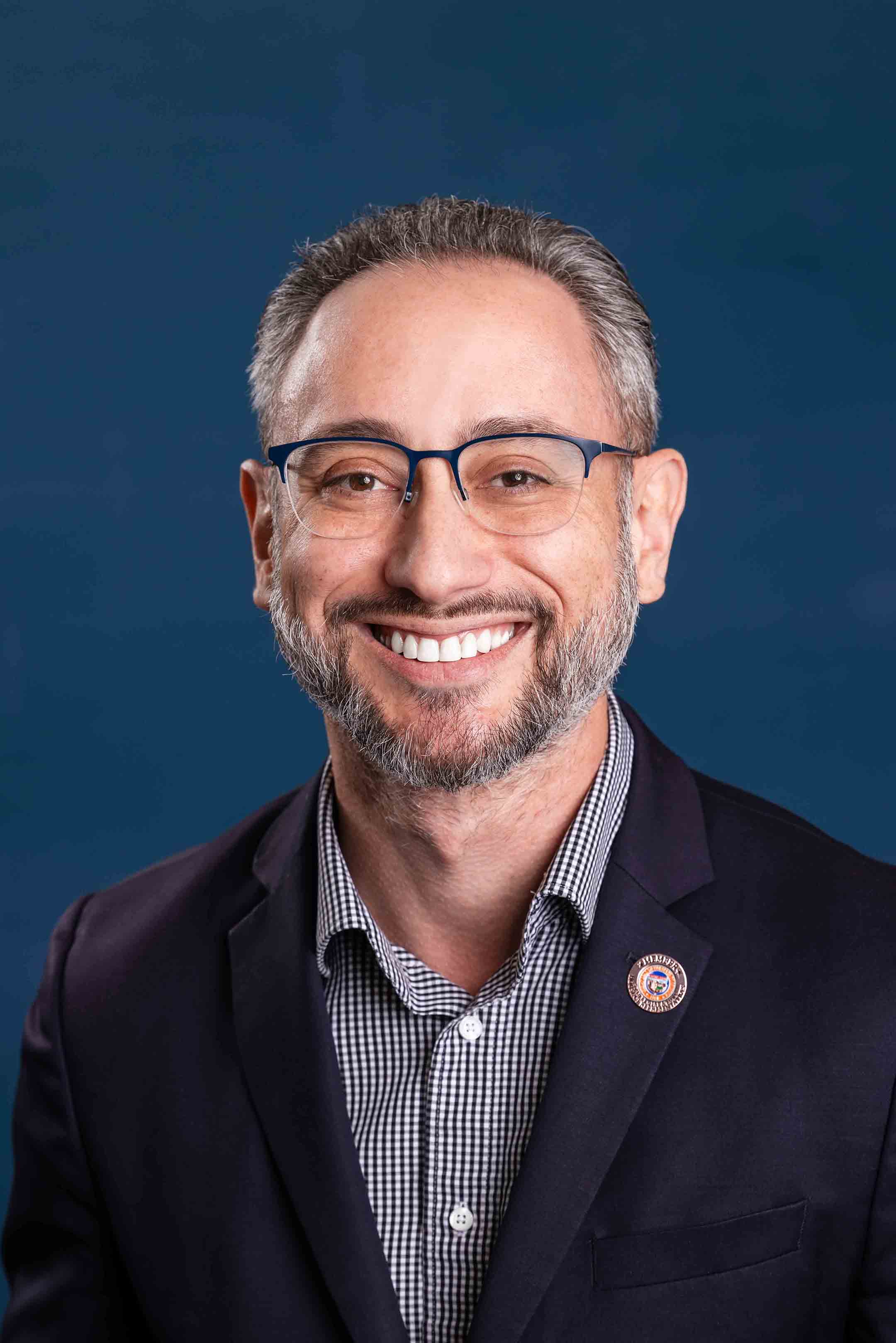
Seth Blattman
House · District 9
|
D |
Support
|
71% | 47 |
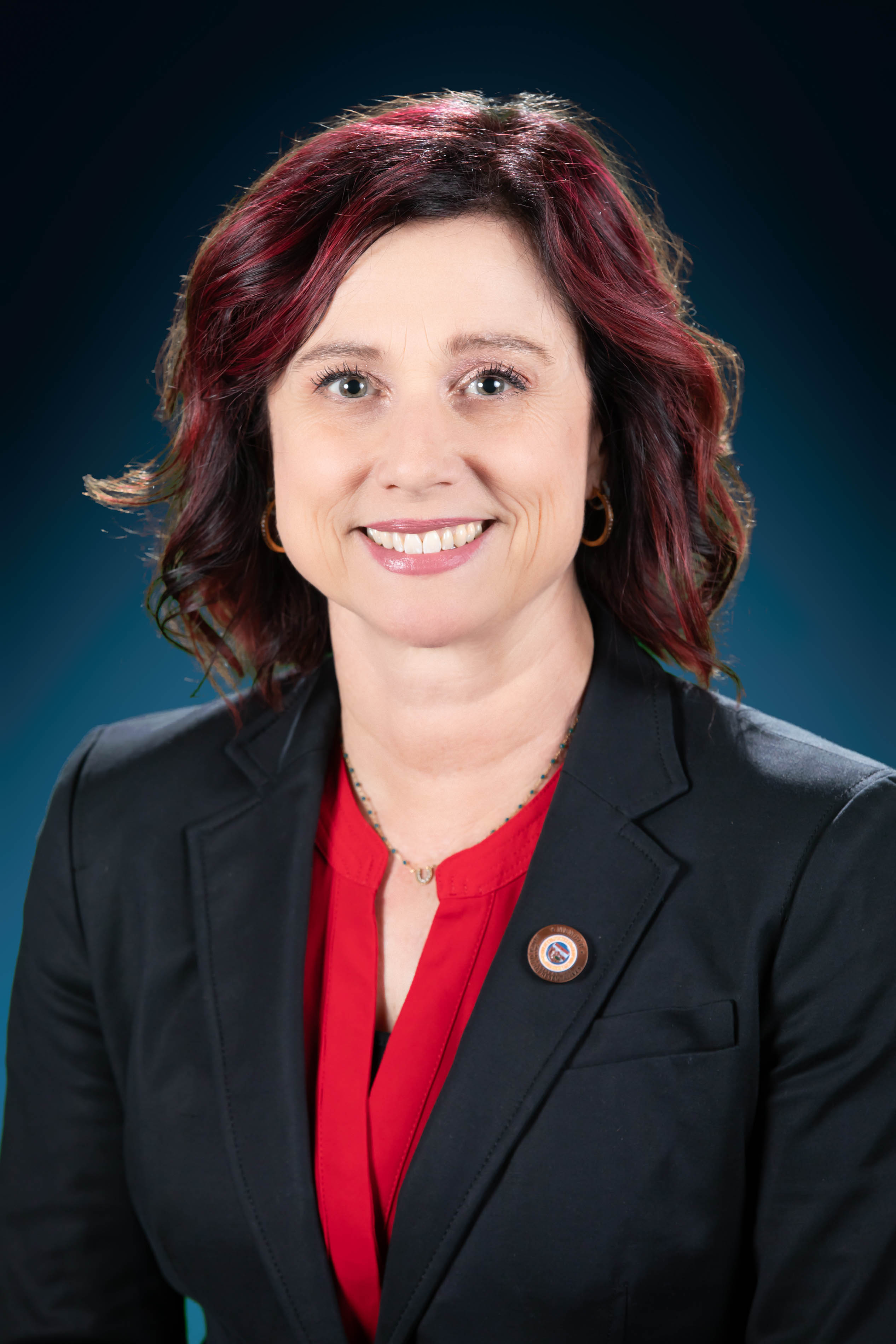
Nancy Gutierrez
House · District 18
|
D |
Support
|
71% | 126 |
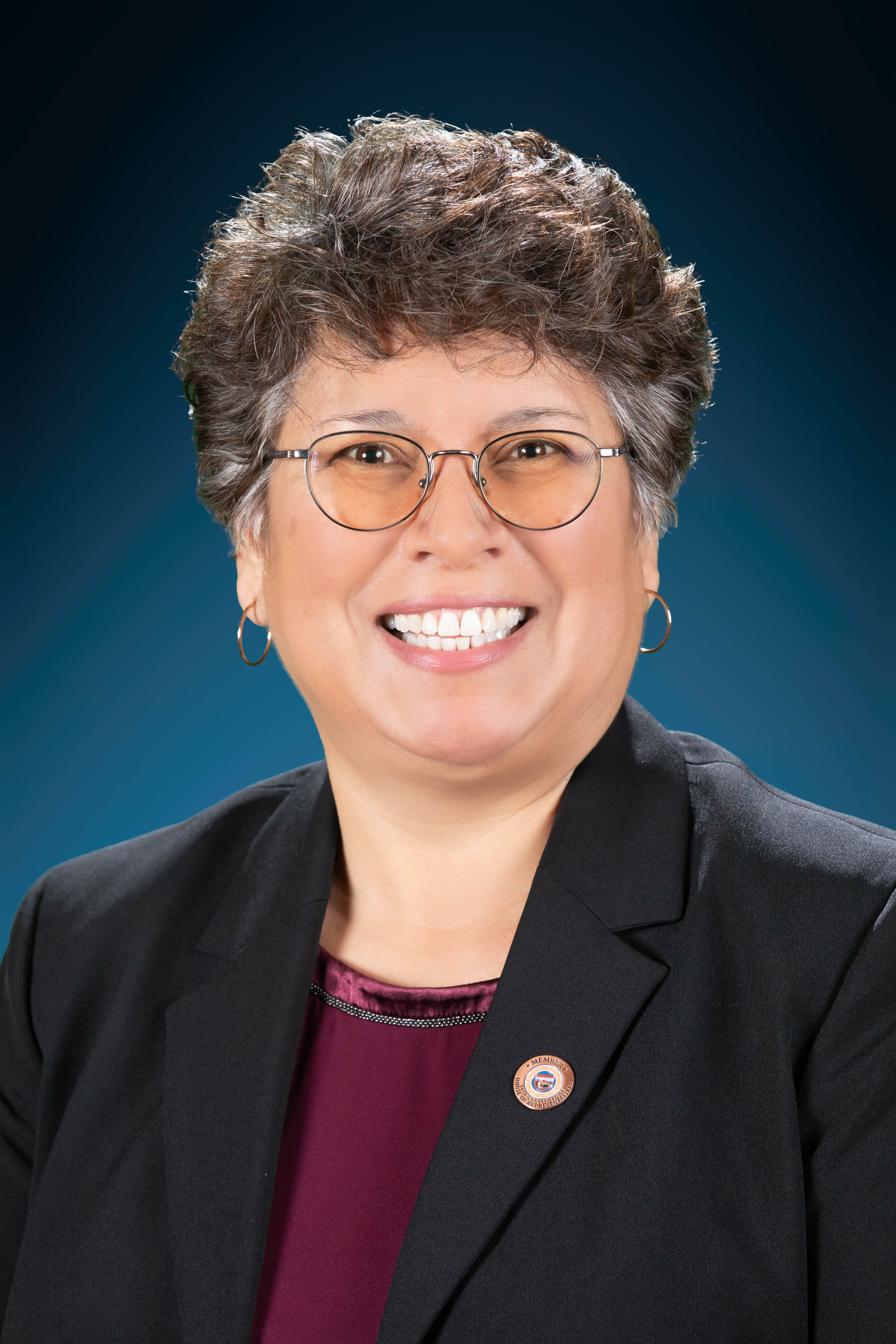
Patty Contreras
House · District 12
|
D |
Support
|
71% | 182 |
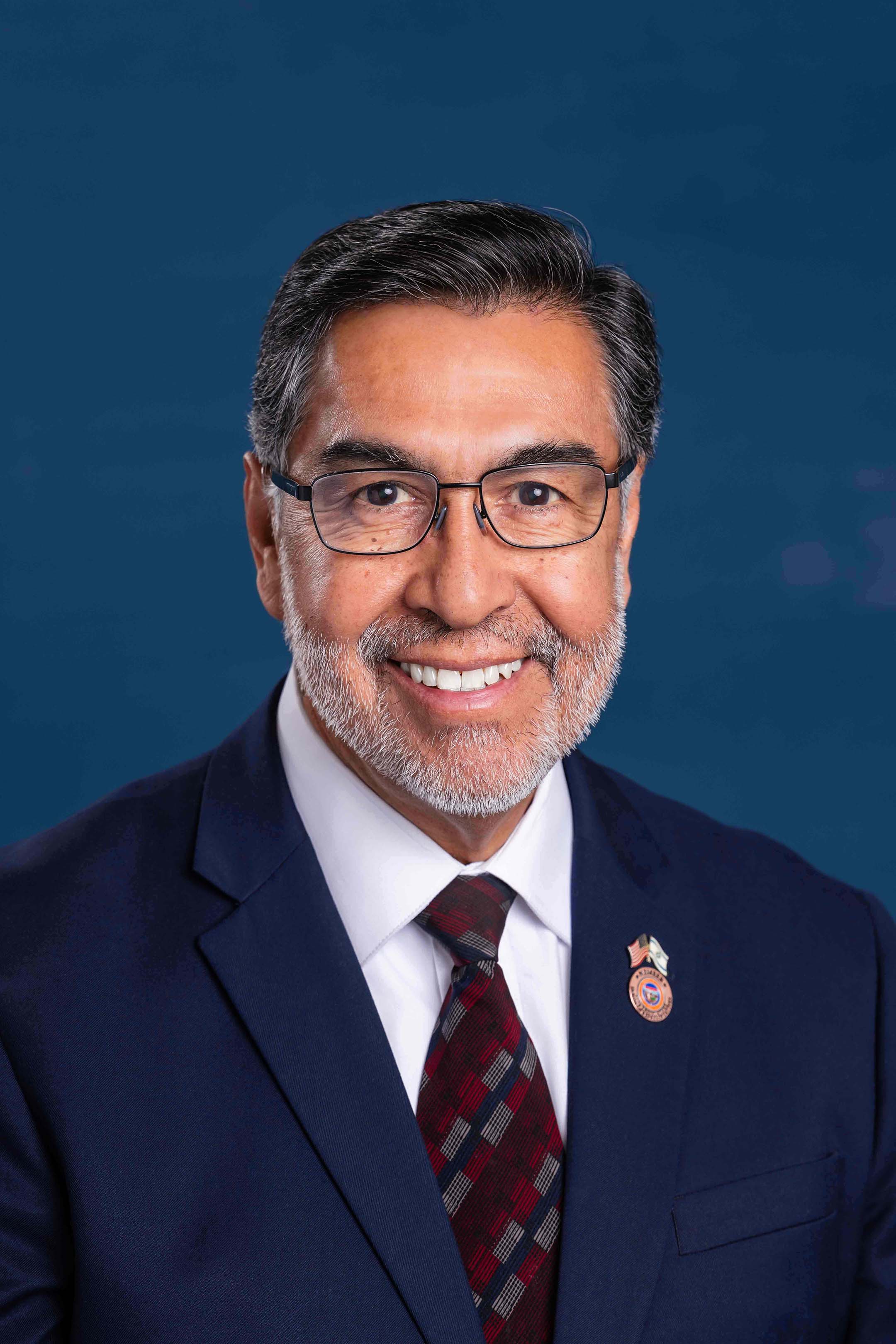
Lupe Diaz
House · District 19
|
R |
Oppose
|
40% | 191 |
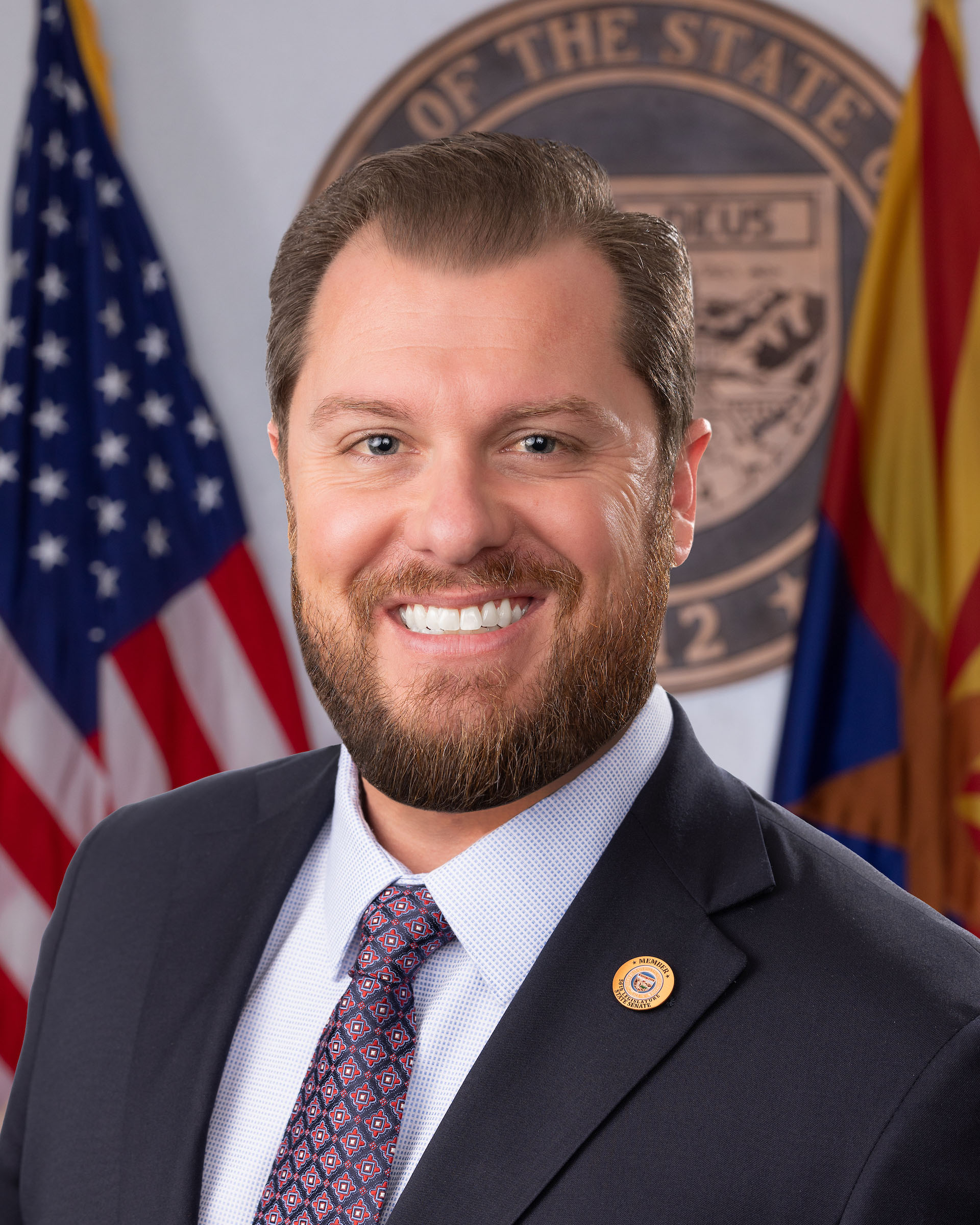
Jake Hoffman
Senate · District 15
|
R |
Mixed −
|
41% | 199 |
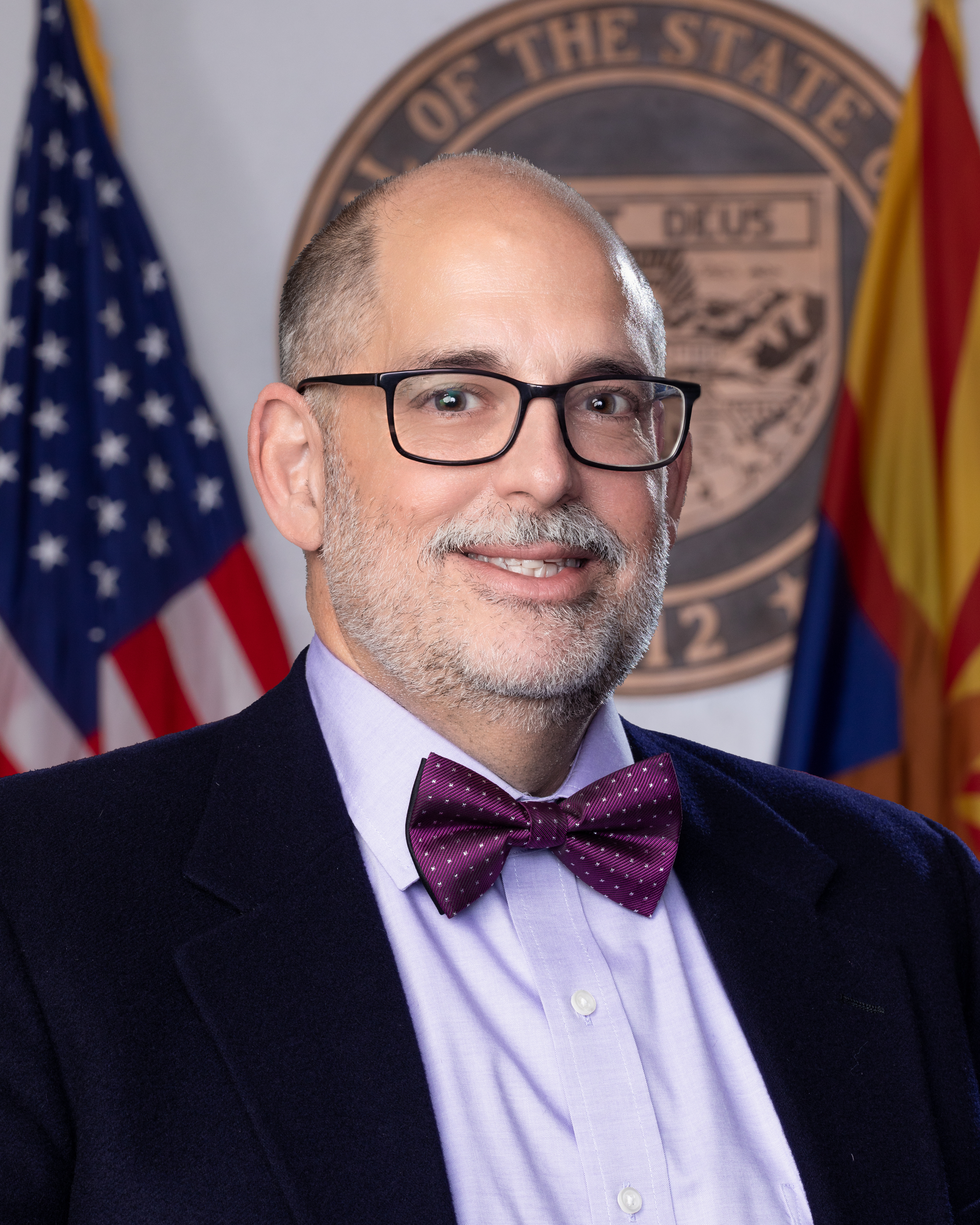
David Livingston
House · District 28
|
R |
Mixed −
|
42% | 170 |
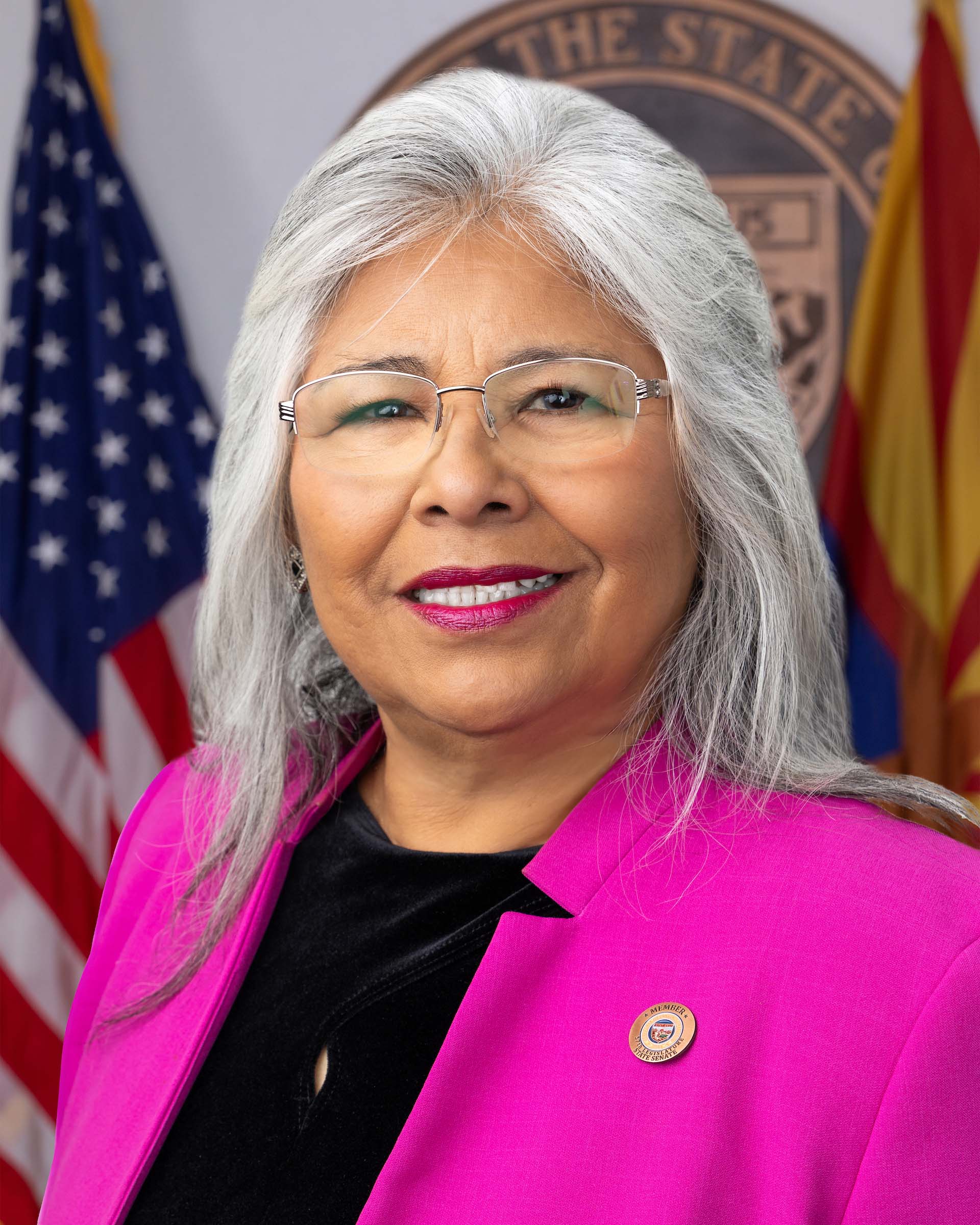
Sally Gonzales
Senate · District 20
|
D |
Mixed −
|
43% | 203 |
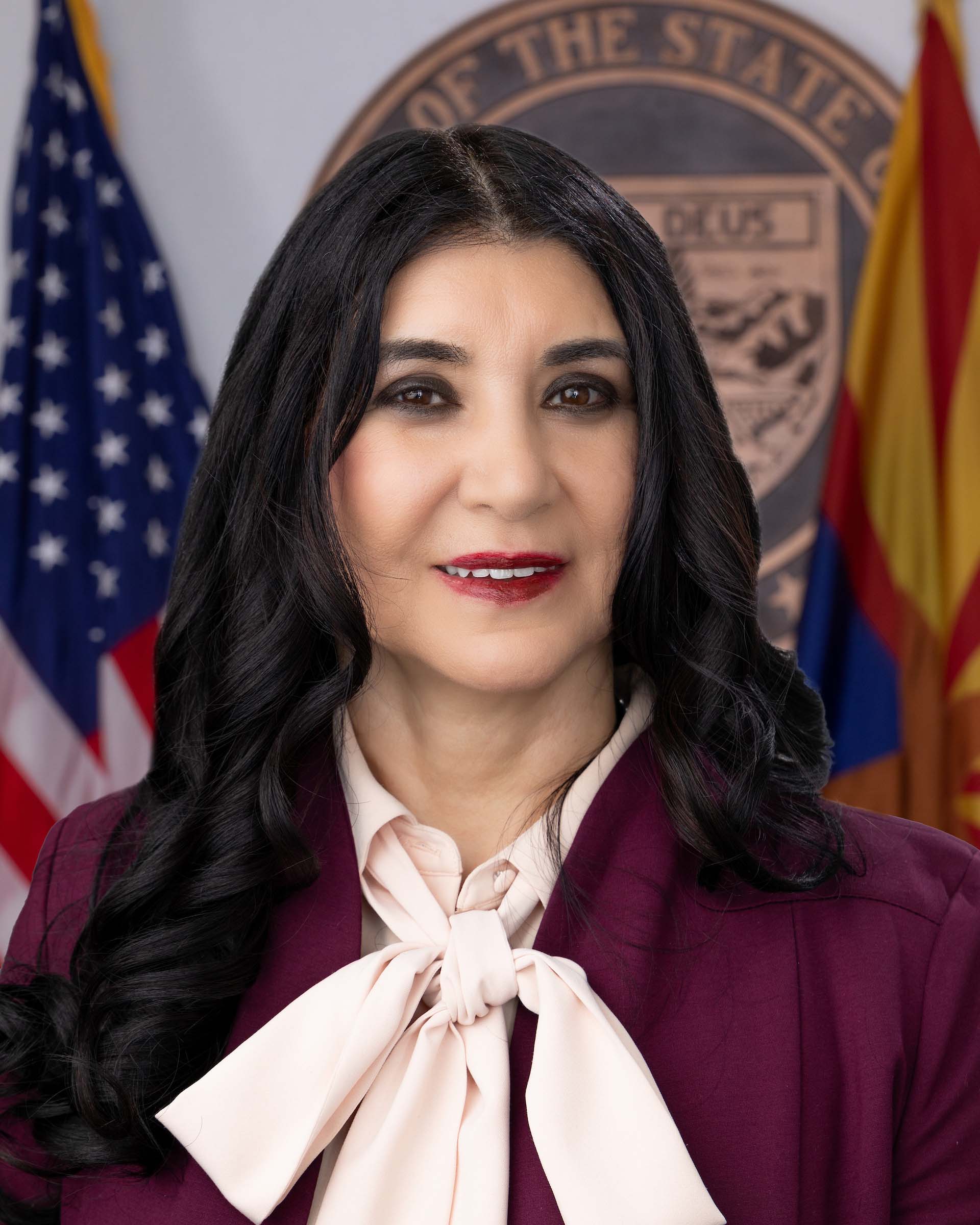
Eva Diaz
Senate · District 22
|
D |
Mixed −
|
43% | 146 |
Showing 141–149 of 149
bills
All criminal justice bills
HB 2586: appropriation; rehabilitative programming; interventions
Topics
✓ Budget & TaxesSupports Budget & TaxesAppropriates $1M annually from special services fund for rehabilitative programming, increasing public service funding under state budget management.
✓ Criminal JusticeSupports Criminal JusticeFunds holistic rehab programs to reduce recidivism and self-harm, directly advancing criminal justice reform through correctional programming.
✓ HealthcareSupports HealthcareFunds holistic rehabilitative programming targeting self-harm reduction, directly supporting mental health interventions within correctional settings.
SB 1295: inmates; medical institution; release
Topics
✓ Criminal JusticeSupports Criminal JusticeBill establishes compassionate release for elderly/disabled inmates to medical facilities, reducing unnecessary incarceration and aligning with criminal justice reform goals like reducing prison populations and prioritizing care over punishment.
✓ HealthcareSupports HealthcareBill establishes process for inmates to access medical facilities via long-term care system approval, directly improving healthcare access for elderly/disabled inmates.
HB 2059: highway speed restrictions; safety
Sub-Topics
Courts
SB 1048: appropriation; juvenile services; Coconino county
Topics
✓ Budget & TaxesSupports Budget & TaxesAppropriates $36M from state general fund for juvenile services infrastructure, directly funding essential public programs as described in the bill's summary.
✓ Criminal JusticeSupports Criminal JusticeFunds juvenile court facility and crisis recovery center, supporting rehabilitation and youth services reform within criminal justice system.
SB 1035: state department of corrections; appropriation
Topics
✓ Budget & TaxesSupports Budget & TaxesFunds 5% salary increase for correctional staff via state budget appropriation, directly increasing public sector spending and supporting essential personnel.
✓ Criminal JusticeSupports Criminal JusticeBill appropriates funds for correctional staff salaries, directly funding Arizona's corrections system within criminal justice framework.
✓ Labor & EmploymentSupports Labor & EmploymentMandatory 5% salary increase for correctional staff funded via state budget directly advances wage standards for over 3,000 employees, aligning with wage increase indicators.
SB 1032: appropriation; independent correctional oversight office
Topics
✓ Budget & TaxesSupports Budget & TaxesAppropriates $1.5M from general fund to fund existing Corrections Oversight Office operations, directly supporting fiscal management of public safety oversight program.
✓ Criminal JusticeSupports Criminal JusticeFunds existing Independent Correctional Oversight Office to monitor prison conditions, strengthening oversight within criminal justice system per bill summary.
HB 2063: appropriation; independent correctional oversight office.
Topics
✓ Budget & TaxesSupports Budget & TaxesAllocates $1.5M from state general fund for Corrections Oversight Office operations, funding essential oversight program under existing law.
✓ Criminal JusticeSupports Criminal JusticeFunds Independent Correctional Oversight Office to strengthen prison system accountability, aligning with reform goals.