Issue · Criminal Justice

Criminal Justice

Every criminal justice bill, vote, and legislator stance in Arizona, automatically classified by Maddy, our AI policy reader.

Total bills
149
57th Legislature - Second Regular Session
Top supporter
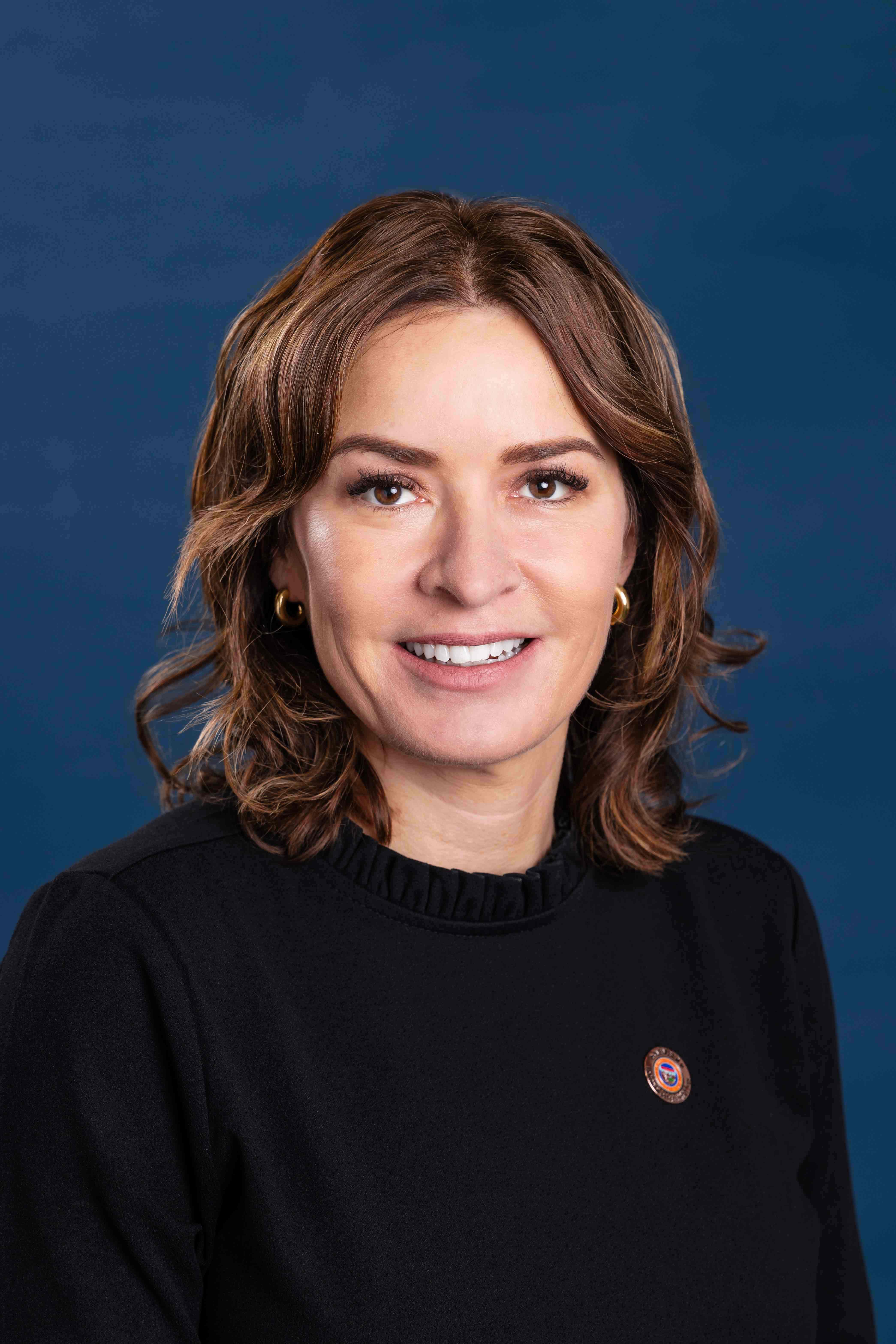
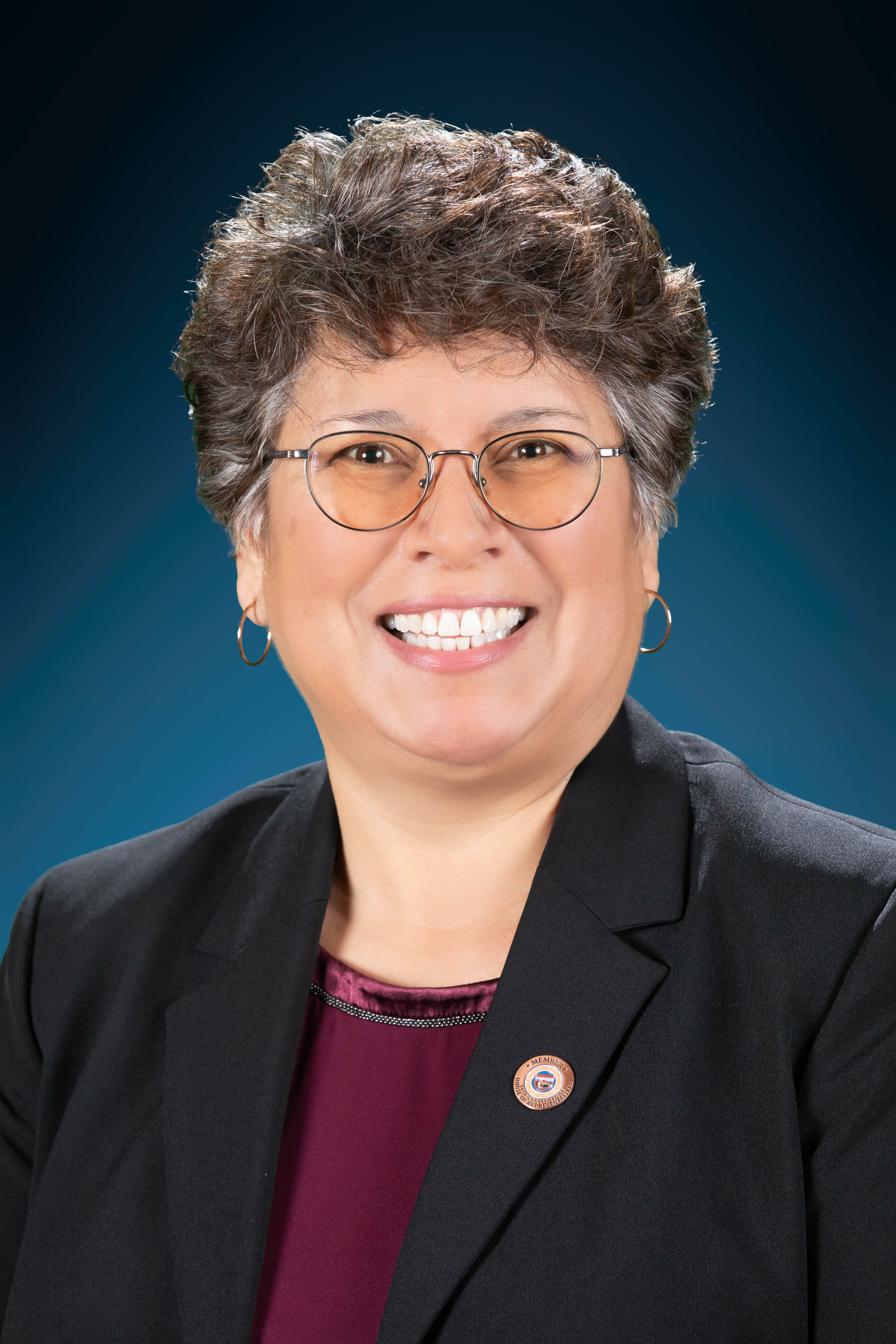
Stephanie Simacek
74% support rate
Top opponent
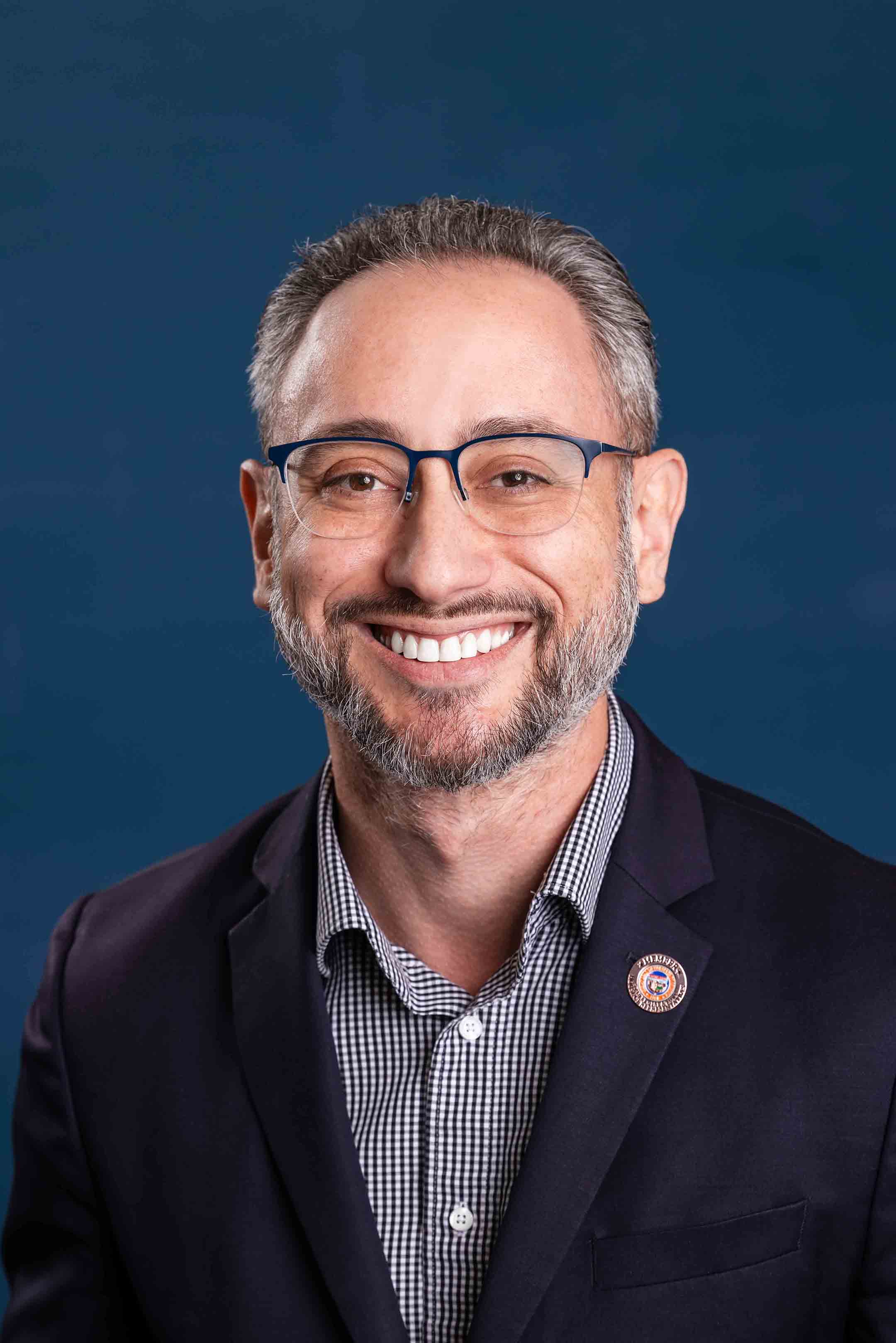
Lupe Diaz
40% support rate
Ranked legislators
10
5 support · 5 oppose
Key legislators

Who's moving criminal justice in Arizona

Legislators moving criminal justice in Arizona
Legislator Party Stance Support rate Votes
Stephanie Simacek
Stephanie Simacek House · District 2
D
Support
74% 166
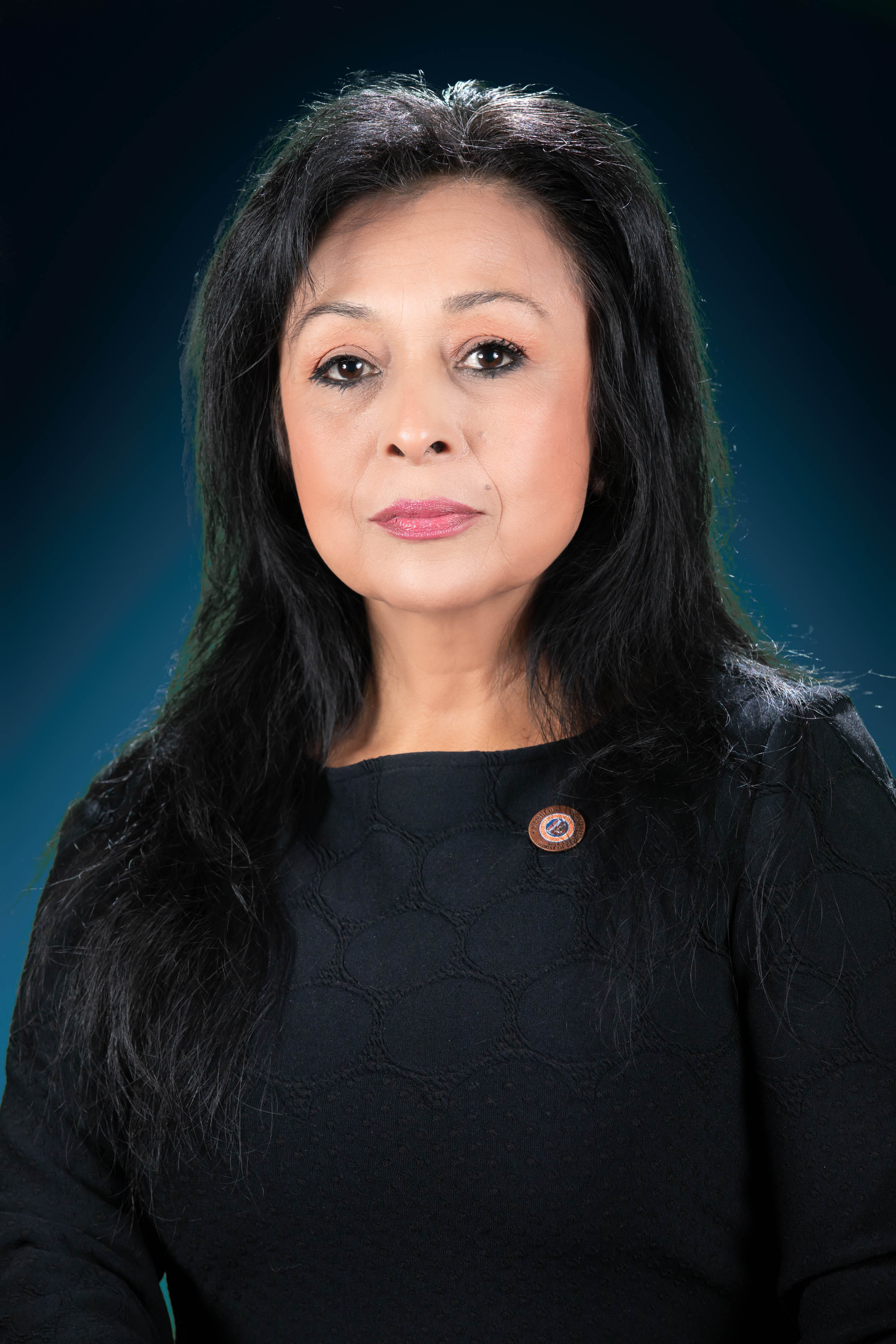
Lydia Hernandez
Lydia Hernandez House · District 24
D
Support
73% 178
Seth Blattman
Seth Blattman House · District 9
D
Support
71% 47
Nancy Gutierrez
Nancy Gutierrez House · District 18
D
Support
71% 126
Patty Contreras
Patty Contreras House · District 12
D
Support
71% 182
Lupe Diaz
Lupe Diaz House · District 19
R
Oppose
40% 191
Jake Hoffman
Jake Hoffman Senate · District 15
R
Mixed −
41% 199
David Livingston
David Livingston House · District 28
R
Mixed −
42% 170
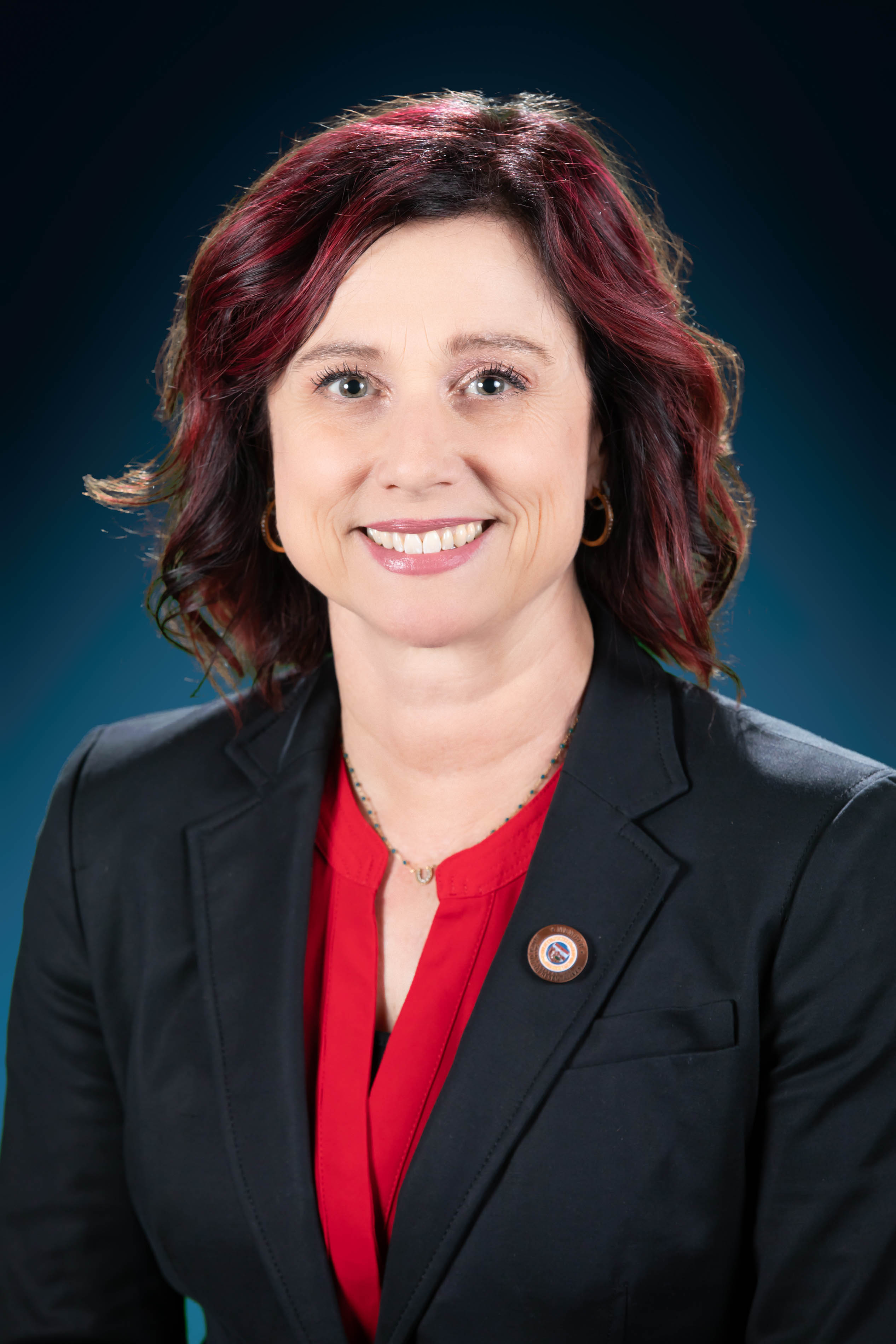
Sally Gonzales
Sally Gonzales Senate · District 20
D
Mixed −
43% 203
Eva Diaz
Eva Diaz Senate · District 22
D
Mixed −
43% 146
Showing 131–140 of 149 bills

All criminal justice bills

introduced · Arizona · House Jan 21, 2026

HB 2475: law enforcement; face coverings; prohibition

HB 2475 prohibits Arizona law enforcement officers from wearing face coverings that conceal their face while on duty, directly affecting all police departments, sheriff's offices, and state law enforcement agencies. It requires each agency to create and publicly post a policy restricting face coverings to specific exceptions: active undercover work (with authorization), tactical operations requiring protective gear, or special weapons teams during active duties. The bill explicitly excludes clear masks, medical masks, safety gear for hazardous conditions, and motorcycle helmets from the prohibition. This law aims to increase officer visibility and public trust during routine interactions.
introduced · Arizona · House Jan 22, 2026

HB 2766: erroneous convictions; compensation; procedures

HB 2766 creates a legal process for individuals wrongfully convicted of felonies to seek state compensation. To qualify, claimants must prove they were innocent (not responsible for their conviction through perjury or evidence fabrication) and that their conviction was overturned, pardoned, or dismissed. Compensation equals 200% of Arizona's median household income per year incarcerated, adjusted for inflation, plus interest. The bill also allows courts to determine if local law enforcement or prosecutors caused the wrongful conviction through "harmful error," making cities/towns liable for their share of damages based on fault percentage.
introduced · Arizona · House Jan 22, 2026

HCR 2026: controlled substances; paraphernalia; probation eligibility

HCR 2026 would allow individuals convicted of personal possession or use of controlled substances or drug paraphernalia to receive probation instead of immediate jail time, requiring participation in drug treatment or education programs. It mandates that courts place offenders on probation with treatment as a condition, and they must pay for programs based on their ability to pay. Exceptions include those convicted of violent crimes, three or more prior drug possession offenses, refusal to participate in treatment, or offenses involving methamphetamine or fentanyl (without a valid medical prescription). This proposal must be approved by Arizona voters to become law, as it is structured as a referendum measure.
in committee · Arizona · Senate Feb 4, 2026

SB 1314: appropriations; criminal justice; salary increases

SB 1314 allocates state funds for salary increases for specific public safety and corrections employees in Arizona for fiscal year 2026-2027. It provides a 14% pay raise for correctional officers in the state Department of Corrections and the Department of Juvenile Corrections, a 10% raise for all Department of Public Safety employees, and a 15% raise for state-funded probation officers and staff at the Administrative Office of the Courts. The bill directs appropriations from the state general fund, though exact dollar amounts are unspecified in the text. This legislation directly affects over 10,000 state employees across these departments through mandated pay adjustments.
introduced · Arizona · Senate Jan 27, 2026

SB 1319: sentence reductions; offenders under twenty-one

SB 1319 allows Arizona courts to reduce prison sentences for individuals convicted of felonies committed before their 21st birthday, provided they have served at least 15 years or 50% of their sentence. Courts must consider factors like the defendant’s youth, rehabilitation, maturity, victim input, and diminished culpability due to age before granting a reduction. The bill prohibits reducing sentences below minimum terms or imposing life sentences, while requiring courts to notify victims and follow victim rights procedures. It directly affects adults convicted as adults for offenses committed under age 21 who meet the service requirements. The bill is currently in early legislative stages (Senate first and second readings).
Sub-Topics Corrections
passed · Arizona · Senate Mar 19, 2026

SB 1234: juvenile court proceedings; appointment; attorney

SB 1234 requires courts in Arizona to appoint attorneys for children in specific juvenile court cases, including delinquency cases involving detention, dependency proceedings, and termination of parental rights. It mandates that attorneys be appointed before the first hearing in delinquency cases and ensures representation for indigent parents seeking counsel. The bill also requires courts to appoint a guardian ad litem (who must be an attorney) in abuse or neglect cases to protect the child’s best interests, and sets deadlines for attorneys to meet with juveniles before key hearings. Counties may fund these appointments, and public defenders may serve in certain cases with court authorization. This law directly affects juveniles, parents, and court staff by standardizing legal representation in critical child welfare and justice proceedings.
introduced · Arizona · House Jan 21, 2026

HB 2571: prohibited weapons; machine guns

HB 2571 allows individuals previously barred from possessing firearms (due to mental health findings or federal restrictions like 18 U.S.C. §922(d)(4)) to petition Arizona courts to restore their gun rights. To qualify, petitioners must provide psychological evidence, prove they pose no danger to public safety, and demonstrate their circumstances have changed. If approved, courts update state and national databases (including the FBI’s background check system) to remove the restriction. This directly affects people classified as "prohibited possessors" under Arizona Revised Statutes §13-3101(A)(7)(a) or federal law, enabling them to legally own firearms again after a court review. The bill does not change gun ownership rules but creates a legal process for restoring rights.
Sub-Topics Courts Firearms
signed · Arizona · House Jun 19, 2026

HB 2265: courts; fees; assessments

HB 2265 prevents courts in Arizona from charging indigent defendants (low-income individuals) fees or requiring repayment for public defender services. It specifically bans administrative assessments of up to $25 and prohibits courts from ordering repayment for legal costs, including in juvenile or mental health proceedings. The bill also establishes new court filing fees for a "fair jury improvement fund" (excluding criminal trial filings), with fees collected to supplement, not replace, existing county funding for public defense. These changes directly affect individuals qualifying for court-appointed counsel under Arizona law.
introduced · Arizona · Senate Jan 20, 2026

SB 1150: family court; judicial training

SB 1150 requires all Arizona family court judges to complete 40 hours of mandatory training on domestic violence, sexual assault, post-traumatic stress disorder, and mental health conditions. This training aims to improve judges' understanding of these issues when handling family court cases. The bill directly affects judges serving in Arizona's family courts by establishing specific educational requirements for their professional development.
passed · Arizona · Senate Mar 26, 2026

SB 1317: appropriation; coordinated reentry program

SB 1317 appropriates $20 million from Arizona’s consumer restitution fund to the Attorney General for grants to counties. These grants fund coordinated reentry planning services programs designed to support individuals transitioning from incarceration back into communities. Counties receiving funds must establish coalitions, hire dedicated jail-based staff, implement a statewide recidivism tracking database, create data-sharing agreements, and use screening tools within a two-year grant cycle. The bill requires grantees to demonstrate these specific program elements and commit to local funding contributions before receiving funds.
Showing 131 to 140 of 149 bills