Maddy summaryHRES 702 is a symbolic resolution condemning the September 10, 2025, assassination of Charlie Kirk, founder of Turning Point USA and a conservative political activist. It expresses condolences to his family, praises first responders, and reaffirms the right to peaceful assembly. As a non-binding resolution, it does not create new laws or policies but serves as a formal statement of condemnation. The resolution directly addresses the House of Representatives' stance on this event, with no direct impact on constituents or legislation.
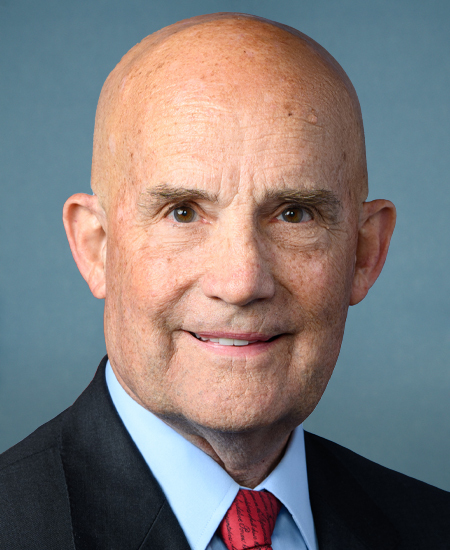
Rep. Keith Self
Sponsored bills
Maddy summaryThis bill requires skilled nursing facilities participating in Medicare and Medicaid to permit immediate visitation by any individual designated by a resident, with no restrictions beyond the resident's right to revoke consent at any time. It directly affects nursing home residents (who gain greater control over visitor access) and the facilities themselves (which must comply with this new rule). The key provision adds a specific requirement to both Medicare and Medicaid regulations, mandating that facilities allow access to at least one designated visitor without any additional limitations. The law does not impose new costs or alter facility operations beyond this visitation standard.
Maddy summaryHR 3592, the Protect LNG Act of 2025, prevents court challenges from halting LNG export permits during litigation. It requires courts to send environmental review disputes back to federal agencies (like the Department of Energy or FERC) instead of canceling permits, and mandates that agencies continue processing all LNG facility applications. The bill also sets a strict 90-day deadline for filing legal challenges after a permit is finalized. This directly affects LNG companies seeking export approvals and federal agencies overseeing these projects.
Maddy summaryHRES 539 is a formal House resolution censuring Representative LaMonica McIver (D-NJ) and removing her from the Committee on Homeland Security. It follows her federal indictment for allegedly assaulting and interfering with Homeland Security Investigations (HSI) officers at a Newark immigration facility on May 9, 2025. The resolution cites House Rule XXIII requiring members to "behave in a manner that shall reflect creditably on the House" and states her continued committee service would create a conflict of interest. The censure requires her to appear in the House well for the formal reading of the resolution. This is a disciplinary measure, not a policy change, based on pending criminal charges.
Maddy summaryThis bill prohibits Members of Congress, their spouses, and dependent children from owning or trading certain investments, including stocks, commodities, and derivatives (referred to as "covered investments"). It requires affected individuals to divest these investments within 90-180 days, with specific exemptions for Treasury bonds, diversified mutual funds, small business interests, and family trusts meeting strict conditions. Violations incur penalties of 10% of the investment's value plus disgorgement of profits, paid directly to the U.S. Treasury. The law applies to all covered individuals during federal service, with exceptions for investments acquired through inheritance or occupational trading (e.g., a spouse’s finance job).
Maddy summaryHR 5108 prohibits U.S. states from receiving federal Edward Byrne Memorial Justice Assistance Grant Program funds if they issue driver licenses to individuals without proof of U.S. citizenship or lawful presence, or if they restrict government entities from sharing immigration enforcement data with Homeland Security. States violating these rules must return unspent federal grant funds within 30 days and remain ineligible for future grants until they pass laws requiring driver license eligibility proof and permitting immigration data sharing. The bill directly affects states that currently issue licenses to undocumented immigrants or block information sharing with federal immigration authorities. It imposes concrete financial penalties rather than altering driver licensing rules themselves.
Maddy summaryHR 5116, the "Empower Parents to Protect their Kids Act," requires all K-12 schools receiving federal funds to obtain parental consent before accommodating a student's gender identity that differs from their sex assigned at birth. The bill prohibits schools from changing student names/pronouns, facilitating gender transition, hiding such information from parents, or encouraging gender transition without parental involvement. Schools must publicly post policies ensuring compliance and provide written policies to families. Parents or the Attorney General can sue schools for violations, seeking injunctions, fees, or compensation for harm caused by unconsented gender transition efforts.
Maddy summaryH.J.Res. 118 is a symbolic resolution proposing that September 12, 2025, be designated as "The Day of the Bible" in the U.S. It does not create new laws or affect specific groups. The resolution asks Congress to express support for the designation and encourages schools, civic groups, and communities to hold educational activities about the Bible's historical role. It also requires the President to issue an annual proclamation for this day, recognizing the 1782 approval of the Aitken Bible as a milestone in American history. The bill is purely ceremonial with no legal obligations.
Maddy summaryHRES 670 is a symbolic resolution (not a law) expressing congressional support for designating September 22 as "National Military and Veterans Suicide Awareness Day." It aims to raise public awareness about mental health challenges and suicide prevention within military service members and veterans, acknowledging their sacrifices and the need to reduce stigma around seeking help. The resolution does not create new programs, allocate funding, or change existing policies - it simply encourages national attention during Suicide Prevention Awareness Month in September. This designation directly affects the military and veteran communities by promoting dialogue about their mental health needs.
Maddy summaryHR 5075, the GRACE Act, requires schools receiving federal education funds to allow religious exemptions from vaccination requirements without requiring documentation. It directly affects K-12 public schools and school agencies that receive federal funding, as they must permit students (or their parents/guardians for minors under 18) to skip vaccinations based on religious belief. The key provision mandates that schools cannot demand proof of a religious belief to grant such exemptions. This changes how schools handle vaccination policies for enrollment, attendance, and school activities when receiving federal education dollars.