Issue · Transportation

Transportation

Every transportation bill, vote, and legislator stance in Alabama, automatically classified by Maddy, our AI policy reader.

Total bills
54
119th Congress
Top supporter
Robert B. Aderholt
60% support rate
Top opponent
Tommy Tuberville
33% support rate
Ranked legislators
9
4 support · 5 oppose
Key legislators

Who's moving transportation in Alabama

Legislators moving transportation in Alabama
Legislator Party Stance Support rate Votes
Robert B. Aderholt
Robert B. Aderholt House · District 4
R
Support
60% 119
Mike Rogers
Mike Rogers House · District 3
R
Support
60% 123
Dale W. Strong
Dale W. Strong House · District 5
R
Mixed
57% 118
Gary J. Palmer
Gary J. Palmer House · District 6
R
Mixed
53% 122
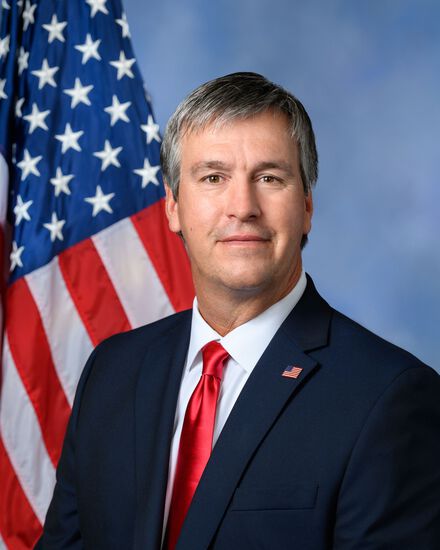
Tommy Tuberville
Tommy Tuberville Senate
R
Oppose
33% 148
Katie Boyd Britt
Katie Boyd Britt Senate
R
Oppose
35% 150
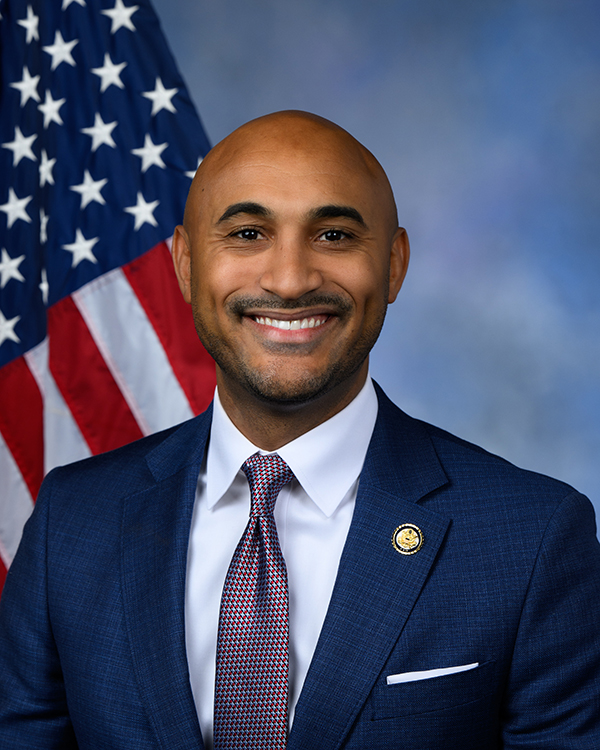
Shomari Figures
Shomari Figures House · District 2
D
Mixed −
43% 120
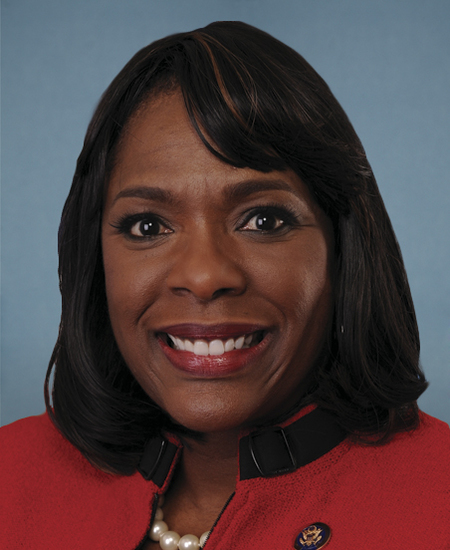
Terri A. Sewell
Terri A. Sewell House · District 7
D
Mixed −
47% 121
Barry Moore
Barry Moore House · District 1
R
Mixed −
47% 121
Showing 1–10 of 54 bills

All transportation bills

in committee · United States · House Sep 2, 2026

HR 10237: REVOKE Act

The REVOKE Act requires trucking companies and other commercial vehicle operators to maintain an active USDOT number in order to legally conduct business. It prohibits employers from operating without this active status and mandates that the Department of Transportation only issue numbers after verifying all registration requirements are met. Additionally, the bill directs officials to immediately deactivate any USDOT number if a company lacks valid registration or fails to submit required periodic updates.
Sub-Topics Freight
in committee · United States · House Jul 23, 2026

HR 9896: WINGS Act of 2026

The WINGS Act of 2026 expands federal financial aid eligibility to cover specific aviation training expenses for students enrolled in qualifying aviation programs at colleges and universities. Under this bill, students could use federal funds to pay for costs such as flight simulator hours, aircraft instruction, aviation training materials, and licensing exam fees. The legislation defines eligible programs as those offering associate's or bachelor's degrees in aviation-related fields and includes professional degree programs that meet specific regulatory training standards. These changes would take effect on July 1, 2027, allowing students to access financial support for practical aviation training components starting with the 2027-2028 award year.
in committee · United States · House Jun 15, 2026

HR 9320: All in For Attendance Act

The All in For Attendance Act aims to reduce chronic student absenteeism by requiring schools to implement specific support strategies for students missing 10 percent or more of school days. It mandates the creation of data systems to track attendance reasons, establishes advisory programs to engage families, and requires schools to partner with community organizations to remove barriers like transportation or health issues. The legislation also prohibits schools from using suspensions, fines, or academic penalties as punishment for student absences. Additionally, it directs funds toward evidence-based interventions such as social and emotional learning programs, restorative justice, and high-impact tutoring to improve student engagement and attendance.
in committee · United States · House Jun 24, 2026

HR 9250: Great American Outdoors Act 250

This bill redesignates the existing National Parks and Public Land Legacy Restoration Fund as the America's Legacy Restoration Fund to address deferred maintenance on federal lands. It directs revenue from recreation fees and a portion of energy development income into the fund, which must be used primarily for repairing critical infrastructure like roads, trails, and buildings managed by agencies such as the National Park Service and the Forest Service. The legislation establishes strict rules requiring that most funds go toward non-transportation projects, mandates transparency through public dashboards tracking project status, and sets aside a small percentage for matching private donations. Additionally, the bill increases entrance fees for foreign visitors to ensure they contribute to the fund, while prohibiting the use of these specific funds for land acquisition or employee bonuses.
in committee · United States · House May 26, 2026

HR 9036: American High-Speed Rail Act

The American High-Speed Rail Act expands federal funding and streamlines regulations to support the development of high-speed and higher-speed rail projects across the United States. It authorizes billions of dollars in grants for corridor planning, technology improvements, and construction, while allowing the federal government to cover up to 100% of project costs under specific conditions. The bill also introduces new provisions to facilitate land acquisition, prioritize border projects, and extend labor protections to workers involved in federally funded rail infrastructure. Additionally, the legislation defines higher-speed rail as trains traveling between 110 and 186 miles per hour and includes tax incentives for rail carriers that sell or lease property to support these projects.
Sub-Topics Rail
in committee · United States · House Jun 8, 2026

HRES 1349: Expressing support for the designation of the week of May 31 through June 6, 2026, as "Our Roads, Our Safety Week".

This resolution expresses support for designating the week of May 31 through June 6, 2026, as "Our Roads, Our Safety Week." It directly affects all road users, including drivers of cars, trucks, buses, bicycles, and pedestrians, by highlighting shared responsibilities for road safety. The bill recognizes the Federal Motor Carrier Safety Administration's campaign aimed at reducing crashes involving large commercial vehicles through increased public awareness. It encourages government agencies to continue their outreach efforts and urges the public to learn specific safety rules for sharing the road with large trucks and buses.
passed · United States · House Jul 14, 2026

HR 8770: SAFEGUARDS Act of 2026

The SAFEGUARDS Act of 2026 directs that money collected from the 9/11 Security Fee must be used exclusively for aviation security improvements rather than other government purposes. Starting in fiscal year 2027, the law creates two separate funds: one to cover general security operations and another specifically for purchasing and installing new checkpoint technology at airports. The Transportation Security Administration will manage these funds to pay for screening upgrades, security equipment, and related personnel support, ensuring the fee directly benefits aviation safety.
Sub-Topics Procurement Airports
in committee · United States · House Jan 21, 2026

HR 7169: UBER Act

The UBER Act establishes new federal requirements for ride-sharing and shared-transportation companies to receive government contracts. To qualify, every driver must be at least 21 years old, hold a valid license from a single state, pass a road test, and demonstrate sufficient English proficiency to communicate with the public and read traffic signs, with an exception for drivers who use American Sign Language. Companies that fail to certify that all their drivers meet these standards will be banned from federal contracts for five years.
in committee · United States · House May 15, 2026

HR 8864: LIFT Act

The LIFT Act creates a new tax incentive for states and municipalities by allowing them to receive a direct credit from the federal government on interest payments made for specific infrastructure bonds. To qualify for this credit, the bonds must be used entirely for capital projects or maintenance, and the interest would normally be tax-exempt, with the credit amount varying by the bond's maturity date. The legislation also clarifies rules for refinancing these bonds and adjusts tax limits for financial institutions that issue certain types of tax-exempt debt. These changes are designed to lower the cost of borrowing for local infrastructure projects while maintaining strict guidelines on how the funds can be used.
in committee · United States · House Apr 16, 2026

HR 8362: Transit Workforce Development Act

The Transit Workforce Development Act expands how federal grants for buses and bus facilities can be used for workforce training. It increases the portion of these grants that transit agencies can dedicate to workforce development from 5% to 10% of the allocated funds. Additionally, the bill broadens the types of training eligible for these funds, allowing them to cover all buses, related equipment, and facility construction,
Showing 1 to 10 of 54 bills
1 2 3 6 Next