Issue · Budget & Taxes

Budget & Taxes

Every budget & taxes bill, vote, and legislator stance in Alabama, automatically classified by Maddy, our AI policy reader.

Total bills
37
119th Congress
Top supporter
Barry Moore
82% support rate
Top opponent
Terri A. Sewell
22% support rate
Ranked legislators
9
5 support · 4 oppose
Key legislators

Who's moving budget & taxes in Alabama

Legislators moving budget & taxes in Alabama
Legislator Party Stance Support rate Votes
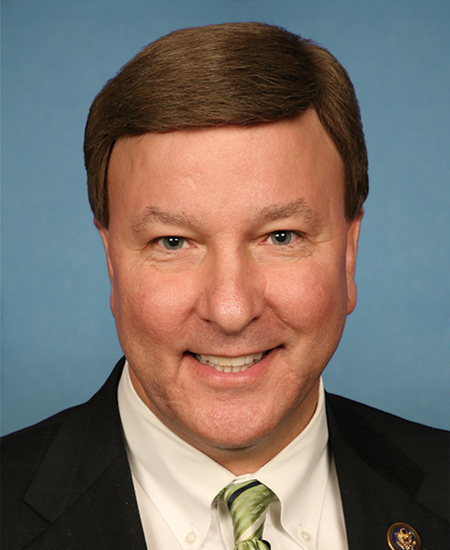
Barry Moore
Barry Moore House · District 1
R
Strong +
82% 185
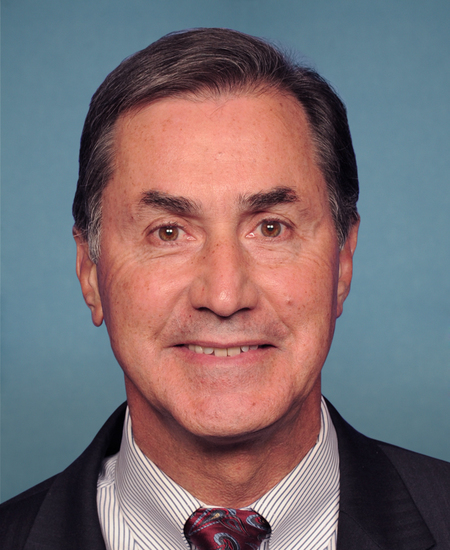
Gary J. Palmer
Gary J. Palmer House · District 6
R
Support
73% 185
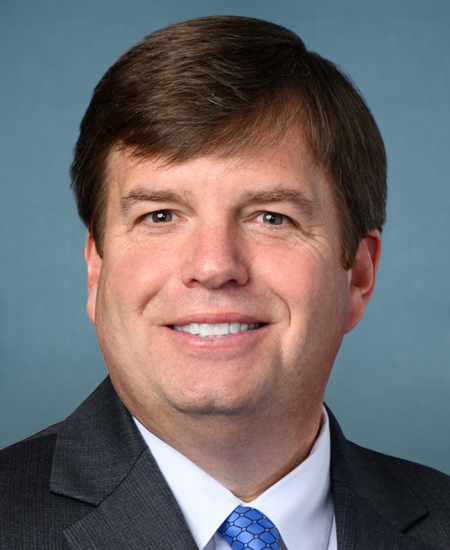
Robert B. Aderholt
Robert B. Aderholt House · District 4
R
Support
63% 184
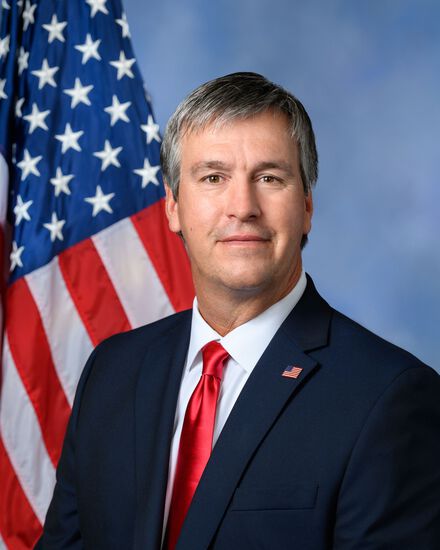
Dale W. Strong
Dale W. Strong House · District 5
R
Support
63% 183
Mike Rogers
Mike Rogers House · District 3
R
Support
61% 183
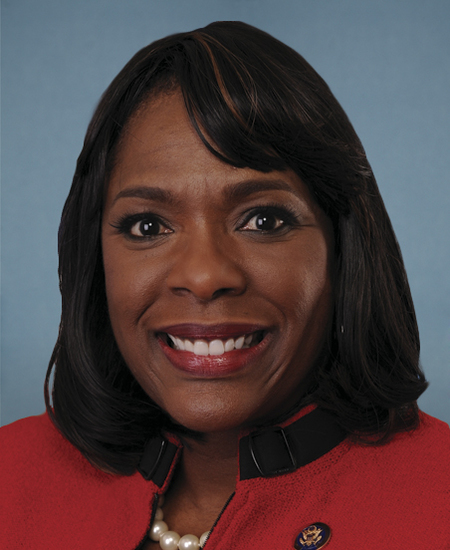
Terri A. Sewell
Terri A. Sewell House · District 7
D
Oppose
22% 185
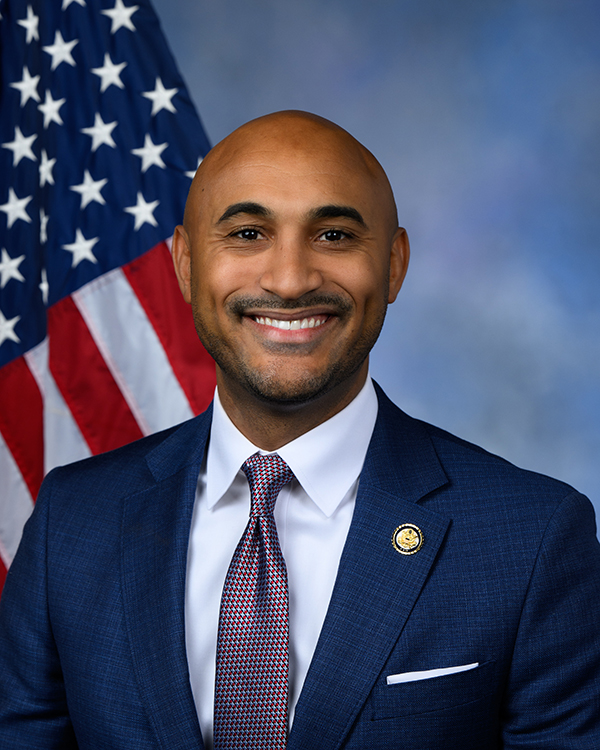
Shomari Figures
Shomari Figures House · District 2
D
Oppose
22% 183
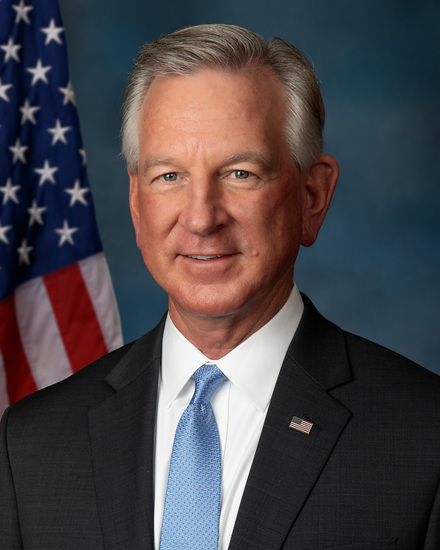
Tommy Tuberville
Tommy Tuberville Senate
R
Oppose
31% 266
Katie Boyd Britt
Katie Boyd Britt Senate
R
Oppose
33% 272
Showing 1–10 of 37 bills

All budget & taxes bills

in committee · United States · Senate Aug 3, 2026

S 5209: PERFORM Act

The PERFORM Act restricts the ability to award bonuses and other performance-based compensation to the Postmaster General of the United States Postal Service under specific conditions. These restrictions apply if the Postal Service runs a budget deficit, fails to meet nationwide service targets, receives a negative financial audit opinion, or does not submit a required annual report to Congress. The bill mandates that the Postmaster General provide a detailed report each year outlining compensation paid to senior executives, the metrics used to justify those payments, and data on financial and service performance. Additionally, the Postal Service Inspector General is required to review these annual reports to ensure compliance with the new reporting and compensation rules.
in committee · United States · House Jul 16, 2026

HR 9731: No GRIFT Act of 2026

The No GRIFT Act of 2026 prohibits the Department of Justice from awarding grants to certain nonprofit organizations in a given fiscal year. To qualify for a grant, a nonprofit must certify that it is not a "covered nonprofit," which is defined as an organization where over 50% of its recent revenue came from DOJ grants and where it paid an officer or employee more than the Attorney General's annual salary. This provision directly affects 501(c)(3) organizations that have received significant federal funding and have high executive compensation, requiring them to disclose their financial history before applying for new grants.
in committee · United States · House Jul 22, 2026

HR 9720: D.C. Taxing Authority Review Act

This bill, known as the D.C. Taxing Authority Review Act, modifies the rules for how new taxes and fees proposed by the District of Columbia government are reviewed by Congress. It requires that any D.C. law imposing or increasing a tax or fee must receive explicit approval from a joint resolution passed by both the House of Representatives and the Senate within 60 days, or else the law will not take effect. Additionally, the bill limits the time for debating these specific approval resolutions to one hour, split evenly between supporters and opponents. These changes directly affect the District of Columbia government's ability to enact new financial measures without prior congressional consent.
in committee · United States · House Jun 11, 2026

HR 9289: Keep Public Funds in Public Schools Act of 2026

The Keep Public Funds in Public Schools Act of 2026 eliminates a federal tax credit that allowed parents to deduct contributions to scholarship granting organizations from their income. By removing these specific tax breaks, the bill prevents the use of public tax dollars to support private school vouchers and scholarship programs. This change directly affects families who currently rely on these tax incentives to fund education outside the public school system. The provisions take effect for taxable years beginning after December 31, 2026.
in committee · United States · House May 20, 2026

HR 8921: Freedom from Taxes Act of 2026

The Freedom from Taxes Act of 2026 eliminates federal transfer and making taxes on firearms, which directly affects individuals buying or manufacturing guns. By setting these specific taxes to zero, the bill removes the $200 fee previously required when transferring or making certain firearms. The law also adds a time limit to a special tax, ensuring it no longer applies to years beginning after the bill takes effect. These changes would become active on the first day of the first calendar quarter starting more than 90 days after the legislation is signed into law.
in committee · United States · Senate Sep 2, 2025

S 2067: Rescissions Act of 2025

S 2067, the Rescissions Act of 2025, cancels over $7.6 billion in unobligated foreign aid funds that were previously allocated but not spent. It directly affects U.S. international programs by permanently rescinding unused balances across multiple categories, including contributions to international organizations, global health initiatives, refugee assistance, economic support, and disaster aid. The bill targets specific line items from the 2024 and 2025 appropriations acts, such as $2.5 billion for Development Assistance and $800 million for Migration and Refugee Assistance. These rescissions take effect immediately upon the bill’s enactment, reducing available funding for these programs without altering their underlying policy structure.
in committee · United States · House Mar 5, 2026

HR 7843: No Free Rides Act of 2026

This bill, known as the No Free Rides Act of 2026, would prohibit federal public transportation funding recipients from offering universal free fare policies that allow all riders to use transit services without paying. The law would still permit targeted fare policies that provide free or reduced-cost rides for specific groups such as seniors, low-income riders, students, or employees with employer-paid agreements. Additionally, the Secretary of Transportation could grant waivers if a transit agency can demonstrate a dedicated non-federal revenue source to support universal free fare programs. The measure directly affects public transportation agencies that receive federal assistance under Title 49 of the United States Code.
in committee · United States · House Jan 9, 2025

HR 272: Protecting Life and Taxpayers Act of 2025

HR 272, the Protecting Life and Taxpayers Act of 2025, prohibits federal funding (directly or indirectly) to any organization that performs or funds abortions, requiring certification from all recipients. This applies to entities receiving federal funds, including contractors and subsidiaries, with limited exceptions for pregnancies resulting from rape or incest, or when a physician certifies a life-threatening condition. The bill directly affects healthcare providers, clinics, and organizations that rely on federal grants or contracts. It changes existing funding rules by banning federal money from supporting abortion services, except in the specified medical or criminal exceptions.
Sub-Topics Women's Health
in committee · United States · House Jan 16, 2025

HR 524: NO GOTION Act

HR 524, the "NO GOTION Act," blocks U.S. green energy tax credits for companies tied to specific countries. It amends tax law to deny benefits under sections like 30C, 45, and 48 to any "disqualified company" - defined as entities created in, controlled by, or linked to China, Russia, Iran, or North Korea. The law directly affects corporations with ties to these nations that seek federal tax incentives for clean energy projects. The policy takes effect for tax years after the bill's enactment, removing eligibility for these companies without altering other tax rules.
passed · United States · House Jan 13, 2026

HR 909: Crime Victims Fund Stabilization Act of 2025

HR 909, the Crime Victims Fund Stabilization Act of 2025, modifies how funds from the False Claims Act are deposited into the Crime Victims Fund. It specifies that from 2025 through 2029, certain False Claims Act proceeds (specifically those for qui tam plaintiff payments and government damage reimbursements) cannot be deposited into the fund. This change directly affects the composition of the Crime Victims Fund by excluding these specific revenue streams during the specified period. The bill does not create new benefits or alter victim services; it only adjusts fund allocation rules for existing False Claims Act revenues.
Sub-Topics Victims' Rights
Showing 1 to 10 of 37 bills
1 2 3 4 Next