

Maddy summaryThis bill reauthorizes and expands the Accelerating Access to Critical Therapies for ALS Act through 2031, extending funding for research into treatments for amyotrophic lateral sclerosis. It requires drug manufacturers to share interim clinical trial data with the FDA to better assess the progress of investigational drugs and clarifies that phase 3 clinical trial definitions include combined phase 2/3 trials and planned trials not yet enrolling participants. The legislation also mandates the FDA to publish an updated five-year action plan for ALS and other rare neurodegenerative diseases, including resource needs and coordination strategies with broader disease communities. Additionally, the bill requires the Government Accountability Office to submit a report on the program's implementation four years after enactment.
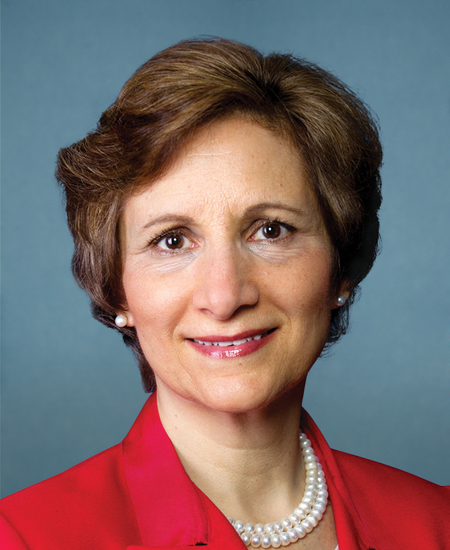
Rep. Suzanne Bonamici
Sponsored bills
Maddy summaryThis bill expands federal election laws to prevent foreign nationals from influencing U.S. elections by tightening restrictions on domestic companies with significant foreign ownership or control. It requires businesses that are at least 50% owned by foreign individuals, or those with specific foreign influence, to file a sworn certification proving they are not foreign-controlled before making any political donations or spending money on election activities. Additionally, the law clarifies that these rules apply to state and local ballot initiatives and mandates that corporate political action funds certify their managers and board members are U.S. citizens or permanent residents. The legislation also prohibits recipients of funds from these businesses from using the money for further political contributions unless they receive and verify the required compliance certification.
Maddy summaryThe Right to Learn Act of 2026 creates a grant program to help schools and community organizations support students and staff affected by immigration enforcement actions. Funds awarded by the Department of Education can be used to hire trauma-informed counselors, provide emergency assistance like food and legal referrals, and train educators on culturally responsive care. The bill strictly prohibits schools from collecting or sharing personal data about a student's immigration status and forbids denying services based on that status. Eligible recipients include public schools, early childhood programs, universities, and legal service providers, with a total funding authorization of $250 million over five years.
Maddy summaryThis concurrent resolution formally recognizes the persistent wage gap between Black women and white, non-Hispanic men in the United States. It highlights data showing that Black women earn significantly less than their male counterparts and reaffirms Congress's support for existing laws that prohibit pay discrimination based on sex or race. The document does not create new laws or change policy but serves as a symbolic statement to raise awareness about the economic disparities faced by Black women.
Maddy summaryThe No Passes for Polluters Act of 2026 requires Congress to explicitly approve any exemptions from Clean Air Act regulations before the President or federal agencies can use them. Under this bill, the President must submit a detailed message to both houses of Congress explaining the reasons and facts behind any proposed exemption, which then triggers a special legislative process. To pass such an exemption, a joint resolution must be approved by a two-thirds vote in both the Senate and the House of Representatives, with limited debate and no amendments allowed. Additionally, the Comptroller General will review these proposals to ensure they have legal authority, and any unauthorized use of exemptions could lead to civil lawsuits. The legislation also mandates that the President reconsider certain executive branch emissions regulations every three years.
Maddy summaryThe Supporting Grandfamilies Act of 2026 authorizes $10 million in federal funding to establish a National Technical Assistance Center focused on grandfamilies and kinship families. This center will provide training, resources, and coordination support to organizations serving families where the primary caregiver is age 55 or older, or where a child has a disability. The legislation requires the center to be run by a nonprofit organization with proven expertise in child welfare and experience engaging these families in program design. Funding is intended to help community groups and government programs improve services for children, caregivers, and parents within these family structures.
Maddy summaryThe Whale CHARTS Act of 2026 establishes a program to protect migratory whales and other large cetaceans through improved mapping, monitoring, and mitigation measures. It requires the creation of detailed, high-resolution maps of whale habitats, including calving grounds and migration routes, which will be integrated into vessel navigation systems to prevent collisions. The bill authorizes $8 million annually through 2030 for mapping, surveys, and a $10 million grant program to fund new detection technologies that reduce harmful interactions between whales and ocean users. It also mandates regular reporting to Congress on the program's effectiveness and progress in filling knowledge gaps about whale habitats.
Maddy summaryThe AADAPT Act reauthorizes and expands Project ECHO grants to improve Alzheimer’s and dementia care through technology-enabled training. It specifically funds grants for healthcare providers in rural, frontier, or medically underserved areas to enhance early diagnosis, quality care, and provider retention for dementia patients. The bill authorizes $1 million annually (2027-2032) for these dementia-focused training programs, requiring funds to supplement - not replace - existing resources. This directly supports primary care providers licensed to serve underserved communities, using collaborative online learning to address care gaps.
Maddy summaryThe Stop CHEATERS Act directs the Internal Revenue Service to increase its enforcement efforts against high-income individuals and large corporations by allocating billions of dollars in additional funding for tax audits, criminal investigations, and taxpayer services through fiscal year 2031. A significant portion of this funding is designated for modernizing the IRS's technology and business systems to improve its ability to detect fraud and noncompliance. The legislation also requires the IRS Commissioner to submit regular reports to Congress detailing plans to shift auditing resources toward wealthy taxpayers and analyzing how much unpaid tax is owed by different income groups.