Accelerating Access to Critical Therapies for ALS Reauthorization Act of 2026
What changed between versions
The funding authorization period for ALS research grants is extended from 2026 to 2031.
A 'sense of Congress' provision expressing support for directly appropriating funds to carry out each section of the Accelerating Access to Critical Therapies for ALS Act was removed entirely.
The grant renewal review process was simplified and broadened: instead of a two-part structure focused on enrollment data and interim clinical trial data, the Secretary must now request and assess enrollment, safety, and any available efficacy data from the manufacturer or sponsor.
A new provision requires entities seeking grants to promptly report any new and serious adverse events and unexpected safety information related to phase 3 trials to the grant-making institution, in addition to existing FDA safety reporting obligations under 21 CFR 312.32.
The definition of 'phase 3' for qualifying clinical trials was narrowed: it no longer includes a planned phase 3 trial that is not yet enrolling participants, and the inclusion of phase 2/3 combined trials now requires that enrollment begin within a timeframe determined by the Secretary through grant terms and conditions.
The FDA action plan reporting was restructured: instead of a single comprehensive report due 1 year after enactment covering both future plans and past performance under the 2022 Action Plan, there are now two separate deliverables - an action plan due within 18 months and a follow-up report due within 5 years. Detailed requirements about resources, coordination with non-ALS communities, and assessment of the 2022 Action Plan were removed.
A requirement for the GAO to submit a report to Congress within 4 years containing analyses and data described in section 6 of the original Act was removed entirely.
How they voted
Actions timeline
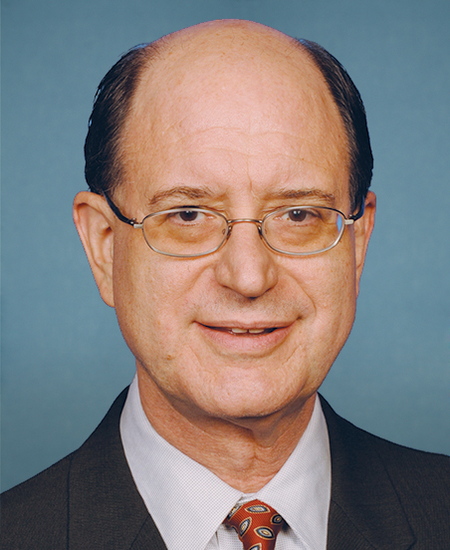
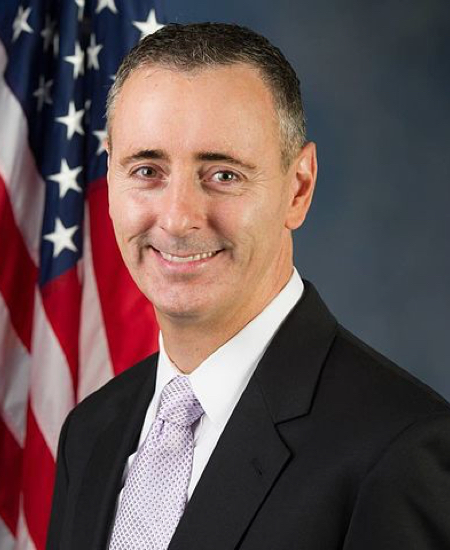
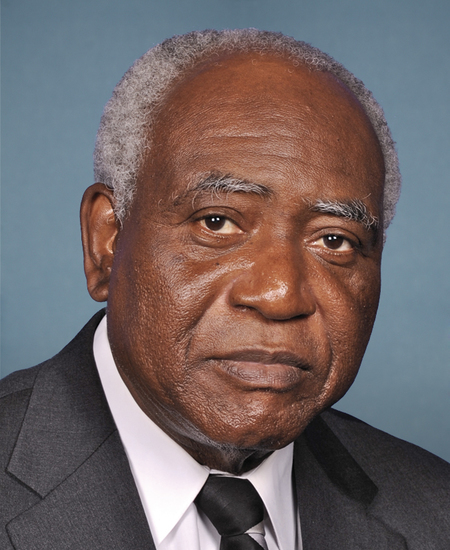
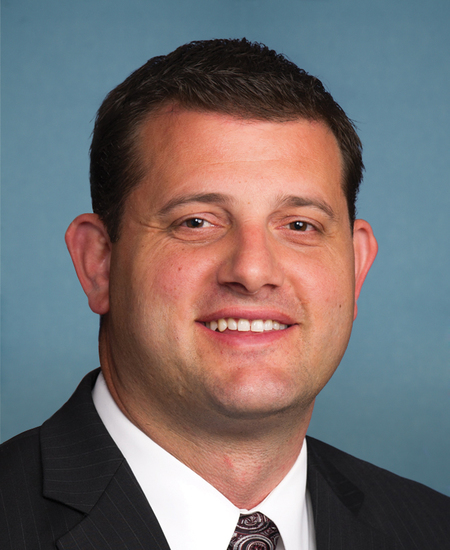
Sponsors