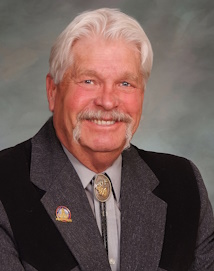
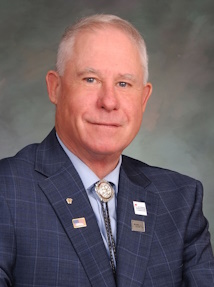
Key legislators
Who's moving law enforcement in Wyoming
Showing 4 of 4
bills
All criminal justice bills
Wyoming's SF 85 (RAVEN Act) creates a dedicated funding account for the state's Internet Crimes Against Children (ICAC) task force, directly supporting law enforcement efforts to investigate and combat online child exploitation. The bill appropriates $1.6 million from the general fund (2026-2028) to sustain the ICAC program, with funds continuously available for investigations, victim assistance, and public education on internet safety. All money in the account must be used solely by the Division of Criminal Investigation to address internet crimes against children, with no funds allowed to lapse or transfer to other purposes. The account will accept additional grants or donations, ensuring stable, long-term resources for this critical law enforcement work.
HB 98 amends Wyoming law to add criminal penalties for violating the Prohibit Red Flag Gun Seizure Act. It makes knowingly violating this law a misdemeanor punishable by up to one year in jail, a $2,000 fine, or both. The bill directly affects individuals who improperly seize firearms under the red flag law, such as law enforcement or officials acting outside legal authority. The law takes effect on July 1, 2026, and does not change the underlying red flag seizure procedures.
Wyoming's HB 181 prohibits all state and local government entities from using biometric data (like facial recognition or fingerprints) to identify people or verify identities, geolocation data to track individuals or vehicles, and automatic license plate reader systems for vehicle identification or toll collection. The bill requires governments to adopt compliance policies, creates a civil lawsuit option for violations, and amends the Wyoming Governmental Claims Act to address liability. It specifically excludes school bus cameras, anonymized health data, and certain utility infrastructure from the restrictions. The law directly affects all state agencies, counties, cities, and law enforcement entities by restricting their use of these surveillance technologies. The bill is currently in early procedural stages and has not advanced beyond introduction.
Wyoming's HB 28 amends the legal definition of "explicit sexual conduct" under the state's child exploitation law. It adds specific examples like bestiality, masturbation, and sadistic/masochistic abuse to the existing definition, clarifying what constitutes the crime. This change directly affects law enforcement and prosecutors handling child exploitation cases by providing a more detailed standard for charging offenders. The updated definition takes effect on July 1, 2026.