Issue · Technology

Technology

Every technology bill, vote, and legislator stance in Wisconsin, automatically classified by Maddy, our AI policy reader.

Total bills
126
2025-2026 Regular Session
Top supporter
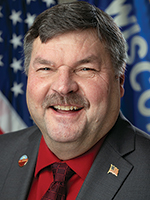
Rob Swearingen
83% support rate
Top opponent
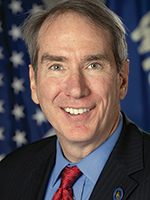
Jodi Habush Sinykin
17% support rate
Ranked legislators
10
5 support · 5 oppose
Key legislators

Who's moving technology in Wisconsin

Legislators moving technology in Wisconsin
Legislator Party Stance Support rate Votes
Rob Swearingen
Rob Swearingen House · District 34
R
Strong +
83% 65
Shannon Zimmerman
Shannon Zimmerman House · District 30
R
Strong +
82% 54
Dave Maxey
Dave Maxey House · District 83
R
Strong +
82% 63
Will Penterman
Will Penterman House · District 38
R
Strong +
82% 61
Scott Allen
Scott Allen House · District 82
R
Strong +
82% 59
Jodi Habush Sinykin
Jodi Habush Sinykin Senate · District 8
D
Strong −
17% 42
Tim Carpenter
Tim Carpenter Senate · District 3
D
Strong −
17% 42
Kelda Roys
Kelda Roys Senate · District 26
D
Strong −
17% 40
Jamie Wall
Jamie Wall Senate · District 30
D
Strong −
17% 42
Chris Larson
Chris Larson Senate · District 7
D
Strong −
17% 42
Showing 71–80 of 126 bills

All technology bills

failed · Wisconsin · Senate Mar 23, 2026

SB 651: Relating to: prohibiting critical telecommunications infrastructure from including equipment manufactured by a foreign adversary. (FE)

SB 651 prohibits telecommunications providers in Wisconsin from using critical infrastructure equipment made by "foreign adversaries" (as defined by federal law) or equipment banned by the federal government under 47 USC 1601. It directly affects telecom providers, requiring them to remove existing prohibited equipment by a specified date and cease purchasing such equipment going forward. The bill mandates annual certification of compliance, public reporting of equipment locations and replacement plans, and requires the Public Service Commission to publish a public map and annual report to the legislature. These provisions align with federal actions under the Secure and Trusted Communications Networks Act (47 USC 1601 et seq.) to address national security risks in telecommunications infrastructure.
Sub-Topics Telecommunications
failed · Wisconsin · Assembly Mar 23, 2026

AB 113: Relating to: sharing minors’ safety plans. (FE)

AB 113 creates a secure online portal for sharing minors' crisis safety plans between authorized organizations. It allows minors (12+ years old) to create written plans with a facilitator, including details like emergency contacts, de-escalation strategies, and what to tell first responders during mental health or behavioral crises. Minors must sign a release form agreeing to share their plan only with designated safety partners (like schools, hospitals, or police) via the portal, which expires after one year. The portal will enable real-time access for crisis response while requiring strict confidentiality and minor consent, directly affecting minors with behavioral health needs and the agencies supporting them.
vetoed · Wisconsin · Assembly May 13, 2026

AB 105: Relating to: the distribution of certain material on the Internet.

AB 105 requires business entities (like websites or platforms) distributing material harmful to minors to verify users' ages using approved methods before granting access. It applies specifically to sites containing a "substantial portion" (over one-third) of such material, defined as content with sexual depictions, prurient appeal, or lacking literary/artistic value for minors. The bill exempts bona fide news organizations and internet service providers from these requirements. Violations could result in civil lawsuits seeking damages, while the bill also bans publishing obscene material involving children or obscene content online.
failed · Wisconsin · Senate Mar 23, 2026

SB 519: Relating to: the operation of drones over school property and providing a penalty.

SB 519 prohibits unauthorized drone operation over school property, including public, private, and tribal schools, as defined in the bill. Exceptions allow drone use with school board authorization or for specific law enforcement purposes like search/rescue operations, locating escaped prisoners, or preventing imminent danger. Violations carry a $5,000 penalty, and law enforcement must seize drone footage related to violations for transfer to the appropriate agency. The bill directly affects drone operators near schools and clarifies enforcement procedures for such incidents.
Sub-Topics Emerging Technology
failed · Wisconsin · Assembly Mar 23, 2026

AB 142: Relating to: algorithmic software for residential housing, and providing a penalty.

AB 142 prohibits landlords and software providers from using algorithmic software to set rents or occupancy rates based on private competitor data (like unpublicized rent or occupancy details). It directly affects residential landlords, property management companies, and software vendors selling such tools. The bill bans both selling/licensing the software and using it for rent decisions, with penalties of up to $1,000 per violation per rental unit. Tenants may also sue for damages or injunctive relief, while exemptions cover aggregated rental data publications and affordable housing tools.
failed · Wisconsin · Senate Mar 23, 2026

SB 244: Relating to: modifying the sales and use tax exemption for qualified data centers. (FE)

SB 244 modifies the state's sales and use tax exemption for qualified data centers. It redefines "qualified data center" to require buildings housing server computers for processing, storing, or managing data, and explicitly allows centers to provide space, utilities, and infrastructure services to tenants. The bill specifically excludes cryptocurrency-related operations (like blockchain verification) from qualifying for the tax exemption. This change directly affects data center operators and businesses that rent space or services within these facilities by altering which facilities qualify for tax savings.
failed · Wisconsin · Assembly Mar 23, 2026

AB 278: Relating to: grants to law enforcement agencies for data-sharing platforms.

AB 278 creates a grant program for law enforcement agencies to purchase data-sharing platforms that integrate real-time data from multiple systems, eliminate duplicate records, and provide secure, customizable search and analytics tools. The bill specifies that platforms must meet 11 detailed requirements, including secure access controls, compatibility with existing systems, compliance with data security standards, and retention of agency data ownership. The Department of Justice will award grants using up to $2 million annually from state funds to support this initiative. This bill directly affects local and state law enforcement agencies seeking to upgrade their data-sharing capabilities.
failed · Wisconsin · Assembly Mar 23, 2026

AB 447: Relating to: the use of videoconferencing technology in certain civil actions.

AB 447 amends Wisconsin law to clarify when courts must address objections to video testimony in certain civil cases. It removes a specific exception that previously required courts to sustain objections about expert witness testimony via video in cases under Chapters 51 or 55 of the statutes. For all such proceedings - including expert testimony objections - the bill requires courts to apply their discretion under existing rules (s. 885.56) rather than automatically sustaining objections. This change directly affects defendants and respondents in civil matters listed under the statute who may object to remote testimony.
failed · Wisconsin · Assembly Mar 23, 2026

AB 292: Relating to: the use of artificial intelligence or other machine assisted translation in court proceedings and of telephone or live audiovisual interpretation in criminal trials. (FE)

AB 292 allows courts to use artificial intelligence or machine-assisted translation services instead of or alongside human interpreters in both civil and criminal court proceedings. It also updates rules to permit telephone or live audiovisual interpretation in criminal trials (beyond just non-trial stages) and clarifies that using AI translation does not require a waiver that would normally be needed for alternative interpretation methods. This bill directly affects court proceedings involving language barriers, expanding options for language assistance without mandating AI use. The law amends specific statutes to implement these changes, focusing on procedural flexibility for courts.
failed · Wisconsin · Senate Mar 23, 2026

SB 369: Relating to: prohibiting the state from sharing data with the federal government that contains personally identifiable information if the data is not first masked or otherwise anonymized and authorizing a civil cause of action for negligent violations of that prohibition. (FE)

SB 369 prohibits state agencies from sharing personally identifiable information (PII) with the federal government unless the data is first masked or made anonymous. It directly affects state agencies (like departments, courts, and commissions), requiring them to anonymize PII before federal data sharing, except for limited exceptions like complying with other laws or carrying out official duties. The bill also creates a civil lawsuit option for individuals harmed by negligent violations, allowing claims for actual damages, up to $1,000 in punitive damages, and attorney fees. This law aims to strengthen data privacy protections for residents by limiting how state data can be shared federally.
Sub-Topics Data Privacy
Showing 71 to 80 of 126 bills
Previous 1 7 8 9 13 Next