

Issue · Environment
Environment
Every environment bill, vote, and legislator stance in Wisconsin, automatically classified by Maddy, our AI policy reader.
Total bills
188
2025-2026 Regular Session
Top supporter
Shannon Zimmerman
89% support rate
Top opponent
Francesca Hong
20% support rate
Ranked legislators
10
5 support · 5 oppose
Key legislators
Who's moving environment in Wisconsin
| Legislator | Party | Stance | Support rate | Votes |
|---|---|---|---|---|
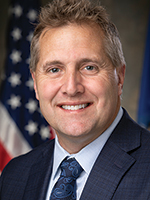
Shannon Zimmerman
House · District 30
|
R |
Strong +
|
89% | 17 |

Mark Spreitzer
Senate · District 15
|
D |
Strong +
|
88% | 18 |

Melissa Ratcliff
Senate · District 16
|
D |
Strong +
|
88% | 18 |

Jodi Habush Sinykin
Senate · District 8
|
D |
Strong +
|
88% | 18 |

Kelda Roys
Senate · District 26
|
D |
Strong +
|
86% | 17 |

Francesca Hong
House · District 76
|
D |
Strong −
|
20% | 19 |

Supreme Moore Omokunde
House · District 17
|
D |
Strong −
|
20% | 19 |

Lori Palmeri
House · District 54
|
D |
Strong −
|
20% | 19 |

Darrin Madison
House · District 10
|
D |
Strong −
|
20% | 19 |

Sequanna Taylor
House · District 11
|
D |
Strong −
|
20% | 18 |
Showing 161–170 of 188
bills
All environment bills
SB 502: Relating to: a nuclear energy generation tax credit; prioritizing nuclear energy resources; approval of certain electric tariffs for very large customers; and authorizing electric utilities to recover certain precertification costs through rates. (FE)
Topics
✓ Budget & TaxesSupports Budget & TaxesCreates 20-year tax credit for nuclear facilities, providing fiscal incentive that reduces state revenue via tax relief for utilities.
✓ EnergySupports EnergyCreates 20-year tax credits for nuclear facilities, prioritizes nuclear resources, and classifies nuclear as renewable for reporting - directly funds nuclear energy generation.
✓ EnvironmentSupports EnvironmentPromotes nuclear energy via tax credits, a low-carbon power source, advancing environmental protection by incentivizing clean energy generation.
AB 421: Relating to: prohibiting rights of nature ordinances. (FE)
SB 112: Relating to: hunting of sandhill cranes, programs related to sandhill crane damage, providing an exemption from emergency rule procedures, granting rule-making authority, and making an appropriation. (FE)
Topics
✓ Budget & TaxesSupports Budget & TaxesBill creates $1.875M annual appropriation for landowner reimbursements and allocates permit fees to conservation programs, directly funding state budget initiatives.
✓ EnvironmentSupports EnvironmentAllocates 50% of permit fees to crane population management and education, directly funding wildlife conservation efforts.
AB 161: Relating to: governmental restrictions based on the energy source of a motor vehicle or other device.
Topics
✓ EnergySupports EnergyProhibits restrictions on vehicle energy sources (e.g., electric/hydrogen), enabling consumer choice and removing barriers to renewable energy adoption in transportation.
✗ EnvironmentOpposes EnvironmentBill prohibits restrictions on non-electric vehicles, weakening potential emissions-reduction policies by preventing bans on fossil fuel vehicles and allowing continued use of polluting options.
✓ TransportationSupports TransportationProhibits restrictions on vehicle energy sources (e.g., electric/hydrogen), enabling adoption of sustainable transport options and supporting infrastructure for diverse transportation technologies.
AB 145: Relating to: passing legislation to reduce carbon emissions.
Topics
✓ EnergySupports EnergyMandates binding carbon emission targets (52% by 2030, net-zero by 2050) requiring shift from fossil fuels to renewable energy, directly advancing clean energy policy goals.
✓ EnvironmentSupports EnvironmentMandates legally binding carbon reduction targets (52% by 2030, net-zero by 2050) with equity requirements, directly advancing environmental protection through emission cuts.
Sub-Topics
Climate Change
AB 605: Relating to: retention of environmental repair fees by certain municipal solid waste facilities. (FE)
AB 619: Relating to: a tax credit for aviation biofuel manufacturing, authorizing the state to contract public debt for an aviation biofuel project grant, and making an appropriation. (FE)
Topics
✓ Budget & TaxesSupports Budget & TaxesBill authorizes $150M grant appropriation via state debt for aviation biofuel manufacturing, directly funding a specific program through state budget allocation.
✓ EnergySupports EnergyFunds $150M for aviation biofuel manufacturing, requiring 80% local biomass and exclusive renewable production, directly advancing renewable energy infrastructure.
✓ EnvironmentSupports EnvironmentFunds aviation biofuel manufacturing (clean energy) with 80% local biomass sourcing, promoting reduced emissions and sustainable resource use per bill requirements.
✓ TransportationSupports TransportationFunds $150M aviation biofuel manufacturing grant, promoting sustainable transportation infrastructure through renewable fuel production for aviation.
AB 289: Relating to: ban on the use of certain insecticides by the Department of Natural Resources.
SB 436: Relating to: the Warren Knowles-Gaylord Nelson stewardship 2000 program and making an appropriation. (FE)
Topics
✓ Budget & TaxesSupports Budget & TaxesBill creates annual appropriations for conservation grants and tribal co-management program with set spending limits through 2031, directly funding conservation initiatives.
✓ EnvironmentSupports EnvironmentCreates governing board with environmental group reps and funds conservation grants through 2031, directly advancing environmental protection and stewardship programs.