Issue · Budget & Taxes

Budget & Taxes

Every budget & taxes bill, vote, and legislator stance in Wisconsin, automatically classified by Maddy, our AI policy reader.

Total bills
307
119th Congress
Top supporter
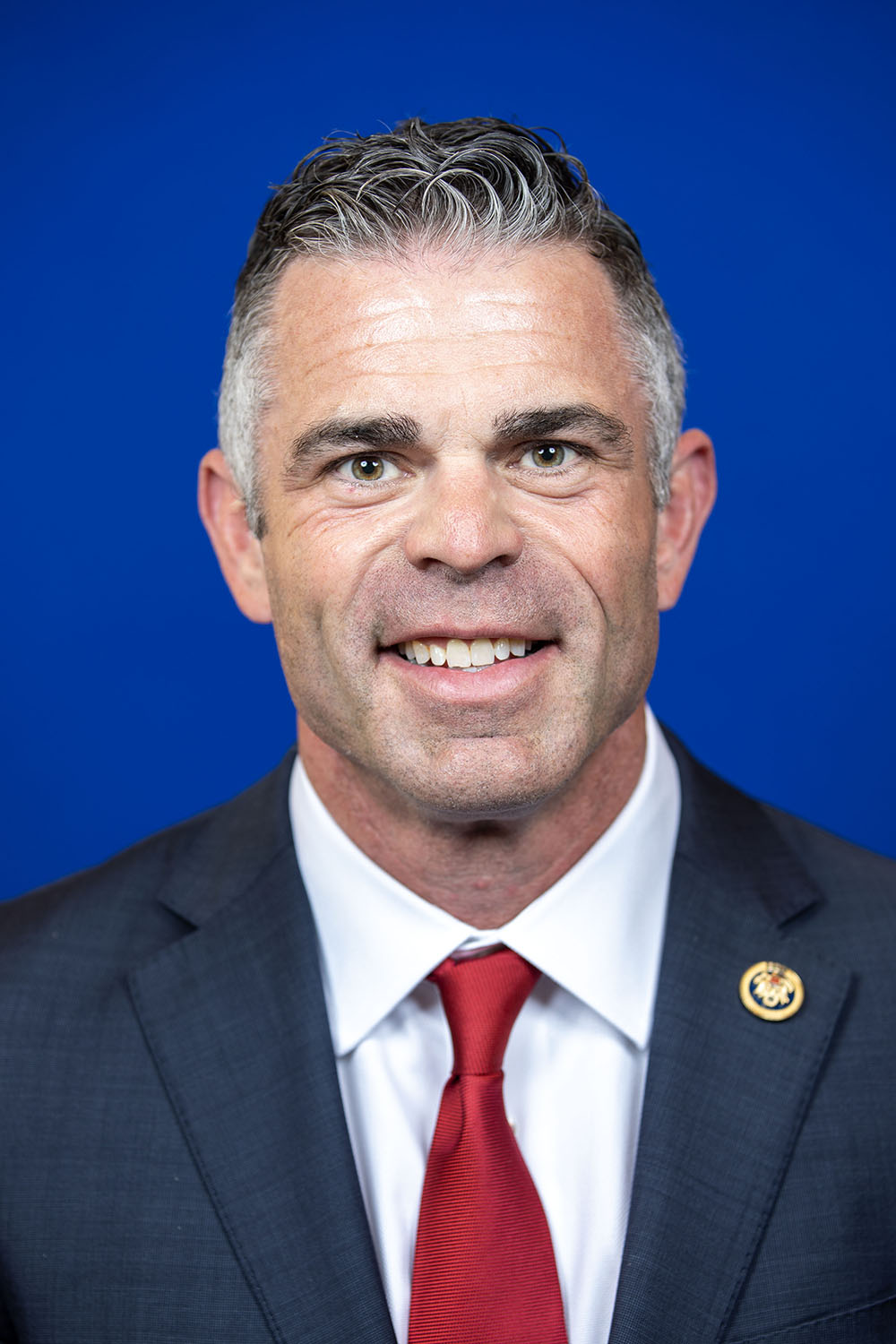
Tony Wied
81% support rate
Top opponent
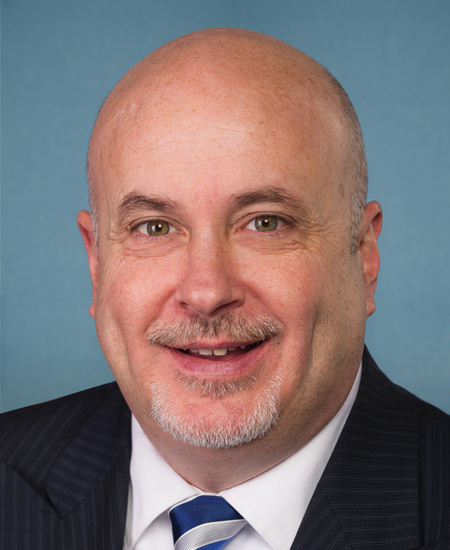
Mark Pocan
19% support rate
Ranked legislators
8
5 support · 3 oppose
Key legislators

Who's moving budget & taxes in Wisconsin

Legislators moving budget & taxes in Wisconsin
Legislator Party Stance Support rate Votes
Tony Wied
Tony Wied House · District 8
R
Strong +
81% 184
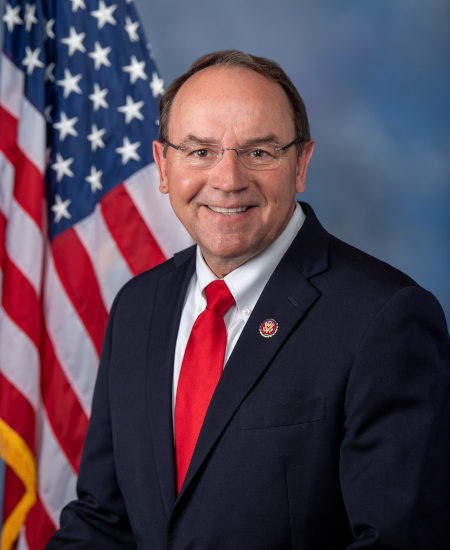
Thomas P. Tiffany
Thomas P. Tiffany House · District 7
R
Support
79% 182
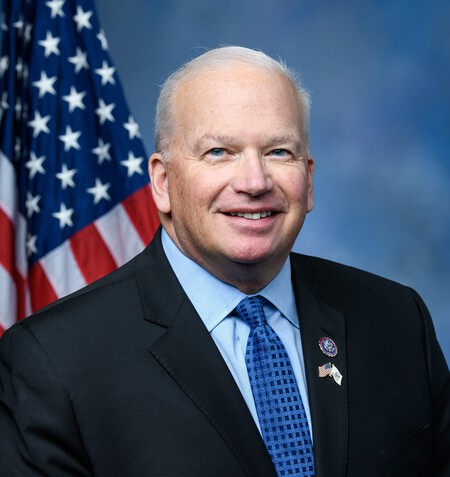
Scott Fitzgerald
Scott Fitzgerald House · District 5
R
Support
73% 185
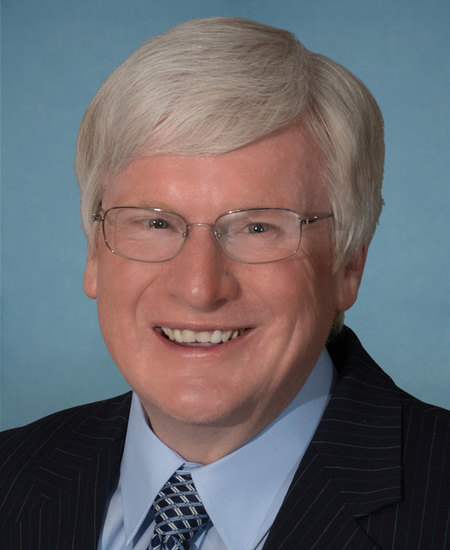
Glenn Grothman
Glenn Grothman House · District 6
R
Support
72% 181
Tammy Baldwin
Tammy Baldwin Senate
D
Support
68% 274
Mark Pocan
Mark Pocan House · District 2
D
Strong −
19% 186
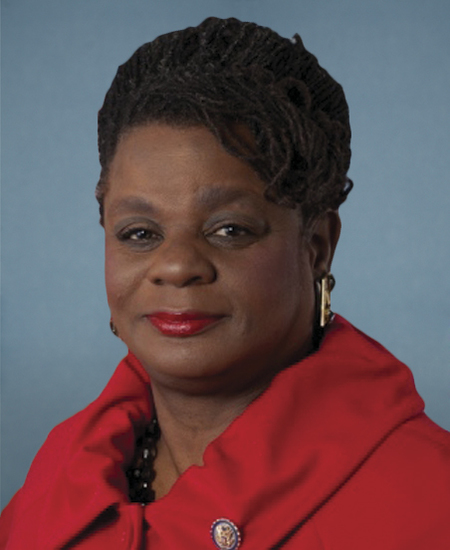
Gwen Moore
Gwen Moore House · District 4
D
Strong −
19% 186
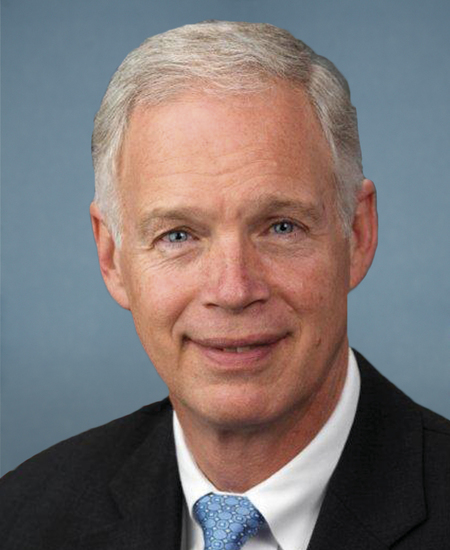
Ron Johnson
Ron Johnson Senate
R
Oppose
34% 270
Showing 1–10 of 307 bills

All budget & taxes bills

in committee · United States · House Sep 10, 2026

HR 10327: Cost Estimates Improvement Act

The Cost Estimates Improvement Act requires the Congressional Budget Office and the Joint Committee on Taxation to include public debt servicing costs in their financial estimates, to the extent practicable. This change directly affects federal budgeting processes by ensuring that the interest payments on national debt are factored into official cost projections for new legislation. The bill amends the Congressional Budget and Impoundment Control Act of 1974 to mandate this specific inclusion in all future estimates prepared by these two bodies.
in committee · United States · House Jul 27, 2026

HR 9958: Head Start Expansion and Improvement Act of 2026

The Head Start Expansion and Improvement Act of 2026 broadens eligibility for early childhood education services by including recipients of various public assistance programs, such as food stamps and Medicaid, in the definition of qualifying families. The bill authorizes $36 billion annually from fiscal years 2027 through 2032 to support these expanded operations and creates a separate grant program providing $1 billion per year until 2030 for agencies to repair or upgrade aging facilities with safety hazards. Additionally, the legislation establishes a loan forgiveness program that cancels federal student loans for childcare workers who complete three years of full-time service in Head Start or Early Head Start programs. Finally, it authorizes $6.8 billion annually through 2032 to provide salary supplements to Head Start employees, with funding allocated based on local wage gaps and cost-of-living factors.
in committee · United States · House Aug 6, 2026

HR 10060: Presidential Tax Accountability and Audit Integrity Act

This bill, known as the Presidential Tax Accountability and Audit Integrity Act, prevents the President and their close family members or related business associates from entering into agreements that waive or release federal tax debts while the President is in office. It stops the IRS from honoring any such waivers or orders made during the President's term and requires the agency to publicly report the identities of any taxpayers affected by these instruments within seven days. Additionally, the law ensures that the standard time limits for the government to collect unpaid taxes or sue for collection do not expire until at least three years after the President leaves office. These measures aim to increase transparency and maintain the integrity of the tax system by restricting special treatment for the highest office holder and their connections.
in committee · United States · House Jan 13, 2026

HR 6061: American Farmers First Act

This bill prohibits the use of a federal fund to provide financial support to Argentina's markets, including currency swaps or debt purchases, with existing contracts requiring termination within 7 days. It redirects funds from this prohibition - specifically from the sale or termination of affected financial instruments - to create a one-time economic relief program for U.S. crop producers. The program provides payments to farmers who experienced export market losses for specific crops during the 2025 marketing year, as determined by the Secretary of Agriculture. The relief targets direct economic impacts on agricultural producers tied to lost exports, not broader market interventions.
in committee · United States · Senate Jul 30, 2026

S 5185: Audit the Pentagon Act

The Audit the Pentagon Act requires the Department of Defense to reduce its funding by 2 percent if it fails to receive a clean financial audit for a given year. This penalty applies to all departments, agencies, and elements within the Pentagon starting after fiscal year 2024. The withheld money is distributed proportionally across various programs and projects, while the remaining funds are sent to the Treasury to help reduce the national deficit.
in committee · United States · House Jul 21, 2026

HR 9811: Anti-Fraud Fund Act of 2026

The Anti-Fraud Fund Act of 2026 increases funding for the Health Care Fraud and Abuse Control Account by $7 billion annually from fiscal year 2027 through 2030. This additional money is intended to support the government's efforts in detecting and preventing fraud within the healthcare system. The bill modifies existing laws to ensure these funds are available for the specified period without altering other spending limits.
in committee · United States · House Jul 14, 2026

HRES 1429: Expressing support for continued efforts to safeguard the supplemental nutrition assistance program under the Food and Nutrition Act of 2008 from fraud, waste, and abuse for the Nation's most vulnerable.

This resolution expresses support for the Trump administration's efforts to prevent fraud, waste, and abuse in the Supplemental Nutrition Assistance Program (SNAP). It highlights specific findings from 29 states that shared data, noting issues such as deceased individuals receiving benefits and people using incorrect Social Security numbers. The bill aims to increase transparency and ensure taxpayer dollars are redirected to eligible low-income families rather than being lost to criminal actors.
in committee · United States · House Jul 22, 2026

HR 9861: Veteran’s Surviving Spouse Parity Act of 2026

The Veteran's Surviving Spouse Parity Act of 2026 expands eligibility for specific mortgage tax benefits to include spouses and surviving spouses of veterans who are legally treated as veterans themselves. This change allows these individuals to qualify for the three-year ownership look-back exception when purchasing qualified mortgage bonds or using mortgage credit certificates. To support this, the Department of the Treasury will work with the Department of Veterans Affairs to issue clear guidance on how to determine veteran status for these programs, including rules regarding remarriage. The new provisions will take effect for any bonds or certificates issued after December 31, 2026.
in committee · United States · Senate Jul 16, 2026

S 5019: Disclosure of Tax Havens and Offshoring Act

The Disclosure of Tax Havens and Offshoring Act requires large multinational companies to publicly report their financial performance in every country where they operate. Specifically, it mandates that these firms submit detailed reports to the Securities and Exchange Commission showing revenues, profits, taxes paid, and employee counts for each jurisdiction. The law also requires this data to be provided in a machine-readable format and made available online for public access. Companies must follow specific rules for defining which entities and locations are included in these reports, with the Commission expected to issue final regulations within a year of the bill's enactment.
in committee · United States · Senate Jul 16, 2026

S 5011: Curtailing Executive Overcompensation (CEO) Act

The Curtailing Executive Overcompensation (CEO) Act imposes a new excise tax on large companies where the highest-paid CEO earns significantly more than the median worker. This tax applies to employers with over $100 million in annual revenue and over $10 million in wages, charging a fee equal to the lesser of 1% of the pay gap or 1% of the company's gross receipts. The law defines the pay gap as the difference between the CEO's average compensation and 50 times the median wage of all employees earning at least $5,000, with thresholds adjusted for inflation after 2027. Companies found to be manipulating their workforce to avoid the tax could face joint liability, and the IRS will issue regulations to prevent such avoidance.
Sub-Topics Sales Tax
Showing 1 to 10 of 307 bills
1 2 3 31 Next