Maddy summaryThe Wildfire Reduction Market Expansion Act of 2026 updates the Clean Air Act to broaden the definition of renewable biomass eligible for carbon credits. It specifically allows materials from forest management, such as slash, storm debris, and wood residuals, to be counted as renewable fuel if they come from sustainably managed lands or public forests designated for fuel reduction. The bill also includes vegetation cleared from defensible space around buildings and from wildfire risk reduction projects in the wildland-urban interface. By clarifying these categories and establishing certification requirements, the legislation aims to increase the supply of biomass available for generating renewable energy credits.
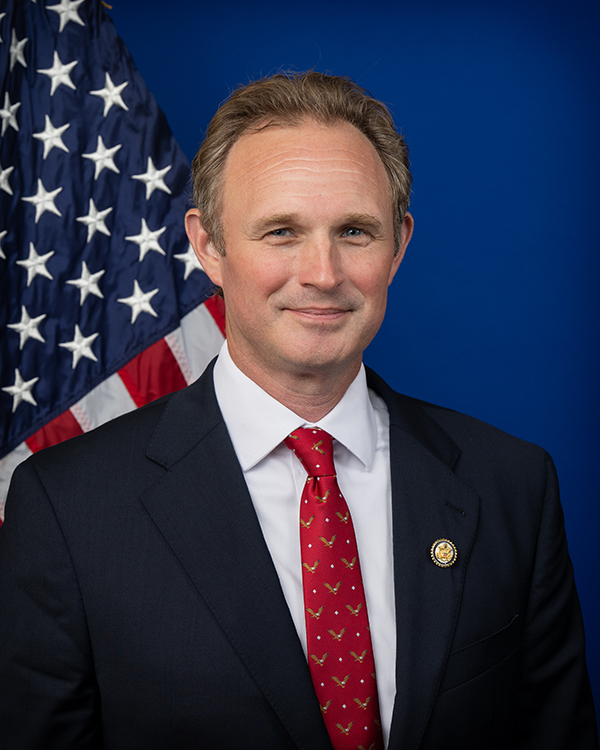
Rep. James Gallagher
Sponsored bills
Maddy summaryThe SAFE Rural Act creates a new funding program to help rural communities, Tribal lands, and territories prepare for floods before disasters occur. It establishes a dedicated fund that receives 2% of annual disaster relief money to provide formula-based grants to States and Tribal governments for projects like restoring wetlands, upgrading drainage, and building resilient infrastructure. To ensure these funds reach smaller towns, the bill requires States to pass the money down as subgrants to local governments with populations of 50,000 or fewer, while also offering a simplified application process for small projects under $500,000. The legislation further mandates that recipients submit streamlined plans for maintaining their projects long-term and sets aside specific grants to build local capacity for managing hazard mitigation programs.
Maddy summaryThe Biomass Facility Construction Act reinstates federal investment and production tax credits for new open- and closed-loop biomass facilities. These tax incentives apply specifically to projects that begin construction after the bill is enacted, allowing eligible properties to be treated as energy property with a 30 percent energy percentage for investment credit calculations. Additionally, the legislation removes previous limitations on production credits for these new facilities, ensuring they remain available for biomass projects starting after the enactment date. The bill directly affects developers and operators planning to build new biomass energy plants, providing financial benefits to encourage such construction.
Maddy summaryThis bill, known as the Daughters of the American Revolution Membership Integrity Act, amends federal law to explicitly limit membership in the Daughters of the American Revolution to adult human females. It defines a female as someone who naturally possesses or would have the reproductive system capable of producing ova for fertilization, regardless of any congenital anomalies or medical disruptions. By adding this specific definition to the organization's governing code, the legislation clarifies the genealogical and biological requirements for joining the group. The change directly affects the organization's eligibility rules but does not alter its internal operations or funding.
Maddy summaryThe Patients First Act of 2026 modifies how Medicare reimburses physicians and primary care providers to improve access and stabilize payments. It establishes a new hybrid payment model for primary care services from 2027 to 2031, which pays a monthly fee per patient to eligible independent practices while covering specific services like care management and telehealth without cost-sharing for patients. The bill also updates the formula for calculating reimbursement rates to account for high inflation years and requires more frequent updates to the costs used in calculating payments. Additionally, the legislation reforms the performance-based payment system by adding care efficiency measures, creating a task force to recommend new quality metrics, and adjusting penalties for providers who fail to report on certain data.
Maddy summaryThis resolution expresses support for designating July 10th as Journeyman Lineworkers Recognition Day to honor the workers who maintain the nation's electrical grid. The bill specifically recognizes the dangerous conditions these employees face, such as working at heights near live power lines and responding to disasters like hurricanes and wildfires. It also commemorates Henry Miller, the first president of the International Brotherhood of Electrical Workers, who died on July 10, 1896, while performing his duties. Ultimately, the measure encourages the public to observe this day with reflection on the contributions of lineworkers.
Maddy summaryThis bill, known as the Doug LaMalfa Sacramento River Basin Water Security and Reliability Act of 2026, aims to improve water management and environmental health in California's Sacramento River Basin by extending deadlines and funding specific restoration efforts. It extends the timeline for completing feasibility studies for federal water storage projects until 2041 and authorizes the federal government to contribute up to 50 percent of the costs for operating and maintaining state-led storage projects that provide public benefits like flood control and ecosystem improvements. The legislation also allocates $500 million over ten years for habitat restoration, fish passage improvements, and scientific monitoring to support endangered species such as Chinook salmon and steelhead trout. Additionally, the bill establishes a new Federal Leadership Committee to coordinate between various government agencies and state partners to accelerate the implementation of water and habitat projects. Finally, it allows water sellers to keep revenue from temporary water transfers to invest in dam safety, drought resilience, or extraordinary maintenance, provided unused funds are returned to the federal reclamation fund after a decade.
Maddy summaryThe GRACE for Military Survivors Act extends the deadline for contributing military death benefits to Roth IRAs and Coverdell education savings accounts from one year to three years. This change directly benefits families of service members who receive these death benefits, giving them more time to save for retirement or education. The law applies to benefits received after the bill is enacted and includes a special rule allowing contributions made within a specific window for benefits received between 2001 and the enactment date. By amending the Internal Revenue Code, the bill ensures that eligible funds can be deposited into these tax-advantaged accounts without losing their value due to time limits.
Maddy summaryThe Stop Lawmakers From Predicting Act prohibits Members of Congress, their spouses, and their dependent children from trading on prediction markets regarding government policies, actions, political outcomes, or any events related to their congressional duties. This restriction applies to any purchase, sale, or agreement dependent on these specific outcomes while the individual is in federal service. If a covered individual violates these rules, they must pay a fee equal to the greater of $2,000 or 10% of the transaction value, plus any net profit made from the trade. The law also forbids paying these penalties using personal allowances, campaign funds, or other official accounts, and it requires the supervising ethics office to issue guidance on how to interpret the new restrictions.
Maddy summaryThis bill redesignates the existing National Parks and Public Land Legacy Restoration Fund as the America's Legacy Restoration Fund to address deferred maintenance on federal lands. It directs revenue from recreation fees and a portion of energy development income into the fund, which must be used primarily for repairing critical infrastructure like roads, trails, and buildings managed by agencies such as the National Park Service and the Forest Service. The legislation establishes strict rules requiring that most funds go toward non-transportation projects, mandates transparency through public dashboards tracking project status, and sets aside a small percentage for matching private donations. Additionally, the bill increases entrance fees for foreign visitors to ensure they contribute to the fund, while prohibiting the use of these specific funds for land acquisition or employee bonuses.