Issue · Healthcare

Healthcare

Every healthcare bill, vote, and legislator stance in West Virginia, automatically classified by Maddy, our AI policy reader.

Total bills
409
2026 Regular Session
Top supporter
Kathie Hess Crouse
92% support rate
Top opponent
Corby Dillon
25% support rate
Ranked legislators
10
5 support · 5 oppose
Key legislators

Who's moving healthcare in West Virginia

Legislators moving healthcare in West Virginia
Legislator Party Stance Support rate Votes
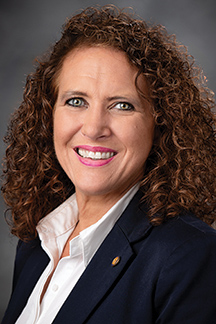
Kathie Hess Crouse
Kathie Hess Crouse House · District 19
R
Strong +
92% 34
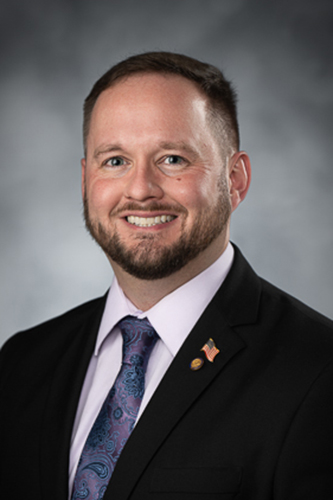
Elliott Pritt
Elliott Pritt House · District 50
R
Strong +
92% 31
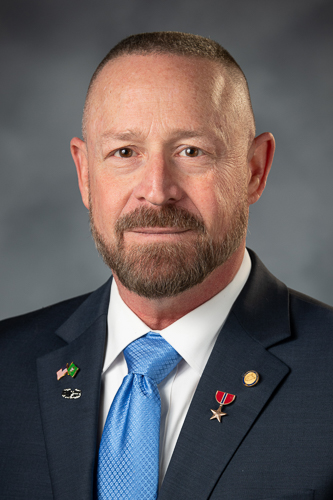
Jordan Maynor
Jordan Maynor House · District 41
R
Strong +
92% 33
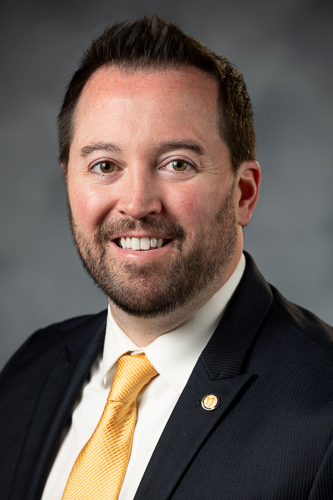
Doug Smith
Doug Smith House · District 39
R
Strong +
92% 27
Geno Chiarelli
Geno Chiarelli House · District 78
R
Strong +
92% 34
Corby Dillon
Corby Dillon House · District 29
R
Oppose
25% 33
Marty Gearheart
Marty Gearheart House · District 37
R
Oppose
33% 24
Shawn Fluharty
Shawn Fluharty House · District 5
D
Oppose
40% 31
Buck Jennings
Buck Jennings House · District 84
R
Mixed −
42% 33
George Street
George Street House · District 83
R
Mixed −
42% 30
Showing 371–380 of 409 bills

All healthcare bills

in committee · West Virginia · House of Delegates Jan 14, 2026

HB 4225: Relating to authorizing the Office of Inspector General to promulgate a legislative rulerelating to delegation of medication administration and health maintenance tasks to approved medication assistive personnel.

HB 4225 amends an existing rule (71 CSR 17) to clarify how medication assistive personnel can administer medications and perform health tasks. It specifically adds "dial-up insulin pen" to the list of permitted devices and states that setting insulin dosages according to a prescription is a routine task, not a clinical decision requiring professional judgment. This directly affects healthcare facilities, medication assistive personnel, and the Office of Inspector General overseeing compliance. The changes provide clearer guidance for safe medication administration without altering the underlying policy.
in committee · West Virginia · Senate Jan 16, 2026

SB 465: Creating Caregiver Tax Credit Act

SB 465, the Caregiver Tax Credit Act, creates a state tax credit for West Virginia family caregivers providing unpaid care to eligible seniors. It allows caregivers to claim a 50% credit on qualifying out-of-pocket expenses (like home modifications, medical equipment, or hiring aides) for an eligible family member who is 62+ and requires assistance with daily living activities (e.g., bathing, dressing, or toileting), as certified by a healthcare provider. The credit is capped at $2,000 annually ($3,000 for veterans) and is nonrefundable, with a total annual funding limit of $5 million for all taxpayers. The credit becomes effective January 1, 2028, and is administered by the West Virginia Department of Revenue.
Sub-Topics Tax Credits
in committee · West Virginia · House of Delegates Jan 14, 2026

HB 4102: Requiring publicly funded medical schools to teach certain life-saving methods

HB 4102 requires all publicly-funded medical schools in West Virginia to teach specific evidence-based, life-saving medical procedures. This includes abortion pill reversal (using progesterone within 72 hours of taking mifepristone), ectopic pregnancy treatment, miscarriage management, and perinatal hospice care. The bill mandates these topics be part of standard curriculum, with schools failing to comply risking loss of state funding after review by the Legislative Oversight Commission. It directly affects medical schools receiving state, local, or federal funding. The law cites public health and safety as justification, focusing on required teaching content rather than outcomes.
in committee · West Virginia · Senate Jan 15, 2026

SB 415: Requiring vaccine side effects be reported by medical professional to Bureau for Public Health

This bill requires medical professionals who administer vaccines to report all adverse effects and injuries to West Virginia's Bureau for Public Health. It mandates that providers receive annual educational materials about vaccine side effects and complete formal training every five years. The bill also creates a public reporting mechanism for individuals (including parents) to submit vaccine-related concerns directly to the Bureau. The Bureau must then compile an annual report for the West Virginia Legislature on these reported cases. The policy directly affects healthcare providers and patients receiving vaccines statewide.
Sub-Topics Public Health
in committee · West Virginia · House of Delegates Jan 16, 2026

HB 4439: Creating a special court cost fee on certain criminal convictions dedicated to the emergency medical services equipment and training fund

HB 4439 creates a $10 fee added to court costs for most criminal convictions (excluding municipal parking violations) in West Virginia. The collected fees will fund the Emergency Medical Services Equipment and Training Fund, which provides grants to local emergency medical services (EMS) providers. Grants require a 70% state contribution and a 30% matching contribution from the local EMS provider, with priority given to rural and volunteer EMS organizations. This bill directly affects criminal defendants (through the fee) and local EMS agencies (through grant eligibility).
Tags Public Safety
in committee · West Virginia · House of Delegates Feb 18, 2026

HB 4984: Generic use of antipsychotics in Medicaid

HB 4984 modifies West Virginia's prior authorization rules for FDA-approved antipsychotic medications. It requires the Bureau for Medical Services to use an electronic portal for all prior authorization requests, including clear instructions, real-time status updates, and a quarterly updated science-based list of required authorizations. The bill mandates responses within five business days (or two days for urgent cases) and requires clear disclosure about step therapy protocols on forms. This directly affects healthcare providers submitting requests and patients needing these medications, aiming to streamline the approval process for antipsychotics.
Sub-Topics Medicaid Mental Health
in committee · West Virginia · Senate Jan 19, 2026

SB 477: Authorizing pharmacists to dispense ivermectin

This bill allows West Virginia pharmacists to dispense Ivermectin for human use under two conditions: through a collaborative agreement with a prescriber or, once the FDA approves it for over-the-counter sale, without a prescription. When dispensing without a prescription, pharmacists must provide an FDA-approved patient information sheet and no consultation is required. The bill also shields pharmacists and healthcare providers from civil, criminal, or disciplinary action when following these provisions in good faith. The OTC dispensing provision will take effect immediately upon FDA approval, while other parts of the bill become effective 90 days after passage.
in committee · West Virginia · Senate Jan 14, 2026

SB 93: Limiting medical monitoring damages

SB 93 limits the ability of plaintiffs to recover damages for future medical monitoring (such as screenings or tests) in West Virginia civil lawsuits. It states that an increased risk of disease alone - without a currently diagnosed condition - is not compensable. To recover monitoring costs, plaintiffs must prove they have an existing, diagnosable disease caused by the defendant’s actions, and the monitoring must be directly tied to that disease. Payments for future monitoring must be made into a court-supervised fund (not directly to the plaintiff), with unused funds repaid to the defendant after the required monitoring period ends.
in committee · West Virginia · House of Delegates Jan 29, 2026

HB 4348: Relating to health insurance for living organ donors

HB 4348 prohibits health insurance companies in West Virginia from denying coverage, increasing premiums, or canceling policies for individuals who have donated an organ while alive (living organ donors). The law specifically applies to sickness, disability, and long-term care insurance policies issued or renewed after July 1, 2026. Insurers cannot refuse coverage, limit benefits, or impose higher costs solely because someone is a living organ donor, even if no additional health risks are present. This directly protects living organ donors from insurance discrimination while ensuring they maintain access to these essential coverage types.
in committee · West Virginia · House of Delegates Jan 30, 2026

HB 4306: Relating to authorizing the Board of Osteopathic Medicine to promulgate a legislative rule relating to emergency temporary permits to practice during States of Emergency or States of Preparedness.

HB 4306 authorizes the West Virginia Board of Osteopathic Medicine to establish a rule (24 CSR 09) allowing osteopathic physicians to obtain temporary practice permits during declared states of emergency or preparedness. This rule would directly affect osteopathic doctors by enabling them to provide care without meeting all standard licensing requirements during crises. The bill formalizes a rule previously filed in the State Register on March 27, 2025, creating a streamlined process for emergency permits. The key mechanism is the authorization of this specific rule to address healthcare workforce gaps during emergencies.
Showing 371 to 380 of 409 bills
Previous 1 37 38 39 41 Next