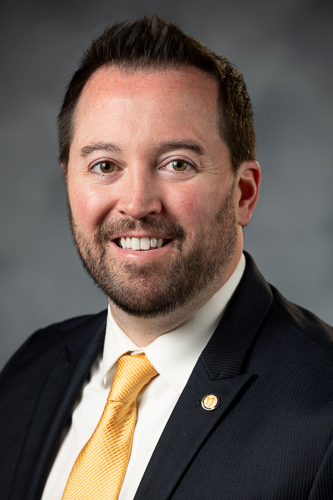
This resolution urges the U.S. Congress to pass the Major Richard Star Act, which would allow disabled veterans to receive both their full military retirement pay and full VA disability compensation without any dollar-for-dollar offset. The bill directly affects approximately 50,000 medically retired combat-wounded veterans who currently lose over $1,000 per month in benefits due to existing federal offset rules. It seeks to amend federal law to recognize that military retirement and disability benefits compensate for two distinct forms of service and sacrifice. The resolution is a formal request from the West Virginia Legislature to federal lawmakers to address this policy change.
This bill requires physicians and osteopathic doctors in West Virginia to complete continuing education credits specifically in nutrition as part of their biennial license renewal process. The law mandates that medical professionals earn a minimum of fifty hours of continuing medical education every two years, with osteopathic physicians required to complete thirty-two hours including nutrition training, and these credits must be approved by relevant medical boards. The bill amends existing state code sections to make nutrition education a mandatory component of the continuing education requirement for license renewal.
This House resolution formally recognizes President Donald J. Trump for various policies and actions that the West Virginia House of Delegates claims have benefited the state. The document highlights specific initiatives including regulatory reforms in the energy sector, tax relief measures, funding for rural healthcare, and programs aimed at reducing prescription drug costs and establishing investment accounts for newborns. It also cites border security improvements and drug control efforts as contributing factors to public safety and economic well-being. The resolution expresses appreciation for these actions and requests that the formal recognition be sent to the President.
This Senate resolution designates March 12, 2026, as West Virginia Athletic Trainers Day to honor the profession. It recognizes athletic trainers as skilled healthcare professionals who provide injury prevention, emergency care, and rehabilitation services to athletes and other community members. The resolution formally acknowledges their contributions to public health and does not create new laws or funding.
This Senate Concurrent Resolution asks the Joint Committee on Government and Finance to study how athletic trainers are currently accessed in public high schools and to investigate ways to improve their availability. The resolution directs the committee to examine the safety and health needs of student athletes and to explore educational opportunities for individuals seeking to become athletic trainers in West Virginia. The committee must submit a report by January 1, 2027, to state leaders with findings and recommendations on expanding athletic trainer access and sports medicine education. Funding for the study will come from existing legislative appropriations to the committee.
This bill exempts the West Virginia Department of Health from certain state purchasing restrictions when implementing the federal Rural Health Transformation Program. The legislation allows the state to use federal funds more flexibly to meet the program's strict requirements for rapid deployment and specific use of money in rural healthcare areas. By overriding existing state purchasing laws, the bill ensures the Department of Health can comply with federal guidelines from the Centers for Medicare and Medicaid Services without administrative delays. This change directly affects the state's ability to manage federal grants aimed at improving healthcare infrastructure and services in rural communities.
This bill amends West Virginia's drug scheduling laws to allow the legal prescription, distribution, and marketing of crystalline polymorph psilocybin if it receives FDA approval and DEA rescheduling. The legislation specifically targets this particular form of psilocybin, which is a type of psychedelic compound, and would permit its use under federal regulatory frameworks. The bill requires the state Board of Pharmacy to align West Virginia's controlled substance schedules with federal actions regarding this specific psilocybin variant. It does not change the scheduling status of other drugs or expand access to psilocybin beyond the specific FDA-approved crystalline polymorph form. The measure affects healthcare providers, pharmacies, and patients who might access this substance through approved medical channels.
This bill asks a state committee to study whether West Virginia should create a flexible respite care program for seniors and their caregivers. The proposed program would allow families to schedule short-term, on-demand assistance for specific needs like medical appointments or personal obligations, rather than being limited to fixed weekly service blocks. The study will examine costs, potential savings from delaying nursing home placement, and how to fund and manage the program, especially in rural areas with fewer resources. If the committee finds the idea feasible, it will recommend new legislation to establish the program.
This bill establishes rules for pharmacy benefit managers operating in West Virginia to protect pharmacies and patients from unfair pricing practices. It requires these managers to provide information about lower-cost drug alternatives without penalizing pharmacies for discussing them, and it prohibits charging pharmacies more than the amount patients pay out of pocket. The legislation also restricts how pharmacy benefit managers can handle 340B drug discounts, ensuring 340B pharmacies are not charged additional fees or subjected to extra administrative burdens compared to other pharmacies. Additionally, the bill mandates an annual study of dispensing fees and requires the implementation of a pharmacy cost containment tool to help control drug spending.
This bill allows doctors in West Virginia to legally prescribe, distribute, and market specific forms of psilocybin once the FDA approves it and the DEA reschedules it. It amends state pharmacy laws to remove barriers for FDA-approved crystalline polymorph psilocybin products, aligning state regulations with federal decisions. The law applies only to pharmaceutical compositions of psilocybin that meet federal approval standards, not to raw or unapproved forms of the substance. Healthcare providers and pharmacies would be able to handle these medications under existing prescription drug frameworks once federal requirements are met.