Issue · Education

Education

Every education bill, vote, and legislator stance in West Virginia, automatically classified by Maddy, our AI policy reader.

Total bills
39
2026 Regular Session
Top supporter
Mickey Petitto
100% support rate
Top opponent
Corby Dillon
17% support rate
Ranked legislators
10
5 support · 5 oppose
Key legislators

Who's moving education in West Virginia

Legislators moving education in West Virginia
Legislator Party Stance Support rate Votes
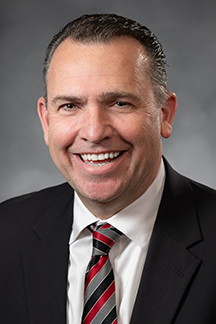
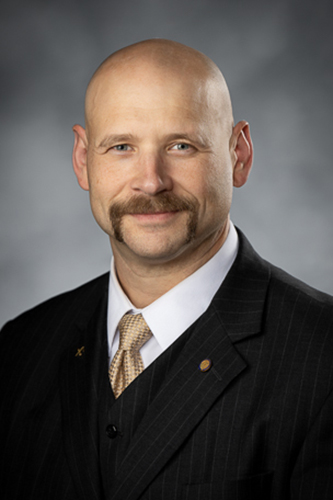
Mickey Petitto
Mickey Petitto House · District 70
R
Strong +
100% 29
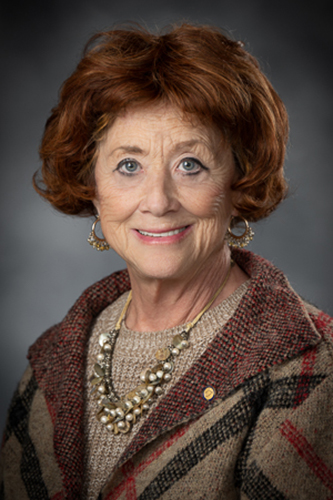
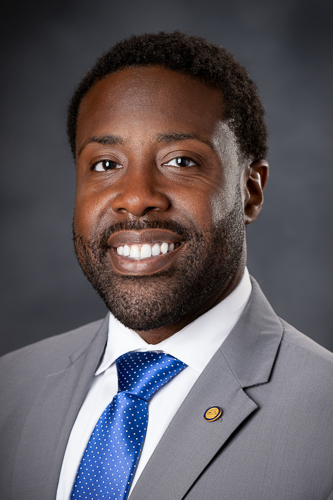
Erica Moore
Erica Moore House · District 15
R
Strong +
94% 46
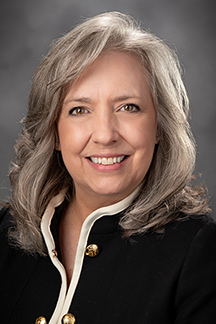
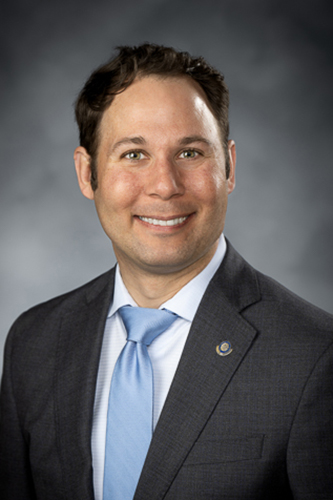
Jimmy Willis
Jimmy Willis House · District 3
R
Strong +
94% 44
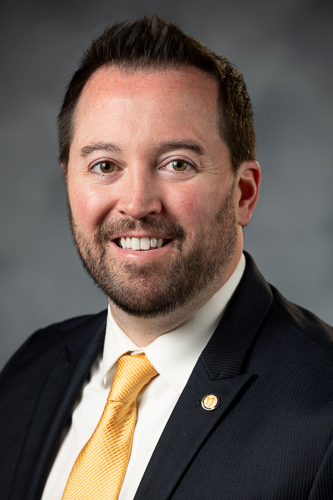
John Jordan
John Jordan House · District 42
R
Strong +
94% 43
Joe Parsons
Joe Parsons House · District 16
R
Strong +
93% 37
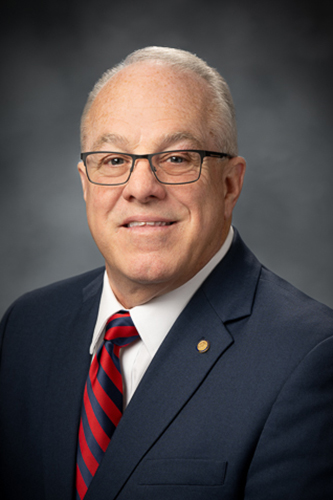
Corby Dillon
Corby Dillon House · District 29
R
Strong −
17% 47
Sean Hornbuckle
Sean Hornbuckle House · District 25
D
Oppose
33% 40
Evan Hansen
Evan Hansen House · District 79
D
Oppose
33% 47
Joey Garcia
Joey Garcia Senate · District 13
D
Oppose
33% 12
Shawn Fluharty
Shawn Fluharty House · District 5
D
Oppose
33% 44
Showing 31–39 of 39 bills

All education bills

in committee · West Virginia · House of Delegates Jan 29, 2026

HB 4914: West Virginia Education Freedom and Parental Empowerment Act

HB 4914, the West Virginia Education Freedom and Parental Empowerment Act, creates education savings accounts (ESAs) funded by federal block grants to give parents direct control over K-12 education spending. It requires state funds to be allocated equally per student into parent-controlled accounts, usable for tuition at private/charter schools, tutoring, materials, and other qualified educational expenses. The bill dissolves the State Board of Education’s regulatory powers over K-12 education, limiting it to only transferring federal funds to the State Treasurer, who administers the program and tracks spending. This directly affects all West Virginia K-12 students and their families by shifting educational funding and decision-making from state authorities to parents.
in committee · West Virginia · House of Delegates Jan 19, 2026

HB 4497: To not entitle WV students to get aid from any WV schools unless they pass a college qualification exam in the 10th grade

This bill would require all West Virginia public high school students to pass a state-developed college readiness exam in 10th grade to qualify for public financial aid at West Virginia's public colleges and universities. The State Board of Education must create the exam and set passing standards, allowing students who fail to retake it after a reasonable time. It applies only to publicly available financial aid for public institutions and would take effect for the 2026-2027 school year. The bill does not affect other forms of aid or private institutions.
introduced · West Virginia · Senate Jan 27, 2026

SB 600: Limiting family income for Hope Scholarship eligibility

SB 600 would limit eligibility for West Virginia's Hope Scholarship Program by requiring that a student's parent or parents have a combined federal adjusted gross income under $100,000. This change directly affects families applying for the scholarship, as it sets a new income threshold for qualification. The bill also requires unused scholarship funds to transfer to the student's local county school system at year-end and mandates that all scholarship funds be spent only on education services provided within West Virginia. These provisions amend existing sections of the state code governing the Hope Scholarship Program.
in committee · West Virginia · Senate Jan 19, 2026

SB 476: Selecting Neutral Accreditors Act

SB 476, the "Selecting Neutral Accreditors Act," requires West Virginia public universities to stop using accreditors that mandate or consider Diversity, Equity, and Inclusion (DEI) initiatives as part of accreditation. It directs each university's governing board to review its accreditor by July 1, 2026, and switch to an accreditor that does not require DEI practices (e.g., DEI training, courses, or metrics) within the past five years. If no such accreditor exists, the university must report this to the legislature. The bill directly affects all public higher education institutions in West Virginia and aims to remove DEI requirements from the accreditation process, which is tied to federal student loan eligibility.
introduced · West Virginia · Senate Jan 30, 2026

SB 684: Relating to required courses of instruction for private, parochial, and church schools

SB 684 exempts private, parochial, and church schools in West Virginia from the state's requirement to teach specific courses, including state and U.S. history, civics, the U.S. Constitution, and government structure. This bill removes these schools from the curriculum mandates that apply to public schools for those subjects and from Celebrate Freedom Week obligations. As a result, private, parochial, and denominational schools will no longer be subject to these course requirements under state law. Public schools will continue to be required to follow the existing curriculum standards for these subjects.
in committee · West Virginia · House of Delegates Jan 19, 2026

HB 4077: Remove standardized testing in public and private schools

HB 4077 would eliminate standardized testing requirements in all West Virginia public and private schools by directing the State Board of Education to stop administering such tests. The bill takes effect for the 2026-2027 school year and all subsequent years. This change would directly impact every student, teacher, and school administrator in the state by removing a longstanding assessment requirement. The policy shift specifically targets the administration of standardized tests, without specifying alternative evaluation methods.
in committee · West Virginia · Senate Jan 14, 2026

SB 183: Removing certain entities from list of exemptions from criminal liability relating to distribution and display of obscene matter to minor

SB 183 amends West Virginia law to remove bona fide schools, public libraries, and museums from exemptions that previously protected them from criminal prosecution when distributing or displaying obscene material to minors. Under the current law, these entities were exempt if material was part of curriculum (schools), displayed with a parent present (libraries/museums), or met other specific conditions. The bill eliminates these specific exemptions, meaning schools, libraries, and museums would no longer automatically qualify for protection under this provision. This change would directly affect those institutions by subjecting them to the same criminal liability as other entities distributing obscene material to minors, unless they meet other existing exemptions (e.g., reasonable age verification). The bill is currently in the Senate Judiciary Committee after being introduced on January 14, 2026.
Sub-Topics Curriculum
in committee · West Virginia · House of Delegates Jan 29, 2026

HB 4945: Prohibit the use of electronic devices for learning in all classrooms grades 3 and below

HB 4945 prohibits the use of electronic devices like tablets, laptops, or computers for learning and testing in classrooms for students in grades three and below. The bill directly affects elementary schools, teachers, and students in these grade levels by banning device use during instructional activities. It explicitly excludes calculators from the prohibition. The law aims to limit screen time for young learners during classroom instruction. This is a direct policy change requiring schools to remove such devices from early-grade classrooms for educational purposes.
Sub-Topics K-12 Education
in committee · West Virginia · Senate Jan 14, 2026

SB 116: Establishing Raylee's Law

SB 116, "Raylee's Law," prohibits county superintendents from authorizing home instruction for a child if a schoolteacher or school personnel has initiated a child abuse or neglect investigation against the child's custodial parent/guardian or the home instructor. It requires county superintendents to notify the county board when such an investigation is reported and to request confirmation of the investigation's status from the Department of Human Services within 48 hours. If the abuse complaint is not substantiated within 14 days, the superintendent must approve home instruction. This law directly affects families seeking home schooling during active child welfare investigations, adding a verification step to ensure child safety.
Showing 31 to 39 of 39 bills
Previous 1 2 3 4