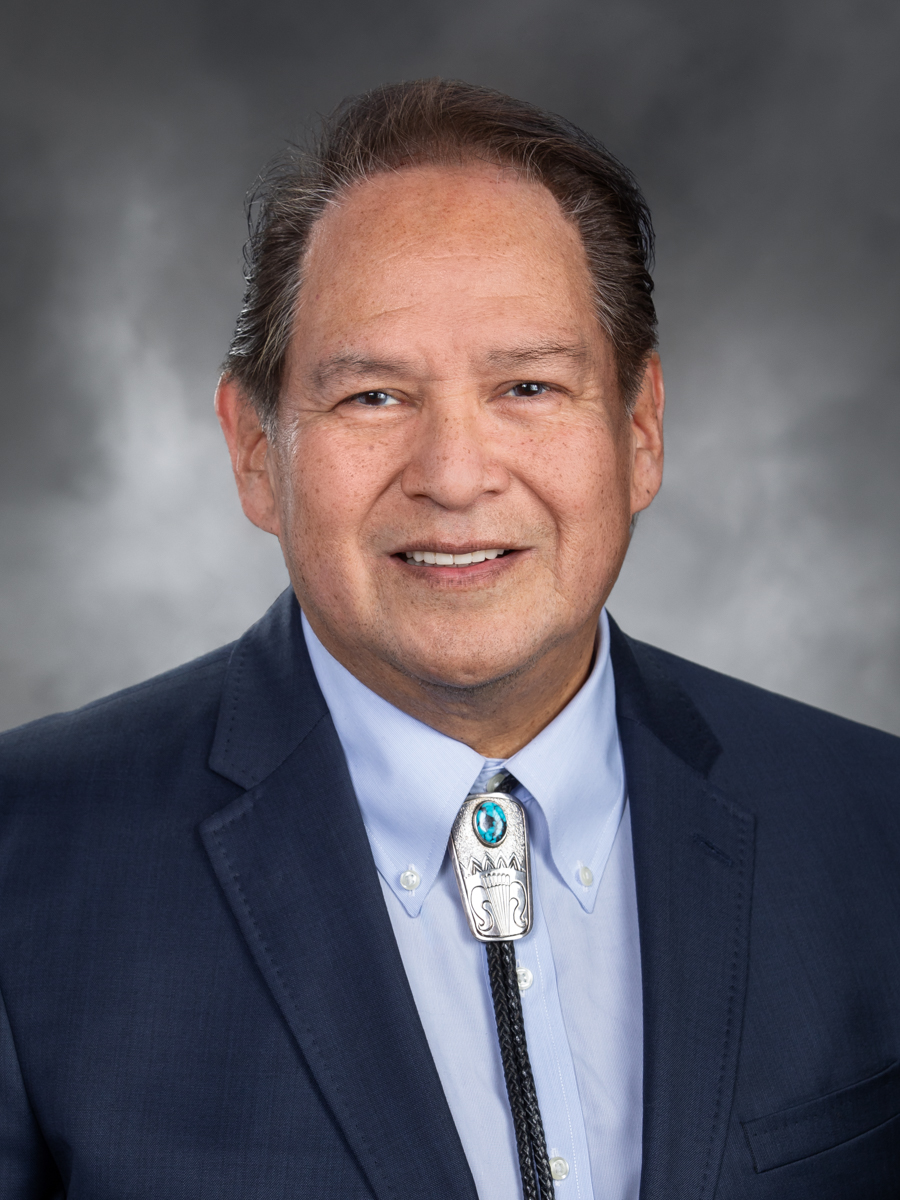
Photo of Chris Stearns
D Washington House · District 47 On the 2026 ballot

Rep. Chris Stearns

Compare
Total votes
2,532
all sessions
Attendance
100%
10 missed
Near the chamber average
With party
99%
of cast votes
Higher than 96% of chamber peers
Bipartisan score
0%
crosses aisle rarely
Lower than 98% of chamber peers
Sponsored
196
bills & resolutions
Near the chamber average
Committees
4
assignments
196 bills and resolutions

Sponsored bills

Total
196
Primary
31
Co-sponsor
165
This page
196
matching current filters
Co-sponsor HB 2587
In committee · Washington House · Co-sponsor
Establishing a pilot program to advance funds to nonprofits to support grant performance.

Maddy summaryThis bill establishes a temporary pilot program allowing Washington state agencies to advance up to 25% of a grant (capped at $200,000) to eligible public benefit nonprofits. It directly affects nonprofits that received state grants for public health, safety, welfare, or state benefit programs within six months, have a budget under $5 million, and have operated for at least three years with satisfactory past performance. The advance funds must be repaid from future grant payments, require a binding contract, and are limited to one-time use. The program expires June 30, 2029, and requires a 2028 report evaluating its effectiveness and recommending future action.

In committee Feb 2, 2026 1 co-sponsor
Co-sponsor HB 2132
In committee · Washington House · Co-sponsor
Concerning applications for state financial aid.

Maddy summaryHB 2132 protects student privacy for Washington state financial aid applications by making personally identifying and financial information exempt from public records requests. It limits how long institutions and the state council retain application records (one year after the award year ends, unless an audit or appeal is pending) and restricts sharing this data with other entities, including the federal government, without a court order or specific data-sharing agreements. The bill directly affects students applying for state financial aid (excluding the federal FAFSA) and state agencies handling these applications. Key provisions include strict privacy safeguards for sensitive data and clear limits on data sharing to prevent unauthorized disclosure.

In committee Feb 2, 2026 1 co-sponsor
Co-sponsor HB 2212
In committee · Washington House · Co-sponsor
Reducing microplastic pollution from washing machines.

Maddy summaryHB 2212 requires new commercial and industrial washing machines sold in Washington to include microfiber filters that capture tiny plastic fibers (under 5mm) starting July 1, 2028, with existing machines needing filters by July 1, 2034. It mandates clear labeling on machines and regular filter maintenance to prevent microplastics - released in high numbers per laundry load - from entering waterways. The bill also allows for future residential machine requirements if other states adopt similar rules and costs stay below $70 per unit. Violations face civil penalties up to $10,000 per offense, enforced by the Department of Ecology. This targets a major pollution source linked to health and marine ecosystem risks.

In committee Feb 2, 2026 1 co-sponsor
Primary HB 2579
In committee · Washington House · Lead sponsor
Promoting and funding public media and digital equity.

Maddy summaryHB 2579 establishes two new state-funded programs to expand public media access and digital equity in Washington. It creates a public media broadcaster program prioritizing community-based, noncommercial radio/TV stations that provide public safety information and arts access, with 85% of funds going to larger organizations ($1M+ budget) and 15% to smaller rural or hyper-local broadcasters. The digital equity program funds resource coordinators and multimedia trainers at community anchor institutions (like libraries and schools) to improve internet access, online safety training, and multilingual resources for underserved communities. Both programs require annual reporting and mandate that all funding be spent within Washington.

In committee Jan 30, 2026 0 co-sponsors
Co-sponsor HR 4675
Passed · Washington House · Co-sponsor
Honoring the Washington National Guard.

Maddy summaryHouse Resolution 4675, adopted on January 28, 2026, is a ceremonial resolution expressing the Washington State House of Representatives' gratitude to the Washington National Guard for their service. It specifically acknowledges the Guard's roles in emergency response (including flood operations and search-and-rescue missions), disaster recovery efforts (like adapting from the Oso landslide), and national defense support (such as aerial refueling capabilities). The resolution directs copies to the Adjutant General, Governor, and other officials but does not create new laws or alter policies. It directly honors National Guard members, their families, and employers without imposing any financial or operational requirements.

Passed Jan 28, 2026 1 co-sponsor
Primary HB 2117
In committee · Washington House · Lead sponsor
Adding a tribal member to the board of natural resources.

Maddy summaryHB 2117 adds a seventh member to Washington's Board of Natural Resources, specifically a tribal representative appointed by the governor from federally recognized tribes in the state. The bill amends the board's composition to include this position, requiring the governor to consult with tribes during appointments and ensuring the representative serves a four-year term starting July 1, 2026. This change directly affects the board's decision-making process on natural resource management and requires collaboration with tribal nations. The bill aims to incorporate tribal perspectives and expertise into state forestland and natural resource policies.

In committee Jan 27, 2026 0 co-sponsors
Co-sponsor HB 2183
In committee · Washington House · Co-sponsor
Requiring counties to develop and implement heat response plans.

Maddy summaryHB 2183 requires all Washington counties to create and adopt extreme heat response plans by July 1, 2027. Each plan must include immediate response strategies, long-term adaptation measures (like building upgrades and cooling assistance), and specific protections for vulnerable groups including seniors, outdoor workers, low-income households, and children. Counties must also establish tribal partnerships, public education programs, medical emergency protocols, and systems to track heat-related illnesses. Existing plans meeting these standards are exempt from the 2027 deadline, and counties must review plans during regular comprehensive plan updates.

In committee Jan 27, 2026 1 co-sponsor
Co-sponsor HB 2527
In committee · Washington House · Co-sponsor
Increasing opportunities for tenants to own homes under eventual tenant ownership programs established under the federal low-income housing tax credit program.

Maddy summaryThis bill requires private developers using federal low-income housing tax credits to formally transfer home ownership to tenants through programs like rent-to-own or eventual tenant ownership. Developers must set aside funds, clearly inform tenants of ownership rights, and complete transfers on time per agreements. The state housing agency must monitor progress annually, investigate tenant complaints within six months, and impose penalties - including losing future tax credits - for violations. It directly affects developers participating in these federal programs and tenants seeking homeownership opportunities.

In committee Jan 26, 2026 1 co-sponsor
Co-sponsor HB 2349
In committee · Washington House · Co-sponsor
Providing community notification regarding the release or discharge of sexually violent predators.

Maddy summaryHB 2349 requires Washington state agencies to provide written community notification 3 months before releasing or discharging individuals classified as sexually violent predators. It mandates that agencies share detailed records (including institutional history, mental health evaluations, and criminal history) with local law enforcement, county officials, legislators, and victims (if they request it) prior to release. The bill directly affects counties, law enforcement, and victims by requiring timely disclosure of release dates and relevant background information. Key provisions include standardized notification to sheriffs, county administrators, legislators, and law enforcement via the Washington Crime Information Center, ensuring consistent community awareness. This focuses on procedural transparency rather than altering commitment standards or penalties.

In committee Jan 26, 2026 1 co-sponsor
Co-sponsor HB 2122
In committee · Washington House · Co-sponsor
Requiring hospitals to offer immunizations for influenza in certain cases.

Maddy summaryHB 2122 requires Washington hospitals to offer annual flu vaccinations to two specific patient groups: adults 65 or older, and any patient (regardless of age) with a chronic health condition. This applies each year from October 1 to March 1, beginning July 1, 2027, unless the vaccine is unavailable at the hospital or the immunization is medically unsafe for the patient. Hospitals are exempt during declared state emergencies or disasters, and critical access hospitals certified under federal law are also excluded. The law focuses on expanding access to flu shots for high-risk patients during peak flu season through a straightforward hospital offering requirement.

In committee Jan 26, 2026 1 co-sponsor
Showing 51 to 60 of 196 bills
Previous 1 … 5 6 7 … 20 Next