

Maddy summaryHB 2496 requires Washington's Energy Facility Site Evaluation Council to conduct direct government-to-government consultation with federally recognized tribes whenever energy facility projects may affect tribal resources, rights, or cultural sites protected by treaty or law. It mandates early notification of tribes during the review process and requires the council to summarize consultation outcomes in its report to the governor, giving tribes 30 days to review and request corrections. The bill applies to projects like transmission lines, biofuel facilities, and clean energy manufacturing that could impact tribal interests. This policy change strengthens tribal input in energy project reviews without altering project approval standards.
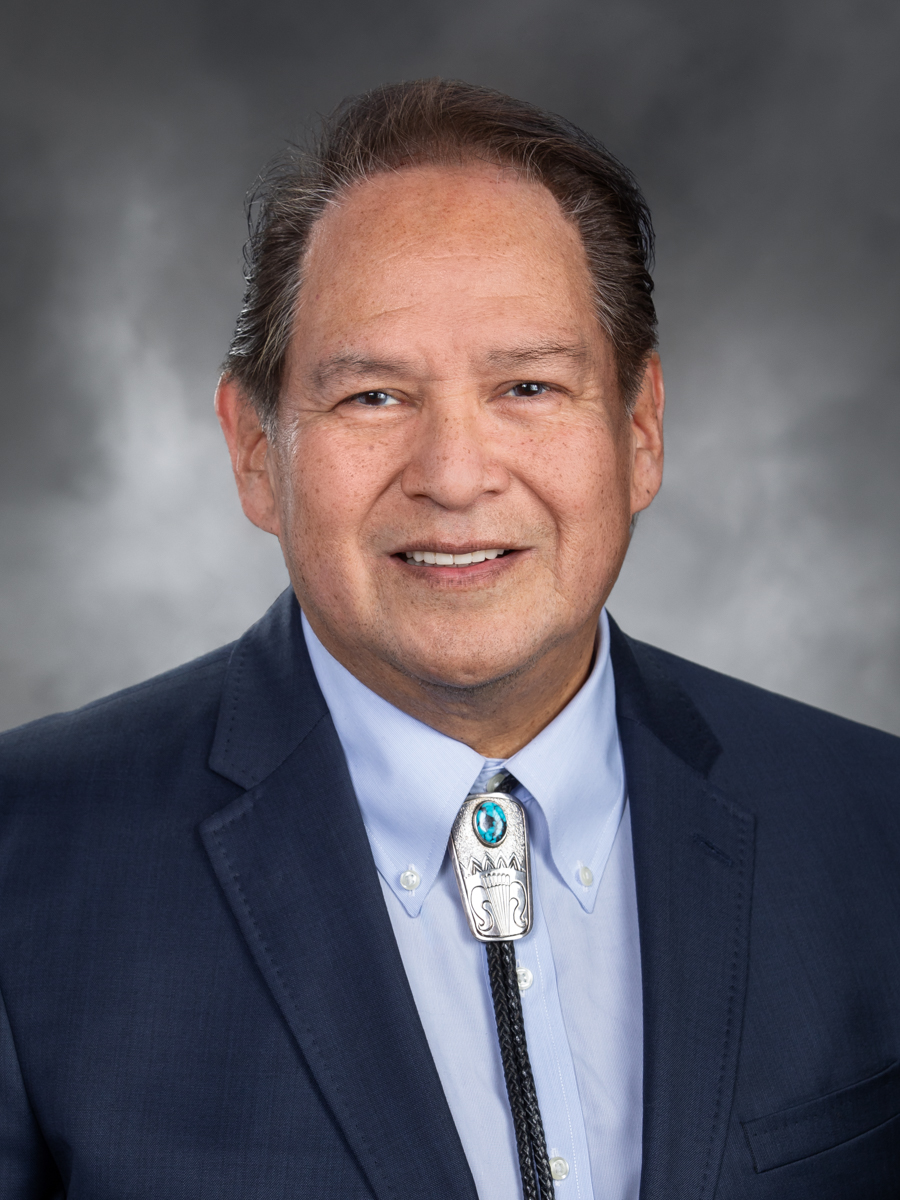
Rep. Chris Stearns
Sponsored bills
Maddy summaryHB 2105 requires Washington employers to notify workers within 72 hours if federal agencies plan I-9 form or worker record inspections. It mandates posting notices in five common non-English languages at workplaces, sending written notices to workers' last known addresses, and sharing federal inspection results with affected workers. The law directly affects all Washington employers and immigrant workers who may face federal immigration verification checks. Key provisions include multilingual notice requirements, timelines for employer communication, and a template for compliance developed by the Attorney General. This bill creates a formal process for transparency during federal I-9 audits, aiming to protect workers' rights during inspections.
Maddy summaryThis Washington bill requires AI companion chatbots that simulate human relationships to clearly disclose they are artificial at the start of use, every three hours, and at new sessions. For minors (under 18), it mandates hourly reminders about the artificial nature of the chatbot, blocks sexually explicit content, and prohibits manipulative tactics like fake emotional distress or excessive praise to foster dependency. It excludes customer service bots, in-game assistants, and educational tools from these rules. The law aims to prevent emotional dependency and ensure psychological safety while allowing responsible AI development.
Maddy summaryHB 2508 clarifies the authority of Washington's Office of Independent Investigations (OII) to align with current practices and adds public disclosure requirements while protecting privacy. It updates definitions (like "involved agency" and "independent investigation team") and specifies that the OII investigates police use of deadly force incidents, deaths during force, and prior investigations with new evidence. The bill requires the OII to prioritize cases based on resources, include pre-incident review in investigations, and provide public reports while safeguarding sensitive information. It directly affects law enforcement agencies, the OII, and individuals involved in police incidents. The changes aim to standardize the OII's operations without creating new investigative mandates.
Maddy summaryHB 2091 requires public employers covered under chapter 41.80 RCW (specifically Western Washington University, Central Washington University, Eastern Washington University, and The Evergreen State College) to provide employee information to exclusive bargaining representatives. The bill amends RCW 41.80.075 to expand the list of covered employers to include these four public universities. This means union representatives at these institutions would gain access to employee data previously not required to be shared under the existing law. The change directly affects these universities' labor relations by mandating information sharing with their recognized employee unions.
Maddy summaryHB 2575 reduces reporting burdens for utilities under Washington's environmental and energy laws. It changes annual reporting requirements to biennial (every two years) for qualifying utilities, simplifying the data they must submit - such as electricity savings, renewable energy acquisitions, and conservation expenditures - while removing some specific detail points. The bill directly affects investor-owned utilities and other qualifying energy providers by cutting the frequency of their compliance reports. This amendment streamlines administrative work without altering the underlying environmental or energy targets.
Maddy summaryHB 2334 would require cash transactions in Washington to be rounded to the nearest five cents, eliminating the need for pennies in physical payments. Specifically, prices ending in 1-2¢ or 6-7¢ would round down, while prices ending in 3-4¢ or 8-9¢ would round up. This rule applies only to cash payments (legal tender) and excludes credit/debit cards, electronic payments, or checks. The bill affects all businesses accepting cash and consumers making cash purchases, with rounding rules defined in the legislation. (Note: The bill is in early committee review as of January 2026 and has not been enacted.)
Maddy summaryHB 2296 allows Washington homeowners to install one small, customer-owned energy device (like solar panels or battery systems) on their home electricity meter, subject to safety and compatibility rules. Utilities must approve these devices within 90 days (for large utilities) or 180 days (for small utilities), cannot ban them locally, and must post approval decisions online. Devices must meet national safety standards, work with smart meters, not interfere with utility access or meter functions, and be certified by a testing lab. Homeowners pay for any utility service work related to the device installation, and utilities cannot be held liable for damage caused by approved devices. This directly affects residential electricity customers and utilities across Washington.
Maddy summaryHB 1128 creates a Washington state Child Care Workforce Standards Board to set minimum compensation and employment standards for child care workers. The board, composed of nine members including worker representatives (from family child care, center workers, and school-age programs), employer representatives, parent advocates, and state agency officials, will address low pay and poor working conditions that contribute to workforce instability. It requires the board to hold public hearings, establish standards with a six-member vote, and protect workers from retaliation for participating in the process. The law aims to improve child care quality and affordability by ensuring fair compensation and stable employment for workers directly serving children.
Maddy summaryHB 2436 regulates oil tanker operations in Washington state waters by establishing size-based escort requirements. It prohibits tankers over 125,000 deadweight tons from operating east of a line from Discovery Island to New Dungeness Light without U.S. Coast Guard authorization. Tankers between 40,000-125,000 deadweight tons must use tugs with minimum 3,000 horsepower or 5% of the tanker’s deadweight tonnage (whichever is greater) in Puget Sound, including Rosario Strait. Smaller tankers (5,000-40,000 deadweight tons) and certain oil barges in Rosario Strait face similar escort rules, with exceptions for bunkering vessels, cargo barges, and ballast vessels. The bill clarifies definitions for terms like "oil tanker" and "articulated tug barge" to apply these rules consistently.