Maddy summaryHB 2479 streamlines the process for workers to recover unpaid wages in Washington State. It requires the Department of Labor to investigate wage complaints within 60 days (extendable with notice), limits claims to unpaid wages from the past three years, and mandates employers to pay owed wages plus 1% monthly interest. For willful violations, employers face fines of at least $1,500 or 10% of unpaid wages (adjusted for inflation starting 2030), with penalties deposited into a new "wage recovery account." The bill directly affects workers who haven’t received pay and employers who owe wages, while giving the department expanded authority to investigate multiple violations under a single complaint.
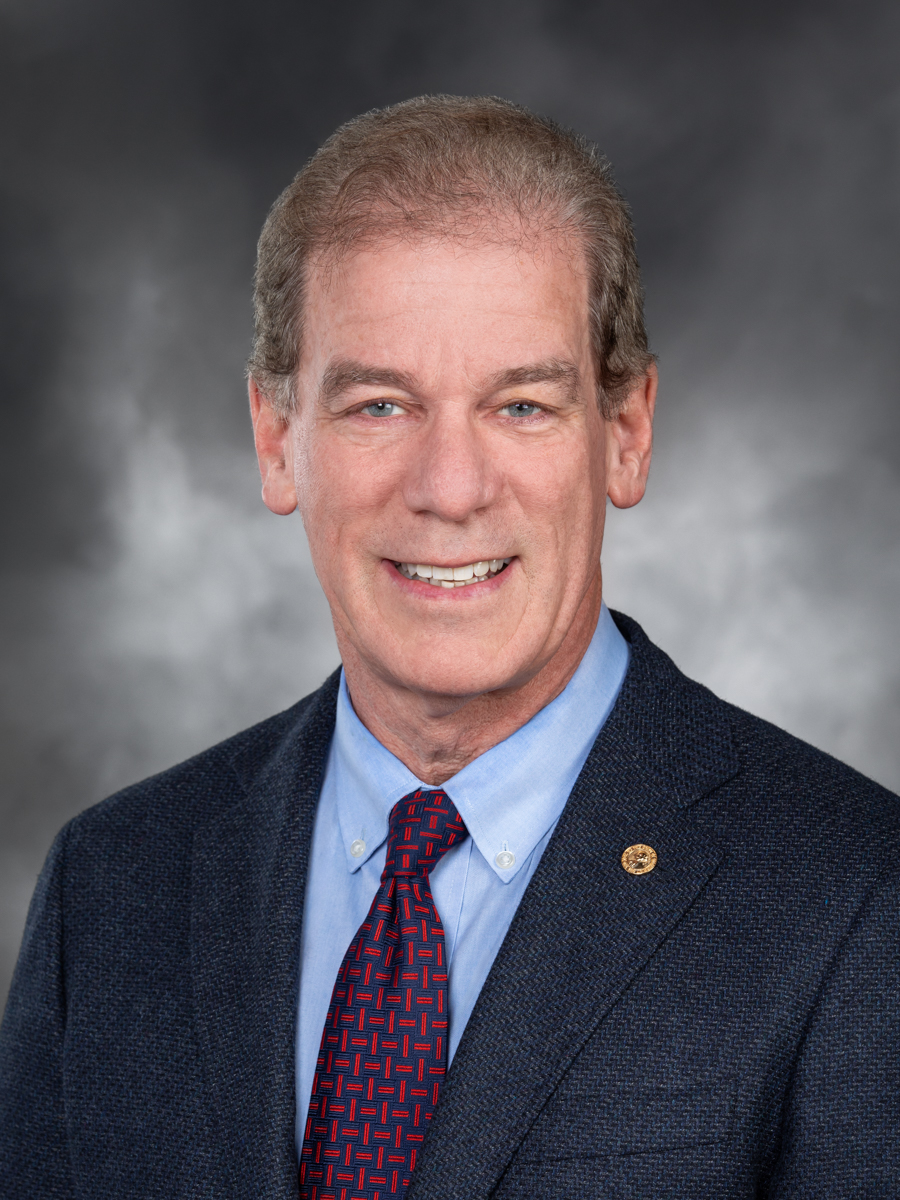
Rep. Roger Goodman
Sponsored bills
Maddy summaryThis bill is a House resolution that formally recognizes Representative Virginia "Jenny" Graham for her public service in the Washington State House of Representatives. It highlights her eight-year tenure, her advocacy for public safety, and her work on community safety and veterans' issues. The resolution does not create new laws or policies but serves as an official acknowledgment of her contributions and legacy.
Maddy summaryThis bill is a House resolution that formally honors John Michael Sattgast for his 35 years of dedicated service as a communications professional for the House Republican Caucus in the Washington State Legislature. It recognizes his work producing over 4,000 radio stories and coordinating media coverage for state representatives, as well as his leadership roles with the National Conference of State Legislatures. The resolution acknowledges his contributions to sharing legislative history and public information, noting his receipt of the 2023 Legislative Staff Achievement Award. This measure serves as a commemorative tribute rather than establishing new policy or affecting government operations.
Maddy summaryThis bill formally acknowledges the service of Representative Steve Tharinger to his district and the Washington state legislature. It recognizes his long career in public service, including his time as a Clallam County Commissioner, his work on the House Capital Budget Committee, and his advocacy for environmental protection and healthcare. The resolution serves as a commemorative tribute to his contributions and personal qualities rather than establishing new laws or policies.
Maddy summaryHB 2510 requires Washington's Department of Corrections to supervise specific individuals placed on community custody, directly affecting people convicted of certain sex offenses, repeat domestic violence offenses, or high-risk violent crimes. The bill mandates supervision for those convicted of sexual misconduct with minors, communication with minors for immoral purposes, domestic violence felonies with prior offenses, and individuals classified as high-risk to reoffend. It also specifies that supervision applies regardless of risk level for certain cases, such as failure-to-register violations, vehicular homicide, or stalking convictions. The supervision period cannot exceed the legally defined community custody term, with possible reductions for compliance. This bill updates existing statutes to clarify who must be supervised under community custody.
Maddy summaryHB 2637 expands exemptions under Washington state law to protect specific sensitive personal information from public disclosure. It directly affects students, healthcare patients, taxpayers, and individuals using public services by exempting data like student records, medical information, financial details (e.g., credit card numbers), geolocation data, driver's license records, and utility account information. Key provisions clarify that agencies cannot release this information unless required by other law, with limited exceptions for emergencies or legal mandates. The bill updates existing privacy protections to cover new data types, such as precise location coordinates and consumer utility data, while maintaining transparency requirements for certain disclosures like total license plate numbers.
Maddy summaryHB 1002 recognizes posttraumatic stress disorder (PTSD) as an occupational disease for county coroners, medical examiner personnel, and investigative staff in Washington State. It amends workers' compensation rules (RCW 51.08.142) to allow these workers to file claims for PTSD-related injuries, which were previously excluded. The bill requires pre-employment psychological exams for some groups (like firefighters and law enforcement) hired after specific dates to confirm no preexisting PTSD. This change directly affects public safety workers in high-stress roles who develop PTSD from job-related trauma, expanding their eligibility for workers' compensation coverage.
Maddy summaryHB 1574 expands "Good Samaritan" protections for individuals seeking or experiencing medical assistance during a drug-related overdose. The bill prevents these individuals from being arrested, charged, or prosecuted for drug possession if the evidence was obtained due to the overdose. It also protects them from civil forfeiture of property (with exceptions) and penalties for certain violations, such as probation or restraining orders, if these were discovered as a result of the overdose. Furthermore, it clarifies that these overdose protections can override mandatory arrest requirements for other offenses when the evidence is linked to the overdose and the need for medical assistance.
Maddy summaryHB 2303 prohibits employers in Washington state from requiring, requesting, or coercing employees to have microchips implanted. It directly affects all employers (including state agencies) and employees, excluding medical devices used for health monitoring. The bill creates a legal remedy allowing affected employees to sue for damages, attorney fees, and injunctions if violated. It defines "microchip" as subcutaneous devices storing personal data, but clarifies medical implants for health treatment are exempt.
Maddy summaryThis bill creates a temporary exemption allowing individuals applying for a music therapy license to provide services under a licensed therapist's supervision for up to six months. It directly affects applicants who have met all licensing requirements except passing the required exam. The exemption applies only if they do not represent themselves as licensed music therapists and are working toward full licensure. This change modifies Washington's existing licensing law to streamline entry into the profession while maintaining public safety standards. The provision takes effect January 1, 2028.