

Maddy summaryHB 1117 repeals Washington State's adoption of California's motor vehicle emissions standards, which had caused registration barriers for vehicles meeting federal standards. The bill directly affects vehicle owners who previously needed 407,541 exemptions to register their vehicles and government agencies managing registrations. Key provisions require the Department of Licensing to register previously prohibited vehicles (if they meet state requirements) and direct the Department of Ecology to repeal all rules implementing California standards. This eliminates administrative burdens on both the public and government, allowing vehicles to be registered without exemptions under federal standards. The bill takes immediate effect as an emergency measure.
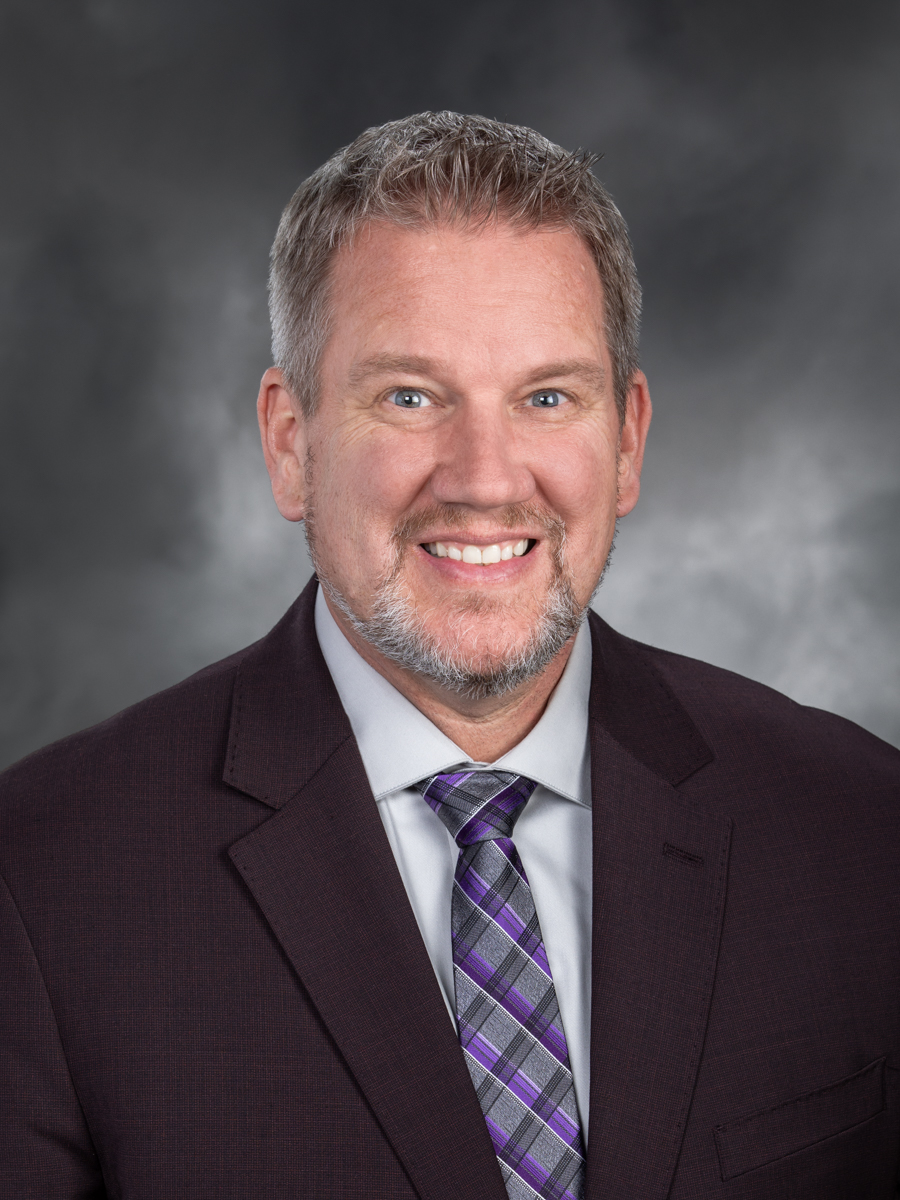
Rep. Sam Low
Sponsored bills
Maddy summaryHB 1419 requires interpreters providing language services under specific state contracts (for social services, child welfare, healthcare, and workers' compensation programs) to complete national fingerprint background checks. Existing interpreters must submit a background check by July 1, 2026, while new interpreters hired on or after that date must complete one before starting work. After July 1, 2026, all interpreters must renew their background checks annually. The bill applies to interpreters working for state agencies like the Department of Social and Health Services, Department of Children, Youth, and Families, and the Department of Labor and Industries.
Maddy summaryHB 1238 creates a 12-member advisory council within the University of Washington School of Medicine to address rare disease challenges in Washington. The council advises the state health secretary on research, diagnosis, treatment, and education, directly impacting the estimated 30,000 Washington residents living with rare diseases (affecting fewer than 200,000 people nationally). Key provisions require balanced geographic representation (east/west Cascades), include patient advocates and medical experts, and mandate biennial reports starting in 2026 on improving care access, diagnosis, and public awareness. The council will develop strategies to coordinate disease prevalence studies, identify effective treatments, and recommend a centralized online resource for patients and caregivers, without overriding local health authority during outbreaks.
Maddy summaryHB 1410 suspends cannabis producer licenses that show no business activity between July 2023 and December 2024, directly affecting dormant license holders in Washington's cannabis industry. The bill requires the Liquor and Cannabis Board to suspend these licenses automatically if no activity (e.g., sales or production reports) is recorded during that period. Licenses remain suspended until federal law permits interstate cannabis sales or the U.S. Department of Justice provides explicit guidance allowing such transfers. This aims to address market oversupply by temporarily removing inactive licenses, pending broader federal regulatory changes.
Maddy summaryHB 1548 requires cannabis retail stores in Washington to report robbery attempts or incidents to the state board within 10 days. It also mandates that the board's enforcement officer regularly consult with the Washington State Patrol to identify patterns of robbery at these stores. The bill amends sentencing laws to require courts to make a special finding if someone robs a cannabis store by using a vehicle to damage it or by committing the robbery with others, which could lead to harsher penalties. This directly affects licensed cannabis retailers and impacts sentencing for specific types of robberies targeting these businesses. The law aims to improve reporting and law enforcement coordination to deter such crimes.
Maddy summaryHB 1331 changes the legal classification for cases where someone unlawfully delivers a controlled substance (like drugs) that causes the death of the person who used it. It reclassifies this as "manslaughter in the first degree" (a class A felony) under Washington law, instead of the previous penalty structure. This specifically affects individuals who deliver drugs that directly result in a user's death, such as in overdose cases. The bill repeals the existing "controlled substances homicide" penalty section (RCW 69.50.415) to implement this new classification. The change aims to strengthen penalties for drug dealers whose actions cause fatal outcomes.
Maddy summaryHB 1808 creates a state-funded revolving loan program to support permanently affordable homeownership for low-income households. The program provides loans (up to 50% of project costs) to nonprofit developers building housing that remains affordable for at least 99 years through long-term restrictions on resale and ownership. Loans carry interest rates between 1% and 2.5%, with repayments recycled into the fund to finance new projects. This directly affects low-income homebuyers (defined as households earning ≤80% of local median income) and nonprofit developers who build housing meeting specific affordability standards.
Maddy summaryHB 1097 clarifies that local governments (like cities and counties) may extend sewer services to properties outside urban growth areas under five specific, limited circumstances: to protect public health/safety/environment, connect landfills, replace failing septic systems, connect properties within a quarter-mile of existing sewer, or connect properties adjacent to existing sewer infrastructure. It does not create new requirements but explicitly states these extensions should be "liberally construed" as compliant with existing law. The bill directly affects local service providers and property owners seeking sewer access beyond urban boundaries. It focuses solely on sewer services, not other governmental services, and ensures extensions do not encourage urban development.
Maddy summaryHB 1033 allows counties in Washington to create and enforce their own licensing and regulatory rules for child care centers and family home providers, beginning July 1, 2026. Counties must meet specific minimum requirements covering facility safety, staff qualifications, child well-being, and record-keeping before adopting local rules. Once implemented, counties - not the state department - will handle licensing and regulation for these providers, with counties required to report quarterly to the state about their rules and licensed providers. The state department will no longer regulate these providers or bear liability for their operations, though it will provide technical assistance and ensure locally licensed providers can access state child care subsidy programs.
Maddy summaryHB 1179 would allow Washington seniors aged 61+ and disabled veterans with VA disability ratings of 80% or higher to freeze their property tax valuation. Qualifying residents would pay no tax on a portion of their home's value based on income: lower-income households get full relief on all taxes, while others receive partial relief up to $70,000 of home value. The exemption uses "combined disposable income" to determine eligibility and applies the frozen valuation (based on 1995 or qualification year) to reduce taxes. This law would take effect for property taxes collected starting in 2026.