Maddy summaryThis bill is a ceremonial resolution (HR 4691) adopted by the Washington State House of Representatives on February 16, 2026. It formally commends the contributions of U.S. presidents, specifically highlighting George Washington and Abraham Lincoln's roles in establishing freedom and ending slavery, and recognizes the third Monday in February as Presidents' Day. The resolution does not create new laws or affect any individuals or policies; it solely expresses the House's symbolic honor for presidential legacies. It directly affects no one but serves as a formal statement of recognition by the state legislature.
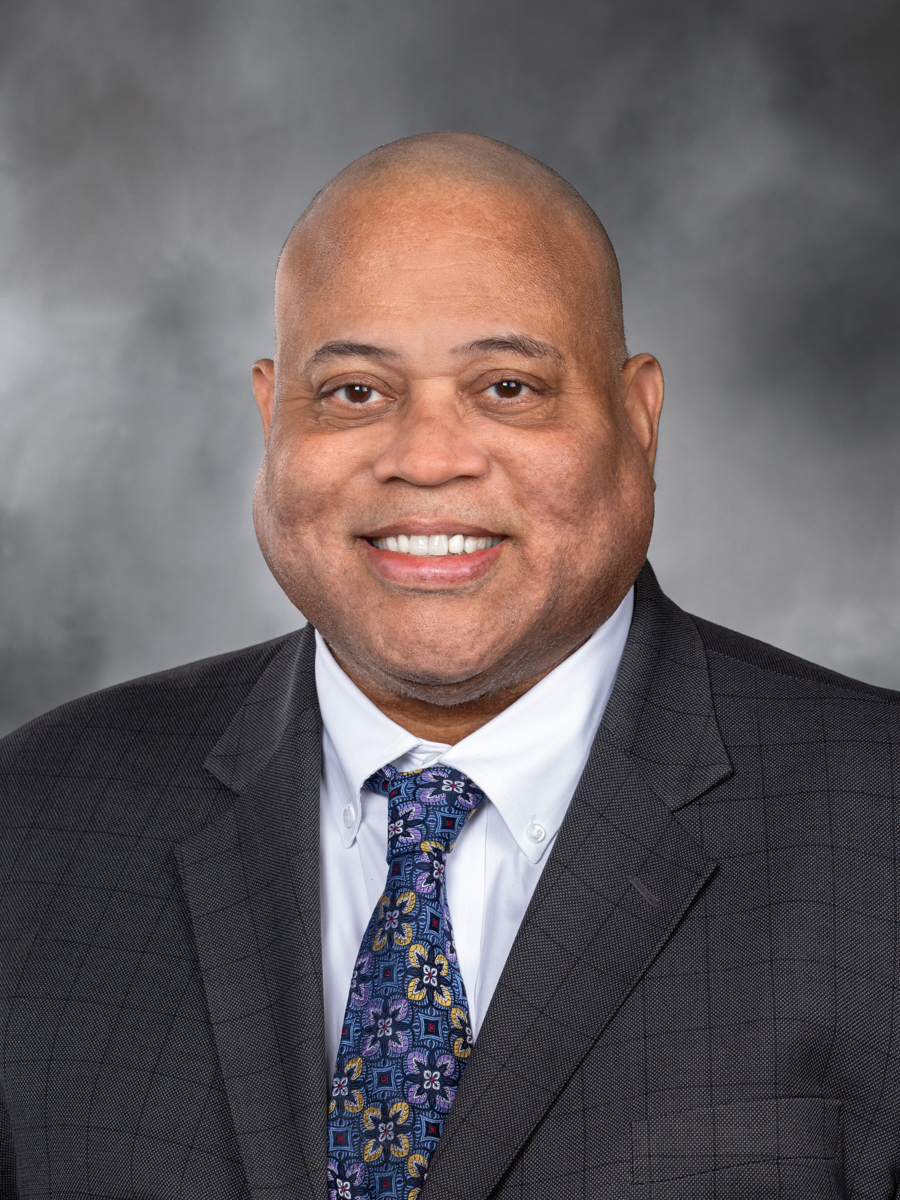
Rep. David Hackney
Sponsored bills
Maddy summaryThis is a ceremonial resolution (not substantive legislation) passed by the Washington state House of Representatives. It formally congratulates the Seattle Seahawks football team for winning the 2025 NFL regular season, NFC West Division championship, and Super Bowl 60. The resolution specifically recognizes their 14-3 record, defensive dominance, key player achievements (including MVP Kenneth Walker III), and community contributions. It has no legal effect beyond expressing the House's recognition and appreciation to the team organization.
Maddy summaryThis resolution formally acknowledges Washington state's longstanding relationship with Ireland, highlighting longstanding ties like the Seattle-Galway sister city partnership (since 1986) and over $1 billion annually in trade across technology, agriculture, and other sectors. It does not create new laws, policies, or funding - only serves as a symbolic gesture of recognition by the Washington state House of Representatives. The resolution was introduced and adopted on February 9, 2026, with no direct impact on residents, businesses, or government operations. As a ceremonial resolution, it focuses on affirming existing partnerships rather than implementing concrete policy changes.
Maddy summaryHouse Resolution 4675, adopted on January 28, 2026, is a ceremonial resolution expressing the Washington State House of Representatives' gratitude to the Washington National Guard for their service. It specifically acknowledges the Guard's roles in emergency response (including flood operations and search-and-rescue missions), disaster recovery efforts (like adapting from the Oso landslide), and national defense support (such as aerial refueling capabilities). The resolution directs copies to the Adjutant General, Governor, and other officials but does not create new laws or alter policies. It directly honors National Guard members, their families, and employers without imposing any financial or operational requirements.
Maddy summaryHB 2585 establishes Washington's first state-level false claims act, creating a legal tool to penalize individuals and entities that submit false or fraudulent claims to the state for payment. It directly affects contractors, grant recipients, and others receiving state funds by imposing civil penalties of $14,308-$28,619 per violation, plus triple damages for knowingly submitting false claims or records. Key provisions include allowing whistleblowers (qui tam relators) to file lawsuits on behalf of the state and requiring cooperation with investigations to potentially reduce penalties. The law provides the state attorney general with enforcement authority to recover funds lost to fraud, mirroring federal false claims act standards.
Maddy summaryHB 2662 requires Washington's state investment board to integrate environmental, social, and governance principles into managing public retirement and trust funds. It prohibits investments in companies involved in forced labor, coal production, tobacco manufacturing, severe environmental harm, or violations of international humanitarian law, while still prioritizing strong financial returns. The board must annually report on how these principles guide investment decisions and develop proxy voting guidelines to address related risks. This directly affects the board’s management of billions in state funds, including retirement accounts and public trust assets.
Maddy summaryThis bill directs Washington's Office of the Superintendent of Public Instruction to form a work group that identifies existing African American studies curricula used in high schools and colleges nationwide. The work group must review prior education reports, consult with historically Black colleges, and survey current programs to compile a list of approved materials. By December 2027, the office must submit this list to the legislature for school districts to consider adopting in grades 7-12. The requirement expires July 1, 2028.
Maddy summaryHB 1228 establishes standards for toxicology testing in Washington State DUI cases. It requires that blood and breath tests used to determine alcohol or drug impairment must be conducted by either a laboratory certified under the ISO/IEC 17025 standard for forensic toxicology or by an individual holding a permit from the state toxicologist. The bill specifies detailed procedures for breath testing, including a 15-minute observation period without eating, drinking, or smoking, and precise calibration requirements, while also mandating that blood draws be performed by specific licensed healthcare professionals under defined conditions. This law directly affects law enforcement, testing laboratories, and individuals charged with driving under the influence by setting clear criteria for test admissibility in court.
Maddy summaryThis is a ceremonial House resolution (not a policy bill) introduced on January 19, 2026, by multiple Washington State Representatives. It formally recognizes Dr. Martin Luther King Jr.'s life, legacy of nonviolent activism, and contributions to civil rights, including his role in the Civil Rights Act of 1964 and Voting Rights Act of 1965. The resolution expresses the House's commitment to upholding Dr. King's ideals of equality, justice, and opportunity for all. As a symbolic gesture, it does not create new laws, allocate funds, or affect any specific individuals or groups.
Maddy summaryHB 2541 establishes an objective standard for evaluating police use of force, based on the U.S. Supreme Court's *Graham v. Connor* ruling. It clarifies when officers may use physical force (e.g., during arrests or to prevent escape) or deadly force (only for immediate threats of death or serious injury), requiring de-escalation tactics and consideration of vulnerable individuals like pregnant people, minors, or those with disabilities. The bill mandates that force decisions be judged by whether a reasonable officer in similar circumstances would act the same, without regard to the officer’s intent. It directly affects all peace officers in Washington and the public they interact with during enforcement actions. The law codifies existing guidance to address implementation challenges while preserving constitutional rights.