Maddy summaryThis bill increases the income limit for deducting mortgage insurance premiums on federal income taxes. It doubles the cap from $100,000 (or $50,000 for married filing separately) to $200,000 (or $100,000 for married filing separately) under IRS Code Section 163(h)(3)(E), making the deduction permanent for qualifying taxpayers. The change directly affects middle-income homeowners who pay mortgage insurance premiums and itemize deductions on their tax returns. The policy takes effect for tax years beginning after December 31, 2025.
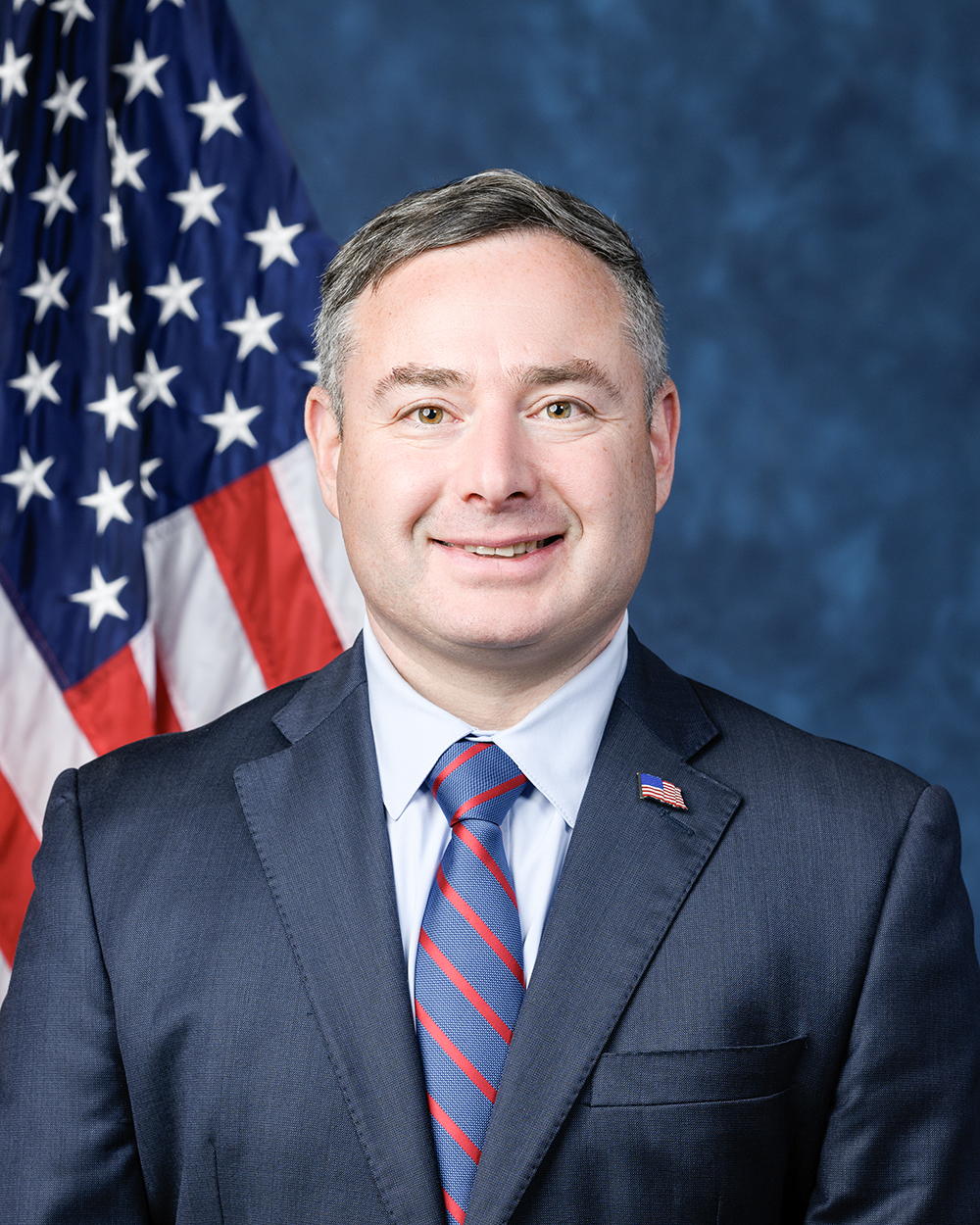
Rep. Eugene Simon Vindman
Sponsored bills
Maddy summaryThe American Family Act (HR 2763) establishes a new refundable child tax credit that provides monthly payments to eligible families with children. It would pay $300 per month for each child under age 6 and $360 per month (120% of $300) for each child age 6 or older, with income limits of $150,000 for joint filers and $112,500 for other filers. The bill creates a "period of presumptive eligibility" to determine eligibility for monthly payments, allowing families to receive advance payments based on information from previous tax returns. This would directly affect millions of families with children who meet the income requirements, providing more consistent financial support throughout the year rather than an annual tax credit.
Maddy summaryThis bill expands Medicare coverage to include audiology services provided by qualified audiologists without requiring a physician referral or supervision. Starting January 1, 2027, Medicare will pay 80% of the standard rate for these services, which include hearing and balance assessments and treatment. It specifically allows audiologists to legally provide these services under state law, as long as they are covered if provided by a physician. The bill does not expand the types of services covered beyond those already payable under Medicare as of December 31, 2026.
Maddy summaryHR 2788, the End DWI Act of 2025, requires states to mandate ignition interlock devices for drivers convicted of driving while intoxicated (DWI) for a minimum of 180 days. States that fail to implement this requirement risk losing 3% of federal highway funds in 2027 and 5% annually thereafter. The bill directly affects states (by tying funding to policy compliance) and DWI offenders (who must use interlock devices to regain driving privileges). Key provisions include a national standard for interlock use, defined exceptions (like employer vehicles), and mechanisms for restoring withheld funds once states comply.
Maddy summaryThis bill requires the Department of Homeland Security to launch a public service campaign educating the public and international allies about transnational repression - when foreign governments harass, threaten, or retaliate against people in the U.S. to coerce them or punish exercise of rights. The campaign must provide resources for victims, including anonymous FBI reporting options, and operate in relevant languages. It also mandates research into technologies to help law enforcement counter these threats while respecting privacy and civil liberties. The bill directly affects victims of transnational repression and federal, state, local, tribal, and territorial law enforcement agencies.
Maddy summaryHR 1960, the Simplifying Veterans Assistance Act of 2025, modifies how the Department of Veterans Affairs (VA) assists organizations applying for grants to support homeless veterans. It requires the VA to make online guidance and best practices publicly available and hold at least two mandatory pre-application information sessions for entities seeking these grants. Each session must last at least one hour, include Q&A, explain application language, and detail other assistance resources. This directly affects veterans' service organizations applying for homeless assistance grants under existing VA programs.
Maddy summaryHR 1793, the Veterans Readiness and Employment Transparency Act of 2025, requires the Department of Veterans Affairs (VA) to improve access to vocational rehabilitation services for veterans with service-connected disabilities. The bill mandates a dedicated VA hotline, updated regional office websites with contact details, and requires VA counselors to hold monthly staff Q&A sessions and provide in-person briefings at local educational institutions (or virtual briefings for institutions over 150 miles away). It also requires the VA to submit an annual report detailing the number of veterans requesting, receiving, and being denied extensions to their rehabilitation program periods. These provisions directly affect veterans using VA vocational rehabilitation programs and VA regional office staff responsible for delivering those services.
Maddy summaryThe Raise the Wage Act of 2025 gradually increases the federal minimum wage from $9.50 to $17.00 per hour over six years, with annual adjustments based on median wage growth. It raises the base wage for tipped workers from $6.00 to $17.00 per hour, phasing out their separate minimum wage structure by 2029. The bill also eliminates special minimum wage certificates for disabled workers after 2029, requiring employers to pay the standard minimum wage. These changes apply to most covered workers, including tipped employees and those under 20, with specific transition timelines for each group.
Maddy summaryHR 2735, the Strengthening Child Exploitation Enforcement Act, updates federal laws to better protect children from exploitation. It amends kidnapping statutes to include deception in abduction definitions and explicitly states that consent is not a defense for offenses involving victims under 16. The bill adds a new provision (2243(f)) making it illegal to intentionally touch a minor under 16 without clothing for sexual purposes in specific settings like prisons or federal facilities. These changes apply retroactively to conduct occurring before, on, or after the law’s enactment.
Maddy summaryThe Great Lakes Mapping Act of 2025 requires the National Oceanic and Atmospheric Administration (NOAA) to create high-resolution maps of all Great Lakes lakebeds by December 31, 2030. This includes collecting detailed depth measurements, cataloging existing data, and managing metadata, with NOAA coordinating with Great Lakes states, regional councils, and existing initiatives. The bill mandates that partial maps be shared publicly during the project and the full map with supporting data must be released within 180 days of completion. It authorizes $50 million annually (2025-2029) for this effort, with funds available through 2030. The law directly affects NOAA and its partners, enabling improved resource management and navigation through publicly accessible lakebed data.