Maddy summaryH.Res. 1320 is a non-binding resolution that calls on all Americans to honor military personnel who died while serving in the pursuit of freedom and peace on Memorial Day 2026. The bill does not create new laws or change any policies; instead, it serves as a formal expression of gratitude and remembrance from the House of Representatives. Because it is a commemorative resolution rather than a procedural or funding measure, it has no direct legal effect on individuals or government operations.
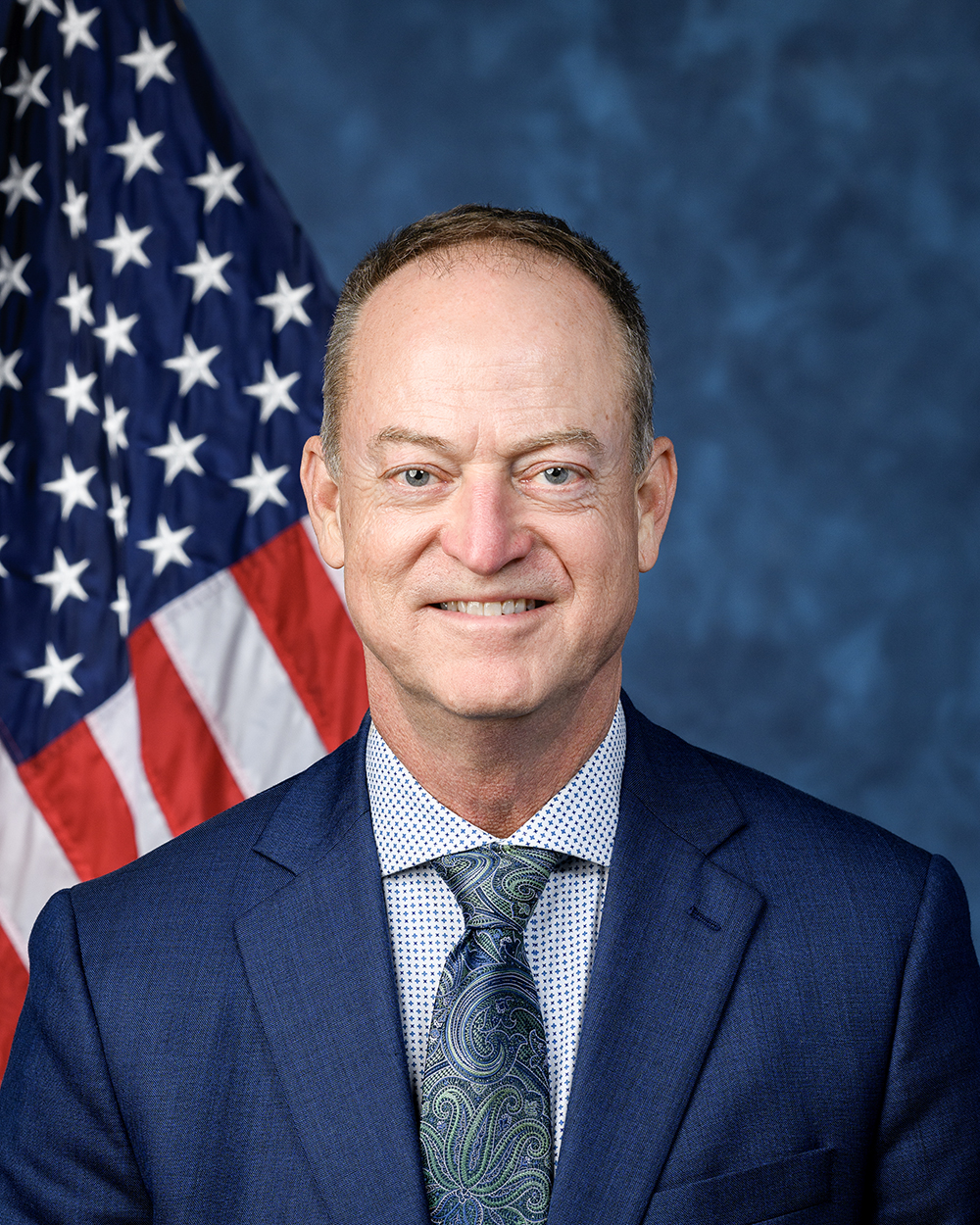
Rep. Mark B. Messmer
Sponsored bills
Maddy summaryThis bill simplifies filing requirements for employer-sponsored retirement plans. It extends the deadline for submitting Form 5500 (the annual report for retirement plans) from 210 days or 6 months after the plan year end to 15 days after the end of the 9th calendar month following the plan year. It also allows electronic signatures for these filings and requires agencies to update regulations to reflect these changes. The bill directly affects employers and plan administrators who manage retirement plans under federal law, reducing administrative burdens and modernizing the filing process.
Maddy summaryThe Smithsonian American Women’s History Museum Act authorizes the creation of a new Smithsonian museum dedicated to women’s history, to be located within the National Mall Reserve in Washington, D.C. If the site is managed by another federal agency, the bill requires that agency to transfer the land after notifying Congress and relevant committees. The museum must ensure exhibits and programs accurately represent diverse women’s experiences by consulting a broad range of experts and community voices. The Smithsonian will submit biennial reports to Congress detailing how the museum meets these representation standards.
Maddy summaryThe ARCA Act of 2025 aims to reform the Department of Veterans Affairs' (VA) acquisition process, directly impacting how the VA procures services, supplies, and technology for veterans. It establishes an Assistant Secretary for Acquisition and an Office of Acquisition to consolidate all major acquisition, procurement, logistics, and supply chain functions under a single authority. The bill creates a Director of Cost Assessment and Program Evaluation to conduct independent cost estimates and evaluations, and mandates independent verification and validation for major acquisition programs. Additionally, it requires a standardized requirements development process for major programs and expands entry-level acquisition internship programs to strengthen the VA's acquisition workforce.
Maddy summaryThe VISN Reform Act of 2025 reorganizes the Veterans Health Administration’s 23 regional networks (VISNs) into eight geographically defined networks. It requires consolidating specific existing VISNs (e.g., combining VISNs 1, 2, and 4 into one network) and limits each VISN headquarters to 50 employees (no more than 10 contractors). The bill mandates a reorganization plan within 180 days of enactment, focusing on reducing duplicate functions, aligning services with veteran needs, and ensuring headquarters staff do not reduce access to care. This directly affects VA healthcare operations, including facility management, staffing at VISN headquarters, and coordination with state/local veteran services. The reform aims to streamline administration while maintaining accountability through annual reports to Congress and triennial network reviews.
Nationwide Consumer and Fuel Retailer Choice Act of 2025 This bill amends the Clean Air Act to address the limitations on Reid Vapor Pressure (a measure of gasoline's volatility) that are placed on gasoline during the summer ozone season. Specifically, the bill applies the waiver for Reid Vapor Pressure requirements that is applicable to gasoline blended with 10% ethanol (E10) to gasoline blended with up to 15% ethanol (E15). This change allows gasoline that is blended with 10% to 15% ethanol to be sold year-round. Currently, states may be excluded from the waiver for Reid Vapor Pressure requirements by submitting documentation supporting that the waiver would increase air pollution. The bill nullifies existing state exclusions, but states may submit documentation after enactment of the bill to be excluded going forward. The bill also modifies the Renewable Fuel Standard Program, which requires transportation fuel sold or introduced into commerce in the United States to contain minimum volumes of renewable fuel. Under the existing program, obligated parties, such as small refineries, must satisfy the volume obligations by either blending renewable fuels into their gasoline or diesel fuel products or by acquiring credits that represent the required renewable fuel volume. The bill directs the Environmental Protection Agency to return compliance credits to small refineries under certain circumstances.
This resolution expresses support for police officers and other law enforcement personnel. The resolution further recognizes law enforcement officers across the United States in the pursuit of preserving safe and secure communities; the need to ensure that such officers have the equipment, training, and resources necessary to protect their health and safety while they are protecting the public; and the law enforcement community for acts of sacrifice and heroism. The resolution expresses condolences and appreciation to the loved ones of each law enforcement officer who has made the ultimate sacrifice in the line of duty.
Maddy summaryThe Armed Forces Carry Rights Protection Act of 2026 modifies federal law to make it easier for military personnel to carry personal firearms on military bases when they are not on duty. Under this bill, commanders would face a legal presumption in favor of approving such requests, shifting the default stance toward allowing carry rather than restricting it. If a commander does deny a request, the law requires them to provide a written explanation that is specific to the individual and based on objective criteria. This change directly affects active-duty service members and the commanders who evaluate their requests for firearm authorization on installation.
Maddy summaryThe FLEETS Now Act aims to strengthen the U.S. shipbuilding industry by creating new government roles, establishing international partnerships with allies, and investigating unfair practices by Chinese state-owned shipbuilding companies. It creates a new Assistant Secretary position at the State Department to oversee maritime and space affairs, designates a lead official for international shipbuilding investment, and sets up an exchange program for shipbuilding experts between the U.S. and other countries. The bill also requires regular reports on Chinese shipbuilding entities, establishes a framework for allied countries to collaborate on ship production, and directs U.S. diplomats to advocate for changes at the International Maritime Organization regarding environmental regulations and leadership positions.
Maddy summaryThe Medicare Advantage Improvement Act of 2026 aims to speed up care decisions and increase transparency for Medicare Advantage enrollees and providers. Starting in 2028, the bill requires insurance plans to respond to most prior authorization requests within 72 hours and to provide real-time decisions for low-risk services, while also banning requirements for re-authorization when a treatment plan is clinically modified. The legislation introduces a new compliance scoring system that will publicly rank plans and reduce payments to those with poor performance, alongside stricter rules ensuring medical necessity standards match those of traditional Medicare.