This resolution expresses the sense of the House of Representatives that (1) the President should classify synthetic illicit fentanyl-related substances as weapons of mass destruction; and (2) illicit fentanyl, and illicit fentanyl-related substances, should be permanently placed in schedule I (i.e., as drugs, substances, or chemicals with no currently accepted medical use and a high potential for abuse).
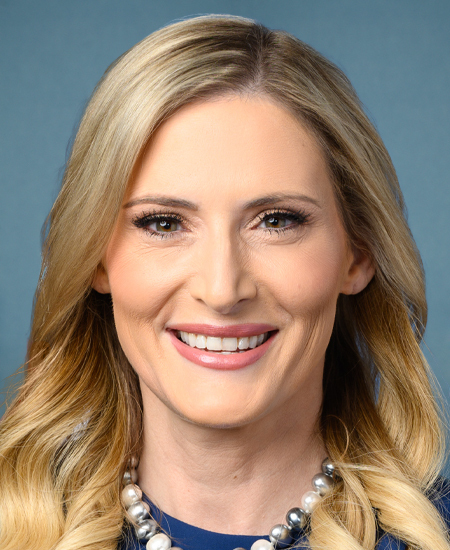
Rep. Laurel M. Lee
Sponsored bills
Maddy summaryThe Educational Choice for Children Act creates tax credits for individuals and corporations that contribute to scholarship granting organizations providing education scholarships. Individuals can claim a credit up to $5,000 or 10% of their income, while corporations can claim up to 5% of taxable income. The scholarships are available to students from households with income up to 300% of the area median income, and can be used for private school tuition, tutoring, and other educational expenses at elementary and secondary schools. The bill includes strict requirements for scholarship organizations to verify income, conduct audits, and prevent misuse of funds, while also prohibiting government control over these organizations and protecting private and religious schools from discrimination in the program. It establishes a $10 billion annual cap on the total tax credits available.
Maddy summaryHR 496, the PELL Act, creates "Workforce Pell Grants" to support short-term workforce training programs instead of traditional college degrees. It directly affects students enrolled in qualifying short programs (150-600 hours, 8-15 weeks) that align with in-demand jobs. To qualify, programs must meet strict standards: 70%+ completion rates, 70%+ job placement rates, and demonstrate graduates earn at least 150% above the poverty line within three years. The bill also requires annual public reporting of program outcomes like completion rates, job placement, and graduate earnings to ensure accountability.
Maddy summaryThis bill renames a U.S. Postal Service facility at 620 East Pecan Boulevard in McAllen, Texas, as the "Agent Raul H. Gonzalez Jr. Memorial Post Office." It updates all federal references to the location to reflect this new name. The bill has no policy impact - it is purely a ceremonial designation honoring an individual. No other provisions or affected groups are involved.
Leaker Accountability Act of 2023 This bill establishes a new federal crime for the unauthorized disclosure of confidential information by officers or employees of the Supreme Court. Specifically, the bill prohibits an officer or employee of the Supreme Court from knowingly publishing, divulging, disclosing, or making known in any manner or to any extent not authorized by law any confidential information coming to that officer or employee in the course of the employment or official duties of that officer or employee. A violation is subject to criminal penalties—a fine, a prison term of up to five years, or both.
Maddy summaryHR 53 (FIND Act) requires federal contractors to certify they do not refuse to work with firearm manufacturers, dealers, ammunition sellers, or related safety device companies based on bias. It prohibits main contractors from awarding subcontracts exceeding 10% of a contract’s value to entities that fail to make this certification, and bans efforts to circumvent the rule through complex subcontract tiers. The law applies to all federal procurement contracts, directly affecting businesses bidding on government work. Violations risk contract termination and suspension from future government contracts.
Maddy summaryThis bill requires large district attorney offices (serving jurisdictions of 380,000+ people) that receive federal Byrne grant funds to submit annual reports to the Attorney General. The reports must detail prosecution decisions for 10 specific violent crimes and gun offenses (including murder, rape, robbery, aggravated assault, burglary, and firearm violations), such as cases declined, plea agreements, and defendant histories. The Attorney General must establish uniform reporting standards and share all collected data publicly with Congress and on a government website. This policy change directly affects major prosecutors' offices receiving federal crime-fighting funds, aiming to increase transparency in how they handle serious offenses.