Maddy summaryHR 2488 designates the U.S. Postal Service facility at 3817 Marysville Boulevard in Sacramento, California, as the "Grantland Johnson Post Office." This bill updates all federal references in laws, maps, and documents to use the new name for that specific location. It directly affects the postal service facility and any federal records mentioning it. The bill is purely procedural, with no policy changes or financial impacts beyond the name designation.
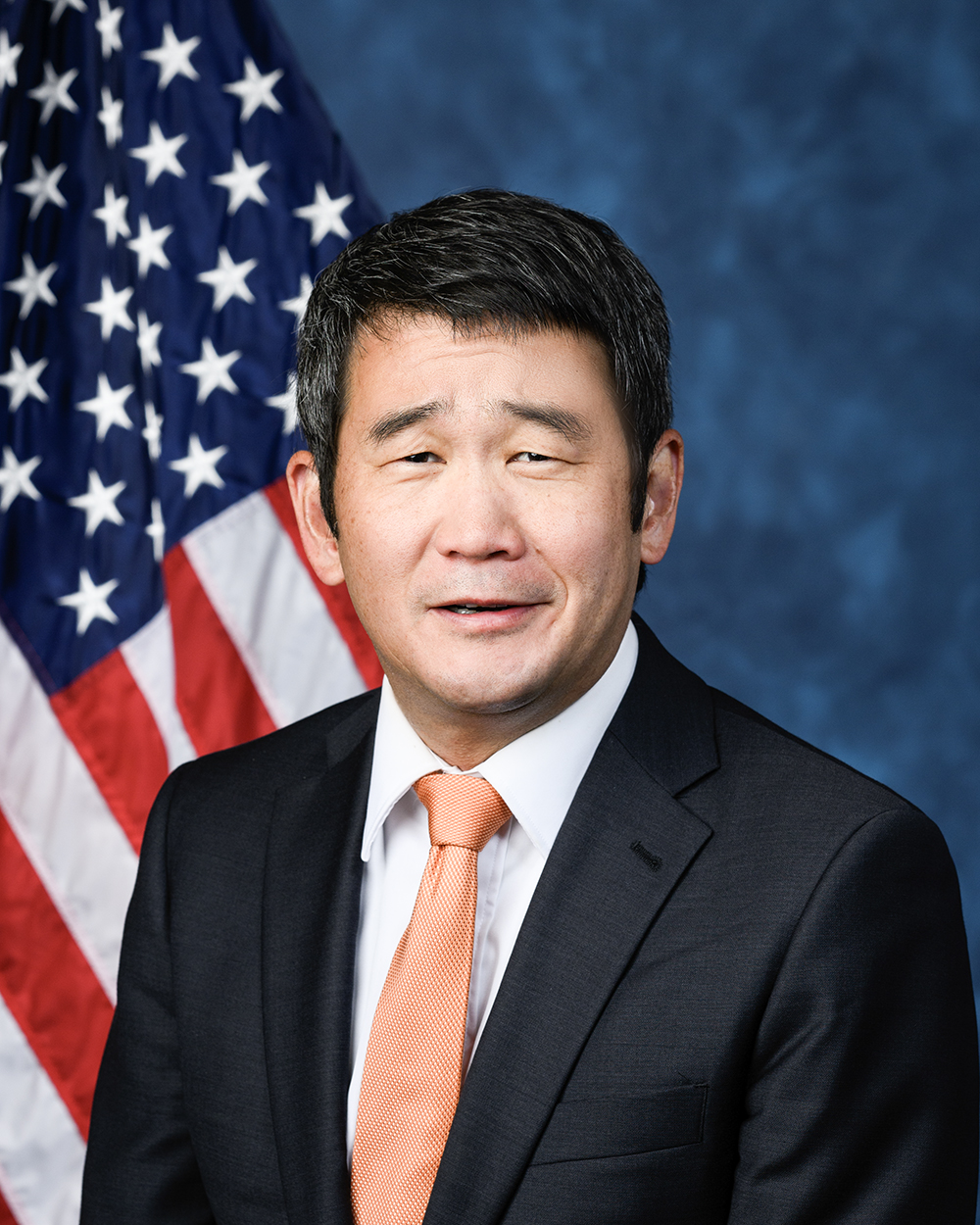
Rep. Dave Min
Sponsored bills
Maddy summaryThis resolution expresses support for designating April as Sikh History Month to honor the history, culture, and contributions of the Sikh community. The measure highlights key Sikh principles such as equality, honest labor, and community service, noting that April often coincides with the significant festival of Vaisakhi. By encouraging schools and public institutions to host educational events, the bill aims to increase awareness of Sikh heritage and reduce misunderstandings about the faith. Ultimately, this non-binding resolution serves as a formal recognition of the Sikh community's role in American society rather than creating new legal requirements.
Maddy summaryThe Investing in the American Dream Act expands eligibility for Small Business Administration loans to include small businesses owned by certain non-citizens. Specifically, it allows businesses to qualify if they are at least 51 percent owned and controlled by individuals who are lawfully present in the United States and authorized to work, such as refugees, asylees, permanent residents, and specific nonimmigrant visa holders. The bill also permits businesses owned by individuals living outside the United States to apply for these loans. This change aims to broaden access to federal financial support for small enterprises by removing previous restrictions based on the citizenship or permanent residency status of the business owners.
Maddy summaryThis bill amends the Marine Mammal Protection Act to require federal officials to identify marine mammal species and populations facing population declines due to climate change. It mandates the creation of specific management plans for these species, which must include strategies to reduce human impacts, monitor interactions with fisheries, and improve habitat resiliency. The legislation also establishes a new monitoring program to track climate effects and authorizes funding for these conservation efforts from 2027 through 2031.
Maddy summaryThis resolution designates April as "Community College Month" to recognize the significance of community colleges across the United States. It celebrates over 1,000 institutions for their role in providing accessible higher education and workforce training, and for contributing to the nation's economic prosperity.
Maddy summaryHouse Resolution 1208 expresses the House of Representatives' support for honoring Earth Day and its historical role in promoting environmental protection and action. It encourages American citizens to engage in environmental stewardship and urges the President and the U.S. Government to take immediate action to address climate change, environmental injustices, and rejoin international climate agreements.
Maddy summaryHR 5543, the Baltic Security Assessment Act of 2025, requires the U.S. State and Defense Departments to submit a report within 180 days of enactment. The report will assess emerging military, cyber, hybrid, and political threats to Estonia, Latvia, and Lithuania, including the roles of Russia, Belarus, China, Iran, and other actors. It will also evaluate U.S. and NATO military presence in the region, opportunities for defense cooperation, and recommendations to strengthen deterrence, cybersecurity, and democratic resilience in the Baltic countries. This bill directly affects U.S. foreign policy and defense planning regarding the Baltics, but does not create new programs or funding.
Maddy summaryThis resolution expresses the sense of the House of Representatives that open water lifeguards qualify as first responders and emergency response providers. It recognizes their essential, lifesaving work and reaffirms their role in protecting lives, property, evidence, and the environment.
Maddy summaryThe Momnibus Act is a comprehensive legislative bill designed to improve maternal health outcomes across the United States by addressing social determinants of health, expanding access to care, and reducing disparities among pregnant and postpartum individuals. The bill establishes a federal task force to coordinate efforts between agencies and stakeholders to eliminate preventable maternal mortality and severe morbidity, while providing sustained funding to community-based organizations to address nonclinical factors like housing, nutrition, and transportation. Key provisions include extending WIC eligibility to 24 months postpartum, creating grants to grow and diversify the perinatal workforce, implementing respectful maternity care training for all healthcare employees, and establishing compliance programs to track and address bias in maternity care settings. The legislation also includes specific measures for incarcerated mothers, veterans, and vulnerable populations affected by climate change, alongside funding for maternal mental health services and technology-enabled care models to expand access in underserved areas.
Maddy summaryHR 7380, the IRAN Act, aims to improve internet access for Iranian citizens by directing U.S. agencies to support secure connectivity tools. It requires the State Department to coordinate digital freedom efforts, update strategies to evaluate VPNs and Direct-to-Cell (DTC) technology, and ensure sanctions enforcement doesn’t block these tools for Iranians. The bill also mandates the FCC to prevent licensees from geo-blocking Iran’s satellite/DTC coverage (except for network security) and directs the State Department to report on coverage issues. Additionally, it authorizes $15 million annually for cybersecurity training and digital safety tools for Iranian journalists, activists, and civil society. The law explicitly states it does not override existing sanctions or require U.S. companies to sell services in Iran.