Issue · Transportation

Transportation (Public Transit)

Every transportation bill, vote, and legislator stance in Washington, automatically classified by Maddy, our AI policy reader.

Total bills
20
2025-2026 Regular Session
Top supporter
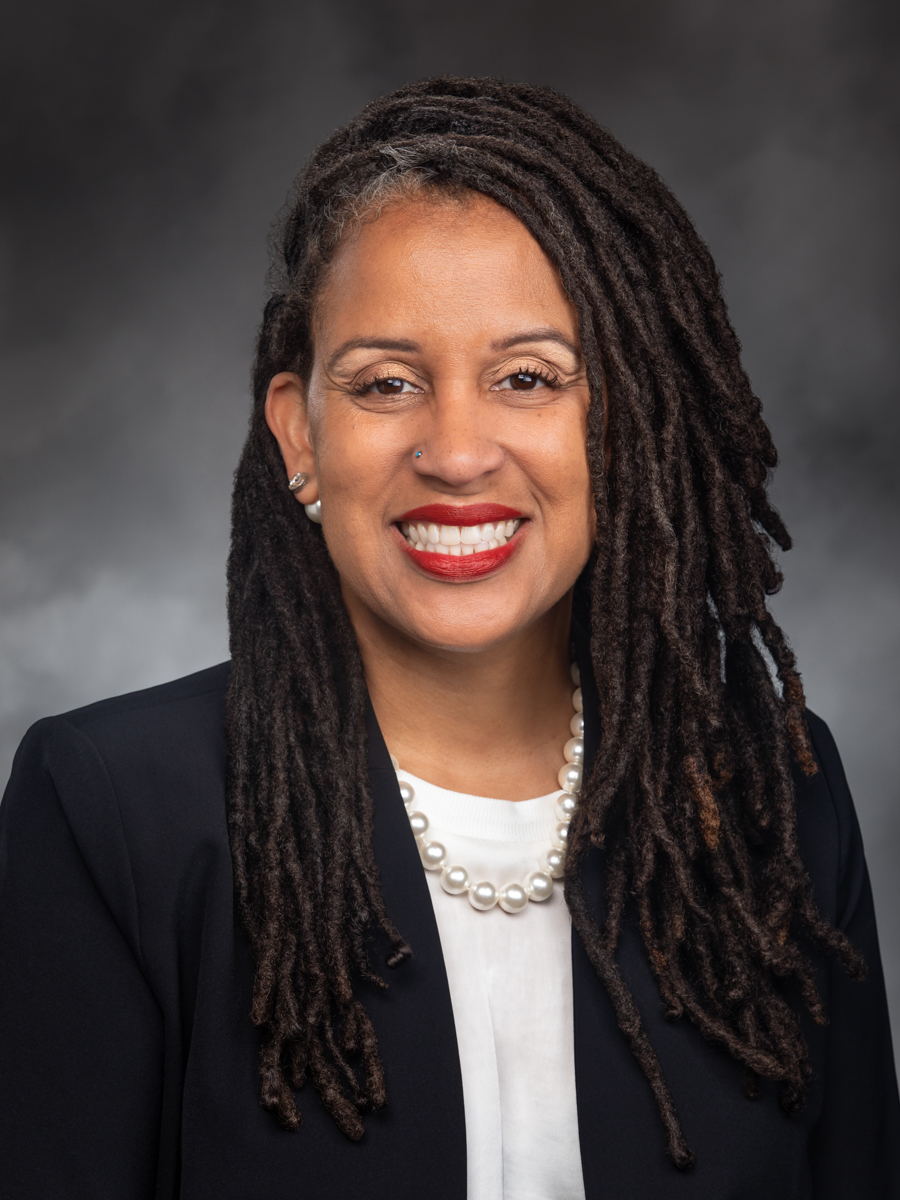
Adam Bernbaum
100% support rate
Top opponent
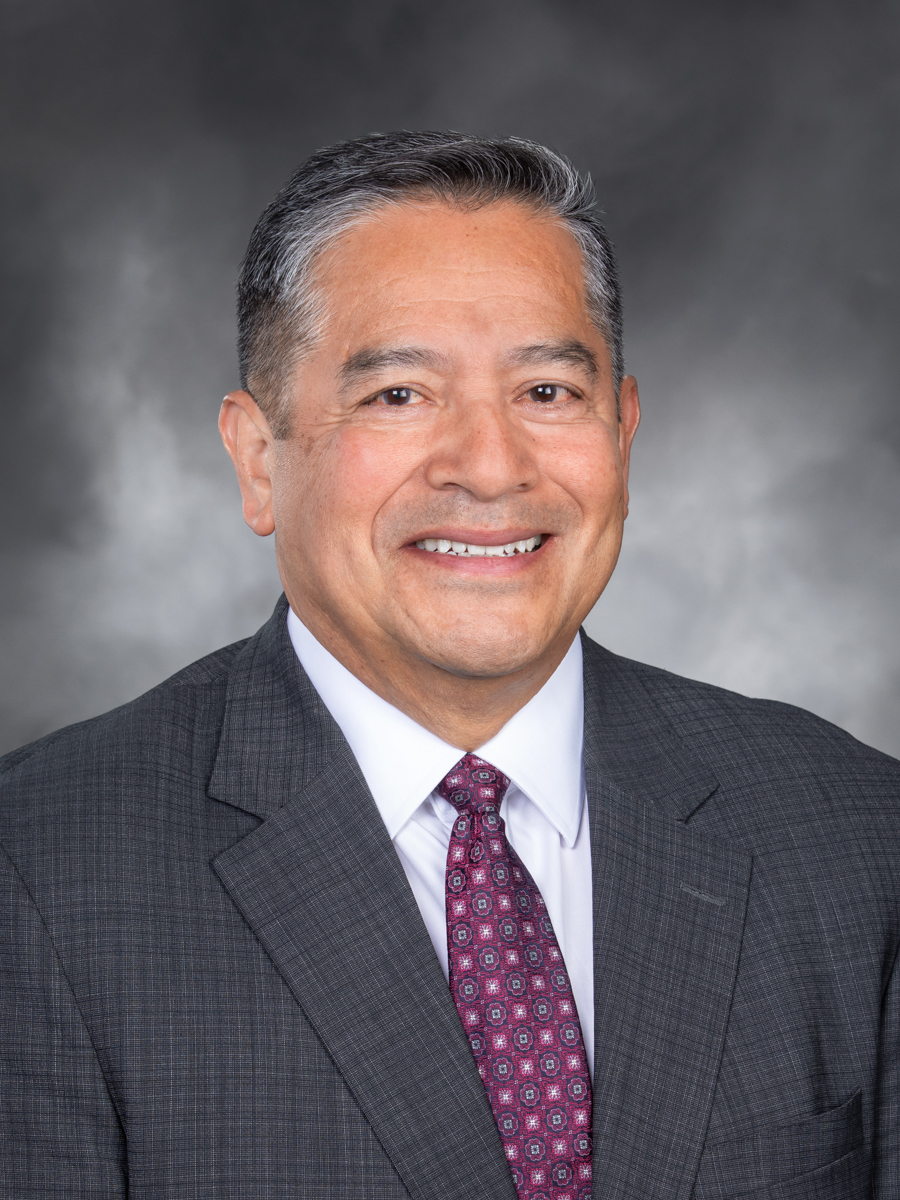
Alex Ybarra
0% support rate
Ranked legislators
10
5 support · 5 oppose
Key legislators

Who's moving public transit in Washington

Legislators moving public transit in Washington
Legislator Party Stance Support rate Votes
Adam Bernbaum
Adam Bernbaum House · District 24
D
Strong +
100% 6
Adison Richards
Adison Richards House · District 26
D
Strong +
100% 6
Alex Ramel
Alex Ramel House · District 40
D
Strong +
100% 6
April Berg
April Berg House · District 44
D
Strong +
100% 6
Beth Doglio
Beth Doglio House · District 22
D
Strong +
100% 6
Alex Ybarra
Alex Ybarra House · District 13
R
Strong −
0% 6
Andrew Engell
Andrew Engell House · District 7
R
Strong −
0% 6
Brian Burnett
Brian Burnett House · District 12
R
Strong −
0% 6
Chris Corry
Chris Corry House · District 15
R
Strong −
0% 6
Cyndy Jacobsen
Cyndy Jacobsen House · District 25
R
Strong −
0% 6
Showing 11–20 of 20 bills

All transportation bills

in committee · Washington · House Jan 12, 2026

HB 2143: Addressing representation within transportation benefit districts.

HB 2143 changes how transportation benefit district boards are structured in Washington State. It requires proportional representation on boards based on population in larger counties without major cities, preventing any single city from dominating the board. The bill adds two new voting positions: one for a regular public transit user and one representing community organizations that use transit. It also mandates that board meetings be held at times and locations accessible by public transit.
Sub-Topics Public Transit
signed · Washington · Senate Mar 16, 2026

SB 5922: Authorizing transportation vehicle fund transfers.

SB 5922 allows Washington school districts to transfer funds from fully depreciated student transportation vehicles to other purposes, such as purchasing electric buses or installing charging stations, after receiving approval from the superintendent of public instruction. The bill modifies existing rules to permit this transfer when a district reduces its fleet due to declining enrollment or changing transportation needs. Funds in the dedicated "transportation vehicle fund" must still be used exclusively for school bus-related expenses, including electric vehicle conversions, major repairs, or charging infrastructure. It directly affects school districts managing student transportation fleets, ensuring funds remain tied to transportation purposes while enabling modernization efforts. The change streamlines how districts reallocate resources from older vehicles without compromising future transportation planning.
in committee · Washington · Senate Jan 12, 2026

SB 5555: Concerning zoning regulations in commercial, retail, and mixed-use areas in cities and code cities.

SB 5555 requires cities and code cities in Washington to allow housing units in existing ground-floor commercial, retail, or mixed-use buildings within specific transit-accessible areas (e.g., within 1/2 mile of light rail stops or 1/4 mile of bus rapid transit stops). It removes parking requirements, limits density restrictions (allowing up to 50% more units within existing building envelopes), and eliminates design standards for residential conversions in qualifying buildings. The bill also mandates that cities permit taller buildings using mass timber products in commercial zones and prohibits requirements like transportation studies for such conversions. These changes apply to buildings with a certificate of occupancy at least three years old, directly affecting property owners, developers, and local zoning regulations in participating jurisdictions.
in committee · Washington · House Jan 12, 2026

HB 1869: Prohibiting the expenditure of Washington state funds for any capital costs of a transit agency created pursuant to the laws of an adjacent state.

HB 1869 prohibits Washington state funds from covering capital costs - such as construction, transit vehicle purchases, or major equipment - for transit agencies created under the laws of neighboring states (e.g., Oregon or Idaho). It directly affects regional transit agencies operating across state lines, restricting state funding for capital projects but not ongoing operational expenses. The law, effective July 1, 2025, ensures Washington taxpayers’ money cannot subsidize infrastructure built by out-of-state transit entities.
signed · Washington · House May 12, 2025

HB 1418: Adding two voting members that are transit users to the governing body of public transportation benefit areas.

HB 1418 modifies the governing bodies of public transportation benefit areas (PTBAs) by adding two new voting members who are transit users. This increases the maximum number of voting members for single-county PTBAs to 11 and for multi-county PTBAs to 17. One new member must primarily rely on public transportation, while the other must represent a community-based organization and occasionally use transit. This aims to include the perspectives of transit riders in the governance of public transportation systems, and meetings must be accessible by transit to facilitate their participation.
Sub-Topics Public Transit
in committee · Washington · Senate Jan 12, 2026

SB 5604: Promoting transit-oriented development.

SB 5604 creates a 20-year property tax exemption for new housing projects located within a designated "station area" (within 0.5 miles of a major transit stop) in Washington. To qualify, projects must include at least 20% of units affordable to low- or moderate-income households (defined as 50-80% of local median income) for 50 years, with long-term covenants ensuring affordability. Local governments must adopt regulations for station areas and oversee compliance, including recording deeds to maintain affordability. The bill aims to incentivize housing near transit by reducing development costs while mandating long-term affordability for residents.
signed · Washington · House Mar 17, 2026

HB 1980: Allowing certain private employer transportation services to use certain public transportation facilities.

House Bill 1980 allows certain private employer transportation services to use designated public transportation facilities, directly affecting employers who provide employee shuttles and the authorities managing these routes. It permits private employer transportation service vehicles, defined as marked, regularly scheduled employee shuttles with capacity for eight or more passengers, to use reserved limited access facilities (like HOV lanes) if their use does not interfere with public transit efficiency. In counties with over two million people, local authorities may also issue fee-for-use permits for these private services to use specific transit-only lanes that allow access to abutting businesses, with approval from public transportation providers. These permits require adherence to operational performance standards to ensure public transit efficiency, and generated revenues cover administrative costs and lane maintenance.
Sub-Topics Public Transit
signed · Washington · House May 13, 2025

HB 1491: Promoting transit-oriented housing development.

HB 1491, "Promoting transit-oriented housing development," aims to increase housing options and density near public transportation throughout Washington state. The bill directs cities planning under the Growth Management Act to align their land use policies with transit infrastructure development. It does this by amending various state laws and introducing new definitions for housing types, such as "cottage housing" and "courtyard apartments," and clarifying "affordable housing." This legislation seeks to maximize state investments in mass transit by fostering the creation of vibrant, walkable, and accessible communities that include diverse housing options.
passed · Washington · House Jan 12, 2026

HB 1616: Expanding the locations where a person can be guilty of unlawful transit conduct to include the Washington state ferries.

HB 1616 expands the definition of "unlawful transit conduct" to explicitly include Washington State Ferries. This means that behaviors previously prohibited on other public transit, such as smoking, littering, playing loud music without headphones, or consuming open alcoholic beverages, will now also apply to state ferries. The bill amends existing law by adding "ferry boat" to the definition of a transit vehicle and "the Washington state ferries" to the definition of a transit authority. Individuals found in violation of these rules on state ferries could be guilty of a misdemeanor.
Sub-Topics Public Transit
in committee · Washington · House Jan 12, 2026

HB 1989: Concerning assaults committed against transit employees or contractors.

HB 1989 amends Washington State law to make assaults against transit employees a class C felony. The bill specifically targets assaults occurring while transit workers - such as operators, drivers, supervisors, mechanics, or security personnel - perform their official duties for public or private transit companies. This expands existing assault penalties to include these workers, increasing the offense level from a gross misdemeanor to a felony. The law applies directly to anyone committing such assaults, with no mention of exceptions or additional requirements beyond the worker's duty status.
Showing 11 to 20 of 20 bills