Issue · Technology

Technology

Every technology bill, vote, and legislator stance in Washington, automatically classified by Maddy, our AI policy reader.

Total bills
138
2025-2026 Regular Session
Top supporter
Lisa Callan
94% support rate
Top opponent
Leonard Christian
16% support rate
Ranked legislators
10
5 support · 5 oppose
Key legislators

Who's moving technology in Washington

Legislators moving technology in Washington
Legislator Party Stance Support rate Votes
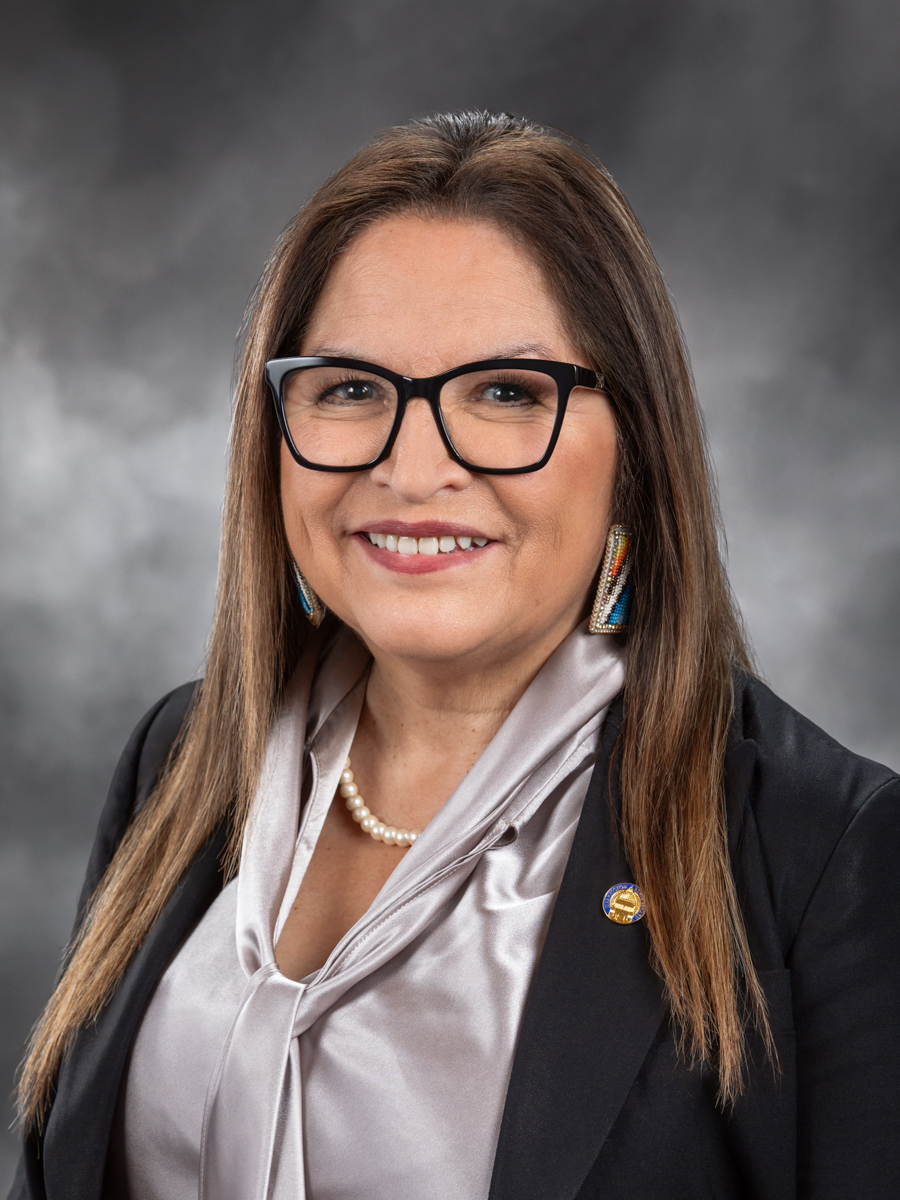
Lisa Callan
Lisa Callan House · District 5
D
Strong +
94% 105
Liz Berry
Liz Berry House · District 36
D
Strong +
94% 106
Claudia Kauffman
Claudia Kauffman Senate · District 47
D
Strong +
89% 96
Claire Wilson
Claire Wilson Senate · District 30
D
Strong +
89% 96
Mike Chapman
Mike Chapman Senate · District 24
D
Strong +
89% 96
Leonard Christian
Leonard Christian Senate · District 4
R
Strong −
16% 96
Joel McEntire
Joel McEntire House · District 19
R
Strong −
17% 91
Jim Walsh
Jim Walsh House · District 19
R
Strong −
18% 106
Jeremie Dufault
Jeremie Dufault House · District 15
R
Strong −
20% 100
Drew MacEwen
Drew MacEwen Senate · District 35
R
Oppose
21% 95
Showing 71–80 of 138 bills

All technology bills

in committee · Washington · House Feb 19, 2026

HB 2125: Concerning payment of expenses from the earnings of retirement system trust funds.

HB 2125 allows Washington's public retirement systems (including those for teachers, police, judges, and state employees) to use interest earnings from their trust funds to cover specific costs. The bill authorizes paying legal expenses (like court costs and expert fees), medical expenses (for member exams), and administrative costs (such as audits and cybersecurity) directly tied to protecting the trust funds from losses. It also permits using trust fund earnings to investigate fraud and recover overpayments, with all recovered funds returned to the relevant retirement system. The bill does not change how retirement benefits are calculated but modifies how certain operational costs are funded. This amendment to RCW 41.50.255 aims to streamline expense management for the state's retirement systems.
Sub-Topics Cybersecurity
in committee · Washington · House Feb 2, 2026

HB 2132: Concerning applications for state financial aid.

HB 2132 protects student privacy for Washington state financial aid applications by making personally identifying and financial information exempt from public records requests. It limits how long institutions and the state council retain application records (one year after the award year ends, unless an audit or appeal is pending) and restricts sharing this data with other entities, including the federal government, without a court order or specific data-sharing agreements. The bill directly affects students applying for state financial aid (excluding the federal FAFSA) and state agencies handling these applications. Key provisions include strict privacy safeguards for sensitive data and clear limits on data sharing to prevent unauthorized disclosure.
signed · Washington · Senate Mar 16, 2026

SB 5834: Concerning payment of expenses from the earnings of retirement system trust funds.

SB 5834 allows Washington state retirement systems (including public employees', teachers', law enforcement, and judicial systems) to pay certain protective expenses from their trust fund interest earnings. It specifically permits covering legal costs (like court fees and expert witnesses), medical exams for members, and administrative expenses (such as audits, cybersecurity, and fraud investigations) that directly protect the retirement funds. The bill requires that any recovered funds from fraud investigations or overpayment collections be returned to the trust funds. This change streamlines how systems manage operational costs tied to safeguarding retirement assets, without affecting benefit payments.
Sub-Topics Cybersecurity
in committee · Washington · House Jan 12, 2026

HB 1044: Concerning county fees for administration of the real estate excise tax.

HB 1044 increases the real estate excise tax fee from $5.00 to $20.00 per transaction for all real estate sales in Washington. This fee directly affects buyers and sellers in real estate transactions, with the revenue funding administrative assistance for county assessors and treasurers. The bill creates new funds to support county offices in managing property tax administration and electronic processing systems, requiring counties to use these funds exclusively for technology upgrades compatible with state systems. It also modifies collection procedures, mandating monthly reporting of transaction proceeds to the state treasurer.
Sub-Topics Property Tax Sales Tax
passed · Washington · House Jan 28, 2025

HR 4609: Recognizing Data Privacy Day.

This resolution (HR 4609) formally recognizes Data Privacy Day on January 28th, as established by U.S. Congress in 2009. It does not create new laws or impose requirements; instead, it serves as a symbolic gesture to raise public awareness about data privacy. The resolution highlights the importance of protecting personal information in digital interactions and encourages Washington residents to learn about privacy best practices. It aligns with global observances in 50 countries and emphasizes education for individuals, businesses, and governments. As a procedural resolution, it has no direct regulatory impact or effect on specific groups.
Sub-Topics Consumer Data Protection Data Privacy Tags Privacy
in committee · Washington · Senate Jan 12, 2026

SB 5094: Concerning sexually explicit depictions of minors.

SB 5094 redefines "digitization" to explicitly include AI-generated images of minors, making it illegal to create or alter visual content depicting minors in sexually explicit conduct using such technology. It directly affects individuals who produce, distribute, or possess fabricated depictions of minors created through AI or other digitization methods. The bill amends Washington’s sexual exploitation laws to clarify that knowingly causing minors to be photographed during explicit conduct (including when unconscious) constitutes a class B felony, and adds this offense to the list of crimes with no statute of limitations for prosecution. Key provisions include defining "sexually explicit conduct" broadly and expanding the scope of prohibited "fabricated depictions" to cover AI-generated material.
in committee · Washington · Senate Jan 12, 2026

SB 5335: Establishing the rural nursing education program.

SB 5335 establishes a state-funded rural nursing education program to address nurse shortages in Washington's underserved rural communities. The program provides distance learning and support services - including childcare, transportation assistance, and internet access - to nursing students who commit to working in rural areas after graduation. It requires collaboration between rural hospitals, academic institutions, and community partners to create tailored training models and address workforce barriers like high urban salaries and pandemic-related burnout. The bill targets Washington’s 39 critical access hospitals and aims to build a sustainable pipeline of local nurses for rural health facilities.
Sub-Topics Early Childhood Healthcare Workforce Broadband Access Tags Rural Communities
signed · Washington · Senate May 19, 2025

SB 5486: Concerning open motion picture captioning in motion picture theaters.

SB 5486, also known as the John Waldo Act, requires motion picture theaters in Washington state to provide open captioning for certain film screenings. Theater companies operating five or more locations must offer a minimum number of open captioning screenings per week, including prime times, for films distributed with open captions and if they have the necessary technology. Smaller theater companies with four or fewer locations must either provide an open captioning screening within eight days of a request or offer them consistently. Theaters must advertise these screenings using an "OC" symbol, and the law takes effect on January 1, 2026.
in committee · Washington · House Jan 12, 2026

HB 1887: Creating a data broker registry for the purpose of imposing a data broker severance tax.

HB 1887 requires data brokers - businesses that collect, aggregate, and sell Washington residents' personal information without consent - to register annually with the Department of Licensing starting in 2026. It defines "brokered personal data" broadly (including names, addresses, biometric details, and social security numbers) and exempts consumer reporting agencies, financial institutions under federal law, and services providing public business info or health/safety alerts. Data brokers must submit basic contact details and pay an annual registration fee, with the revenue intended to fund state programs. The bill aims to create transparency about this industry while generating state revenue from a growing business model.
in committee · Washington · House Jan 12, 2026

HB 1029: Concerning 3D-printed building construction.

HB 1029 requires Washington’s building code council to update the state residential code to include 3D-printed building construction standards in two phases. First, by the 2024 code update cycle, the council must adopt the 2024 International Residential Code appendix for 3D printing in the code’s appendix. Second, by the 2027 update cycle, it must move these standards into the main body of the residential code, not just an appendix. This bill directly affects builders, developers, and homeowners using 3D-printed construction methods in Washington state by establishing standardized safety and technical requirements.
Sub-Topics Building Codes
Showing 71 to 80 of 138 bills
Previous 1 7 8 9 14 Next