Issue · Labor & Employment

Labor & Employment (Labor Standards)

Every labor & employment bill, vote, and legislator stance in Washington, automatically classified by Maddy, our AI policy reader.

Total bills
57
2025-2026 Regular Session
Top supporter
Adrian Cortes
100% support rate
Top opponent
Andrew Barkis
0% support rate
Ranked legislators
10
5 support · 5 oppose
Key legislators

Who's moving labor standards in Washington

Legislators moving labor standards in Washington
Legislator Party Stance Support rate Votes
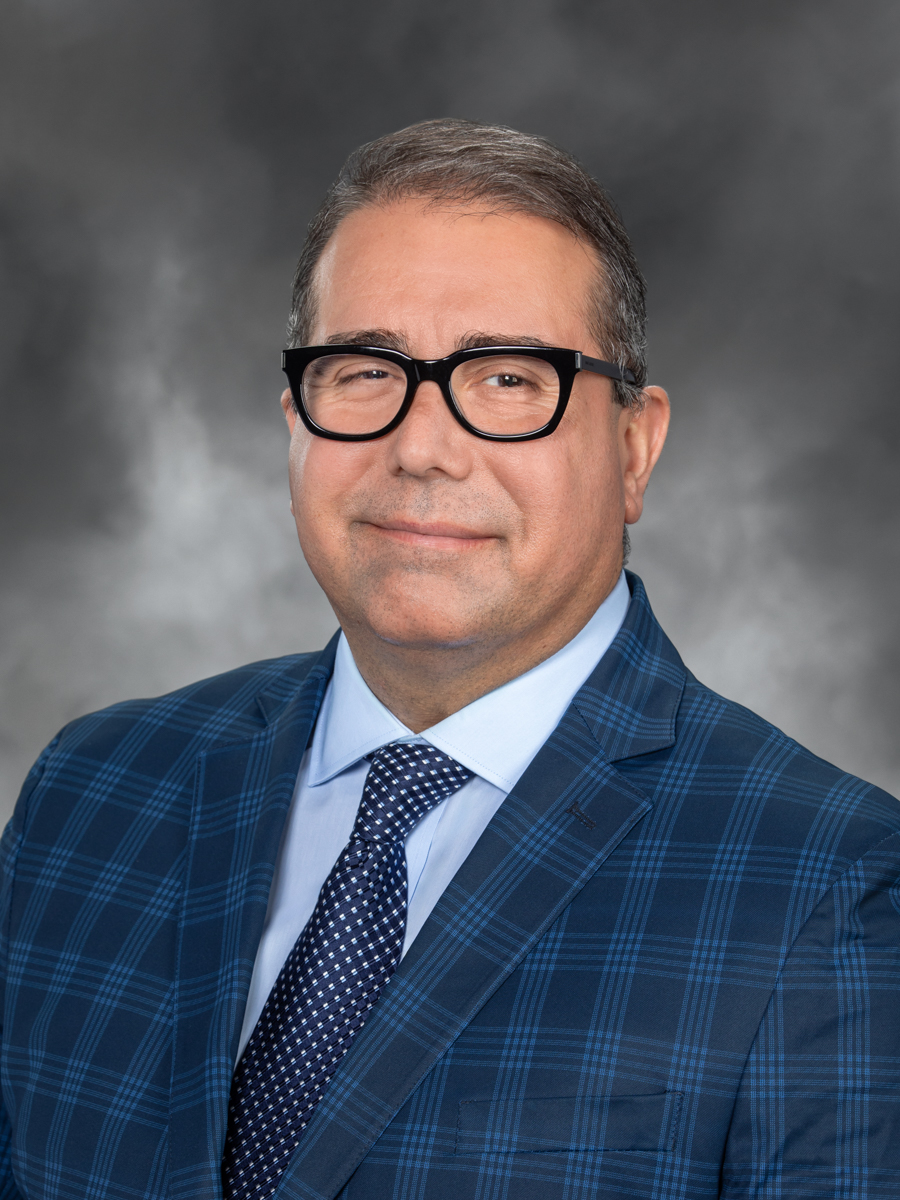
Adrian Cortes
Adrian Cortes Senate · District 18
D
Strong +
100% 12
Julio Cortes
Julio Cortes House · District 38
D
Strong +
100% 12
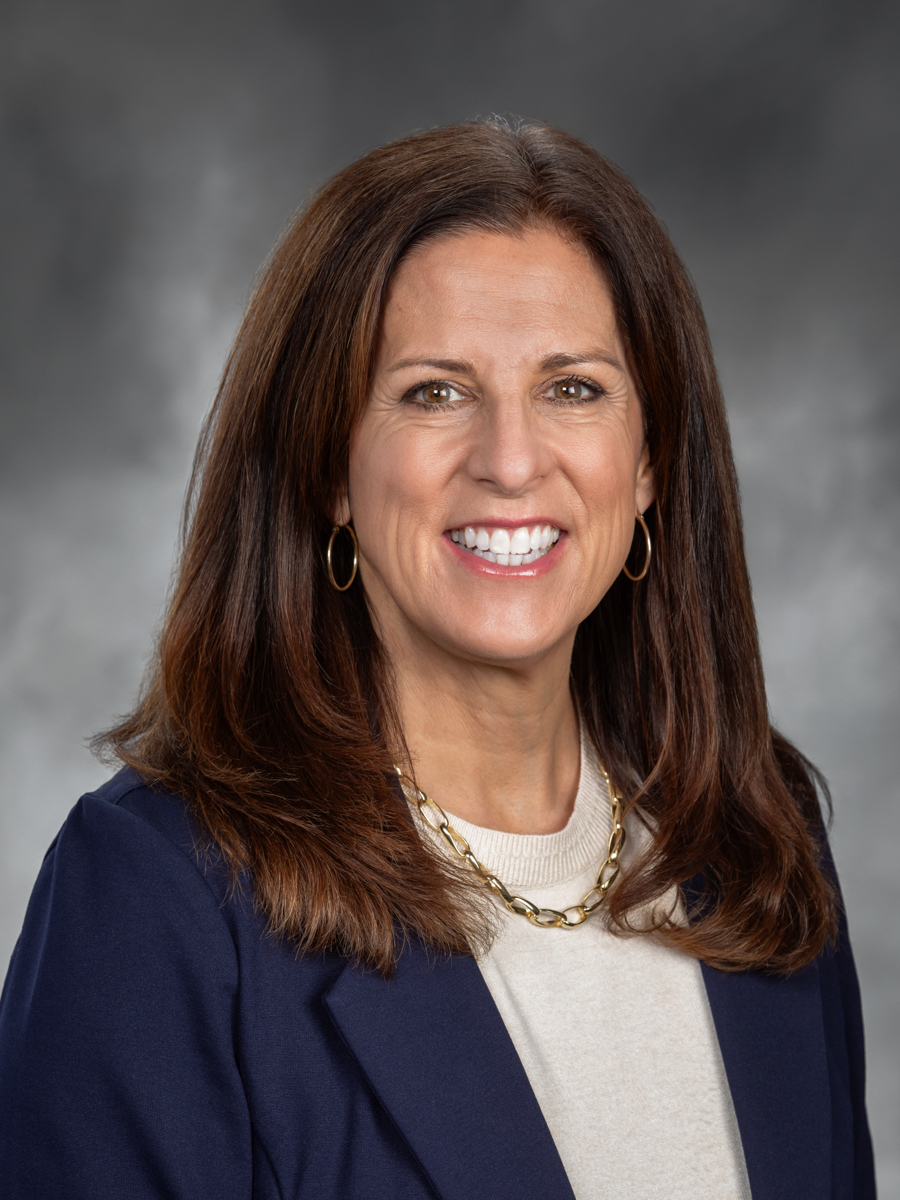
Annette Cleveland
Annette Cleveland Senate · District 49
D
Strong +
100% 9
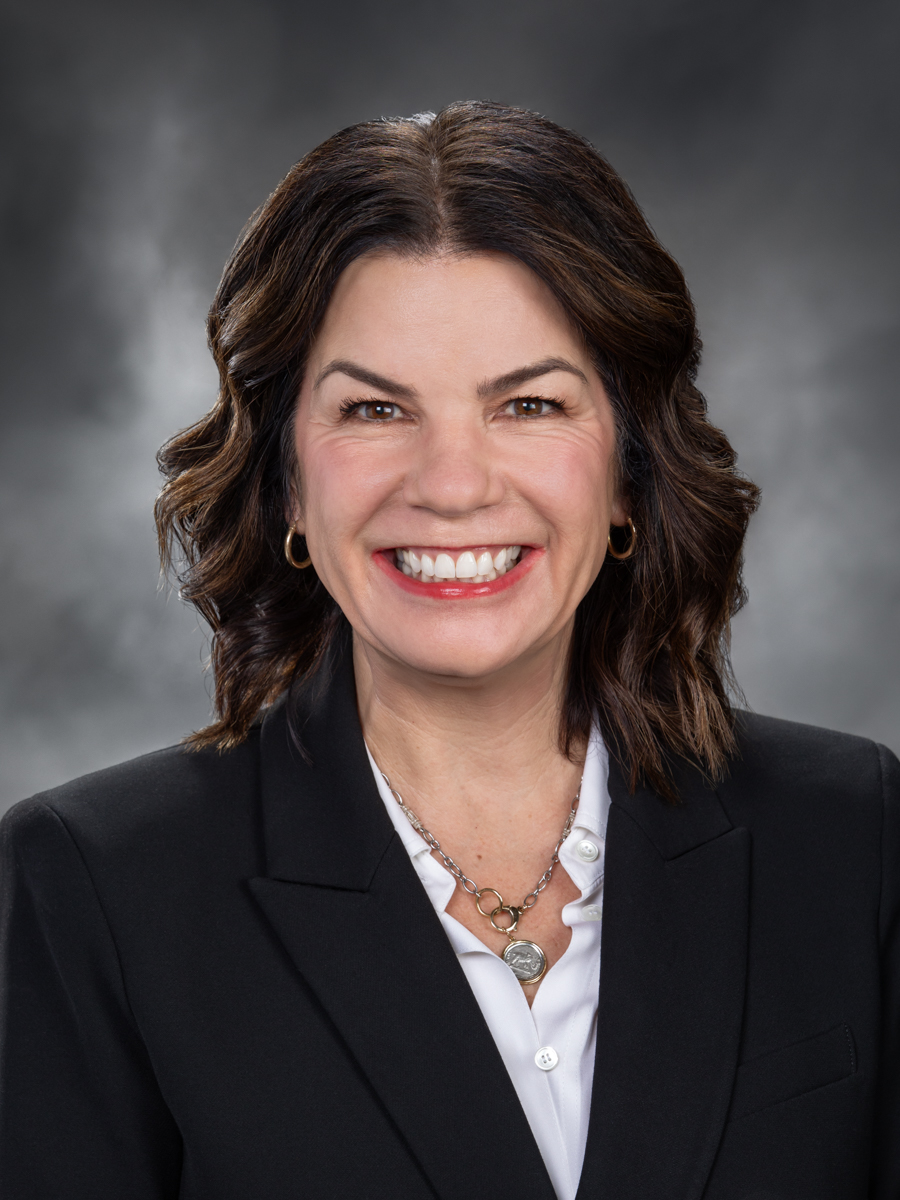
Claire Wilson
Claire Wilson Senate · District 30
D
Strong +
100% 9
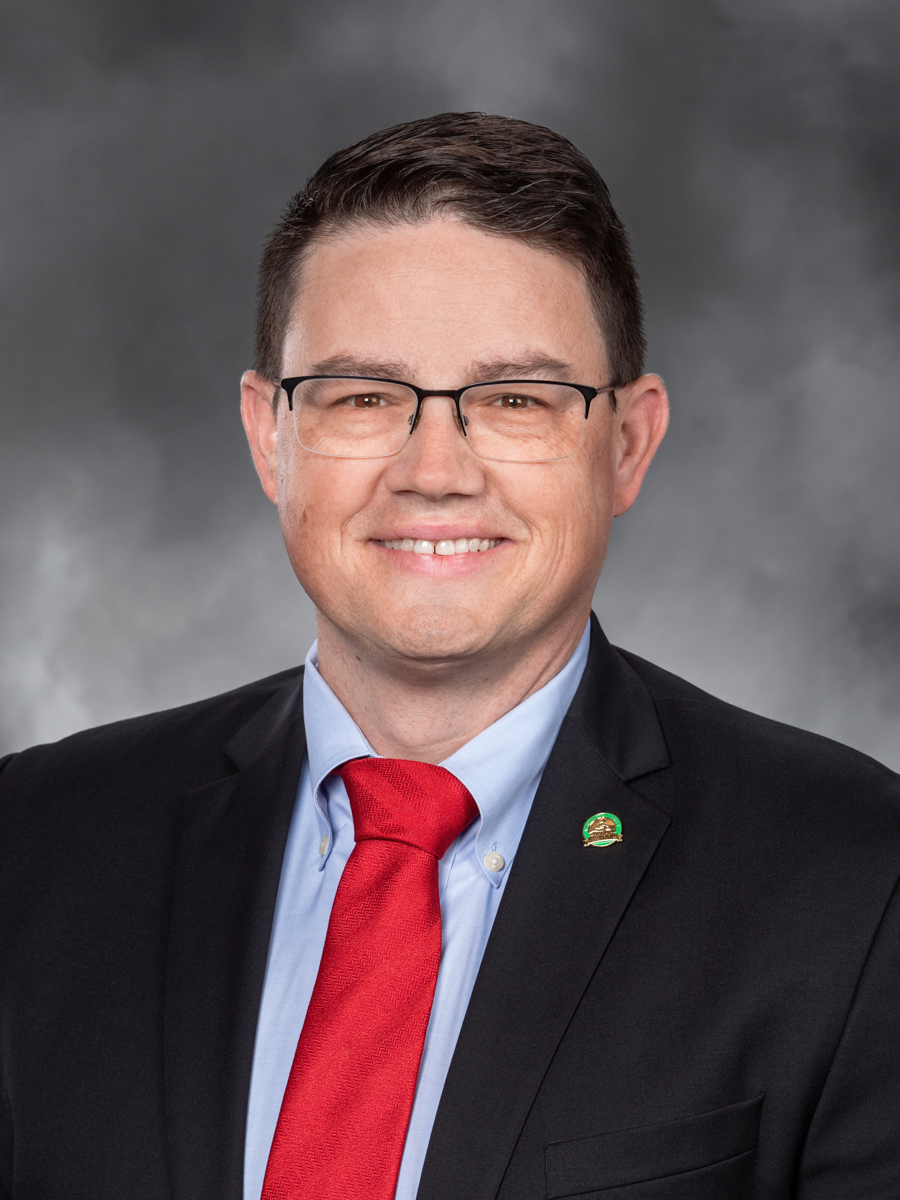
Deb Krishnadasan
Deb Krishnadasan Senate · District 26
D
Strong +
100% 9
Andrew Barkis
Andrew Barkis House · District 2
R
Strong −
0% 3
Andrew Engell
Andrew Engell House · District 7
R
Strong −
0% 3
April Connors
April Connors House · District 8
R
Strong −
0% 3
Chris Corry
Chris Corry House · District 15
R
Strong −
0% 3
Cyndy Jacobsen
Cyndy Jacobsen House · District 25
R
Strong −
0% 3
Showing 41–50 of 57 bills

All labor & employment bills

in committee · Washington · Senate Jan 12, 2026

SB 5756: Concerning the safety and health of working minors.

SB 5756 amends Washington State law to strengthen penalties for employers violating safety and health rules for minor workers (under 18). It establishes tiered civil fines starting at $100 for minor permit violations, up to $71,000 for violations causing serious harm or death, with higher penalties for repeat offenses. Employers with three or more violations in two years face a 12-month ban on obtaining minor work permits. The bill also allows immediate workplace safety orders when a minor’s life is at risk and requires annual inflation adjustments to penalty amounts starting in 2027. It directly affects employers hiring minors who fail to comply with work permit, hours, break, or safety requirements.
in committee · Washington · House Jan 12, 2026

HB 1682: Concerning part-time workers in the unemployment insurance system.

This bill changes Washington's unemployment insurance rules for part-time workers, effective August 3, 2025. It revises the definition of "suitable work" for part-time workers (those who earned wages in at least 40 base-year weeks with an average of under 35 weekly hours) to require them to seek work matching their historical average hours, rather than the previous 17-hour limit. It also adds protections: workers needing to care for family members or address domestic violence/stalking may not lose benefits for seeking at least 20-hour workweeks instead of full-time. The policy directly affects part-time workers who qualify under these new base-year criteria.
in committee · Washington · House Jan 12, 2026

HB 1623: Prohibiting deductions for credit card transaction processing fees from employee tips.

HB 1623 prohibits employers from deducting credit card processing fees from employee tips. It requires that when customers pay tips via credit card, employees receive the full amount indicated on the credit card slip, without any reduction for transaction fees charged by the credit card company. This law directly affects tipped workers in Washington, such as servers and bartenders, and applies to all employers accepting credit card tips. The bill amends state law to ensure tips paid by credit card are paid in full to employees, eliminating employer deductions for processing costs.
Sub-Topics Labor Standards
passed · Washington · Senate Jan 12, 2026

SB 5023: Providing labor market protections for domestic workers.

Senate Bill 5023 aims to establish labor market protections for domestic workers in Washington state, including nannies, house cleaners, and home care workers. It guarantees these workers minimum wage and overtime pay for hours exceeding 40 per week. The bill mandates uninterrupted meal and rest breaks and requires a written employment agreement outlining terms like pay rate, schedule, and deductions, provided in a language understood by both parties. It also ensures domestic workers can retain personal effects and, if living in the home, cook their own food, while also providing freedom from discrimination and sexual harassment.
in committee · Washington · Senate Jan 12, 2026

SB 5339: Linking increases in the minimum wage to the federal minimum wage.

SB 5339 would change Washington State's minimum wage calculation method, linking future increases directly to any annual raises in the federal minimum wage instead of using inflation adjustments. Starting December 30, 2025, the state minimum wage would only increase if the federal wage rises in the previous year, with no increase allowed if the federal rate stays the same. Local jurisdictions with higher minimum wages (above $16.66/hour as of the bill's effective date) cannot raise their rates further, though the state rate would override local rates if it increases. This affects all Washington employers and workers covered by state minimum wage laws, particularly small businesses operating on thin margins.
in committee · Washington · House Jan 12, 2026

HB 1764: Concerning labor standards.

HB 1764 proposes to clarify and expand definitions within Washington's labor standards law, primarily by redefining "family member" to include stepchildren, de facto parents, and individuals regularly residing in an employee's home who depend on them for care. The bill also updates exclusions from labor coverage, such as certain farm laborers paid piece-rate, domestic workers in private homes, and minor league baseball players under collective bargaining agreements. As a proposed amendment to existing statutes (not a new law), it aims to refine who is protected under labor standards but does not establish new benefits or penalties. The bill is currently under review by the House Labor & Workplace Standards Committee.
in committee · Washington · House Jan 12, 2026

HB 1779: Authorizing agricultural employers to select 26 weeks a year to employ workers for up to 50 hours a week before overtime applies.

HB 1779 would allow Washington agricultural employers to select 26 weeks per year during which workers can be employed up to 50 hours weekly without triggering overtime pay. This creates a temporary seasonal exemption from the standard 40-hour overtime rule for all agricultural workers, specifically addressing concerns raised after Washington's 2021 repeal of overtime exemptions. The bill aims to help farms manage time-sensitive labor demands during peak harvest seasons. It directly affects agricultural employers and workers across Washington, which relies heavily on farming as its second-largest industry.
Sub-Topics Labor Standards
in committee · Washington · House Jan 12, 2026

HB 2052: Allowing agricultural employees to voluntarily waive overtime requirements for up to 15 workweeks in a calendar year.

HB 2052 allows Washington agricultural employees to voluntarily waive overtime pay for up to 15 workweeks per calendar year during peak harvest seasons. This directly affects farmworkers who choose to work more hours without receiving the standard 1.5x overtime rate, potentially increasing their earnings during busy periods. The bill amends state law to add this voluntary waiver option for agricultural employees, replacing previous seasonal overtime caps that limited hours during harvest. It does not change the standard overtime rate but provides a temporary, worker-initiated exception to overtime requirements.
in committee · Washington · House Jan 12, 2026

HB 1184: Creating a narrow exemption from overtime provisions for certain nonprofits and small businesses.

HB 1184 creates a new exemption from Washington state's overtime rules for certain nonprofit organizations and small businesses. It allows these entities to classify some salaried employees as exempt if they earn at least 1.5 times the state minimum wage for a 40-hour workweek ($30.90/hour in 2025, based on $15.45/hour minimum wage) and meet specific duties criteria. The exemption specifically covers nonprofits with 50 or fewer full-time equivalent employees (or those providing essential services like shelters requiring 24/7 staffing) and small businesses with 50 or fewer employees. This change aims to address concerns that the upcoming 2028 overtime salary threshold ($93,000 annually) would force these organizations to reclassify staff or increase pay, potentially jeopardizing their ability to serve communities. The bill does not alter overtime rules for most other employers or industries.
in committee · Washington · House Jan 12, 2026

HB 1831: Allowing for corrections to wage and salary disclosures.

HB 1831 requires employers with 15 or more employees to disclose wage ranges and benefits in all job postings, including internal transfers and promotions. It adds a 10-day correction window for employers to fix posting errors after receiving written notice from applicants or employees, preventing penalties if corrected within that time. The bill amends Washington’s existing wage transparency law (RCW 49.58.110) to clarify this correction process. It directly affects employers and job seekers in Washington state by standardizing disclosure requirements and reducing enforcement penalties for minor, fixable errors.
Sub-Topics Labor Standards
Showing 41 to 50 of 57 bills
Previous 1 4 5 6 Next