

Issue · Labor & Employment
Labor & Employment
Every labor & employment bill, vote, and legislator stance in Washington, automatically classified by Maddy, our AI policy reader.
Total bills
308
2025-2026 Regular Session
Top supporter
Tina Orwall
95% support rate
Top opponent
Shelly Short
9% support rate
Ranked legislators
10
5 support · 5 oppose
Key legislators
Who's moving labor & employment in Washington
| Legislator | Party | Stance | Support rate | Votes |
|---|---|---|---|---|

Tina Orwall
Senate · District 33
|
D |
Strong +
|
95% | 154 |

Annette Cleveland
Senate · District 49
|
D |
Strong +
|
93% | 159 |

T'wina Nobles
Senate · District 28
|
D |
Strong +
|
93% | 155 |

June Robinson
Senate · District 38
|
D |
Strong +
|
93% | 159 |

Jamie Pedersen
Senate · District 43
|
D |
Strong +
|
93% | 159 |

Shelly Short
Senate · District 7
|
R |
Strong −
|
9% | 159 |
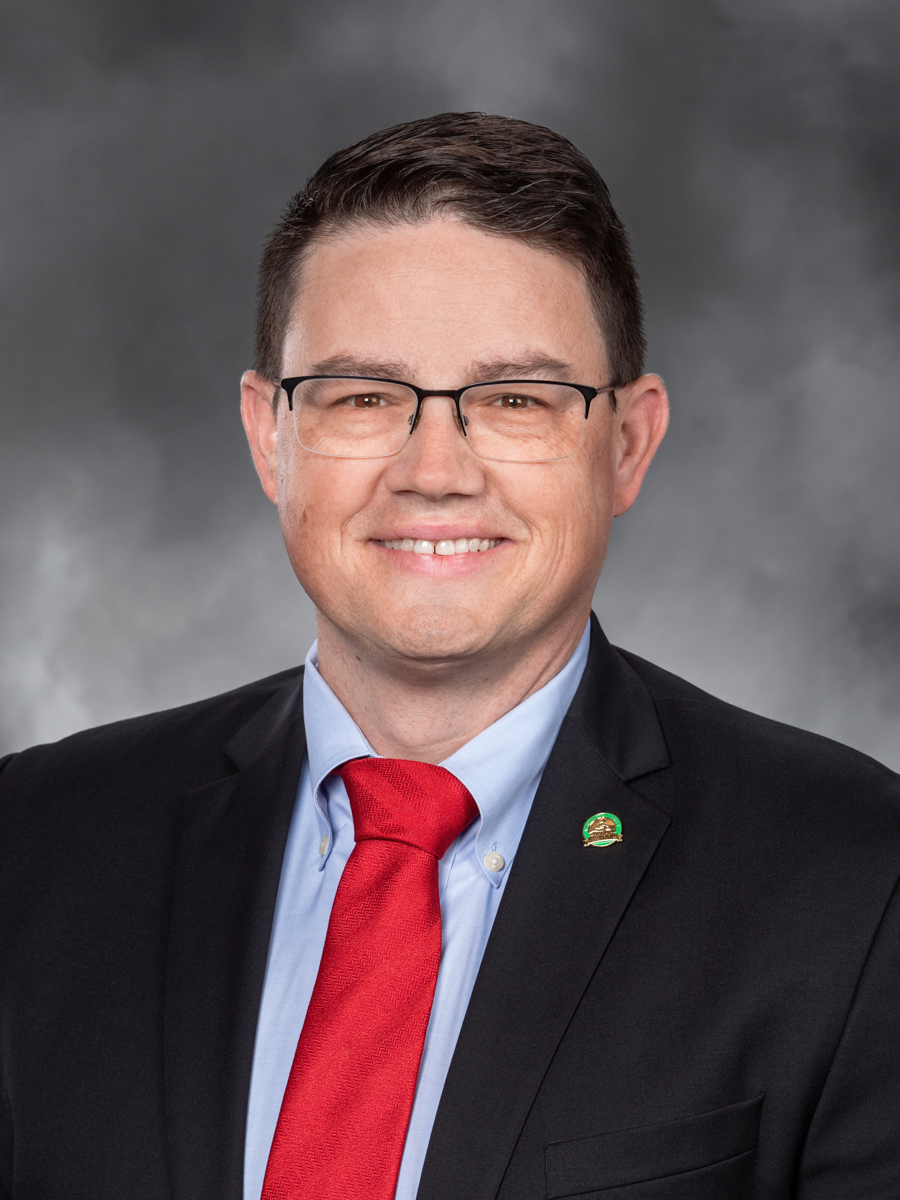
Chris Corry
House · District 15
|
R |
Strong −
|
10% | 180 |

Leonard Christian
Senate · District 4
|
R |
Strong −
|
10% | 159 |

Jim McCune
Senate · District 2
|
R |
Strong −
|
10% | 159 |
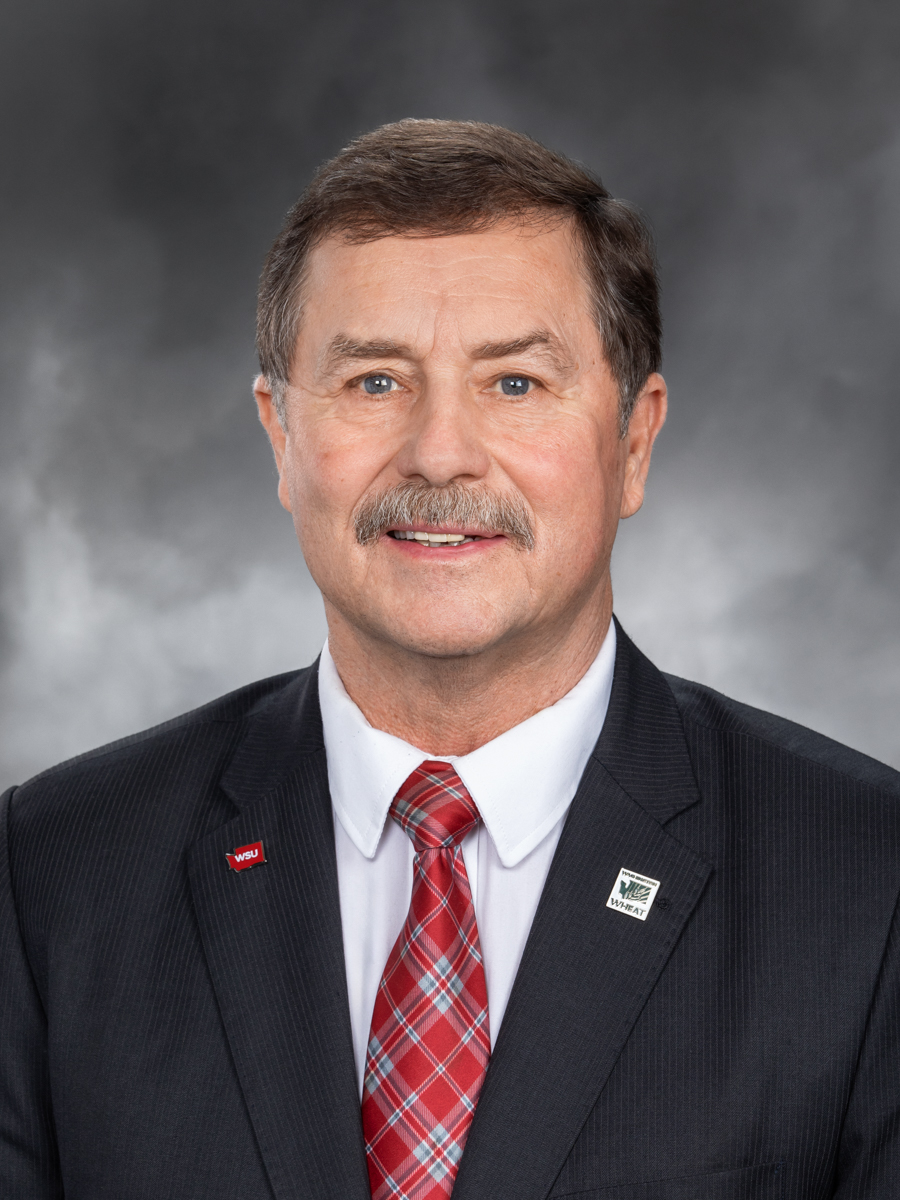
Mark Schoesler
Senate · District 9
|
R |
Strong −
|
12% | 159 |
Showing 191–200 of 308
bills
All labor & employment bills
SB 5083: Ensuring access to primary care, behavioral health, and affordable hospital services.
Topics
✓ HealthcareSupports HealthcareBill mandates minimum reimbursements for primary care and behavioral health, caps hospital rates to ensure affordability, and explicitly aims to 'ensure access' to covered services for public employees.
✓ Labor & EmploymentSupports Labor & EmploymentBill ensures healthcare access/affordability for public employees, expanding employment benefits through mandated reimbursement standards and cost caps.
HB 1467: Concerning actuarial funding of pension systems.
Topics
✓ Budget & TaxesSupports Budget & TaxesMandates full pension funding by deadlines, requiring state budget allocation for public employee pensions, strengthening fiscal responsibility in pension management.
✓ Labor & EmploymentSupports Labor & EmploymentMandates full pension funding for public sector workers (teachers, law enforcement, etc.), securing retirement benefits as part of employment standards.
HB 1950: Requiring subcontractors on public works contracts to be indemnified for certain expenses incurred as a result of late payments from a contractor or a subcontractor.
HB 1644: Concerning the safety and health of working minors.
Sub-Topics
Child Labor
HB 1910: Increasing funding for teacher-librarians.
Topics
✓ Budget & TaxesSupports Budget & TaxesMandates increased state funding for school library programs by modifying the education budget formula, directly allocating additional resources to public school districts.
✓ EducationSupports EducationIncreases state funding for teacher-librarians with mandated staffing levels, directly advancing school library resources and educator support in K-12 education.
✓ Labor & EmploymentSupports Labor & EmploymentBill mandates state funding for teacher-librarian staffing levels, directly creating and supporting employment positions in school library media programs, aligning with 'funding' as a support indicator.
SB 5634: Improving accessibility of community solar projects in Washington state.
Topics
✓ Budget & TaxesSupports Budget & TaxesMandates 50% of incentives for low-income subscribers, directing state funds toward essential energy access programs per bill's incentive allocation requirements.
✓ EnergySupports EnergyReserves 50% incentives for smaller solar projects and mandates 50% of payments for low-income subscribers, expanding renewable energy access and equity.
✓ EnvironmentSupports EnvironmentBill promotes community solar (clean energy) by reserving 50% of incentives for smaller projects and low-income subscribers, advancing renewable energy adoption and environmental goals.
✓ Labor & EmploymentSupports Labor & EmploymentRequires prevailing wages and apprenticeships for large community solar projects, directly strengthening labor standards in renewable energy sector.
HB 1463: Expanding time limit exemptions applicable to cash assistance programs.
Topics
✓ HousingSupports HousingExpands TANF exemptions for homelessness (McKinney-Vento Act), directly addressing housing instability for low-income families facing homelessness.
✓ Labor & EmploymentSupports Labor & EmploymentExpands TANF exemptions for hardships including high unemployment (7%+ since March 2020), homelessness, and family violence, supporting low-income families during employment-related hardships.
HB 1865: Expanding access for small business employees and adjusting implementation dates for working connections child care.
Topics
✓ Budget & TaxesSupports Budget & TaxesExpands state-funded child care program requiring budget allocation for eligibility increases, aligning with funding public services.
✓ Labor & EmploymentSupports Labor & EmploymentExpands child care access for small business employees and apprentices, reducing a barrier to employment and supporting workers' ability to maintain jobs.