Issue · Labor & Employment

Labor & Employment (Collective Bargaining)

Every labor & employment bill, vote, and legislator stance in Washington, automatically classified by Maddy, our AI policy reader.

Total bills
46
2025-2026 Regular Session
Top supporter
Alex Ramel
100% support rate
Top opponent
Cyndy Jacobsen
0% support rate
Ranked legislators
10
5 support · 5 oppose
Key legislators

Who's moving collective bargaining in Washington

Legislators moving collective bargaining in Washington
Legislator Party Stance Support rate Votes
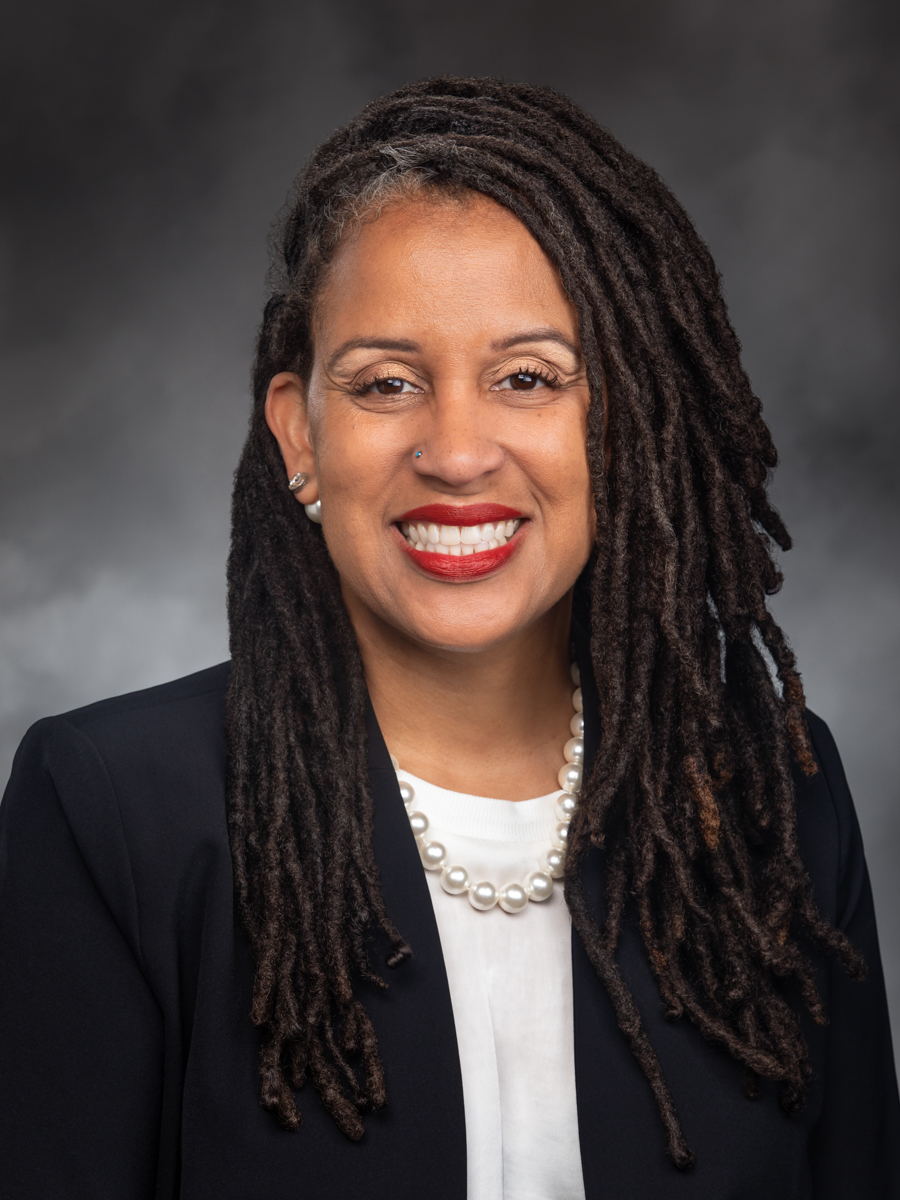
Alex Ramel
Alex Ramel House · District 40
D
Strong +
100% 17
April Berg
April Berg House · District 44
D
Strong +
100% 17
Beth Doglio
Beth Doglio House · District 22
D
Strong +
100% 17
Brianna Thomas
Brianna Thomas House · District 34
D
Strong +
100% 17
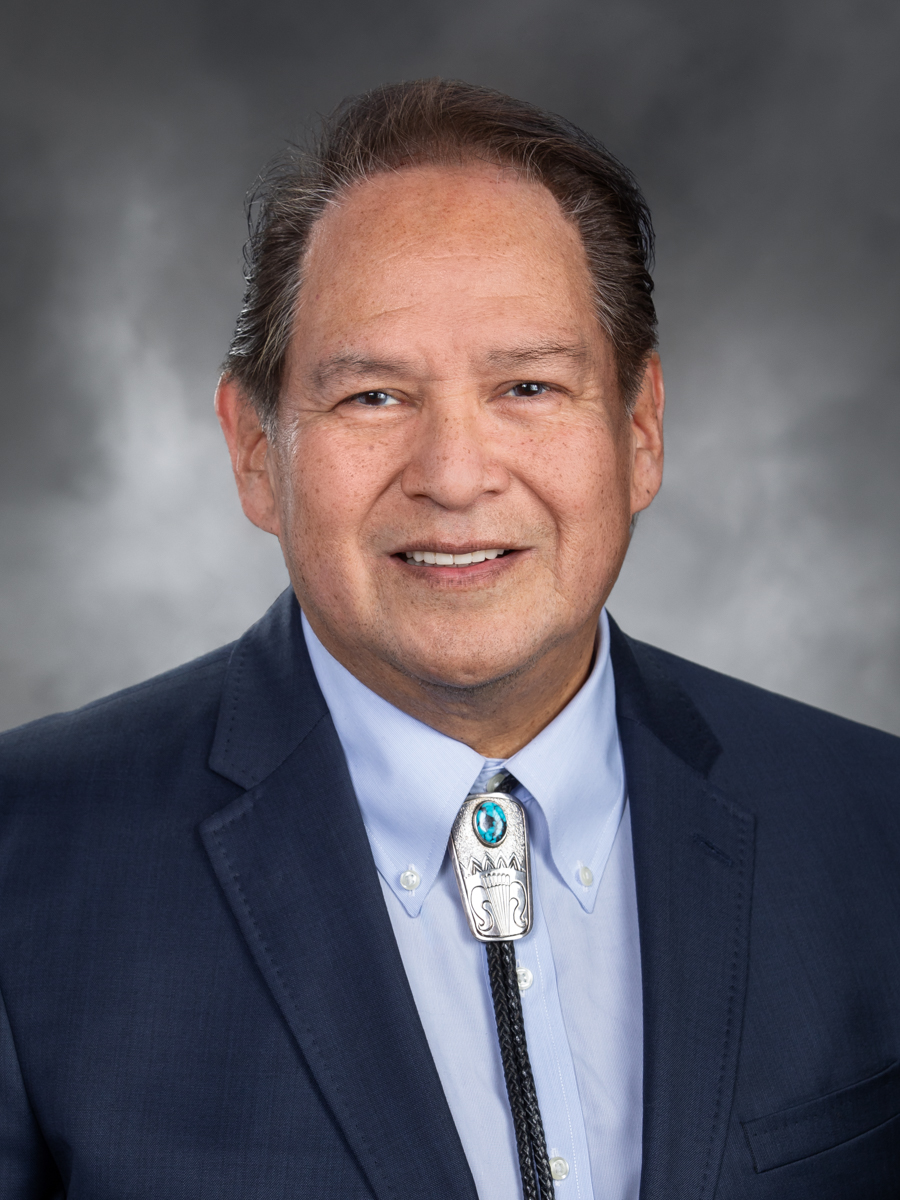
Chris Stearns
Chris Stearns House · District 47
D
Strong +
100% 17
Cyndy Jacobsen
Cyndy Jacobsen House · District 25
R
Strong −
0% 17
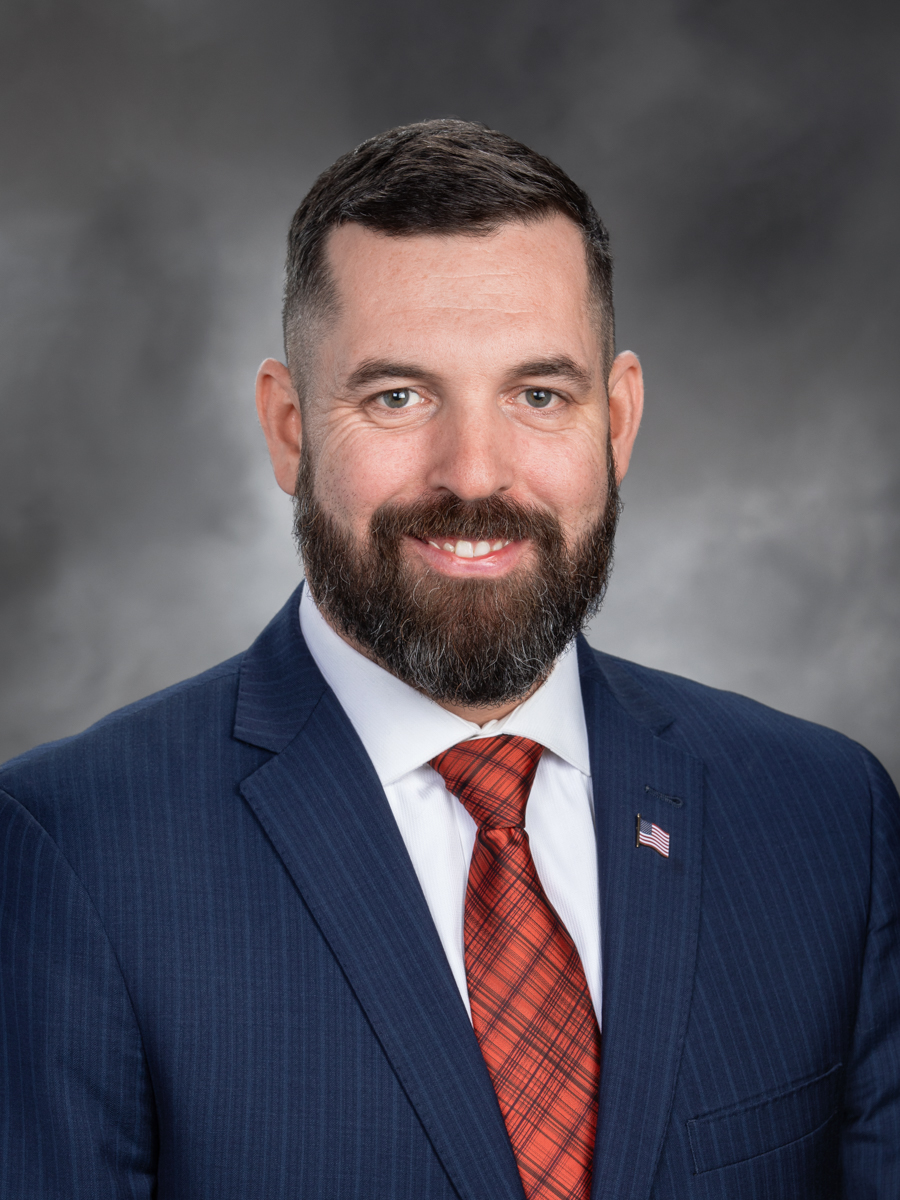
Matt Marshall
Matt Marshall House · District 2
R
Strong −
0% 17
Chris Corry
Chris Corry House · District 15
R
Strong −
0% 16
Jeremie Dufault
Jeremie Dufault House · District 15
R
Strong −
0% 16
Gloria Mendoza
Gloria Mendoza House · District 14
R
Strong −
0% 15
Showing 11–20 of 46 bills

All labor & employment bills

in committee · Washington · Senate Feb 26, 2026

SB 6117: Concerning collective bargaining for employees not covered by the national labor relations act.

SB 6117 establishes a state framework for collective bargaining when federal labor laws no longer apply to certain workers in Washington. It directly affects employees not covered by the National Labor Relations Act (NLRB), such as some private-sector workers whose employers or industries fall outside federal jurisdiction. The bill creates procedures for certifying bargaining representatives through the Public Employment Relations Commission, preserves existing collective bargaining agreements during certification, and defines key terms like "employee" and "bargaining representative." It applies automatically if federal law ceases to preempt state regulation of labor relations for specific employers or industries. The law aims to maintain stable labor-management relations and protect workers' collective bargaining rights in gaps left by federal coverage.
in committee · Washington · Senate Feb 2, 2026

SB 6135: Concerning interest arbitration regarding uniformed personnel.

SB 6135 amends Washington state law governing interest arbitration for specific public employees, including police, firefighters, child care providers, and long-term care workers. The bill requires arbitration panels to consider new factors when determining wages and benefits, such as regional cost-of-living differences for smaller jurisdictions, comparisons to similar employers on the West Coast, and the employer's financial ability to pay. It also mandates panels to evaluate how proposed changes might affect reliance on public benefit programs like food stamps or subsidized housing. The law applies directly to these public sector workers and their employers, focusing on making arbitration decisions more aligned with local economic conditions and fiscal realities.
in committee · Washington · House Feb 24, 2026

HB 2600: Updating the supported living cost report.

HB 2600 requires Washington's Department of Social and Health Services to update the supported living cost report template by July 2026 to align with federal law and address workforce shortages. The updated report must include detailed data on staff counts, wages, benefits (like health insurance and paid time off), and revenue breakdowns by client tier. A new work group - comprising providers, disability advocates, and union representatives - will develop recommendations to improve compensation for direct support professionals, with a final report due to the legislature by December 2026. The bill expires September 1, 2028, and directly affects supported living providers who must submit the new report format.
signed · Washington · House Mar 24, 2026

HB 2091: Requiring public employers under chapter 41.80 RCW to provide employee information to exclusive bargaining representatives.

HB 2091 requires public employers covered under chapter 41.80 RCW (specifically Western Washington University, Central Washington University, Eastern Washington University, and The Evergreen State College) to provide employee information to exclusive bargaining representatives. The bill amends RCW 41.80.075 to expand the list of covered employers to include these four public universities. This means union representatives at these institutions would gain access to employee data previously not required to be shared under the existing law. The change directly affects these universities' labor relations by mandating information sharing with their recognized employee unions.
signed · Washington · House Mar 23, 2026

HB 2179: Concerning membership in the public employees' retirement system for port workers who participate in a federal railroad retirement plan, a union-sponsored defined benefit retirement plan, or another employer-funded private pension plan. (REVISED FOR ENGROSSED: Concerning membership in the public employees' retirement system for port workers who participate in a federal railroad retirement plan.)

HB 2179 allows port workers already enrolled in federal railroad retirement plans, union-sponsored defined benefit retirement plans, or private employer pension plans to join Washington's public employees' retirement system. It removes an existing exclusion in the law that previously prevented these workers from participating in the state retirement system. The bill specifically amends RCW 41.40.023 to clarify that port workers covered by these alternative plans are not barred from public retirement membership. This change ensures port workers can access the state retirement system without losing benefits from their current retirement arrangements.
in committee · Washington · House Jan 27, 2026

HB 2190: Concerning language access providers' collective bargaining.

HB 2190 grants language access providers (like interpreters for state agencies) the right to collectively bargain with the governor as their employer, but only for specific services. It creates three statewide bargaining units: one for health/social services appointments, one for workers' compensation/crime victims, and one for other state agency services. Bargaining is limited to pay, training, grievance procedures, and benefits - excluding retirement - and requires the governor to request funding approval from the legislature for any agreement. The bill clarifies these providers are not state employees for other purposes and includes strict budget processes for implementing agreements.
signed · Washington · Senate Mar 18, 2026

SB 5944: Concerning language access providers' collective bargaining.

SB 5944 establishes a collective bargaining framework for language access providers who work with specific state agencies, including those providing interpreter services for Department of Social and Health Services, Department of Children, Youth, and Families, and Department of Labor and Industries appointments. The bill designates the governor as the public employer solely for bargaining purposes, creating three statewide bargaining units based on service type (e.g., Medicaid appointments, injured workers, or general state agency support). It limits bargaining to economic issues like pay rates, training, grievance procedures, and health benefits - excluding retirement benefits - and requires the governor to submit budget requests for approved agreements, subject to legislative approval. Providers remain non-employees for all purposes outside bargaining, and the law explicitly preserves federal compliance obligations and legislative authority over service delivery.
passed · Washington · Senate Mar 12, 2026

SB 5905: Concerning membership in the public employees' retirement system for port workers who participate in a federal railroad retirement plan, a union-sponsored defined benefit retirement plan, or another employer-funded private pension plan.

SB 5905 amends Washington state law to ensure port workers who participate in federal railroad retirement plans, union-sponsored defined benefit plans, or private employer-funded pension plans are not excluded from the state's public employees' retirement system. The bill specifically modifies RCW 41.40.023 to clarify that such port workers retain eligibility for membership in the state retirement system, removing a previous barrier based on their existing retirement plan participation. This change directly affects port workers employed in Washington who already have alternative retirement coverage. The policy adjustment ensures port workers can access the state retirement system without being denied membership solely due to their prior enrollment in other qualified retirement plans.
signed · Washington · Senate May 19, 2025

SB 5041: Concerning unemployment insurance benefits for striking or lockout workers.

Senate Bill 5041 revises the eligibility rules for unemployment insurance benefits in Washington state for workers involved in labor disputes. The bill removes the disqualification for benefits for individuals whose unemployment is caused by an employer lockout. For workers unemployed due to a strike, the disqualification period now ends on the second Sunday after the strike begins, or when the strike terminates, whichever occurs first. However, benefits received due to a strike are capped at six calendar weeks, and the employer is notified of available mediation services.
in committee · Washington · Senate Jan 12, 2026

SB 5572: Promoting the efficient administration of school construction assistance program projects.

SB 5572 requires Washington school districts to mandate project labor agreements (pre-hire agreements with labor unions covering all workers) for school construction projects costing $35 million or more. These agreements must prevent strikes, include dispute resolution procedures, ensure fair competition among contractors, and comply with state laws. Projects funded under specific existing programs (RCW 28A.525.159 or 28A.525.320) are exempt, and districts may seek exceptions if a PLA would hinder efficiency, reduce competition, or conflict with state law. The bill aims to streamline school construction project management while balancing labor and contractor interests.
Showing 11 to 20 of 46 bills
Previous 1 2 3 5 Next