Issue · Labor & Employment

Labor & Employment

Every labor & employment bill, vote, and legislator stance in Washington, automatically classified by Maddy, our AI policy reader.

Total bills
308
2025-2026 Regular Session
Top supporter
Tina Orwall
95% support rate
Top opponent
Shelly Short
9% support rate
Ranked legislators
10
5 support · 5 oppose
Key legislators

Who's moving labor & employment in Washington

Legislators moving labor & employment in Washington
Legislator Party Stance Support rate Votes
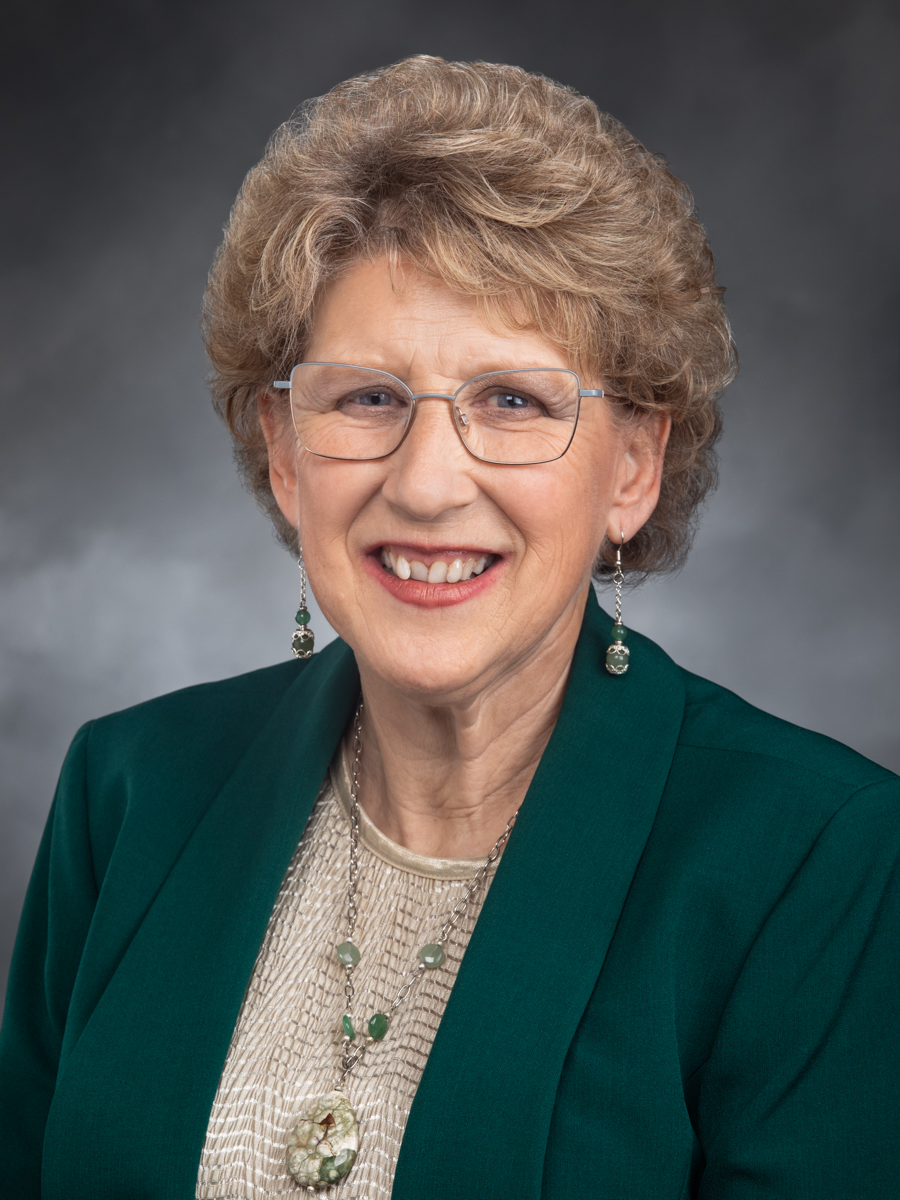
Tina Orwall
Tina Orwall Senate · District 33
D
Strong +
95% 154
Annette Cleveland
Annette Cleveland Senate · District 49
D
Strong +
93% 159
T'wina Nobles
T'wina Nobles Senate · District 28
D
Strong +
93% 155
June Robinson
June Robinson Senate · District 38
D
Strong +
93% 159
Jamie Pedersen
Jamie Pedersen Senate · District 43
D
Strong +
93% 159
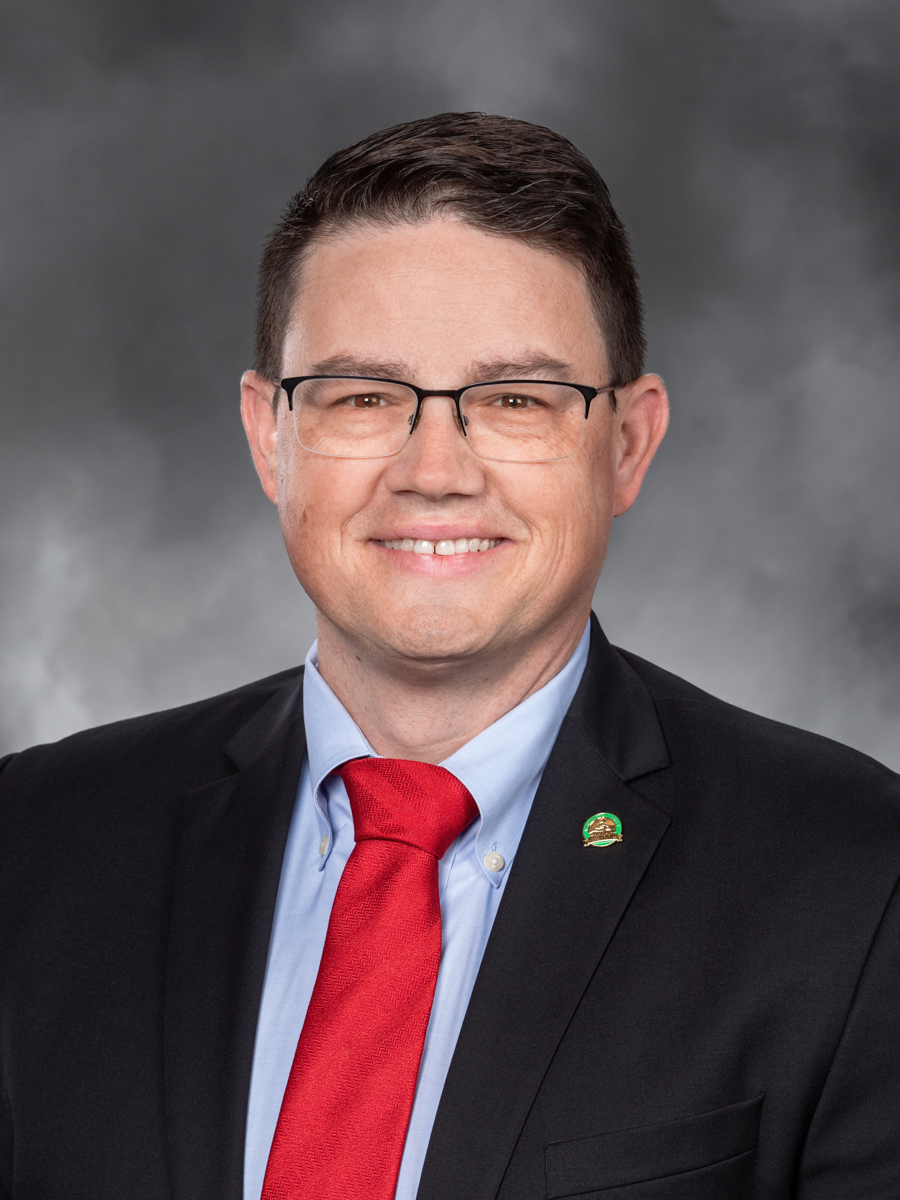
Shelly Short
Shelly Short Senate · District 7
R
Strong −
9% 159
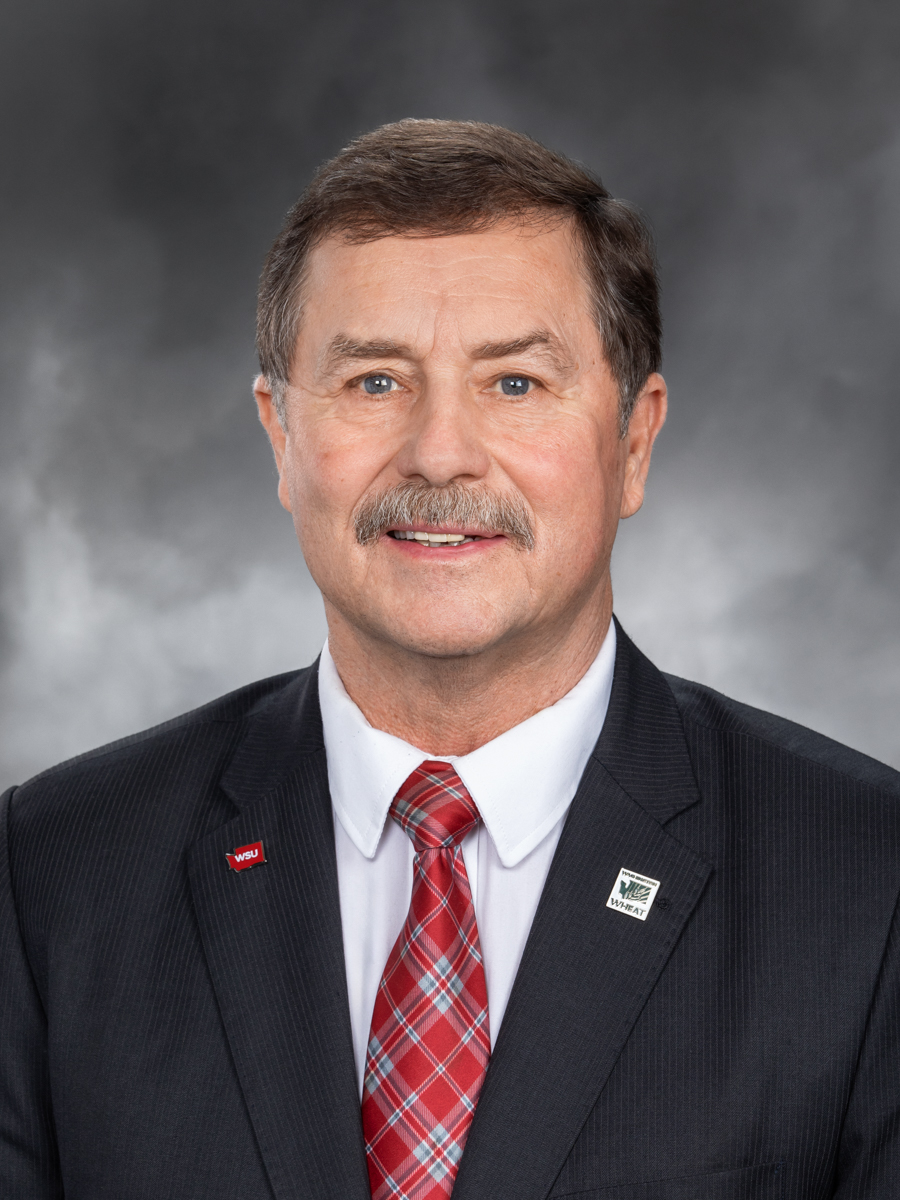
Chris Corry
Chris Corry House · District 15
R
Strong −
10% 180
Leonard Christian
Leonard Christian Senate · District 4
R
Strong −
10% 159
Jim McCune
Jim McCune Senate · District 2
R
Strong −
10% 159
Mark Schoesler
Mark Schoesler Senate · District 9
R
Strong −
12% 159
Showing 171–180 of 308 bills

All labor & employment bills

passed · Washington · Senate Jan 12, 2026

SB 5701: Expanding access to records for joint labor management committees for the purposes of enforcing prevailing wage laws.

Senate Bill 5701 expands the definition of an "interested party" under Washington's prevailing wage laws. This change includes Taft-Hartley trusts and joint labor-management cooperation committees within this definition. By becoming "interested parties," these groups gain expanded access to records related to public works projects. The bill aims to strengthen the enforcement of prevailing wage laws, helping ensure that contractors and subcontractors pay the legally required wages and benefits to workers.
in committee · Washington · House Jan 12, 2026

HB 1663: Enhancing youth mental health and well-being through advanced training and expansion of the workforce in schools.

HB 1663 aims to improve youth mental health in Washington schools by expanding the school social worker workforce. It requires educational service districts to coordinate with mental health agencies and universities to create in-school placements for social workers and trainees, directly addressing Washington's current ratio of one social worker per 3,798 students (compared to the recommended 1:250). The bill amends state law to clarify school social workers' roles in crisis intervention, trauma care, behavioral support, and collaboration with families and schools. These changes are designed to reduce student absenteeism, support students with mental health needs, and strengthen school-based mental health services for all K-12 students.
in committee · Washington · House Jan 12, 2026

HB 1723: Promoting the efficient administration of school construction assistance program projects.

HB 1723 requires Washington school districts to mandate pre-hire union agreements (called "project labor agreements") for construction projects exceeding $35 million. These agreements must cover all labor on the project, prevent strikes, include dispute resolution, and ensure fair competition among contractors. The bill exempts projects under specific statutes, smaller projects, or those with urgent needs, and allows exceptions if requiring such agreements would hinder competition or efficiency. It directly affects school districts managing large-scale construction and contractors working on eligible projects.
in committee · Washington · House Jan 12, 2026

HB 1951: Concerning regulation of transportation network companies during large-scale events.

HB 1951 caps fares for transportation network companies (like Uber or Lyft) during large-scale events, limiting charges to 120% of the driver's pay for prearranged rides. It directly affects passengers using these services at events defined as gatherings of 1,000+ people indoors or 10,000+ people outdoors with defined entrances/exits (excluding school or religious events). The bill requires companies to provide fare estimates before rides and prohibits excessive pricing during events, with "driver's pay" defined as base compensation excluding tolls or tips. This policy aims to prevent price gouging during high-demand gatherings while maintaining existing state preemption over local regulations for transportation network companies.
Sub-Topics Gig Economy
in committee · Washington · Senate Jan 12, 2026

SB 5027: Establishing a loan repayment program for public defense attorneys and prosecutors.

SB 5027 establishes a Washington state program to repay law school loans for public defense attorneys and prosecutors. To qualify, participants must work full-time (at 80% of the state bar’s standard caseload) in qualifying public defense or prosecution roles for three years. The program provides up to $20,000 annually for three years ($120,000 total), prioritizing rural practitioners if funding is limited. Participants must repay funds if they leave before completing the service period.
in committee · Washington · Senate Jan 12, 2026

SB 5336: Concerning protections for isolated employees.

SB 5336 requires employers (including hotels, retail stores, security companies, and property services contractors) to implement specific protections for "isolated employees" - workers like janitors, security guards, and hotel housekeepers who spend most of their time working alone. Key provisions mandate employers to adopt sexual harassment policies, provide mandatory training on preventing harassment and using panic buttons, supply panic buttons to isolated employees, and maintain records of training and button usage. Employers must also submit annual reports on training and work locations to the Department of Labor and Industries. Violations can result in civil penalties of up to $10,000 per repeat willful offense, with enforcement handled through department investigations and citations.
in committee · Washington · House Jan 12, 2026

HB 1739: Regulating the use of self-service checkout stations.

HB 1739 regulates self-service checkout stations in Washington state grocery stores over 15,000 square feet. It requires stores to offer at least one manual checkout station for every customer when self-service is available, limit self-service transactions to 15 items (with visible signage), and ensure one employee monitors no more than two self-service stations at a time while relieved from other duties. Stores must also include self-service checkout in workplace hazard analysis for safety programs. The law exempts discount warehouses selling primarily bulk items and imposes daily civil penalties of $100 (capped at $10,000) for violations.
Sub-Topics Labor Standards
in committee · Washington · Senate Jan 12, 2026

SB 5369: Enhancing youth mental health and well-being through advanced training and expansion of the workforce in schools.

SB 5369 addresses Washington's critical shortage of school social workers, which currently stands at one worker for every 3,798 students - far below the recommended national standard of one per 250 students. The bill requires educational service districts to partner with universities, mental health agencies, and school districts to expand the workforce through in-school training placements for social work students and conditional certification pathways. It revises statutes to clarify school social workers' roles in providing mental health counseling, crisis intervention, trauma-informed care, and support for students with individualized education plans. The law directly affects K-12 schools and students, particularly those facing emotional distress, behavioral challenges, or high absenteeism rates, by increasing access to mental health support within educational settings.
in committee · Washington · House Jan 12, 2026

HB 1926: Regarding training and testing of home care aides.

This bill requires Washington's Department of Health to collaborate with the Department of Social and Health Services to integrate certification testing into home care aide training programs by July 1, 2028. It mandates that exams include both skills demonstrations and knowledge tests, be administered in applicants' preferred languages, and be offered through facility-based or community training programs. The law affects home care aides seeking certification, their training programs, and the departments overseeing testing standards. It also specifies that testing must be conducted fairly and accessible to all applicants, with annual reviews of language-specific exam results.
passed · Washington · House Jan 12, 2026

HB 1857: Concerning asbestos-containing building materials.

House Bill 1857 updates regulations concerning asbestos-containing building materials in Washington state, primarily impacting manufacturers, distributors, and owners of certain facilities. The bill lowers the definition of an "asbestos-containing building material" from over one percent to over 0.1 percent asbestos by weight or area, effective January 1, 2025, which expands the scope of materials subject to labeling requirements. It mandates that owners of manufacturing facilities (NAICS codes 31-33) conduct regular inspections for asbestos and maintain an asbestos management plan. The bill also amends existing prohibitions on the use of these materials in new construction and renovations, adding an exemption for commercial aggregates.
Showing 171 to 180 of 308 bills
Previous 1 17 18 19 31 Next