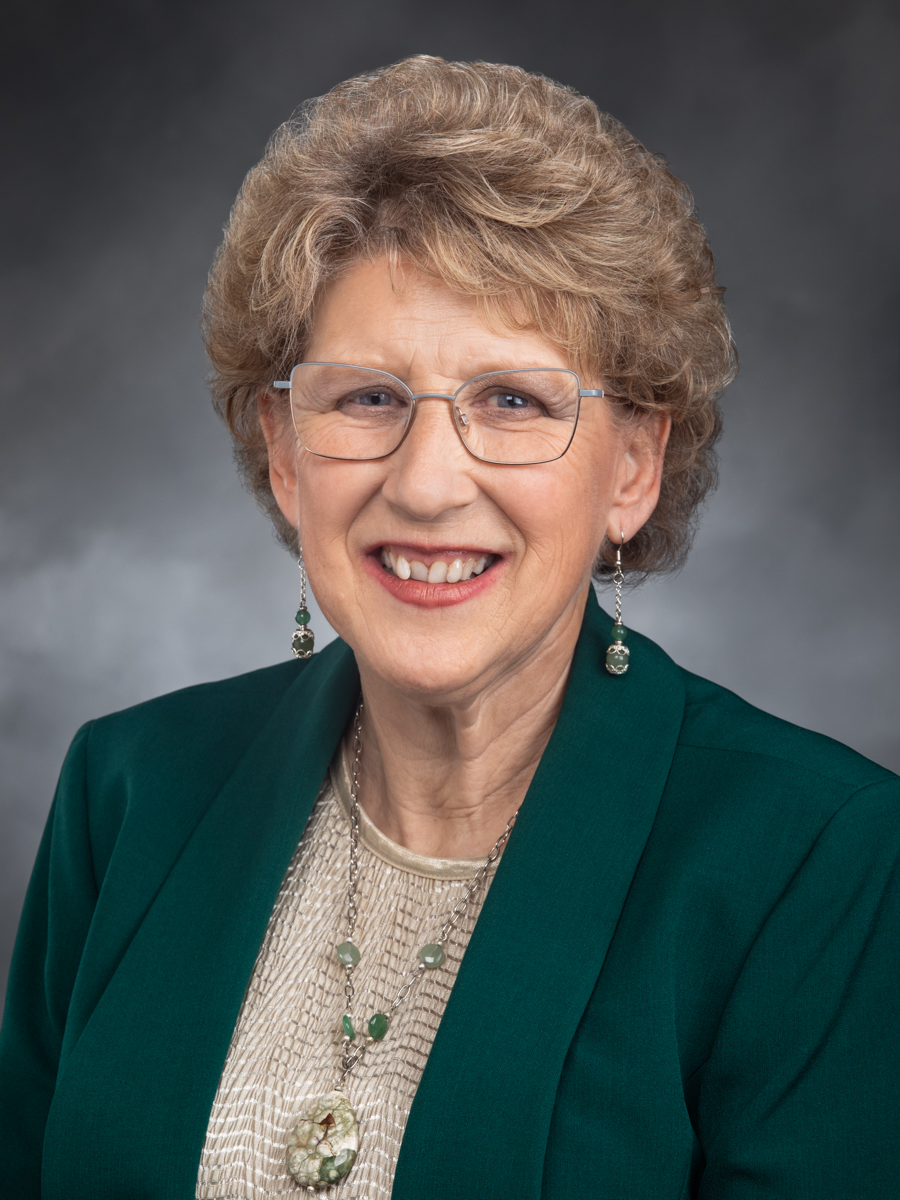
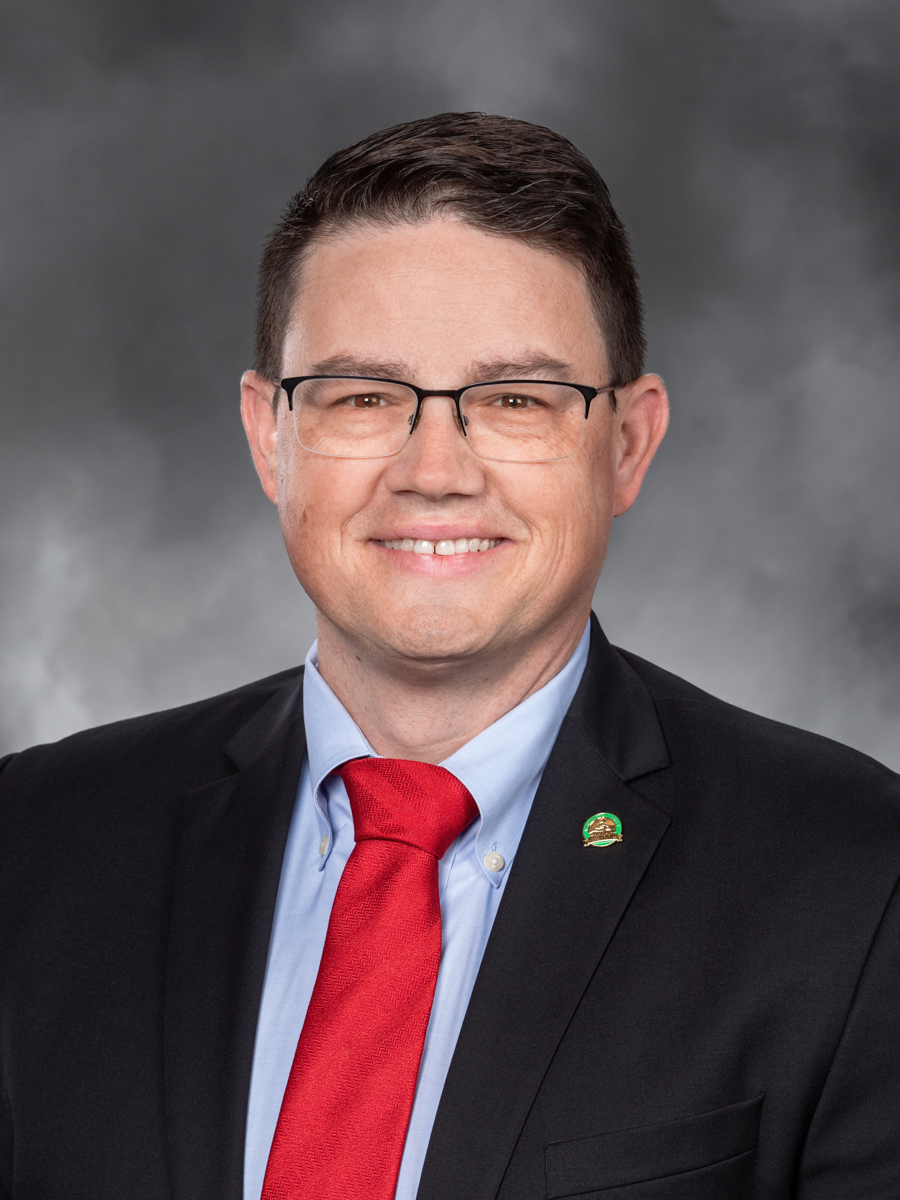
HB 1655 requires health carriers in Washington to annually increase compensation for independent health care providers (those not employed by hospitals or hospital affiliates) based on the consumer price index (CPI), starting January 1, 2026. This applies to health benefit plans covering medical services, ensuring provider payments keep pace with inflation. The bill prohibits health carriers from waiving this requirement or discriminating against providers to avoid it, though it excludes dental-only plans. The law aims to reduce pressure on independent providers to join hospital systems by making fairer compensation adjustments.
SB 5242 establishes a confidential, anonymous screening program for licensed health care providers in Washington State to address mental health and burnout. The program, funded by an annual surcharge on health professional licensing fees, provides an evidence-based screening questionnaire reviewed by counselors, with options for email consultation, referrals, or assistance with paid medical leave requests for mental health needs. It directly affects all health professionals licensed under chapter 18.130 RCW, including doctors, nurses, and therapists, by offering immediate access to behavioral health resources. The program’s costs are covered through a uniform surcharge added to licensing fees, with funds dedicated exclusively to the initiative via a new state account. The bill does not create new clinical standards but aims to improve provider access to support services through a structured, confidential pathway.
HB 1128 creates a Washington state Child Care Workforce Standards Board to set minimum compensation and employment standards for child care workers. The board, composed of nine members including worker representatives (from family child care, center workers, and school-age programs), employer representatives, parent advocates, and state agency officials, will address low pay and poor working conditions that contribute to workforce instability. It requires the board to hold public hearings, establish standards with a six-member vote, and protect workers from retaliation for participating in the process. The law aims to improve child care quality and affordability by ensuring fair compensation and stable employment for workers directly serving children.
House Bill 1233, known as the "ending forced labor act," aims to reform work programs for incarcerated persons within Washington State's correctional facilities. The bill updates legal terminology, replacing terms like "inmate" and "offender" with "incarcerated person." While the specific changes to work programs are not detailed in the provided text, the bill's title indicates a focus on ensuring these programs do not constitute forced labor. It also distinguishes between "privileges" earned through good conduct and performance, and services the department is legally required to provide.
SB 5397 limits the percentage of courses taught by non-tenure-track faculty at Washington state community and technical colleges. Starting July 1, 2030, these institutions must ensure no more than 45% of annual courses are taught by such faculty, requiring them to adopt policies by July 2026. Colleges must also submit annual reports starting in 2028 detailing their progress toward this 45% cap, including current course percentages. This bill directly affects all Washington community and technical colleges and their faculty hiring practices.
Senate Bill 5408 amends existing law to allow for corrections to wage and salary disclosures by employers with 15 or more employees. The bill requires these employers to include wage scales, salary ranges, or fixed amounts, along with a general description of benefits, in job postings and provide this information for internal transfers or promotions upon request. A key provision allows employers, until July 27, 2027, to correct a non-compliant posting within five business days of receiving written notice to avoid penalties. Job applicants or employees may pursue administrative remedies or a private civil action for uncorrected violations, seeking statutory damages and other relief.
HB 1511 clarifies that Washington state ferry captains are the ultimate authority for vessel operations and safety. The bill requires captains in the current "masters, mates, and pilots" bargaining unit to vote by August 31, 2025, on whether to join a new combined union representing all three roles. If a majority votes yes, a unified bargaining unit will take effect on July 1, 2026, replacing the separate captain-only unit. This change directly affects ferry captains and their union representation, with no impact on existing safety or operational responsibilities.
SB 5531 streamlines background checks for home care workers by removing automatic disqualification for certain past convictions after specific time periods pass (e.g., cannabis sales after 3 years, theft after 10 years, or assault/robbery after 5 years). It directly affects home care workers, long-term care providers, and contracted agencies working with vulnerable adults or children. Key provisions include allowing temporary unsupervised access for up to 30 days during a character review while maintaining a requirement for written notice to guardians about pending reviews. The bill also clarifies that agencies may use discretion in reviewing past convictions, with a rebuttable presumption supporting their decisions.
HB 1524 establishes new workplace standards for employers of "isolated employees" in Washington state, specifically those in hotel, motel, retail, security guard, and property services industries. The bill requires these employers to adopt sexual harassment policies and provide mandatory training to managers, supervisors, and isolated employees on preventing harassment and discrimination. Employers must also provide panic buttons to isolated employees, allowing them to summon immediate assistance. The Department of Labor and Industries is responsible for investigating violations and can issue civil penalties for non-compliance.
HB 1395 streamlines the background check process for home care workers, long-term care providers, and others working with vulnerable adults and children in Washington state. It prevents the Department of Social and Health Services (DSHS) from automatically disqualifying individuals for certain past criminal convictions, such as specific theft or assault charges, once a specified number of years have passed. However, DSHS or authorized entities can still consider these convictions during a "character, competence, and suitability review," and clients must be informed of an approved provider's background check results before services begin. The bill also allows some providers to work for up to 30 days while their review is pending, with client notification, and limits when new suitability reviews are required for previously cleared non-disqualifying issues.