Issue · Labor & Employment

Labor & Employment

Every labor & employment bill, vote, and legislator stance in Washington, automatically classified by Maddy, our AI policy reader.

Total bills
308
2025-2026 Regular Session
Top supporter
Tina Orwall
95% support rate
Top opponent
Shelly Short
9% support rate
Ranked legislators
10
5 support · 5 oppose
Key legislators

Who's moving labor & employment in Washington

Legislators moving labor & employment in Washington
Legislator Party Stance Support rate Votes
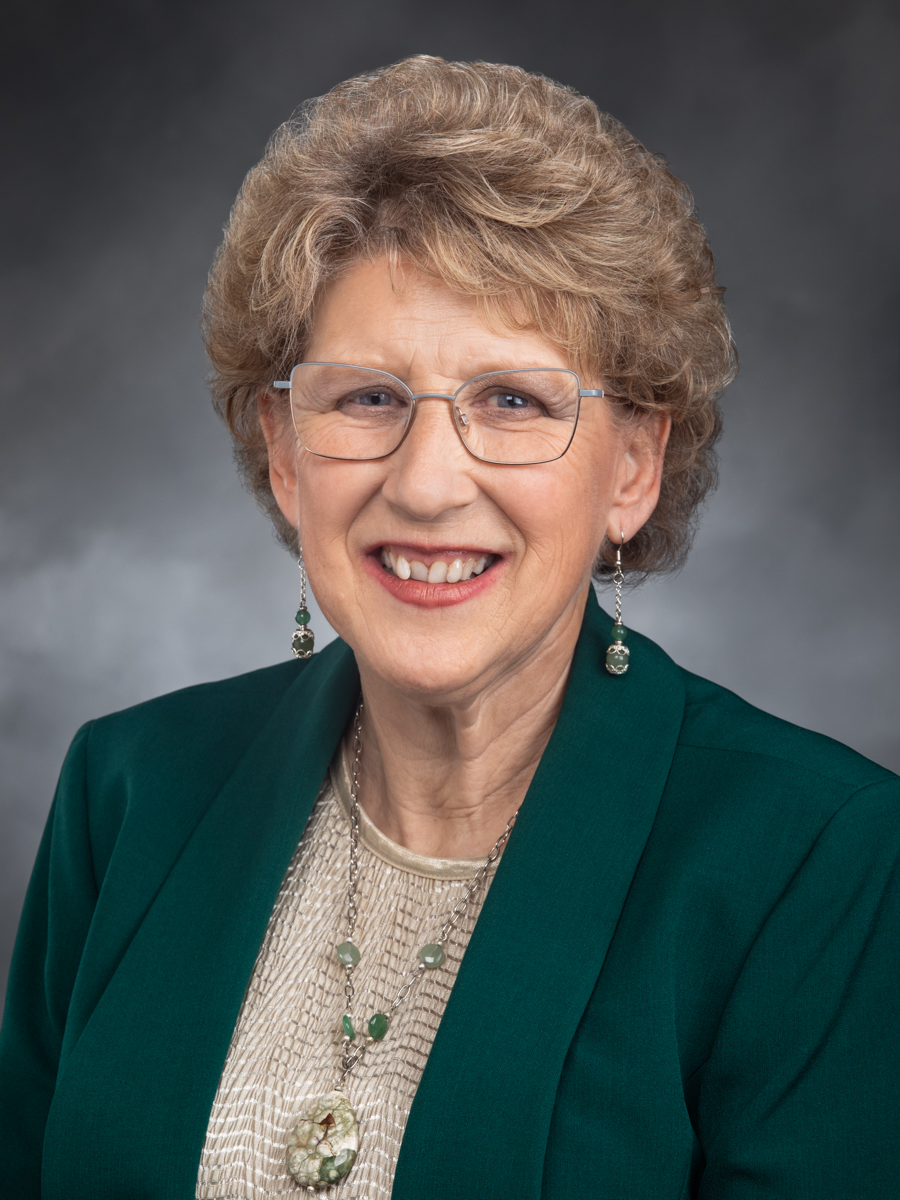
Tina Orwall
Tina Orwall Senate · District 33
D
Strong +
95% 154
Annette Cleveland
Annette Cleveland Senate · District 49
D
Strong +
93% 159
T'wina Nobles
T'wina Nobles Senate · District 28
D
Strong +
93% 155
June Robinson
June Robinson Senate · District 38
D
Strong +
93% 159
Jamie Pedersen
Jamie Pedersen Senate · District 43
D
Strong +
93% 159
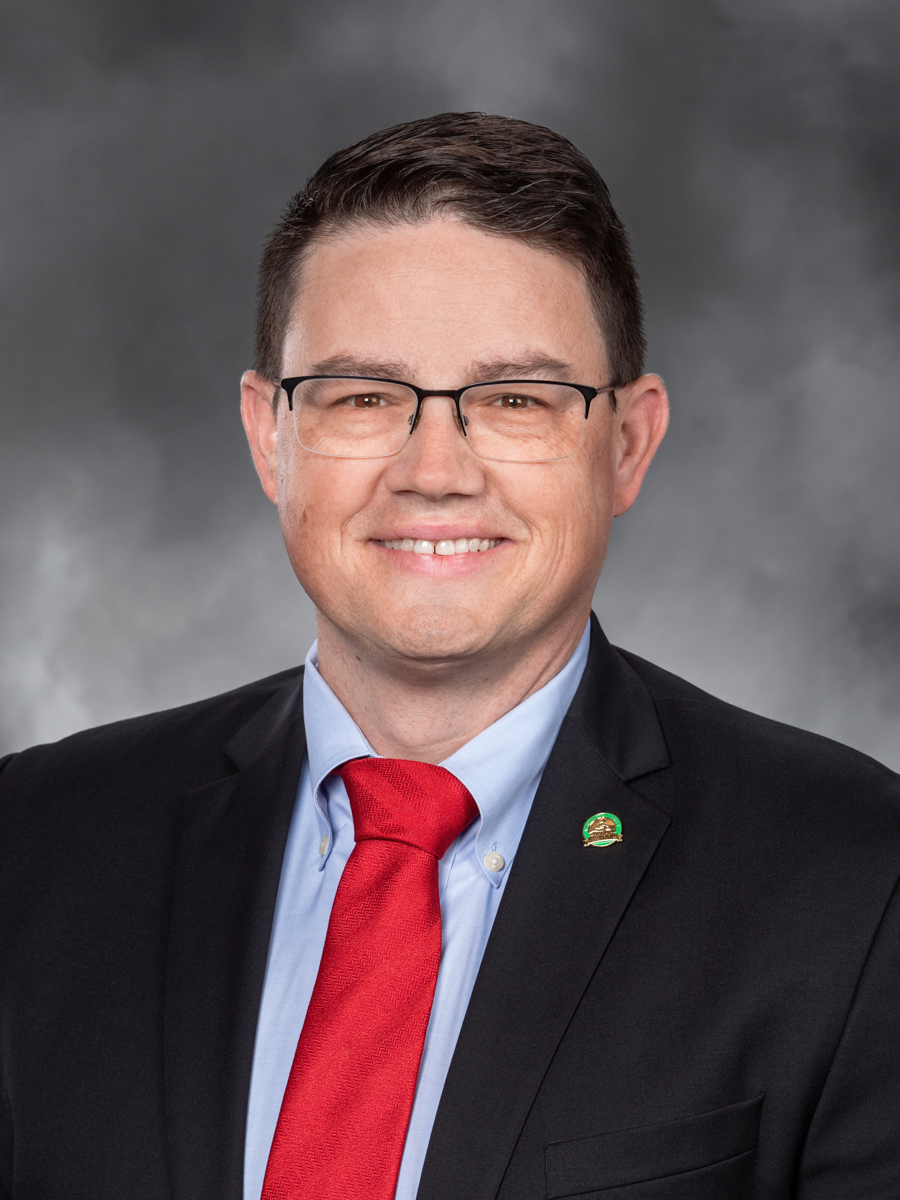
Shelly Short
Shelly Short Senate · District 7
R
Strong −
9% 159
Chris Corry
Chris Corry House · District 15
R
Strong −
10% 180
Leonard Christian
Leonard Christian Senate · District 4
R
Strong −
10% 159
Jim McCune
Jim McCune Senate · District 2
R
Strong −
10% 159
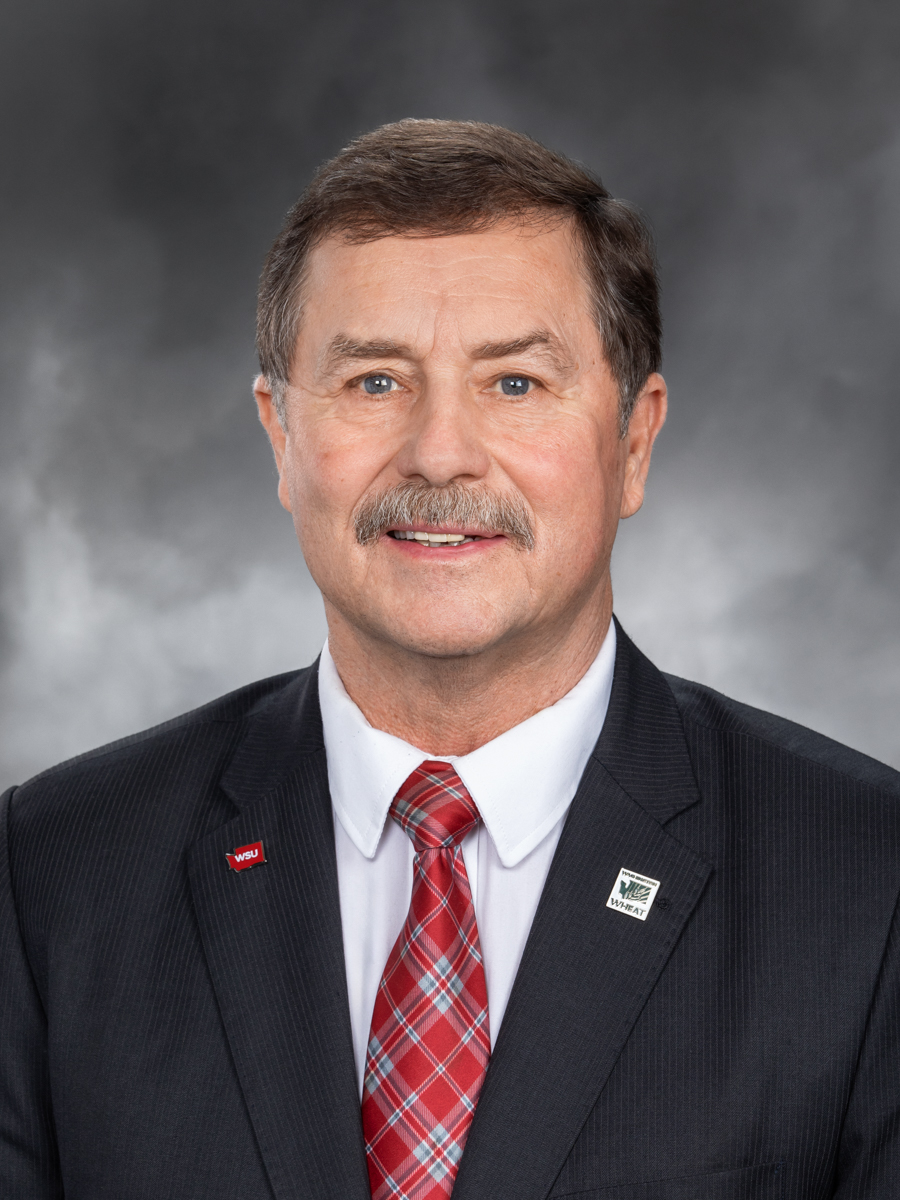
Mark Schoesler
Mark Schoesler Senate · District 9
R
Strong −
12% 159
Showing 91–100 of 308 bills

All labor & employment bills

in committee · Washington · Senate Feb 26, 2026

SB 6158: Adopting national standards for factory built housing and commercial structures.

This bill requires all factory-built housing and commercial structures installed in Washington to be approved by the Department of Labor & Industries (DLI) before installation, using national safety standards from the International Code Council. It establishes a statewide approval process that overrides local building codes for approved structures, ensuring consistency across cities and counties. Manufacturers and installers must obtain DLI approval and display an official insignia, with modifications requiring prior departmental review. The bill also creates a system for independent "qualified inspection agencies" to conduct safety checks under DLI oversight.
in committee · Washington · House Jan 19, 2026

HB 2561: Including standby pay as basic salary in the law enforcement officers' and firefighters' retirement system plan 2.

HB 2561 amends Washington's retirement law to include standby pay as part of the "basic salary" used to calculate retirement benefits for law enforcement officers and firefighters enrolled in Plan 2. Specifically, it requires that compensation received while in "standby status" (paid time when not working but required to be available for immediate duty) be counted toward retirement benefits, alongside regular wages. This change directly affects current and future Plan 2 members in these professions, ensuring their retirement income reflects all earned compensation during standby periods. The bill explicitly excludes vacation pay, sick leave, and severance from this calculation. It does not alter existing retirement benefit formulas but clarifies which compensation types are included in the base salary calculation.
Sub-Topics Retirement Benefits
in committee · Washington · Senate Feb 6, 2026

SB 6284: Providing consumer protections for artificial intelligence systems.

Washington State's SB 6284 creates new consumer protections for artificial intelligence systems that make consequential decisions affecting people's lives. The bill requires businesses deploying "high-risk" AI systems (like those used for housing, loans, employment, or healthcare access) to conduct bias audits before use and disclose when AI influences such decisions. It defines "algorithmic discrimination" as AI causing unlawful bias and sets a risk-based regulatory framework for developers and deployers. The law applies to Washington residents acting as consumers, not in business or employment contexts, and aims to prevent unfair outcomes while supporting innovation.
in committee · Washington · Senate Jan 14, 2026

SB 6133: Concerning participation in the address confidentiality program by administrative law judges and staff employed by the office of administrative hearings.

SB 6133 expands Washington State's Address Confidentiality Program to include administrative law judges and staff employed by the Office of Administrative Hearings. This bill amends state law to allow these workers to apply for the program if they face threats or harassment, joining existing categories like domestic violence survivors and election officials. Eligible applicants must provide sworn statements about safety concerns and designate the Secretary of State as their agent for mail and legal service. The program protects their actual address by using a confidential mailing address for official purposes, with the Secretary of State forwarding mail and updating vehicle registration records.
in committee · Washington · Senate Jan 29, 2026

SB 6330: Prohibiting the use of paraquat unless authorized for research conducted under strict safety and reporting protocols.

SB 6330 prohibits the use, sale, distribution, application, or handling of paraquat (a herbicide) for all agricultural or commercial purposes in Washington State, effective January 1, 2027. It directly affects agricultural workers, pesticide handlers, and rural communities who would no longer be exposed to paraquat in standard farming operations. The bill allows limited exceptions only for research conducted under strict safety protocols and reporting requirements approved by the state director. This law aims to reduce preventable exposure to paraquat while supporting the transition to alternative weed management practices.
in committee · Washington · House Feb 24, 2026

HB 2600: Updating the supported living cost report.

HB 2600 requires Washington's Department of Social and Health Services to update the supported living cost report template by July 2026 to align with federal law and address workforce shortages. The updated report must include detailed data on staff counts, wages, benefits (like health insurance and paid time off), and revenue breakdowns by client tier. A new work group - comprising providers, disability advocates, and union representatives - will develop recommendations to improve compensation for direct support professionals, with a final report due to the legislature by December 2026. The bill expires September 1, 2028, and directly affects supported living providers who must submit the new report format.
signed · Washington · Senate Mar 24, 2026

SB 6058: Adding discretion to wage enforcement actions.

SB 6058 modifies Washington's wage enforcement process by giving the Department of Labor & Industries more discretion in handling wage claims. It establishes a three-year limit on enforceable wage claims (counting from when a complaint is filed) and creates a $1,000 minimum civil penalty (up to $20,000) for willful violations, calculated as 10% of unpaid wages. Employers can avoid penalties by paying all owed wages plus interest within 10 business days of receiving a notice. This directly affects employers who owe wages, employees seeking unpaid pay, and the department's enforcement procedures. The bill updates existing laws without creating new wage rights.
signed · Washington · House Mar 9, 2026

HB 2355: Establishing labor protections for domestic workers.

HB 2355 establishes minimum wage, overtime, and written contract requirements for domestic workers in Washington State, directly affecting nannies, home care aides, housekeepers, and similar workers employed in private residences. The bill requires employers to pay at least the state minimum wage (including overtime after 40 hours), provide a written agreement detailing pay, hours, benefits, and termination notice (2 weeks for non-live-in workers, 4 weeks for live-in), and prohibits wage theft like withholding pay. It excludes family members, casual labor (e.g., irregular babysitting), and home care provided through state-funded agencies. The law aims to bring domestic workers under standard labor protections while clarifying exemptions for certain informal or family-based arrangements.
signed · Washington · House Mar 11, 2026

HB 2345: Concerning contributions in the state paid family and medical leave program.

HB 2345 modifies Washington's state paid family and medical leave program by establishing fixed contribution rates: 52% for medical leave premiums and 48% for family leave premiums, replacing a prior method based on claim data. This affects employers and employees who contribute to the program through payroll deductions, requiring employers to collect these specific percentages from wages. Small employers (under 50 workers) remain exempt from paying the employer portion of premiums, while larger employers must deduct employee shares within defined limits. The bill ensures the total premium rate calculation remains tied to program expenses and reserve requirements, but does not alter the overall contribution burden between employers and employees.
Sub-Topics Paid Leave
in committee · Washington · House Jan 12, 2026

HB 2187: Supporting employers providing child care assistance to employees by establishing a business and occupation and public utility tax credit.

HB 2187 creates a tax credit for Washington employers who provide child care assistance to their employees. It allows businesses to claim a 50% credit against their business and occupation tax for costs paid to registered child care providers, with key limits: a $50,000 annual cap per business and a $5 million statewide annual cap. The credit initially targets small businesses (under 100 full-time employees) and those joining child care consortiums (grouped businesses pooling resources) through 2028, then expands to all qualifying employers starting in 2029. The program expires on January 1, 2033, and requires electronic filing without separate applications.
Showing 91 to 100 of 308 bills
Previous 1 9 10 11 31 Next