Issue · Labor & Employment

Labor & Employment

Every labor & employment bill, vote, and legislator stance in Washington, automatically classified by Maddy, our AI policy reader.

Total bills
11
119th Congress
Top supporter
Marie Gluesenkamp Perez
77% support rate
Top opponent
Dan Newhouse
38% support rate
Ranked legislators
7
5 support · 2 oppose
Key legislators

Who's moving labor & employment in Washington

Legislators moving labor & employment in Washington
Legislator Party Stance Support rate Votes
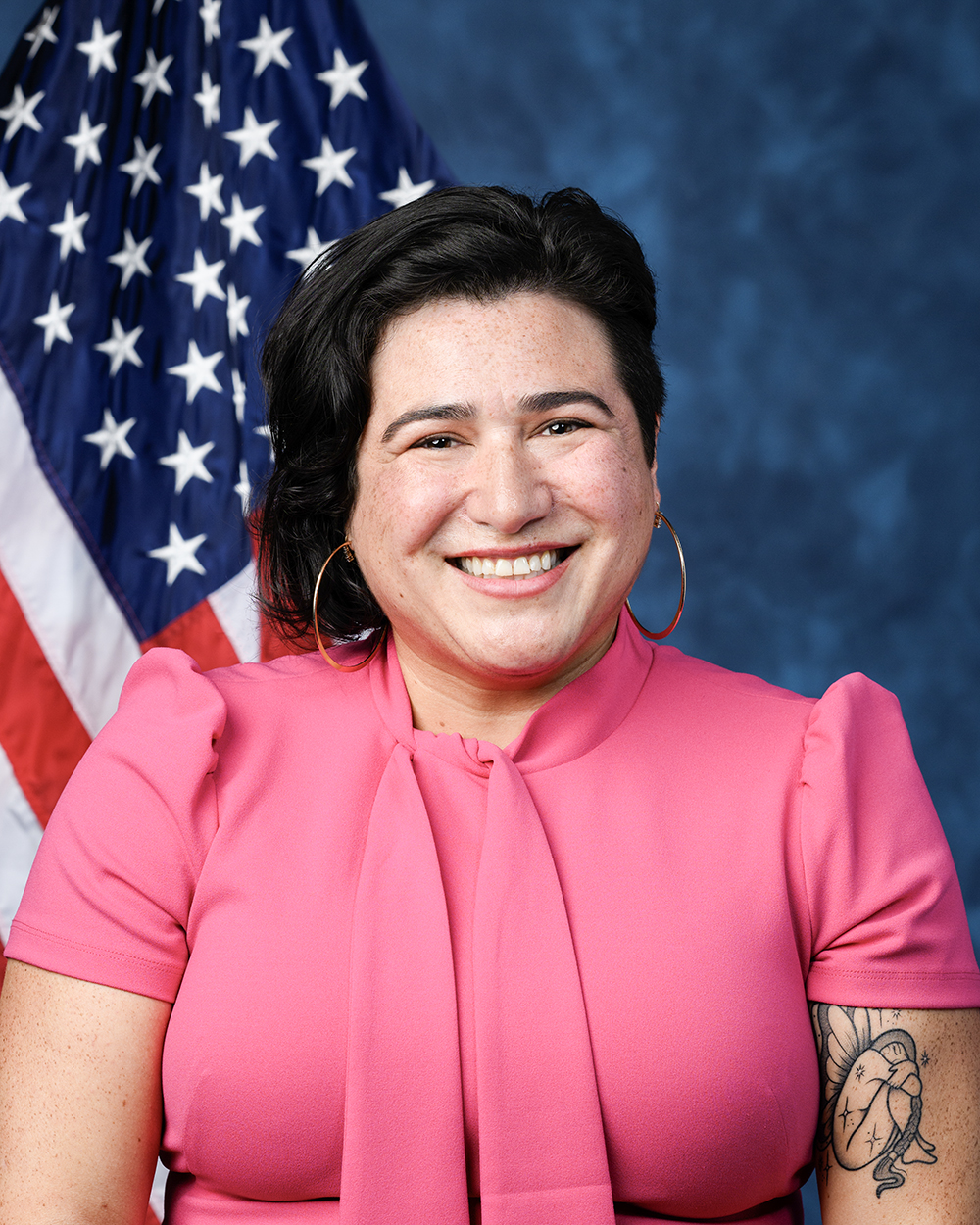
Marie Gluesenkamp Perez
Marie Gluesenkamp Perez House · District 3
D
Support
77% 195
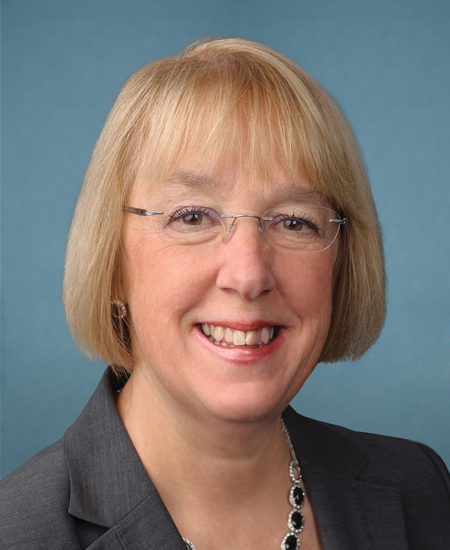
Patty Murray
Patty Murray Senate
D
Support
75% 192
Maria Cantwell
Maria Cantwell Senate
D
Support
75% 212
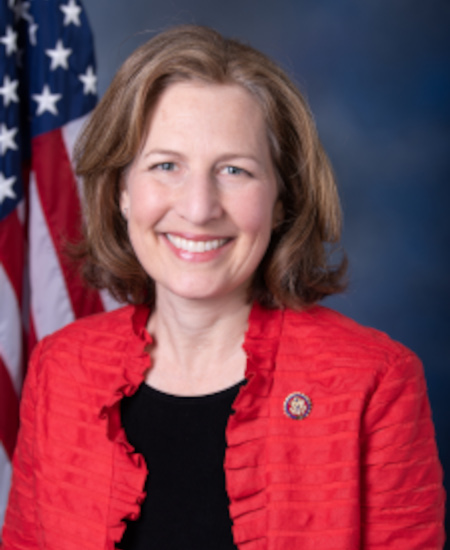
Kim Schrier
Kim Schrier House · District 8
D
Support
69% 197
Emily Randall
Emily Randall House · District 6
D
Support
67% 195
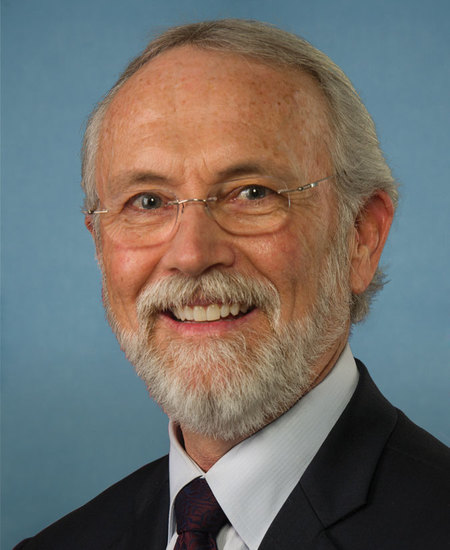
Dan Newhouse
Dan Newhouse House · District 4
R
Oppose
38% 196
Michael Baumgartner
Michael Baumgartner House · District 5
R
Mixed −
42% 193
Showing 1–10 of 11 bills

All labor & employment bills

in committee · United States · House Jan 13, 2025

HR 357: Back to Work Act

HR 357, the Back to Work Act, sets a 40% telework limit for federal employees, restricting remote work to no more than 40% of workdays per pay period. It requires agency heads to annually approve telework policies, monitor remote workers, and consider specific exceptions (e.g., for military spouses, specialized roles, or severe weather). Agencies must also submit annual reports to Congress on telework metrics, enforcement barriers, and impacts like productivity or security. The bill takes effect 180 days after enactment, aiming to standardize and regulate federal telework practices.
in committee · United States · House Jan 7, 2025

HR 236: Federal Employee Return to Work Act

This bill requires federal employees who telework at least one day weekly (or 20% of their time under alternative schedules) to be paid at the "Rest of U.S." locality pay rate without future adjustments. It excludes employees who telework daily, those with disabilities receiving accommodations, Foreign Service members, law enforcement officers, and military personnel on active duty. Covered employees will no longer receive annual pay adjustments under standard federal pay schedules. The policy takes effect at the start of the first full fiscal year after the bill becomes law. It directly affects federal workers meeting the telework threshold, altering their pay structure based on location.
in committee · United States · House Oct 24, 2025

HR 5812: Correcting Opportunity and Accountability in Collegiate Hiring Act (COACH Act)

The COACH Act sets a limit on compensation for college athletics staff at 10 times the institution's annual undergraduate tuition and fees for full-time, first-time students. It applies to all colleges and universities receiving federal student aid (Title IV programs), requiring them to cap total pay - including salaries, bonuses, buyouts, and related payments - for all athletic department employees. Institutions must publicly disclose the cap amount, the tuition figure used, and how many staff are near the limit. The law aims to redirect resources toward academic priorities by preventing excessive athletic spending, while including an antitrust safe harbor to allow uniform enforcement.
in committee · United States · House Dec 12, 2025

HR 6685: To amend the Internal Revenue Code of 1986 to establish an exception for multiemployer plan participants to the requirements for automatic enrollment.

This bill exempts multiemployer pension plans from automatic enrollment requirements under the Internal Revenue Code. Specifically, it amends Section 414A(c)(3) to explicitly exclude multiemployer plans (defined under Section 414(f)) from rules requiring automatic enrollment in retirement plans. This change directly affects workers enrolled in union-sponsored multiemployer pension plans, allowing these plans to avoid automatic enrollment obligations. The amendment applies to taxable years beginning after December 31, 2024.
in committee · United States · House Sep 8, 2026

HR 3495: Direct Seller and Real Estate Agent Harmonization Act

This bill amends the Fair Labor Standards Act to clarify that direct sellers and qualified real estate agents (as defined under IRS rules) are not considered "employees" under federal labor law. It directly affects these workers by excluding them from FLSA protections like minimum wage and overtime pay. The key provision inserts a new definition into the law, changing how these professions are classified for labor rights purposes. This is a technical definitional change, not a new policy or program.
in committee · United States · House Feb 11, 2025

HR 1193: Future in Logging Careers Act

This bill amends the Fair Labor Standards Act to create child labor exemptions for specific logging work. It allows 16- and 17-year-olds to work in mechanized timber harvesting operations (like felling, processing, and transporting timber using machinery) that the Secretary of Labor deems particularly hazardous, provided the employer is not owned or operated by a parent or guardian. The exemption applies to jobs involving equipment such as feller-bunchers, forwarders, and whole tree processors, but excludes children working for non-family-owned logging businesses. It does not create new career programs but modifies existing child labor restrictions for certain logging occupations.
in committee · United States · House Jul 23, 2025

HR 4658: STUDENT Act

HR 4658, the STUDENT Act, would impose new requirements on the National Education Association (NEA) to maintain its federal charter. The bill mandates explicit employee consent for membership dues (ending automatic payroll deductions), prohibits the NEA from engaging in political activities or lobbying, and bans the promotion of specific beliefs (such as claims that the U.S. is fundamentally racist) in schools. It also repeals the NEA's property tax exemption in the District of Columbia and requires the organization to comply with anti-discrimination rules and labor laws. These changes directly affect the NEA and its state/local affiliates, altering how they operate and interact with public schools.
in committee · United States · House Sep 8, 2026

HR 5267: American Franchise Act

HR 5267, the American Franchise Act, clarifies when franchisors can be considered joint employers of franchisee employees under federal labor laws. It defines "substantial direct and immediate control" over essential employment terms like wages, benefits, hours, hiring, and discipline - requiring franchisors to actively set these terms to be deemed joint employers. The bill explicitly excludes routine brand standards, training, or minimal safety requirements from constituting such control. This directly affects franchisors and franchisees by limiting joint employer liability to cases where franchisors exert significant, ongoing influence over core employment decisions. The law applies prospectively to new cases after enactment, not past disputes.
Sub-Topics Labor Standards
in committee · United States · House Feb 26, 2025

HR 1624: Supporting Farm Operations Act of 2025

This bill freezes the minimum wage rate for H-2A agricultural workers at the level effective in each state on December 31, 2023, through December 31, 2026. It directly affects farms hiring H-2A visa workers and the workers themselves by maintaining current wage requirements. The bill clarifies that wage determination for these workers will use a "primary duties evaluation" to assess their main job tasks, rather than all duties performed. This provides stability in wage calculations for agricultural employers and workers during the specified period.
in committee · United States · House Feb 12, 2025

HR 1232: National Right-to-Work Act

HR 1232, the National Right-to-Work Act, would make union membership voluntary for workers in most private-sector jobs by removing legal requirements for employees to join a union or pay dues as a condition of employment. It directly affects workers in unionized workplaces covered by the National Labor Relations Act (including most private employers) and railroad workers covered by the Railway Labor Act. The key change eliminates provisions that allowed "union security agreements" (requiring dues or membership), meaning workers could no longer be forced to pay union fees to keep their jobs. This bill does not change other labor rights or create new programs - it only modifies existing laws to allow workers to opt out of union membership and financial obligations.
Showing 1 to 10 of 11 bills
1 2 Next