Issue · Housing

Housing

Every housing bill, vote, and legislator stance in Washington, automatically classified by Maddy, our AI policy reader.

Total bills
236
2025-2026 Regular Session
Top supporter
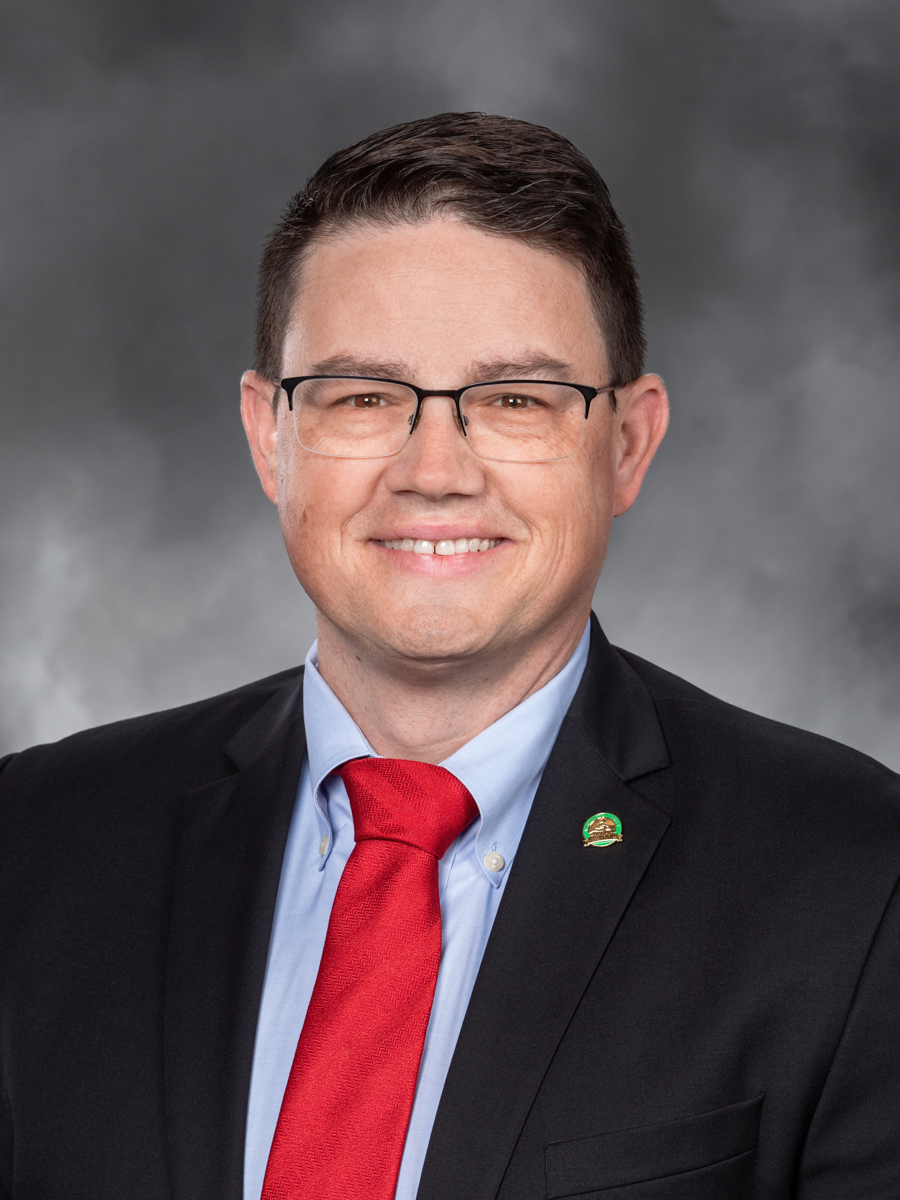
Zach Hall
100% support rate
Top opponent
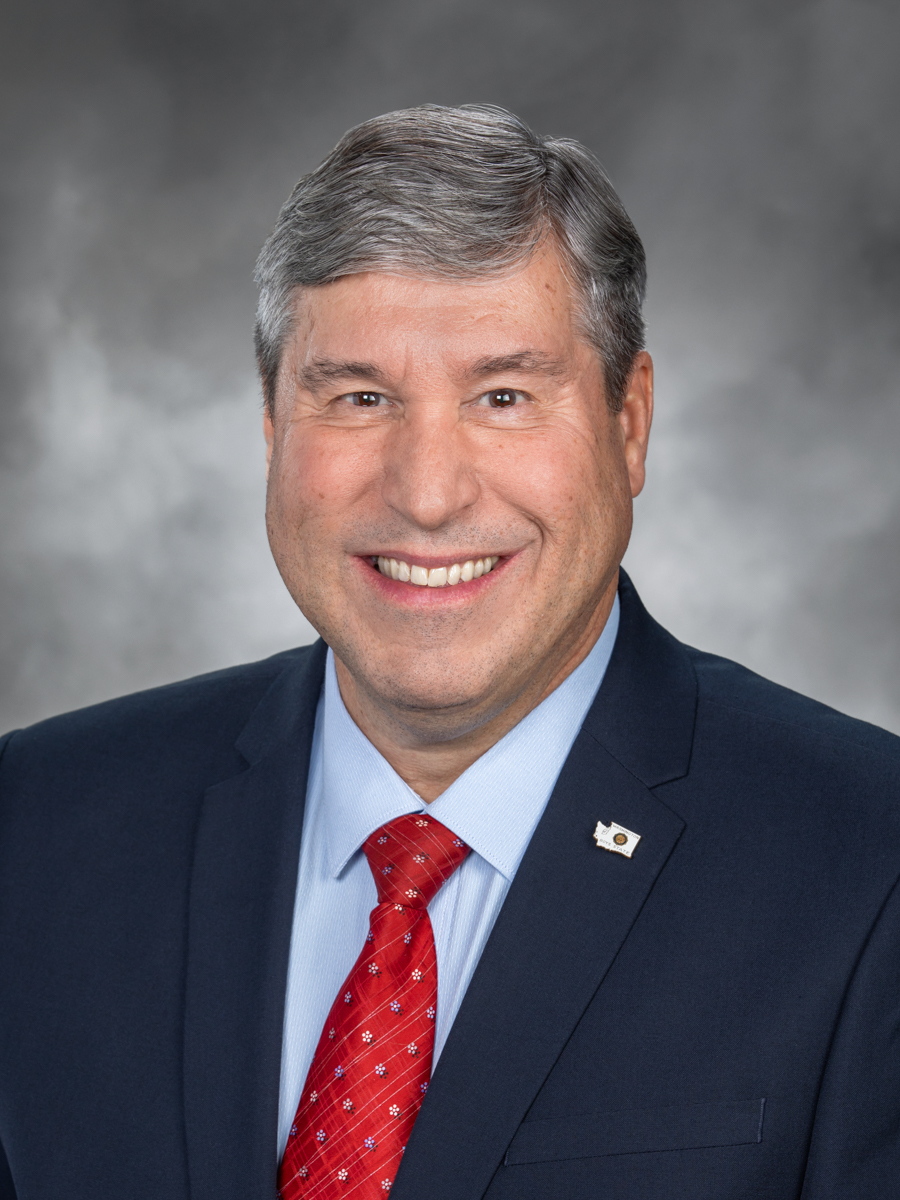
Jeremie Dufault
10% support rate
Ranked legislators
10
5 support · 5 oppose
Key legislators

Who's moving housing in Washington

Legislators moving housing in Washington
Legislator Party Stance Support rate Votes
Zach Hall
Zach Hall House · District 5
D
Strong +
100% 123
David Hackney
David Hackney House · District 11
D
Strong +
100% 154
Greg Nance
Greg Nance House · District 23
D
Strong +
97% 195
Jesse Salomon
Jesse Salomon Senate · District 32
D
Strong +
95% 112
Kristine Reeves
Kristine Reeves House · District 30
D
Strong +
95% 196
Jeremie Dufault
Jeremie Dufault House · District 15
R
Strong −
10% 205
Jim Walsh
Jim Walsh House · District 19
R
Strong −
10% 206
Chris Corry
Chris Corry House · District 15
R
Strong −
10% 196
Michael Keaton
Michael Keaton House · District 25
R
Strong −
10% 207
Joel McEntire
Joel McEntire House · District 19
R
Strong −
11% 134
Showing 171–180 of 236 bills

All housing bills

in committee · Washington · Senate Jan 12, 2026

SB 5699: Concerning limited areas of more intensive rural development.

SB 5699 amends Washington State law requiring counties and cities to update their comprehensive plans. It mandates specific additions to the land use element, including wildfire risk mitigation (like adopting firewise standards), groundwater protection, and environmental justice considerations. The housing element must address racial disparities in housing access, identify anti-displacement policies, and ensure affordable housing options for low- to moderate-income households, including accessory dwelling units. This bill directly affects all local governments required to maintain comprehensive plans under state law.
Sub-Topics Land Use Property Development Zoning Tags Rural Communities
in committee · Washington · Senate Jan 12, 2026

SB 5661: Creating consistency in housing.

SB 5661 creates statewide consistency in housing by preventing cities and counties from enacting local rent control or landlord-tenant regulations that conflict with Washington’s state law. It directly affects landlords, tenants, and local governments in areas like Seattle, King County, and Tacoma, which have previously imposed conflicting rules (e.g., requiring extra notices for criminal activity or mandating 30-day notices). The bill amends state law to explicitly state that cities and counties cannot regulate rent amounts or tenant agreements (except for low-income housing under specific joint public-private programs), overriding local ordinances. This aims to eliminate regulatory confusion, encourage rental housing investment, and support Washington’s goal of building 1.1 million new homes over 20 years.
in committee · Washington · Senate Jan 12, 2026

SB 5740: Concerning eviction reform and tenant safety.

SB 5740 (Washington State) standardizes eviction notice forms and procedures to streamline the unlawful detainer process. It requires eviction summons to clearly state response deadlines (5:00 p.m. prior to court date), include tenant legal aid resources (like the Eviction Defense Screening Line at 855-657-8387), and list mediation options. The bill directly affects landlords (both non-profit and for-profit) and tenants facing eviction, particularly in affordable housing communities. Key provisions include mandating specific content in summons forms and clarifying how tenants can legally respond to eviction filings. This is a procedural reform focused on improving process clarity, not altering tenant rights or landlord obligations.
signed · Washington · House Apr 11, 2025

HB 1003: Addressing service of notice by mail in cases involving forcible entry and forcible and unlawful detainer.

HB 1003 amends Washington state law to clarify how eviction notices must be served by mail in forcible entry and unlawful detainer cases. It requires that notices sent by certified mail (from within Washington) be considered complete upon deposit in the U.S. mail, and adds a mandatory five-day waiting period before an eviction action can begin after mail service. The bill directly affects tenants, landlords, and legal processes in housing disputes by standardizing mail service procedures and extending the timeframe for tenants to respond. This change, effective July 27, 2025, aims to ensure clearer notice delivery in eviction cases while providing additional time for affected residents.
Sub-Topics Tenant Rights
in committee · Washington · Senate Jan 12, 2026

SB 5753: Establishing a public housing task force.

SB 5753 establishes a 12-member task force to study how Washington State could expand public housing as a solution to the housing crisis. The task force will examine funding options, public land use, UN housing standards, and governance changes needed to develop mixed-income housing, with a focus on affordability for low-income residents and communities of color. It must submit preliminary and final reports to the legislature by July and November 2026, respectively, including recommendations for creating publicly owned housing that meets international adequacy standards. This bill does not fund or build housing but creates a study group to develop a strategy for future action.
in committee · Washington · House Jan 12, 2026

HB 1040: Concerning rental income received by people eligible for certain property tax exemption programs.

HB 1040 allows people eligible for Washington’s property tax exemption programs (for seniors or disabled residents) to exclude up to $6,000 annually in rental income from their primary residence when calculating income eligibility for the exemption. This applies only to long-term rentals (not short-term rentals like Airbnb, which must still be reported as taxable income). The bill amends existing tax code to include rental income as part of "combined disposable income" calculations, adjusting how income thresholds are applied. It directly affects low-income homeowners in qualifying exemption programs who rent out space in their primary home.
in committee · Washington · House Feb 19, 2026

HB 1443: Concerning mobile dwellings.

HB 1443 would require Washington cities and counties to allow at least one mobile dwelling (such as tiny homes on wheels or recreational vehicles) on residential lots that already have an existing home, provided the lot is in an urban growth area and not in protected shorelines or critical areas. It mandates specific utility connections for these dwellings, including dedicated electrical circuits and plumbing links to the main home's systems, while prohibiting property associations (like HOAs) from banning them on qualifying lots. The bill applies to lots zoned for residential use and expires January 1, 2028. This directly affects local governments, property associations, and residents seeking to add mobile dwellings to existing residential properties.
Sub-Topics Zoning
in committee · Washington · House Jan 12, 2026

HB 1694: Concerning revenues from the excise tax on real estate transactions imposed by cities and counties under RCW 82.46.035.

HB 1694 modifies how Washington cities and counties can use revenues from local real estate transaction taxes (up to 0.25% of sale price). It requires local governments to specify in budgets how these funds finance capital projects like roads, parks, or infrastructure, and mandates that tax revenues must be used solely for those purposes (with limited exceptions for operations until 2023). The bill explicitly allows using funds for homelessness and affordable housing projects through interlocal collaborations, while restricting new spending to 25% of available funds annually (capped at $1 million) for such projects. It also requires documentation of future funding plans for traditional capital projects and temporarily suspends tax authority if local governments fail to comply with reporting rules.
in committee · Washington · Senate Jan 12, 2026

SB 5413: Establishing limitations on detached accessory dwelling units outside urban growth areas.

SB 5413 sets new limits for detached accessory dwelling units (secondary housing units on the same property as a main home) outside urban growth areas in Washington County. It requires counties to enforce specific rules, including a 1,296-square-foot size limit for units, documentation of water/sewer capacity, placement within 150 feet of the main home, and restrictions on short-term rentals (requiring owner occupancy). Counties must also track permits annually, update land use plans to account for these units, and implement enforcement measures like double permit fees for unpermitted units or $1,000+ fines. The bill applies to rural properties outside designated urban boundaries and does not affect existing county ordinances or urban-area rules.
Sub-Topics Land Use Zoning
in committee · Washington · House Jan 12, 2026

HB 1255: Funding the removal of illegal and dangerous encampments.

HB 1255 requires counties and cities to adopt local ordinances banning camping on public property within 500 feet of schools, parks, courthouses, and other specified areas (like zones with recent violent incidents or water contamination risks) by May 2027. Jurisdictions that adopt these ordinances become eligible for state funding to support encampment removal efforts, while non-compliant areas face annual funding reductions. The bill defines "camp" broadly to include tents, shelters, and related equipment, excluding designated recreational camping areas. Compliance requires annual reports and certifications to the Department of Commerce, with funding tied directly to adherence to the ordinance requirements.
Sub-Topics Homelessness
Showing 171 to 180 of 236 bills
Previous 1 17 18 19 24 Next