Issue · Housing

Housing

Every housing bill, vote, and legislator stance in Washington, automatically classified by Maddy, our AI policy reader.

Total bills
220
2025-2026 Regular Session
Top supporter
Zach Hall
100% support rate
Top opponent
Jeremie Dufault
10% support rate
Ranked legislators
10
5 support · 5 oppose
Key legislators

Who's moving housing in Washington

Legislators moving housing in Washington
Legislator Party Stance Support rate Votes
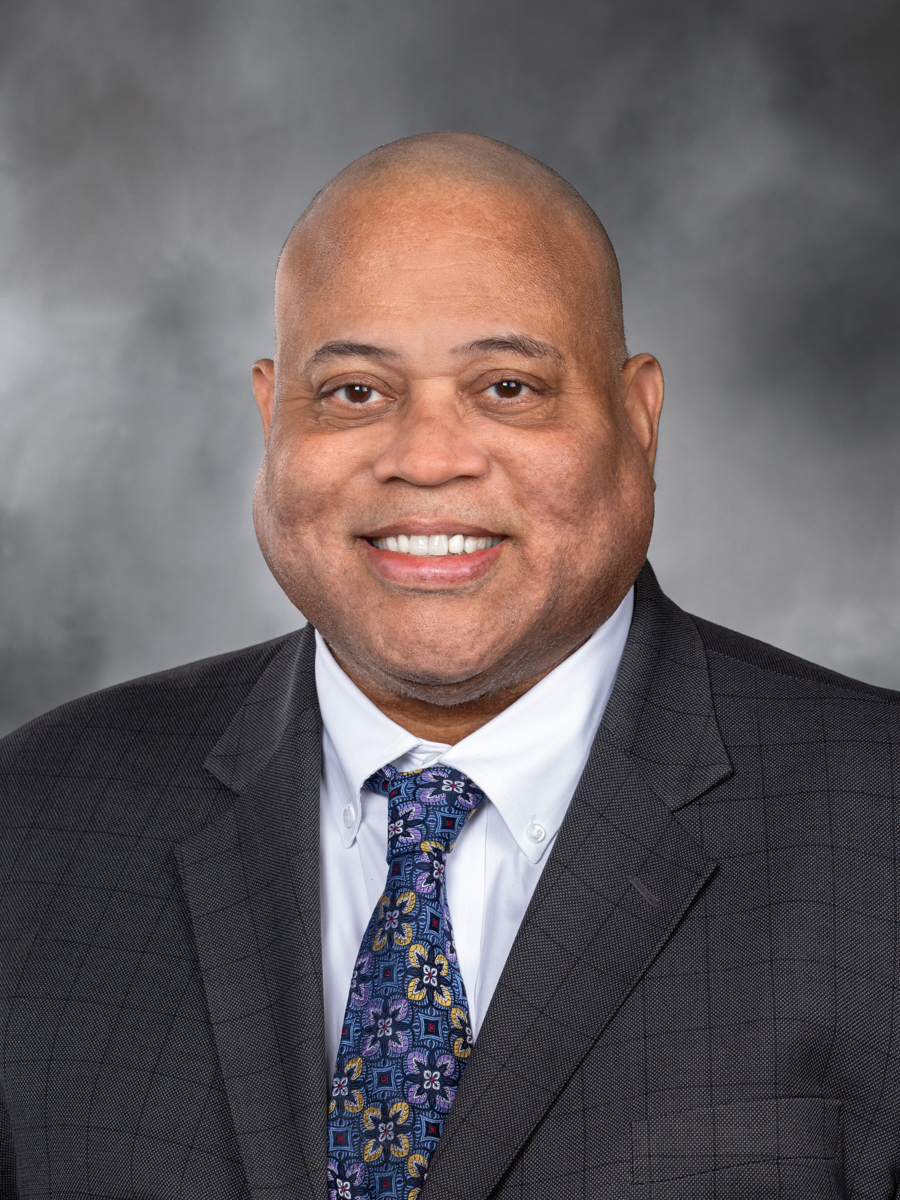
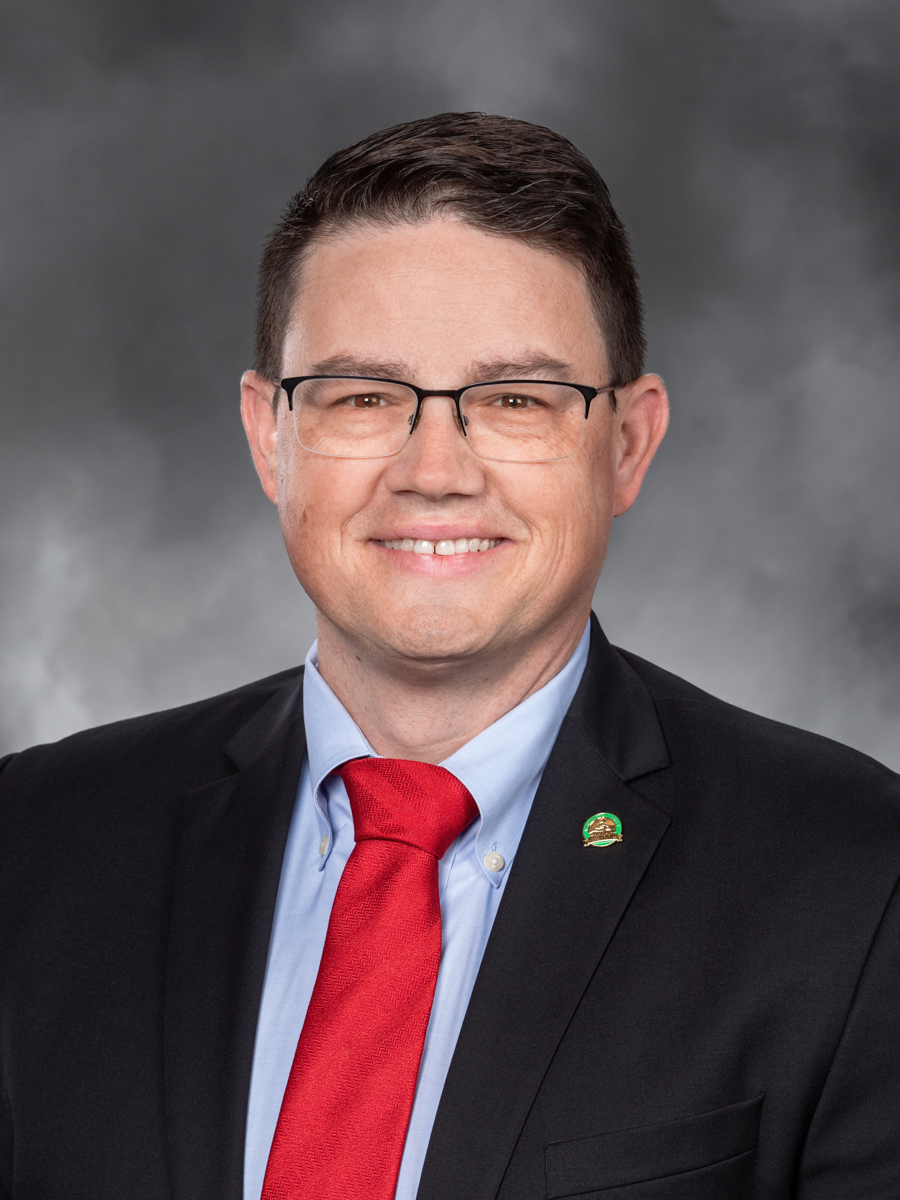
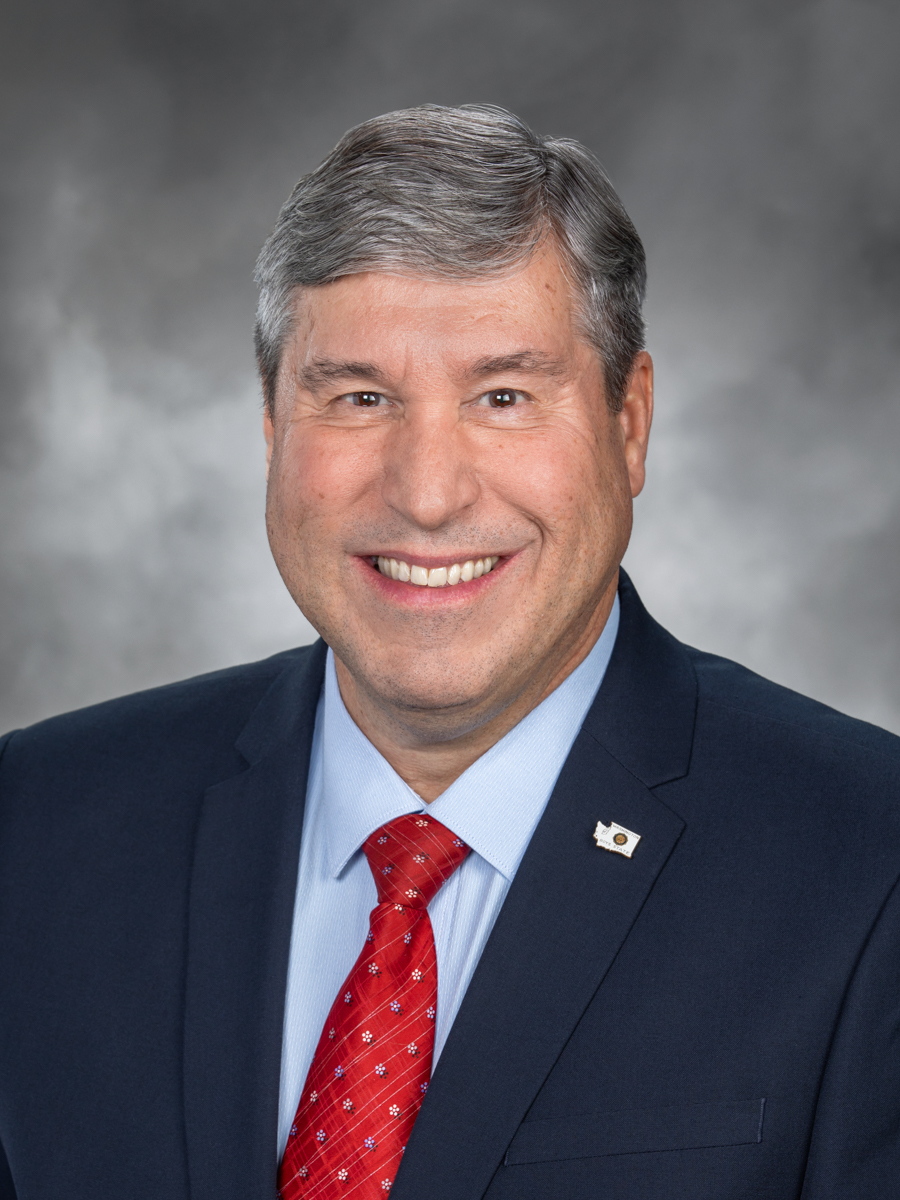
Zach Hall
Zach Hall House · District 5
D
Strong +
100% 123
David Hackney
David Hackney House · District 11
D
Strong +
100% 154
Greg Nance
Greg Nance House · District 23
D
Strong +
97% 195
Jesse Salomon
Jesse Salomon Senate · District 32
D
Strong +
95% 112
Kristine Reeves
Kristine Reeves House · District 30
D
Strong +
95% 196
Jeremie Dufault
Jeremie Dufault House · District 15
R
Strong −
10% 205
Jim Walsh
Jim Walsh House · District 19
R
Strong −
10% 206
Chris Corry
Chris Corry House · District 15
R
Strong −
10% 196
Michael Keaton
Michael Keaton House · District 25
R
Strong −
10% 207
Joel McEntire
Joel McEntire House · District 19
R
Strong −
11% 134
Showing 151–160 of 220 bills

All housing bills

in committee · Washington · Senate Jan 12, 2026

SB 5332: Concerning mobile dwellings.

SB 5332 allows cities and counties in Washington to permit at least one mobile dwelling unit (like tiny homes on wheels, travel trailers, or RVs) on residential lots that already have a home, are in urban growth areas, and have adequate utility capacity. It requires safe utility connections (water, sewer, electricity) to existing homes on the lot and bans homeowners' associations from prohibiting these units, though the rule expires in 2028. The bill does not require new construction but sets standards for how mobile dwellings must be connected to utilities and maintained to remain movable. This directly affects local governments, property owners with existing homes, and HOAs in qualifying areas.
Sub-Topics Zoning
signed · Washington · Senate May 19, 2025

SB 5662: Concerning the waiver of municipal utility connection charges for certain properties.

SB 5662 allows municipal utilities to waive connection charges for properties developed by certain non-profit organizations, public authorities, or local agencies that provide emergency shelter, transitional housing, permanent supportive housing, or affordable housing. Generally, these waivers must be funded by general funds, grants, or other identified revenue streams. However, in large counties east of the Cascade mountains, waivers can be granted without explicit funding if the developer records a covenant. This covenant restricts the property's use to the specified affordable housing purposes and requires repayment of the waived charges if the property's use changes or no longer meets eligibility requirements.
signed · Washington · House Mar 9, 2026

HB 1859: Expanding opportunities for affordable housing developments on properties owned by religious organizations.

HB 1859 allows Washington religious organizations to develop affordable housing on their properties with increased density allowances. To qualify, at least 50% of units must be permanently affordable for low-income households (earning at or below 80% of local median income) for 50 years, with no discrimination based on protected characteristics. Religious organizations must cover all development fees and costs, and local governments must approve such projects if requested. This applies to new construction and rehab projects on religiously owned land, amending zoning laws to support affordable housing expansion.
in committee · Washington · House Jan 12, 2026

HB 2027: Increasing the supply of affordable and workforce housing.

HB 2027 increases real estate transfer taxes on property sales above specific thresholds to fund affordable housing programs. The tax applies at 1.1% for sales under $500,000, 1.28% for $500,000-$1.5 million, 2.75% for $1.5-$3 million, and 3% for sales over $3 million. Revenue from these taxes will support state housing programs targeting low- and middle-income households, including seniors, veterans, farmworkers, and others facing housing insecurity. The bill aims to build over 500,000 new affordable homes for residents earning under 50% of area median income by addressing supply shortages.
signed · Washington · House Apr 7, 2025

HB 1094: Providing a property tax exemption for property owned by a qualifying nonprofit organization and loaned, leased, or rented to and used by any government entity to provide character-building, benevolent, protective, or rehabilitative social services.

HB 1094 creates a property tax exemption for nonprofit organizations that loan, lease, or rent property to government entities (like cities, counties, or state agencies) for character-building, benevolent, protective, or rehabilitative social services - such as youth programs, homeless shelters, or community health initiatives. It directly affects qualifying nonprofits that provide these services and government agencies using their facilities. The key provision expands existing tax exemptions by allowing property used by government for these purposes to be exempt, even if owned by a nonprofit. This policy change aims to reduce costs for nonprofits and governments delivering essential community services, effective July 2025.
in committee · Washington · Senate Jan 12, 2026

SB 5658: Concerning the workforce education investment account.

SB 5658 modifies Washington state's college grant program to expand financial aid eligibility, raising the income threshold for maximum grants from 55% to 70% of the state median family income. It also creates a new $500 annual "bridge grant" for low-income students receiving the maximum college grant (excluding those in the college-bound scholarship program), to cover non-tuition expenses like books and housing. The bill establishes a "workforce education investment account" funded by a surcharge, directing all revenues to advanced computing programs at institutions like the University of Washington, with automatic enrollment increases when demand exceeds 100 students. This account must supplement, not replace, other funding, and the bill creates an oversight board to manage allocations. The changes primarily affect low-income undergraduate students pursuing higher education in STEM fields, especially those from underserved communities.
passed · Washington · Senate Mar 12, 2026

SB 5647: Providing a real estate excise tax exemption for the sale of qualified affordable housing.

Senate Bill 5647 establishes a new exemption from the real estate excise tax for the sale of properties designated as "qualified affordable housing." This means that sellers of these specific types of affordable homes would not be required to pay this tax. The bill achieves this by amending the existing state law that defines what constitutes a "sale" for real estate excise tax purposes, adding this new category of exempt transactions. This policy change aims to reduce the tax burden associated with the sale of affordable housing.
in committee · Washington · Senate Jan 12, 2026

SB 5612: Creating a categorical exemption for multiunit housing development within the incorporated areas in an urban growth area under the state environmental policy act.

SB 5612 creates a categorical exemption from state environmental review requirements for certain multiunit housing developments in incorporated areas within urban growth areas. It allows cities to exempt projects meeting specific density and consistency criteria with local comprehensive plans, including residential, mixed-use, or limited commercial development (up to 65,000 sq ft, excluding retail). Developers must still conduct environmental analysis addressing impacts like transportation and adjacent jurisdictions, and cities must provide 60 days' notice to tribes and the public before adopting the exemption. The exemption applies to projects with two or more housing units in large cities (west of the Cascades) until 2028, and four or more attached units until 2027, without overriding zoning or critical area protections.
in committee · Washington · House Jan 12, 2026

HB 1695: Concerning unincorporated villages in the growth management act.

HB 1695 amends Washington's Growth Management Act to update land use planning requirements for counties and cities. It requires all comprehensive plans to explicitly address environmental justice, wildfire risk mitigation (including adopting codes like Firewise USA), and housing equity. Specifically, housing elements must now identify racially disparate impacts from local policies, implement anti-displacement strategies, and ensure affordable housing access across income levels. The bill directly affects all jurisdictions subject to the Growth Management Act, including unincorporated areas, by mandating these specific provisions in their planning documents.
in committee · Washington · House Jan 12, 2026

HB 1263: Updating eligible uses for the essential needs and housing support program.

HB 1263 updates Washington's Essential Needs and Housing Support Program to expand eligible uses for assistance. It allows cash assistance for recipients (previously prohibited) and clarifies eligibility for low-income elderly or disabled adults transitioning off certain benefits who have immediate housing needs. The bill requires housing support entities to prioritize homeless individuals first and those at "substantial risk" of losing housing second, while mandating data reporting to homeless management systems and limiting administrative costs to 5% of program funds. This directly affects vulnerable residents facing housing instability, including homeless individuals and those at risk of losing housing due to financial hardship.
Sub-Topics Homelessness
Showing 151 to 160 of 220 bills
Previous 1 15 16 17 22 Next