Issue · Housing

Housing

Every housing bill, vote, and legislator stance in Washington, automatically classified by Maddy, our AI policy reader.

Total bills
236
2025-2026 Regular Session
Top supporter
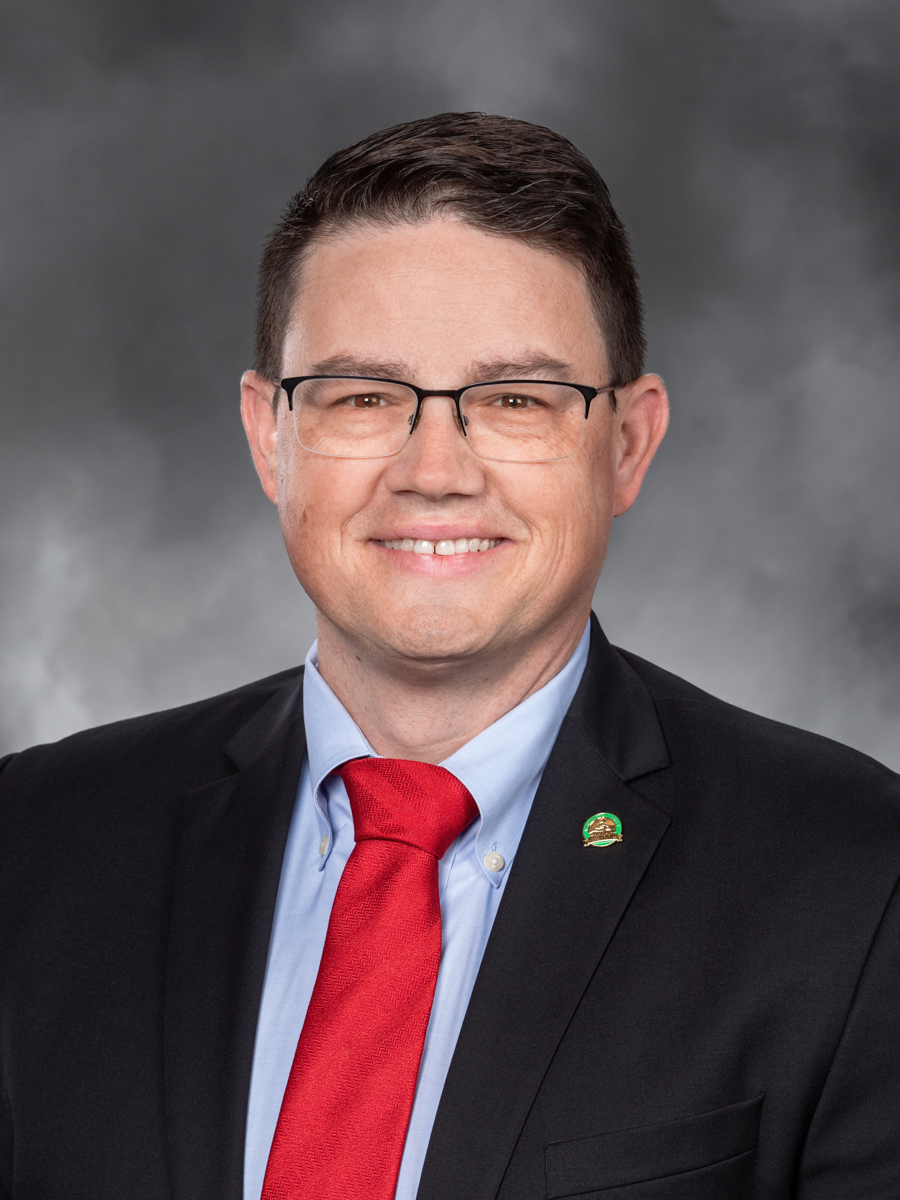
Zach Hall
100% support rate
Top opponent
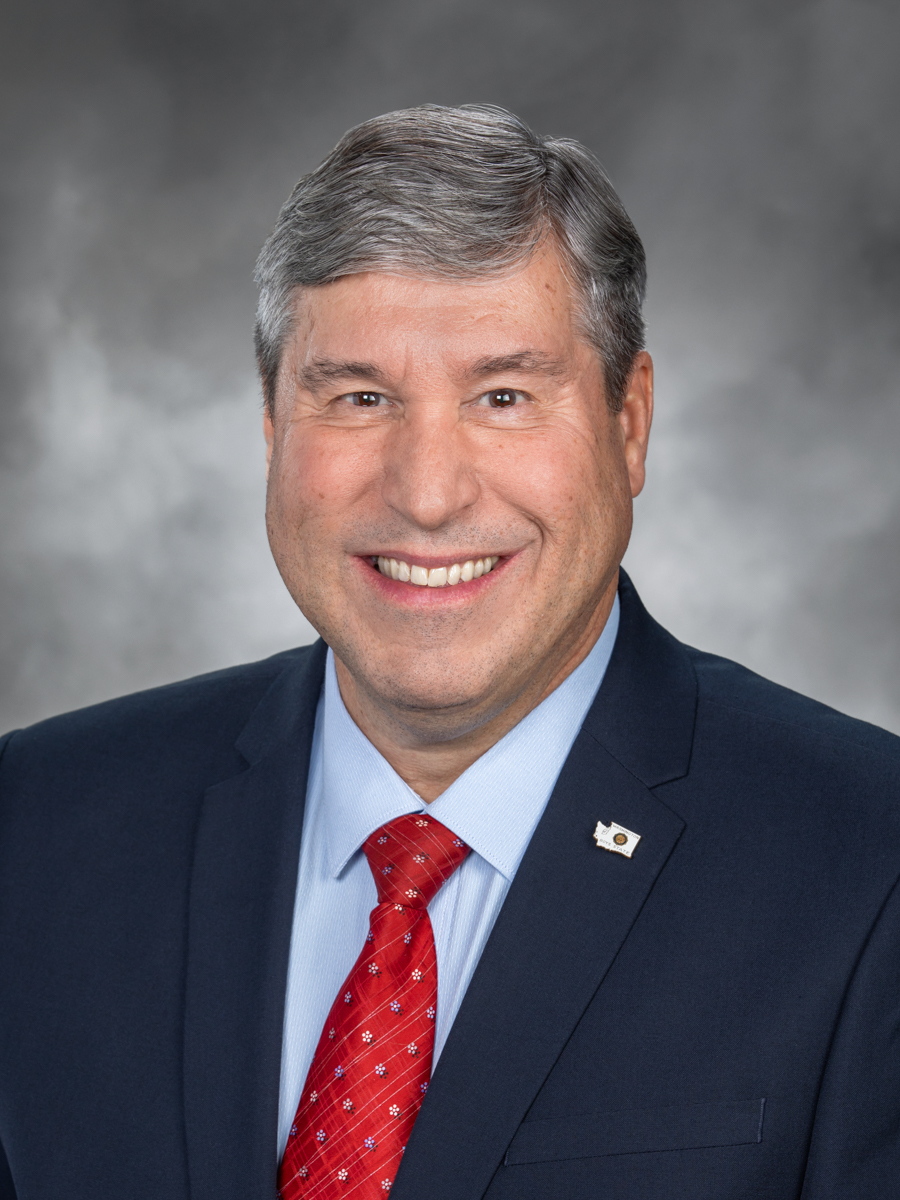
Jeremie Dufault
10% support rate
Ranked legislators
10
5 support · 5 oppose
Key legislators

Who's moving housing in Washington

Legislators moving housing in Washington
Legislator Party Stance Support rate Votes
Zach Hall
Zach Hall House · District 5
D
Strong +
100% 123
David Hackney
David Hackney House · District 11
D
Strong +
100% 154
Greg Nance
Greg Nance House · District 23
D
Strong +
97% 195
Jesse Salomon
Jesse Salomon Senate · District 32
D
Strong +
95% 112
Kristine Reeves
Kristine Reeves House · District 30
D
Strong +
95% 196
Jeremie Dufault
Jeremie Dufault House · District 15
R
Strong −
10% 205
Jim Walsh
Jim Walsh House · District 19
R
Strong −
10% 206
Chris Corry
Chris Corry House · District 15
R
Strong −
10% 196
Michael Keaton
Michael Keaton House · District 25
R
Strong −
10% 207
Joel McEntire
Joel McEntire House · District 19
R
Strong −
11% 134
Showing 151–160 of 236 bills

All housing bills

signed · Washington · House Apr 22, 2025

HB 1183: Concerning building code and development regulation reform.

HB 1183 reforms building codes and development regulations for cities and counties in Washington to encourage affordable and sustainable building practices. The bill mandates that cities allow for increased housing density, reduced parking requirements, and streamlined permitting when adding residential units within existing commercial or mixed-use buildings. It also provides flexibility in setback and roof height rules for existing buildings undergoing residential retrofits and for new construction or retrofits meeting "passive house" energy efficiency standards. These changes aim to reduce regulatory barriers for converting existing structures into homes and promote energy-efficient construction.
in committee · Washington · House Jan 12, 2026

HB 1088: Preparing for revisions to the residential landlord-tenant act by creating a task force and establishing a moratorium on new residential landlord-tenant regulations.

HB 1088 creates a task force to study Washington's residential landlord-tenant laws and recommends updates, while imposing a 36-month moratorium on new local regulations governing rental relationships. The task force - composed of landlords, tenants, housing advocates, and local government representatives - will examine issues like rent limits, evictions, and security deposits, with recommendations due by July 2027. The moratorium prevents cities, towns, and counties from enacting new ordinances or policies regulating landlord-tenant matters for 36 months. This bill directly affects local governments, landlords, and tenants by halting new local rules during the study period. It aims to create a consistent state-level framework for housing regulations, addressing disparities caused by varying local ordinances.
signed · Washington · Senate May 13, 2025

SB 5559: Streamlining the subdivision process inside urban growth areas.

Senate Bill 5559 aims to streamline the process for dividing land into multiple parcels within urban growth areas in Washington State. The bill allows counties, cities, and towns to increase the maximum number of lots permitted in a "short subdivision" - a simplified land division process - from four to up to nine, provided these divisions are within an urban growth area and the local government passes an ordinance. This change primarily affects landowners and developers by potentially making it easier to subdivide property. Additionally, the bill updates definitions related to subdivisions and adjusts regulations regarding further division of short plats within a five-year period.
signed · Washington · Senate May 7, 2025

SB 5529: Amending the county population threshold for counties that may exempt from taxation the value of accessory dwelling units to incentivize rental to low-income households.

Senate Bill 5529 amends the county population requirements for jurisdictions that can offer property tax exemptions on accessory dwelling units (ADUs). It lowers the minimum population threshold, allowing counties with populations between 900,000 and 1,500,000 to also exempt ADUs from taxation. This aims to incentivize homeowners to rent these units to low-income households, provided conditions like tenant income verification and rent limits are met. For these newly eligible counties, the exemption specifically applies to detached ADUs and requires a local legislative authority resolution.
in committee · Washington · House Jan 12, 2026

HB 1805: Creating a local sales and use tax to fund services for children and families that enhance well-being, promote mental health, and provide early interventions.

HB 1805 proposes a local 0.01% sales and use tax in Washington counties to fund additional services for children and families. The tax would generate revenue specifically for mental health support, early intervention programs, child care, school-based health services, shelter, rental assistance, and transportation. Counties could implement this tax via resolution or ordinance, with funds restricted to the listed services that address gaps in current Medicaid and behavioral health programs. The bill aims to support children and families early to improve well-being and reduce long-term needs like youth violence and substance use.
in committee · Washington · Senate Jan 12, 2026

SB 5741: Authorizing superior courts to appoint housing court commissioners.

Washington's SB 5741 allows superior courts to appoint housing court commissioners - trained attorneys - to handle eviction cases, addressing a record surge in filings (23,000 as of November 2024) that strains court capacity. The bill directly affects tenants (especially low-income renters, seniors, and communities of color disproportionately impacted by high rents) and landlords by creating a new role to reduce case backlogs. Key provisions require county legislative approval for commissioner positions, mandate specific training on landlord-tenant law, and allow commissioners to process eviction filings, hold hearings, and make recommendations while their decisions remain reviewable by judges. The goal is to improve efficiency in eviction proceedings without replacing the existing right-to-counsel program for eligible tenants.
in committee · Washington · House Jan 12, 2026

HB 1808: Creating an affordable homeownership revolving loan fund program.

HB 1808 creates a state-funded revolving loan program to support permanently affordable homeownership for low-income households. The program provides loans (up to 50% of project costs) to nonprofit developers building housing that remains affordable for at least 99 years through long-term restrictions on resale and ownership. Loans carry interest rates between 1% and 2.5%, with repayments recycled into the fund to finance new projects. This directly affects low-income homebuyers (defined as households earning ≤80% of local median income) and nonprofit developers who build housing meeting specific affordability standards.
in committee · Washington · House Jan 12, 2026

HB 2025: Increasing the working families' tax credit to reflect the economic impact of property taxes incorporated into rental amounts charged to residential tenants.

HB 2025 adds a new $300 annual tax credit for low-income renters in Washington who pay sales or use tax. Eligible residents must have rented their primary residence for at least 183 days during the year and meet existing credit requirements. The credit, effective starting in 2026, will be adjusted annually for inflation based on the Seattle consumer price index. This directly supports residential tenants whose rent includes property tax costs, expanding the existing working families' tax credit program.
in committee · Washington · House Jan 12, 2026

HB 1358: Concerning the notice of sale or lease of manufactured/mobile home communities.

HB 1358 requires mobile home community owners in Washington to provide written notice of a potential sale or lease to all tenants, tenant organizations, and specific government agencies (like the Department of Commerce and local housing authorities) before marketing the community for sale. The notice must include details about the sale, a 70-day window for tenants to form a qualified purchasing group, and information on how to access community financial data. This bill amends existing laws to ensure tenants have a formal opportunity to compete for ownership before the property is sold to outside buyers. It applies directly to mobile home community owners and tenants, with specific requirements for notice delivery, timelines, and access to financial information during negotiations.
Sub-Topics Tenant Rights
in committee · Washington · Senate Jan 12, 2026

SB 5332: Concerning mobile dwellings.

SB 5332 allows cities and counties in Washington to permit at least one mobile dwelling unit (like tiny homes on wheels, travel trailers, or RVs) on residential lots that already have a home, are in urban growth areas, and have adequate utility capacity. It requires safe utility connections (water, sewer, electricity) to existing homes on the lot and bans homeowners' associations from prohibiting these units, though the rule expires in 2028. The bill does not require new construction but sets standards for how mobile dwellings must be connected to utilities and maintained to remain movable. This directly affects local governments, property owners with existing homes, and HOAs in qualifying areas.
Sub-Topics Zoning
Showing 151 to 160 of 236 bills
Previous 1 15 16 17 24 Next