Issue · Housing

Housing

Every housing bill, vote, and legislator stance in Washington, automatically classified by Maddy, our AI policy reader.

Total bills
236
2025-2026 Regular Session
Top supporter
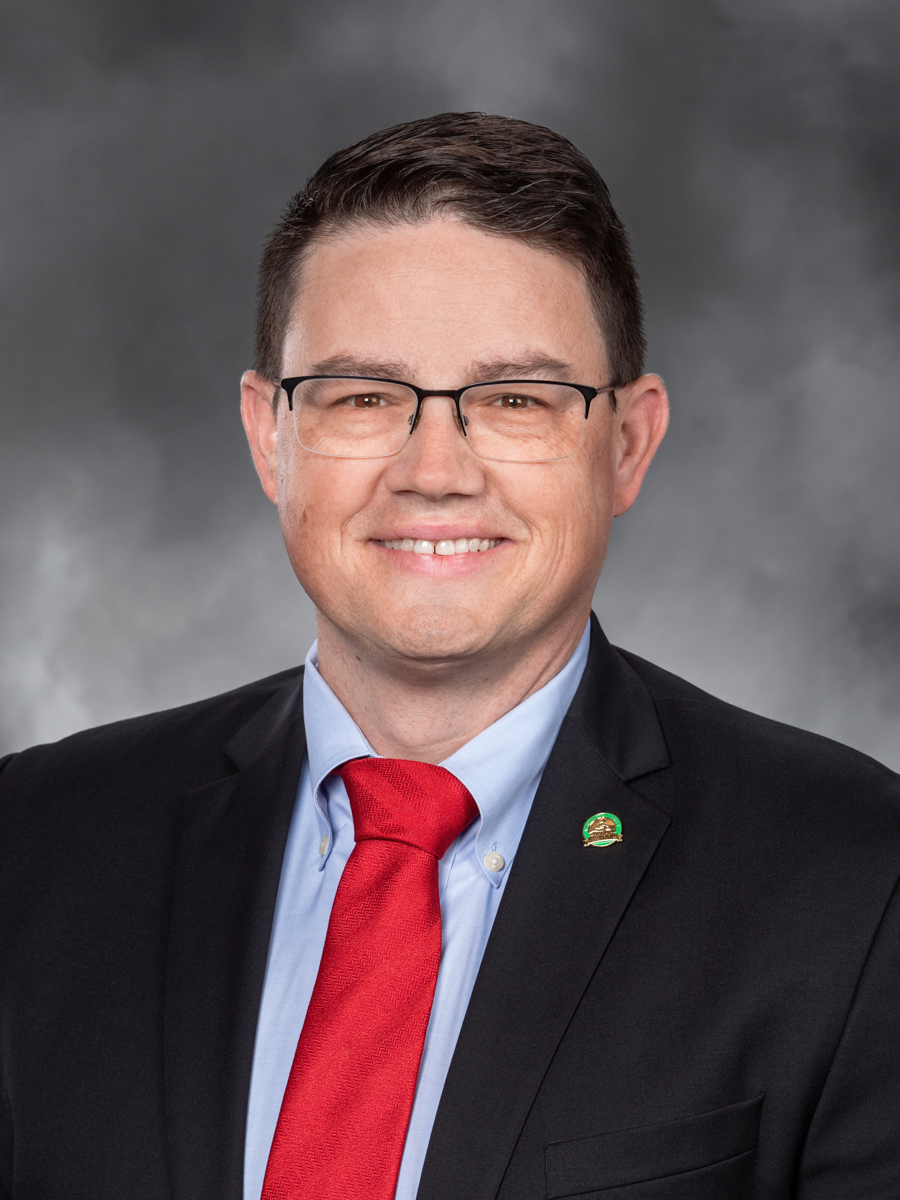
Zach Hall
100% support rate
Top opponent
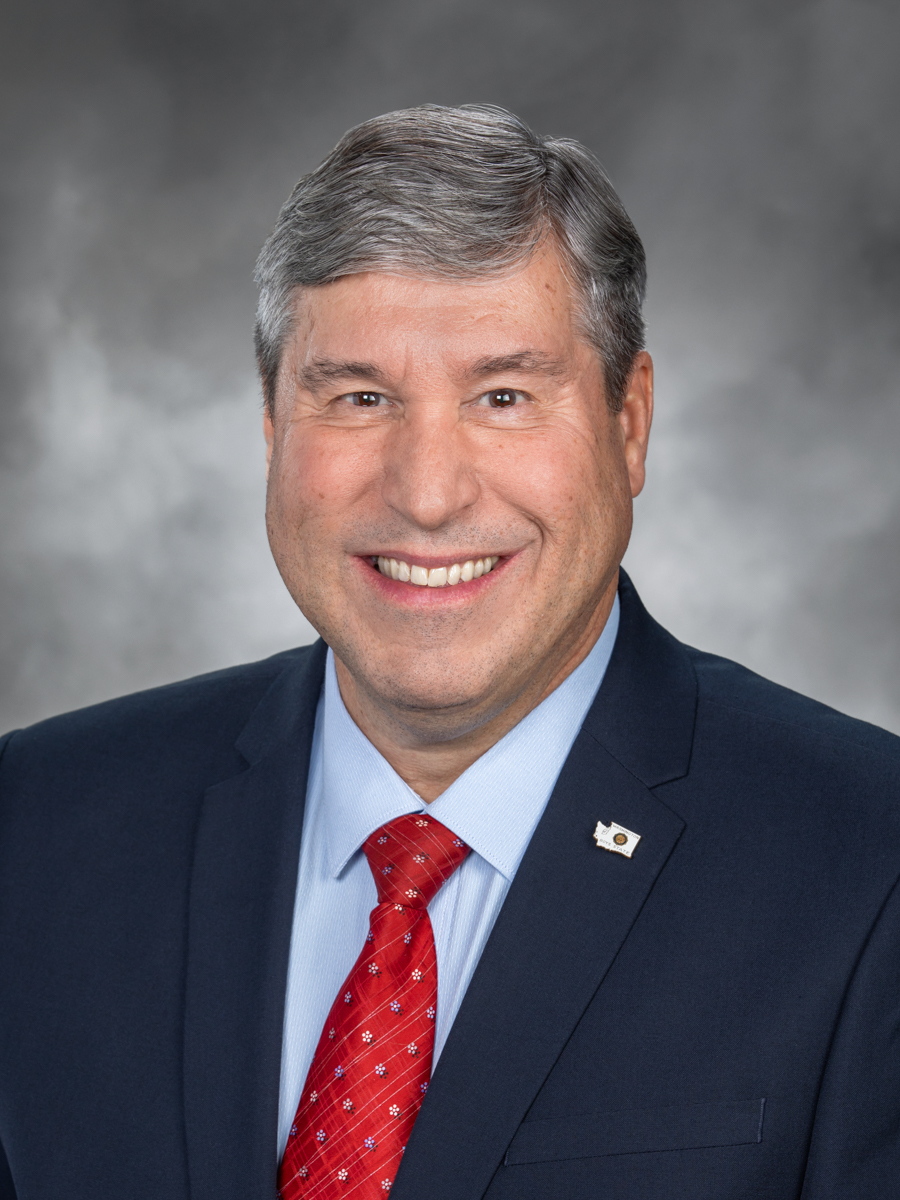
Jeremie Dufault
10% support rate
Ranked legislators
10
5 support · 5 oppose
Key legislators

Who's moving housing in Washington

Legislators moving housing in Washington
Legislator Party Stance Support rate Votes
Zach Hall
Zach Hall House · District 5
D
Strong +
100% 123
David Hackney
David Hackney House · District 11
D
Strong +
100% 154
Greg Nance
Greg Nance House · District 23
D
Strong +
97% 195
Jesse Salomon
Jesse Salomon Senate · District 32
D
Strong +
95% 112
Kristine Reeves
Kristine Reeves House · District 30
D
Strong +
95% 196
Jeremie Dufault
Jeremie Dufault House · District 15
R
Strong −
10% 205
Jim Walsh
Jim Walsh House · District 19
R
Strong −
10% 206
Chris Corry
Chris Corry House · District 15
R
Strong −
10% 196
Michael Keaton
Michael Keaton House · District 25
R
Strong −
10% 207
Joel McEntire
Joel McEntire House · District 19
R
Strong −
11% 134
Showing 131–140 of 236 bills

All housing bills

in committee · Washington · House Jan 12, 2026

HB 1235: Ensuring compliance with the housing element requirements of the growth management act.

HB 1235 requires Washington counties and cities to submit housing elements and development regulations to the state Department of Commerce for compliance review before they take effect. Jurisdictions must submit applications within 10 days of amendments or by six months after comprehensive plan updates, with the department issuing a final compliance decision within 90 days. The bill establishes a public compliance list showing each local government’s submission status and review outcome, and prohibits denying affordable housing projects without meeting specific conditions, such as having a state compliance determination. This directly affects all local governments required to plan under the Growth Management Act, ensuring their housing plans align with state laws on affordability, environmental standards, and zoning.
signed · Washington · House May 7, 2025

HB 1106: Recognizing the tremendous sacrifices made by our military veterans by phasing down the disability rating requirements to ensure more disabled veterans are eligible for property tax relief.

House Bill 1106 expands eligibility for property tax relief to more disabled military veterans in Washington state. It lowers the required combined service-connected disability rating from 80% to 40% or higher for veterans to qualify for property tax exemptions on their primary residence. This change allows a broader group of disabled veterans to receive a reduction in their annual property tax obligations, provided they meet other existing criteria related to residency, ownership, and income thresholds. The bill aims to recognize the sacrifices of veterans by making property tax relief more accessible.
signed · Washington · Senate May 13, 2025

SB 5148: Ensuring compliance with the housing element requirements of the growth management act.

Senate Bill 5148 creates a new process for Washington state counties and cities to ensure their housing plans comply with state growth management laws. It allows local governments to submit their housing elements and development regulations to the Department of Commerce for review. These plans will not take effect until the Department determines they meet various state housing requirements. The Department can also mandate review for jurisdictions not adequately planning for or producing sufficient housing, especially for diverse income levels. This aims to improve local government compliance with housing goals under the Growth Management Act.
in committee · Washington · House Jan 12, 2026

HB 1927: Facilitating positive rent payment information to consumer reporting agencies at tenant request.

HB 1927 creates a temporary pilot program (running until 2028) allowing tenants to voluntarily request that their on-time rent payments be reported to credit bureaus. Landlords must agree in writing to participate, and tenants must provide written consent to have their credit scores tracked before and after reporting. The program initially targets up to 100 tenants, prioritizing underserved communities, and only reports rent payments (not fees or other charges). Participation is entirely voluntary for both tenants and landlords, with no cost to tenants and potential reimbursement for landlords' administrative expenses.
in committee · Washington · House Jan 12, 2026

HB 1195: Concerning compliance with siting, development permit processes and standards, and requirements for permanent supportive housing, transitional housing, indoor emergency housing, or indoor emergency shelters.

HB 1195 prevents local governments in Washington from denying permits for permanent supportive housing, transitional housing, indoor emergency housing, or shelters in residential or commercial zones within urban growth areas. It requires cities and counties to review such permit applications through an administrative process only, not public hearings, and establishes a waiver process if local rules block projects. The bill creates a dispute resolution system where the state department can review conflicts and order corrective action, including withholding state funds from noncompliant localities. The law does not apply to projects in critical areas, natural hazard zones, or agricultural/forestry lands.
in committee · Washington · House Jan 12, 2026

HB 1010: Authorizing accessory dwelling units in rural areas.

HB 1010 allows rural counties in Washington to authorize detached accessory dwelling units (ADUs) - small secondary homes on the same lot as a primary residence - on any lot size, even where local zoning previously prohibited them. Key requirements include limiting ADUs to 1,296 square feet, ensuring water/sewage systems can handle added demand, prohibiting construction on closed water sources or agricultural land, and requiring exterior design to match the main home. The bill directly affects rural property owners seeking to build affordable housing options and counties managing land use planning. It aims to expand housing choices without counting new residents toward rural growth targets in county plans.
Sub-Topics Affordable Housing Land Use Zoning Tags Rural Communities
in committee · Washington · Senate Jan 12, 2026

SB 5604: Promoting transit-oriented development.

SB 5604 creates a 20-year property tax exemption for new housing projects located within a designated "station area" (within 0.5 miles of a major transit stop) in Washington. To qualify, projects must include at least 20% of units affordable to low- or moderate-income households (defined as 50-80% of local median income) for 50 years, with long-term covenants ensuring affordability. Local governments must adopt regulations for station areas and oversee compliance, including recording deeds to maintain affordability. The bill aims to incentivize housing near transit by reducing development costs while mandating long-term affordability for residents.
signed · Washington · Senate May 20, 2025

SB 5587: Concerning affordable housing development in counties not closing the gap between estimated existing housing units within the county and existing housing needs.

SB 5587 mandates that the Washington center for real estate research produce biennial reports, starting in 2026, analyzing existing housing units and needs across various income levels in each county. These reports will track each county's progress in addressing housing gaps and meeting emergency housing needs. The bill also amends the Public Works Board's criteria for financial assistance. It requires the board to prioritize public works projects that promote infill development or increase affordable housing in counties identified in these reports as having a gap between existing housing and housing needs.
in committee · Washington · House Jan 12, 2026

HB 1480: Allowing all counties to impose a real estate excise tax for the purpose of developing affordable housing, subject to the will of the voters.

HB 1480 would allow any Washington county to impose a 0.5% tax on real estate sales to fund affordable housing, but only with voter approval. The tax revenue must be used exclusively for developing housing for very low, low, and moderate-income residents, including construction, rehabilitation, and maintenance. Counties must create a spending plan with public input before seeking voter approval, and the tax would be collected from both buyers and sellers (with at least half of the burden on the buyer). The tax would take effect 30 days after voter approval.
in committee · Washington · Senate Jan 12, 2026

SB 5173: Concerning county comprehensive plans and development regulations.

This bill requires Washington counties and cities to regularly review and update their community land use plans and development regulations to align with state requirements. Small cities (population under 500, not near large cities, with low growth) can opt out of full reviews but must still update critical areas protections and transportation plans. Counties must also review urban growth areas to ensure they accommodate projected development over 20 years while maintaining environmental safeguards. The law mandates public input processes for all changes and sets specific deadlines for updates, with penalties for noncompliance. It directly affects local governments, developers, and residents by standardizing land use planning across the state.
Showing 131 to 140 of 236 bills
Previous 1 13 14 15 24 Next