Issue · Housing

Housing

Every housing bill, vote, and legislator stance in Washington, automatically classified by Maddy, our AI policy reader.

Total bills
236
2025-2026 Regular Session
Top supporter
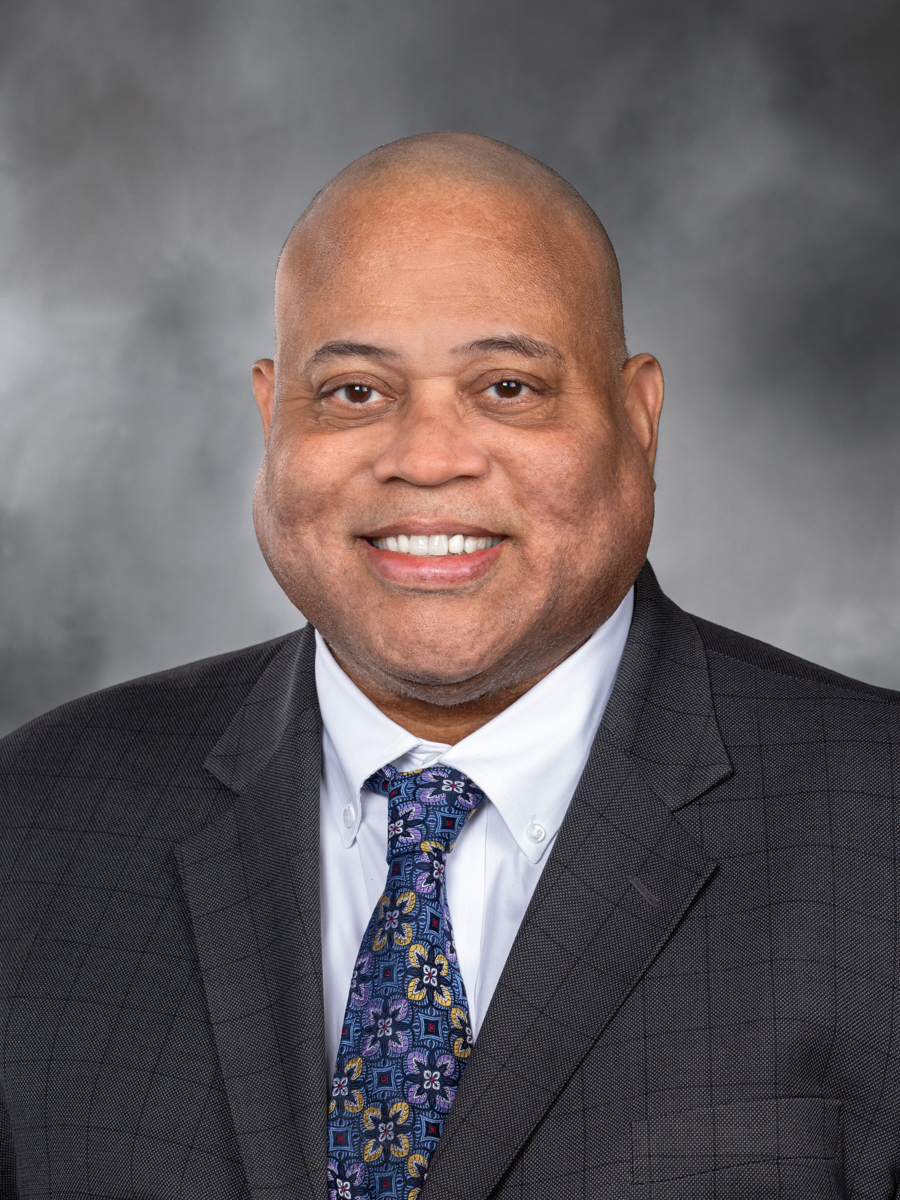
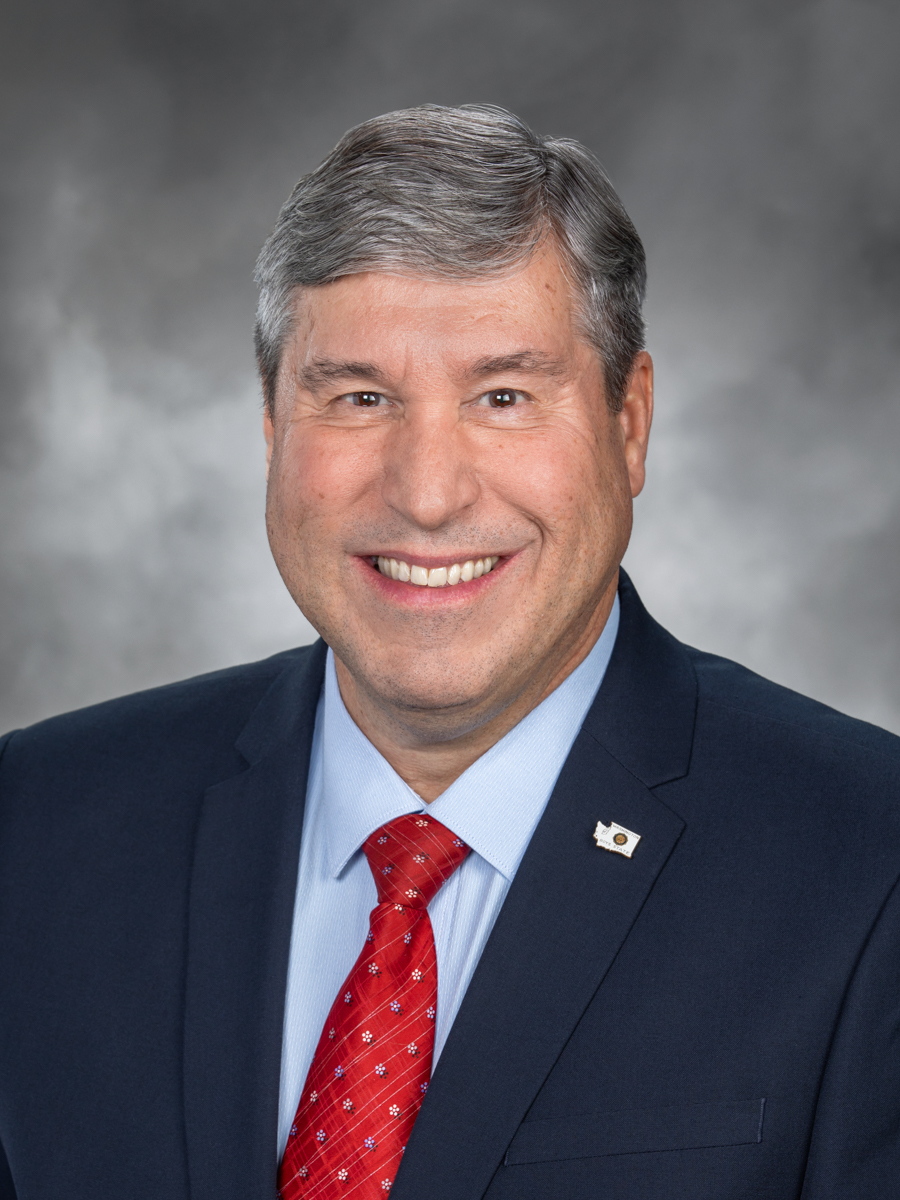
Zach Hall
100% support rate
Top opponent
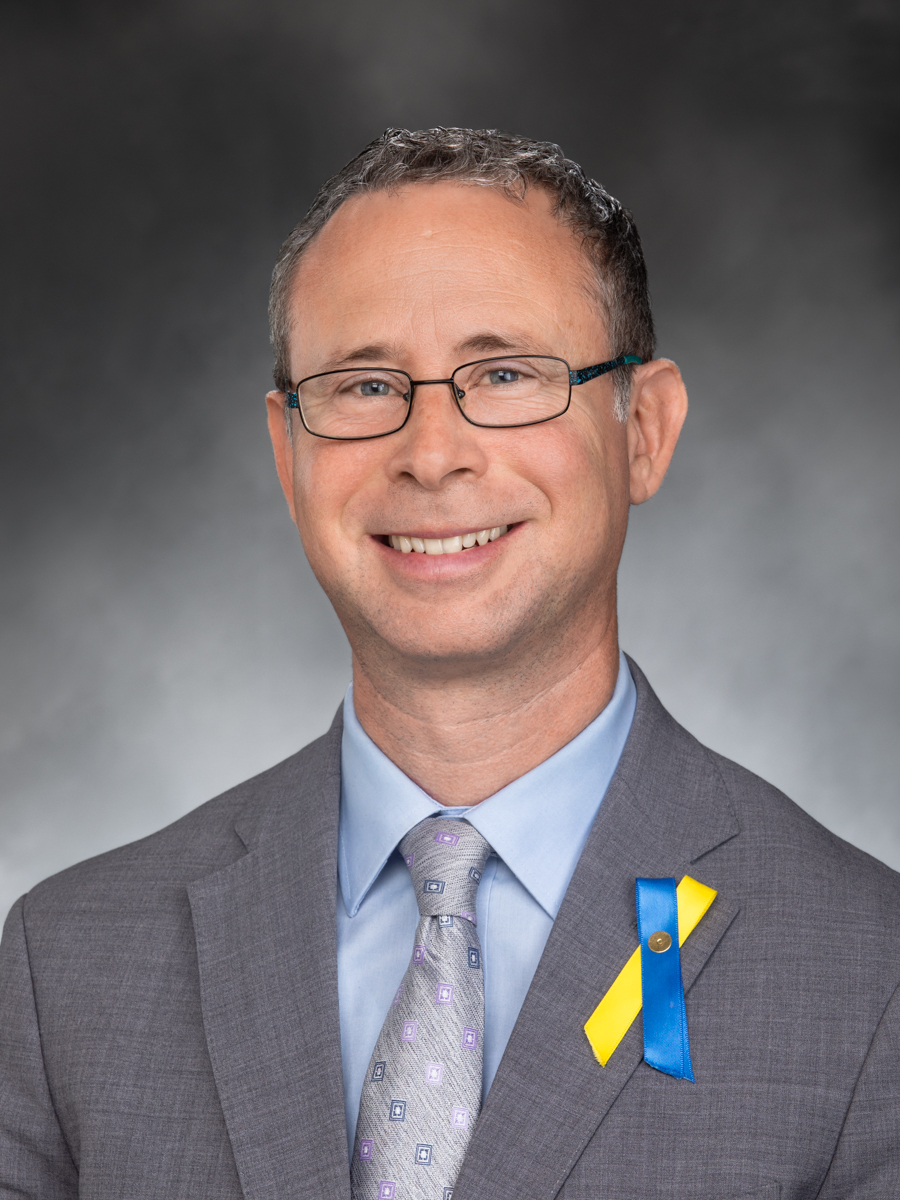
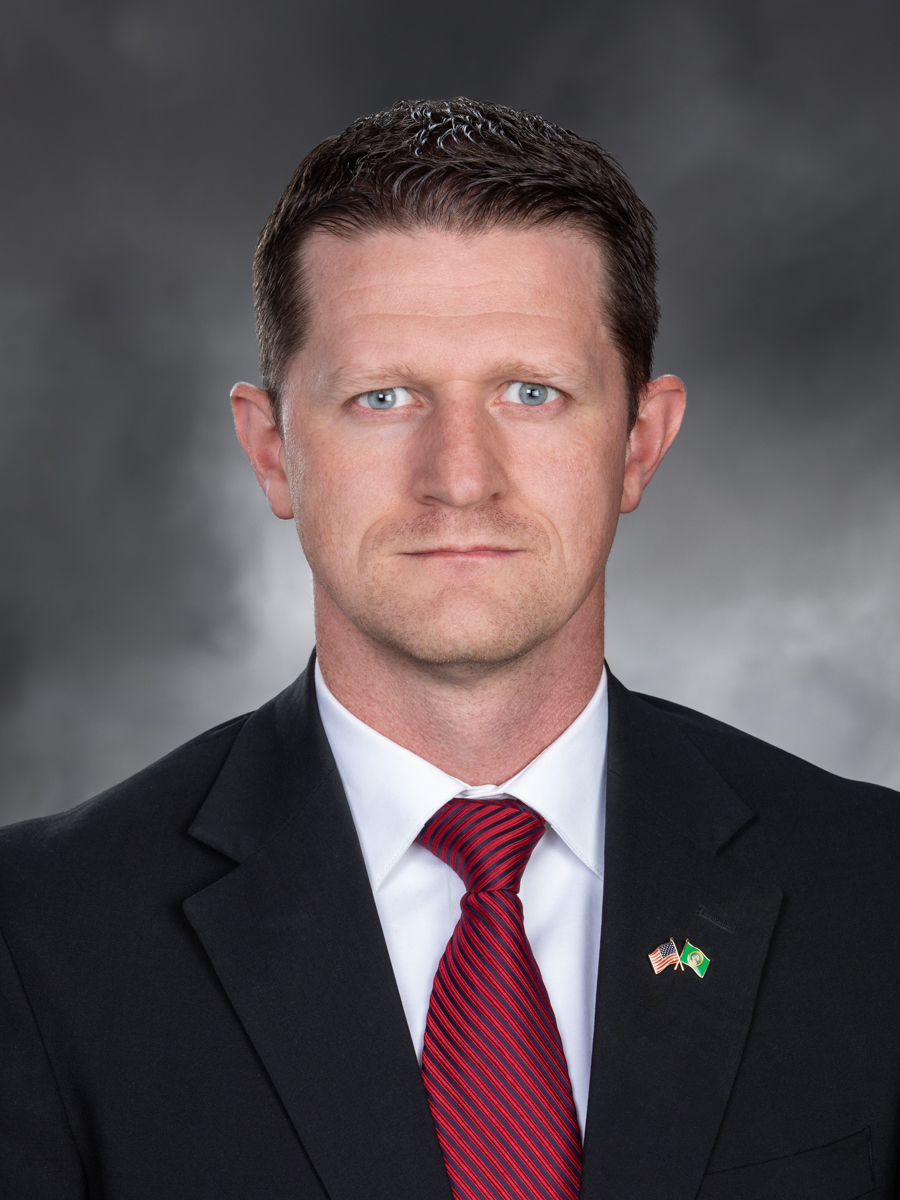
Jeremie Dufault
10% support rate
Ranked legislators
10
5 support · 5 oppose
Key legislators

Who's moving housing in Washington

Legislators moving housing in Washington
Legislator Party Stance Support rate Votes
Zach Hall
Zach Hall House · District 5
D
Strong +
100% 123
David Hackney
David Hackney House · District 11
D
Strong +
100% 154
Greg Nance
Greg Nance House · District 23
D
Strong +
97% 195
Jesse Salomon
Jesse Salomon Senate · District 32
D
Strong +
95% 112
Kristine Reeves
Kristine Reeves House · District 30
D
Strong +
95% 196
Jeremie Dufault
Jeremie Dufault House · District 15
R
Strong −
10% 205
Jim Walsh
Jim Walsh House · District 19
R
Strong −
10% 206
Chris Corry
Chris Corry House · District 15
R
Strong −
10% 196
Michael Keaton
Michael Keaton House · District 25
R
Strong −
10% 207
Joel McEntire
Joel McEntire House · District 19
R
Strong −
11% 134
Showing 91–100 of 236 bills

All housing bills

in committee · Washington · Senate Feb 3, 2026

SB 5633: Concerning the subdivision of land.

SB 5633 updates Washington's outdated land subdivision laws (originally enacted in 1969) by creating a new Chapter 58.17A RCW to replace 30+ existing sections. It streamlines the process by merging the obsolete "short plat" and "subdivision" procedures into one uniform system, requiring local governments to integrate subdivision reviews with Growth Management Act (GMA) and SEPA requirements. The bill directly affects cities, towns, and counties that approve land divisions, aiming to expedite approvals for housing projects while ensuring standards for public safety, infrastructure, and housing needs. Its key provision simplifies the subdivision approval process to address Washington’s housing supply crisis, as explicitly stated in the bill’s legislative findings.
in committee · Washington · House Jan 12, 2026

HB 1429: Creating a housing assistance program for youth enrolled in extended foster care.

HB 1429 creates a state-funded housing assistance program for youth in Washington's extended foster care system (ages 18-21) who are homeless or at risk of homelessness. The program provides up to 36 months of rental assistance, capping housing costs at 30% of a youth's income (up to 40% if rent exceeds fair market rent in their area), while allowing them to retain extended foster care support. It requires the state department to partner with qualified housing providers and conduct annual housing status checks. Additionally, the bill mandates transition planning three months before a youth turns 21, including referrals to housing vouchers, benefits, and services to support long-term stability. This addresses a gap where youth often lose foster care support when accessing federal housing programs.
Sub-Topics Homelessness Renters
in committee · Washington · House Jan 12, 2026

HB 1164: Expanding urban growth area boundaries for residential development.

HB 1164 requires Washington cities and counties to expand urban growth area (UGA) boundaries to include land adjacent to existing residential areas with access to urban services, enabling more residential development. Specifically, it mandates adding parcels sharing boundaries with residential land or located across roads from such areas, while allowing cities to maintain existing density and service connections. The bill excludes protected natural areas (like critical aquifers), agricultural lands, and designated resource zones from expansion. This policy aims to increase housing supply near existing infrastructure without raising local government costs, directly affecting land-use planning in participating municipalities.
in committee · Washington · House Jan 12, 2026

HB 1057: Promoting economic development by increasing support for local communities to access federal funds.

HB 1057 creates a state fund to help Washington communities secure federal economic development grants by providing matching dollars. It directly affects local governments, rural areas, tribes, nonprofits, and businesses seeking federal funds for projects like broadband, housing, infrastructure, and workforce training. Key mechanisms include establishing scoring criteria prioritizing rural counties and job creation, setting grant tiers (up to 100% matching for most entities), and requiring the state to provide a template letter supporting federal applications. The bill mandates annual reporting on fund usage and expands online resources to track available federal opportunities.
in committee · Washington · House Jan 12, 2026

HB 1996: Authorizing a qualified county to impose a tax for the funding of behavioral health diversion from the criminal justice system.

This bill allows qualifying Washington counties to impose a 0.1% sales tax to fund behavioral health diversion programs. The tax must be used exclusively for initiatives that prevent individuals with behavioral health needs from entering or remaining in the criminal justice system - such as diverting people facing up to class C felony charges, reducing repeated competency evaluations, and creating county-wide strategies for housing and support. Counties must first have a state-approved behavioral health diversion plan before implementing the tax. The law is contingent on another bill (HB 1218) being enacted by August 1, 2025.
Sub-Topics Sales Tax
in committee · Washington · House Jan 12, 2026

HB 1732: Preserving homeownership options by limiting excessive home buying by certain entities.

HB 1732 limits large investment and business entities from purchasing additional single-family homes in Washington to increase housing affordability for residents. It prohibits entities owning more than 25 single-family homes (business entities) or any investment entity (like real estate trusts managing pooled investor funds) from buying more homes, with exemptions for nonprofits, necessary renovations, or short-term development projects. Violators face civil penalties up to $100,000 per violation and must sell the property to a third party within one year. The law aims to address Washington’s housing crisis, where investor ownership has risen significantly while home prices have surged 55% since 2018. It adds these provisions as a new chapter in Washington’s consumer protection law (Title 19 RCW).
in committee · Washington · House Jan 12, 2026

HB 1099: Creating a tenant assistance program.

HB 1099 creates a state tenant assistance program providing up to $400 monthly rent help to Washington renters who spend over 30% of their income on housing costs and earn at or below 80% of their county’s median household income (per HUD data). Priority is given to households earning 60% or less of median income or receiving Supplemental Security Income. The program, funded by 20% of county recording fee surcharges (from RCW 36.22.250), will be administered by the Department of Commerce through public housing authorities and expires June 30, 2032. Assistance is limited to 12 consecutive months per household, with annual reports required on program usage and outcomes.
Sub-Topics Renters Tenant Rights
in committee · Washington · House Jan 12, 2026

HB 2022: Concerning reforms of landlord-tenant laws.

HB 2022 limits landlords' ability to evict tenants without cause by requiring 60 days' advance written notice for month-to-month leases or fixed-term leases initially lasting 6-12 months. It expands the list of valid "causes" for eviction to include rent nonpayment, lease breaches (like unauthorized subletting), waste or nuisance, and owner occupancy/sale scenarios - each requiring specific notice periods (30-90 days). The bill also prevents landlords from ending fixed-term tenancies without cause after the initial period unless they provided 60 days' notice and met lease duration requirements. These changes directly affect tenants in Washington state rental properties, particularly those in month-to-month or short-term leases.
in committee · Washington · Senate Jan 12, 2026

SB 5222: Improving housing stability for tenants subject to the residential landlord-tenant act and the manufactured/mobile home landlord-tenant act by limiting rent and fee increases, requiring notice of rent and fee increases, limiting fees and deposits, establishing a landlord resource center and associated services, authorizing tenant lease termination, creating parity between lease types, and providing for attorney general enforcement.

SB 5222 limits annual rent and fee increases for Washington tenants to 7% (with specific exemptions), requires landlords to provide written notice for increases, and bans excessive or arbitrary fees. It directly affects all renters under Washington’s residential and manufactured/mobile home landlord-tenant acts, including households with children, seniors, and communities of color disproportionately impacted by rent hikes. Key provisions include allowing tenants to terminate leases without penalty if increases violate the cap, creating a landlord resource center for compliance support, and establishing parity between month-to-month and fixed-term leases. The bill also authorizes the Attorney General to enforce violations and recover damages for unlawful rent or fee charges.
in committee · Washington · Senate Jan 12, 2026

SB 5508: Concerning the child welfare housing assistance program.

SB 5508 establishes a Washington State child welfare housing assistance program providing housing vouchers, rental support, and navigation services to families facing housing instability that threatens child welfare reunification or prevents foster care placement. It directly affects parents with children who are dependent under state law or at risk of foster care due to housing barriers, aiming to reduce foster care needs. The program requires the Department of Children, Youth, and Families to contract with housing experts to operate the service across both sides of the Cascades, with annual reports tracking racial equity, waitlist times, and funding distribution. The bill mandates reporting on program outcomes starting November 2024, including whether support reaches diverse populations equitably. The bill is pending in the Senate Ways & Means Committee as of February 2025.
Showing 91 to 100 of 236 bills
Previous 1 9 10 11 24 Next