Issue · Healthcare

Healthcare (Prescription Drugs)

Every healthcare bill, vote, and legislator stance in Washington, automatically classified by Maddy, our AI policy reader.

Total bills
18
2025-2026 Regular Session
Top supporter
Victoria Hunt
100% support rate
Top opponent
Chris Gildon
0% support rate
Ranked legislators
10
5 support · 5 oppose
Key legislators

Who's moving prescription drugs in Washington

Legislators moving prescription drugs in Washington
Legislator Party Stance Support rate Votes
Victoria Hunt
Victoria Hunt Senate · District 5
D
Strong +
100% 6
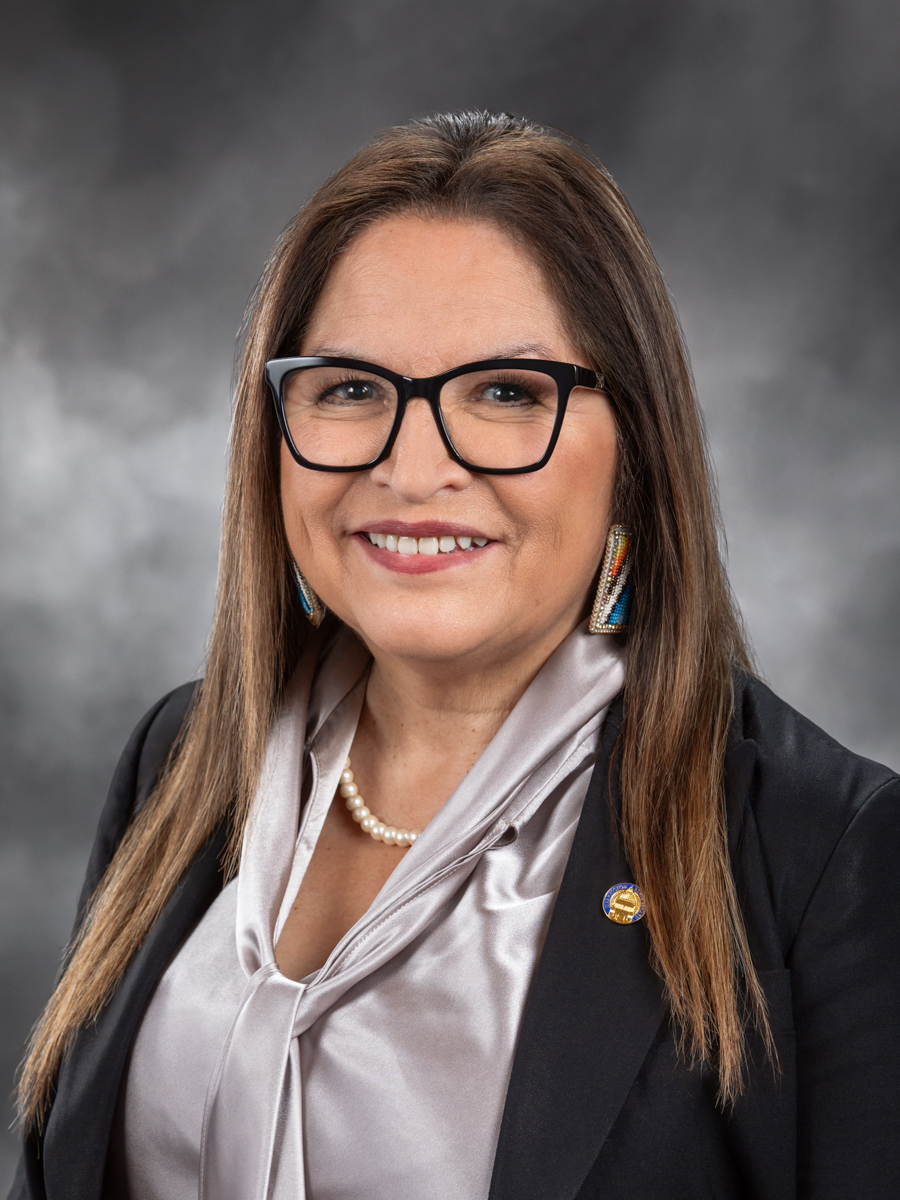
Annette Cleveland
Annette Cleveland Senate · District 49
D
Strong +
100% 5
Bob Hasegawa
Bob Hasegawa Senate · District 11
D
Strong +
100% 5
Claire Wilson
Claire Wilson Senate · District 30
D
Strong +
100% 5
Claudia Kauffman
Claudia Kauffman Senate · District 47
D
Strong +
100% 5
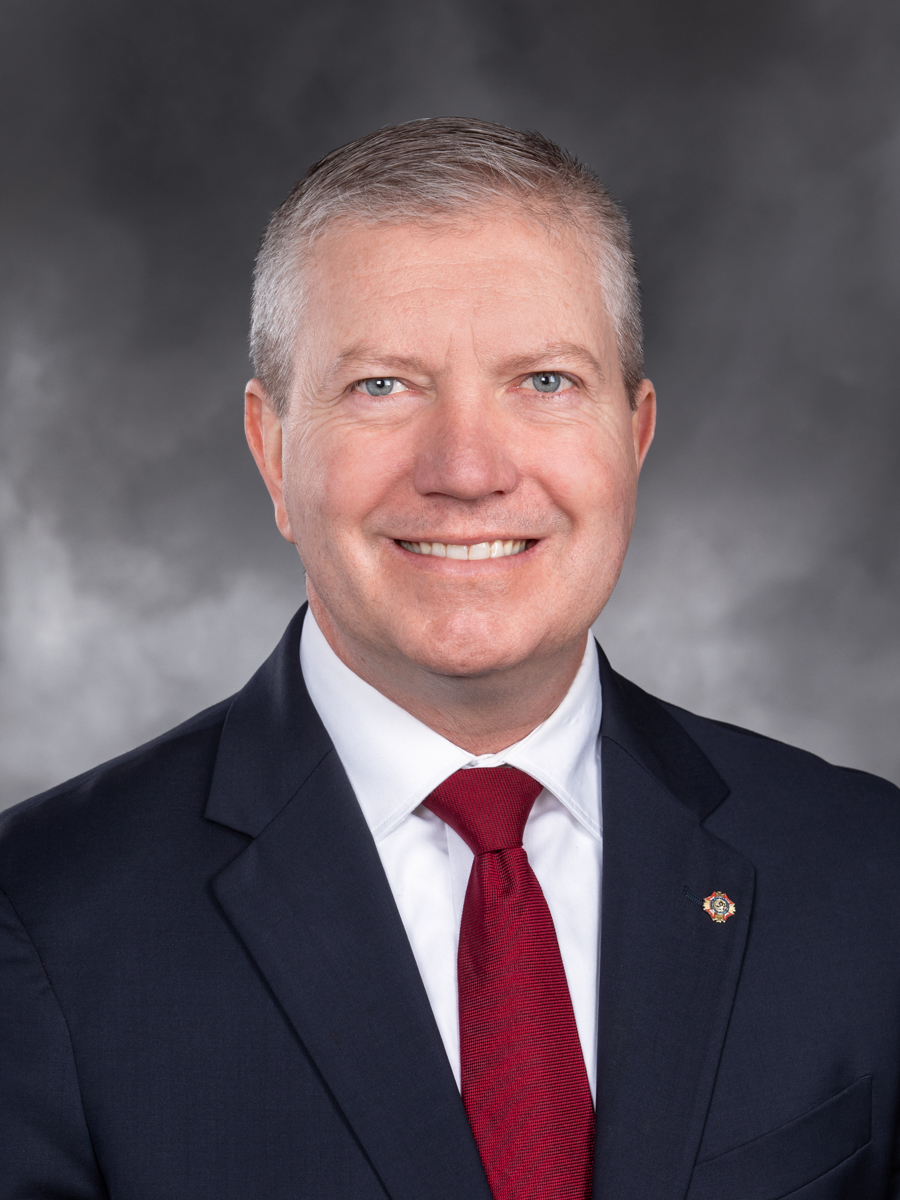
Chris Gildon
Chris Gildon Senate · District 25
R
Strong −
0% 5
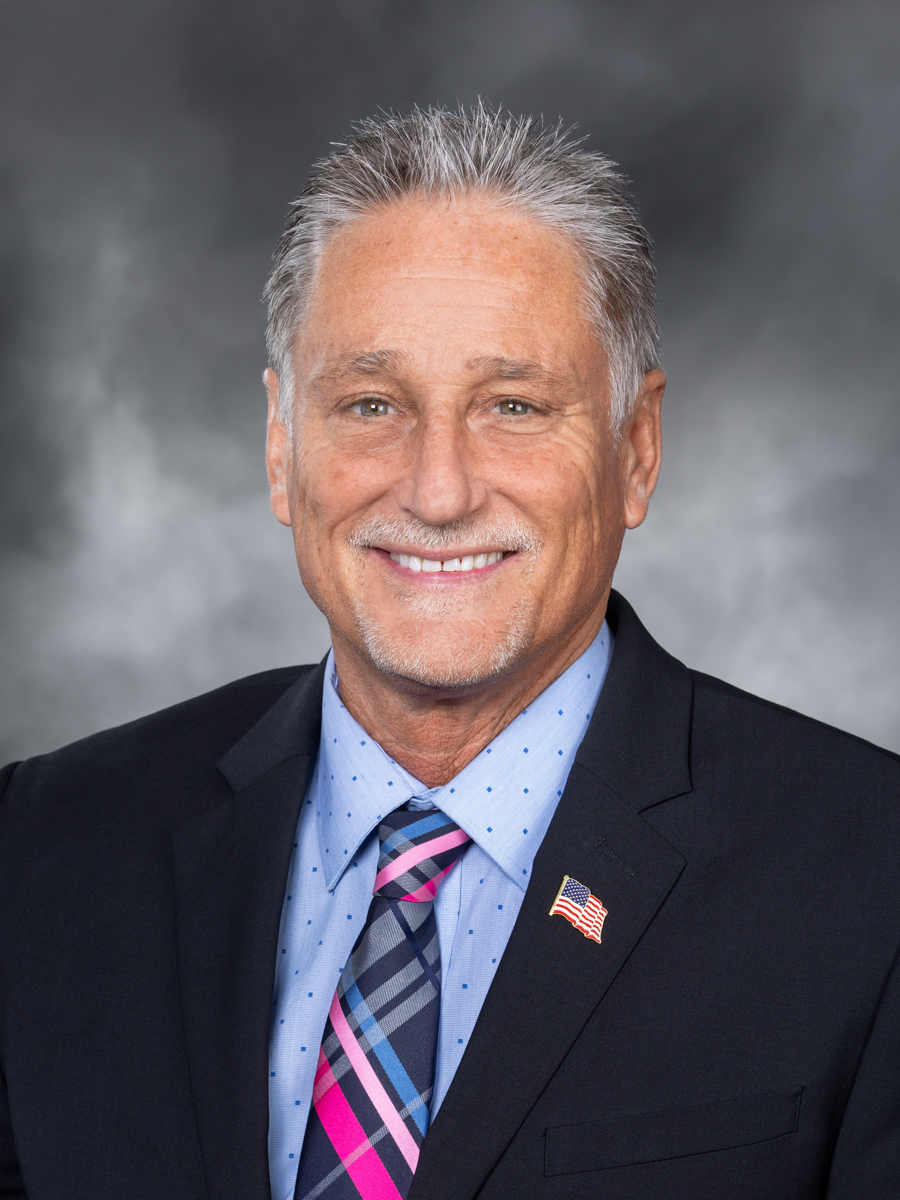
Drew MacEwen
Drew MacEwen Senate · District 35
R
Strong −
0% 5
Jeff Wilson
Jeff Wilson Senate · District 19
R
Strong −
0% 5
Jim McCune
Jim McCune Senate · District 2
R
Strong −
0% 5
John Braun
John Braun Senate · District 20
R
Strong −
0% 5
Showing 1–10 of 18 bills

All healthcare bills

in committee · Washington · House Jan 12, 2026

HB 2302: Expanding prescriptive authority for pharmacists.

HB 2302 would allow Washington pharmacists to prescribe certain medications directly for chronic conditions like diabetes, cardiovascular disease, behavioral health, and addiction - without requiring special agreements with physicians. Currently, pharmacists must maintain complex collaborative agreements, which the bill identifies as an unnecessary administrative burden. The change leverages pharmacists’ existing training (including 1,740 hours of patient care) to improve access to care, especially in rural and underserved communities. It amends state law to expand pharmacists’ scope of practice to fully utilize their expertise in medication management. The bill focuses on concrete policy change, not outcomes or advocacy.
in committee · Washington · Senate Feb 4, 2026

SB 6292: Establishing a joint legislative executive committee on health care financing.

SB 6292 establishes a joint committee to study health care financing in Washington state, directly involving state legislators, executive branch agencies (like Health Care Authority and Insurance Commissioner), and tribal representatives. The committee will investigate specific strategies to improve affordability and access - such as prescription drug pricing, payment models, and federal fund coordination - and must deliver preliminary and final reports by 2027. It expires on January 1, 2028, and will not enact new laws but develop recommendations for the legislature. The bill does not change current policies but creates a structured process for analyzing health care financing challenges.
Sub-Topics Prescription Drugs
signed · Washington · Senate Mar 25, 2026

SB 5981: Protecting patient access to discounted medications and health care services through Washington's health care safety net by preventing manufacturer limitations on the 340B drug pricing program.

SB 5981 prevents drug manufacturers from restricting how Washington's safety net providers (like community health centers, hospitals serving low-income patients, and HIV clinics) use contract pharmacies to dispense discounted 340B medications. It prohibits manufacturers from denying access to these drugs, blocking contract pharmacy arrangements, or demanding extra data as a condition for supply. The bill allows covered entities to sue for violations, with penalties up to $5,000 per drug package, and requires annual reporting of 340B program activity. This directly protects vulnerable patients' access to affordable medications while safeguarding funding that safety net providers rely on for community services like screenings and financial assistance.
Sub-Topics Prescription Drugs
in committee · Washington · House Feb 3, 2026

HB 2573: Concerning community access to food, medicine, and health services.

HB 2573 requires supermarkets, full-service grocery stores, and pharmacies to provide advance notice of closures or major operational changes to local governments and the public. Specifically, these businesses must give six months' notice for general areas and one year's notice in "overburdened communities" (defined under Chapter 70A.02 RCW), including posting notices in primary languages spoken by 5% of residents. Local governments must include these notices in land use permits and public outreach, and can use zoning tools to prioritize redeveloping vacant properties for these essential services. The bill aims to prevent "food and pharmacy deserts" by ensuring continued access to healthy food, medicine, and health services in communities planning for increased density, affordable housing, and transit-oriented development.
Sub-Topics Prescription Drugs
in committee · Washington · House Jan 30, 2026

HB 2613: Establishing safety and regulatory requirements for compounded medications.

HB 2613 establishes strict safety rules for pharmacies compounding medications in Washington, directly affecting pharmacies and compounding facilities that create custom medications (like weight loss drugs). The bill requires compounders to verify all ingredients come from FDA-registered facilities with recent inspections, obtain detailed certificates of analysis, conduct quality testing, and maintain records for two years. Violations result in fines of $1,000 per dose sold and potential loss of pharmacy licenses. The law aims to prevent unsafe ingredients - such as those from unverified foreign sources - from entering the supply chain, aligning with federal standards while adding state-level oversight.
Sub-Topics Prescription Drugs
in committee · Washington · House Feb 9, 2026

HB 2145: Protecting patient access to discounted medications and health care services through Washington's health care safety net by preventing manufacturer limitations on the 340B drug pricing program.

HB 2145 prohibits drug manufacturers from restricting how 340B-covered safety net providers (like community health centers, HIV clinics, and tribal health centers) access discounted medications. It specifically bans manufacturers from denying or limiting delivery of 340B drugs to these providers or their contracted pharmacies, and prevents them from requiring data sharing as a condition for drug access. The law allows covered entities to sue violators for up to $5,000 per day per violation and requires penalties for noncompliance. This directly protects low-income patients who rely on affordable medications through Washington's safety net providers.
Sub-Topics Prescription Drugs
passed · Washington · Senate Mar 12, 2026

SB 5924: Expanding prescriptive authority for pharmacists.

SB 5924 would allow Washington pharmacists to prescribe medications and devices without needing separate collaborative agreements with doctors, expanding their current authority. This change directly affects pharmacists - particularly in rural and underserved communities - and patients who rely on access to care for chronic conditions like diabetes, cardiovascular disease, and behavioral health. The bill removes the administrative burden of maintaining collaborative agreements, which the legislature states has not improved patient safety or oversight, while recognizing pharmacists' existing 1,740+ hours of patient care training. The policy change aims to improve health outcomes by leveraging pharmacists' full scope of practice as highly trained providers.
signed · Washington · House May 12, 2025

HB 1186: Expanding the situations in which medications can be dispensed or delivered from hospitals and health care entities.

House Bill 1186 expands the situations in which hospitals and health care entities can dispense medications directly to patients. It allows practitioners in hospital emergency departments to prescribe and distribute limited amounts of prepackaged emergency medications to patients being discharged. This is permitted when community or outpatient pharmacy services are unavailable or inaccessible, or for specific treatments like human immunodeficiency virus postexposure prophylaxis. Hospitals must establish clear policies, including a list of approved medications, staff training, patient counseling, and generally limit supplies to a 48-hour maximum, with some exceptions. The bill also adjusts similar medication dispensing limits for other health care entities.
in committee · Washington · House Jan 12, 2026

HB 1850: Facilitating the prompt replacement of defective continuous glucose monitoring equipment.

HB 1850 requires pharmacies - both physical locations and mail-order services - to maintain sufficient supplies of continuous glucose monitoring (CGM) sensors. This ensures patients with diabetes can quickly get a replacement sensor when their equipment malfunctions or in an emergency requiring immediate use. Physical pharmacies must provide same-day replacements, while mail-order pharmacies must mail replacements by the next business day (or as soon as possible if not feasible). The bill directly affects diabetes patients who rely on CGM devices and the pharmacies that dispense them, creating a clear requirement for timely sensor access without altering insurance coverage or funding.
passed · Washington · Senate Mar 12, 2026

SB 5594: Concerning biosimilar medicines.

This bill aims to reduce prescription drug costs by improving patient access to biosimilar medicines and other prescribed drugs. It directly affects health plans, drug utilization management entities, patients, and healthcare providers. The bill establishes a clear process for patients and practitioners to request exceptions to prescription drug utilization management rules, such as prior authorization or step therapy. It outlines specific conditions under which these exception requests must be granted and sets strict deadlines for health plans to respond. If a response is not provided within the specified timeframes, the exception request is automatically granted, and health plans must cover an emergency supply fill if necessary during the process.
Sub-Topics Prescription Drugs
Showing 1 to 10 of 18 bills
1 2 Next