Issue · Education

Education

Every education bill, vote, and legislator stance in Washington, automatically classified by Maddy, our AI policy reader.

Total bills
352
2025-2026 Regular Session
Top supporter
Claire Wilson
89% support rate
Top opponent
Zach Hall
13% support rate
Ranked legislators
10
5 support · 5 oppose
Key legislators

Who's moving education in Washington

Legislators moving education in Washington
Legislator Party Stance Support rate Votes
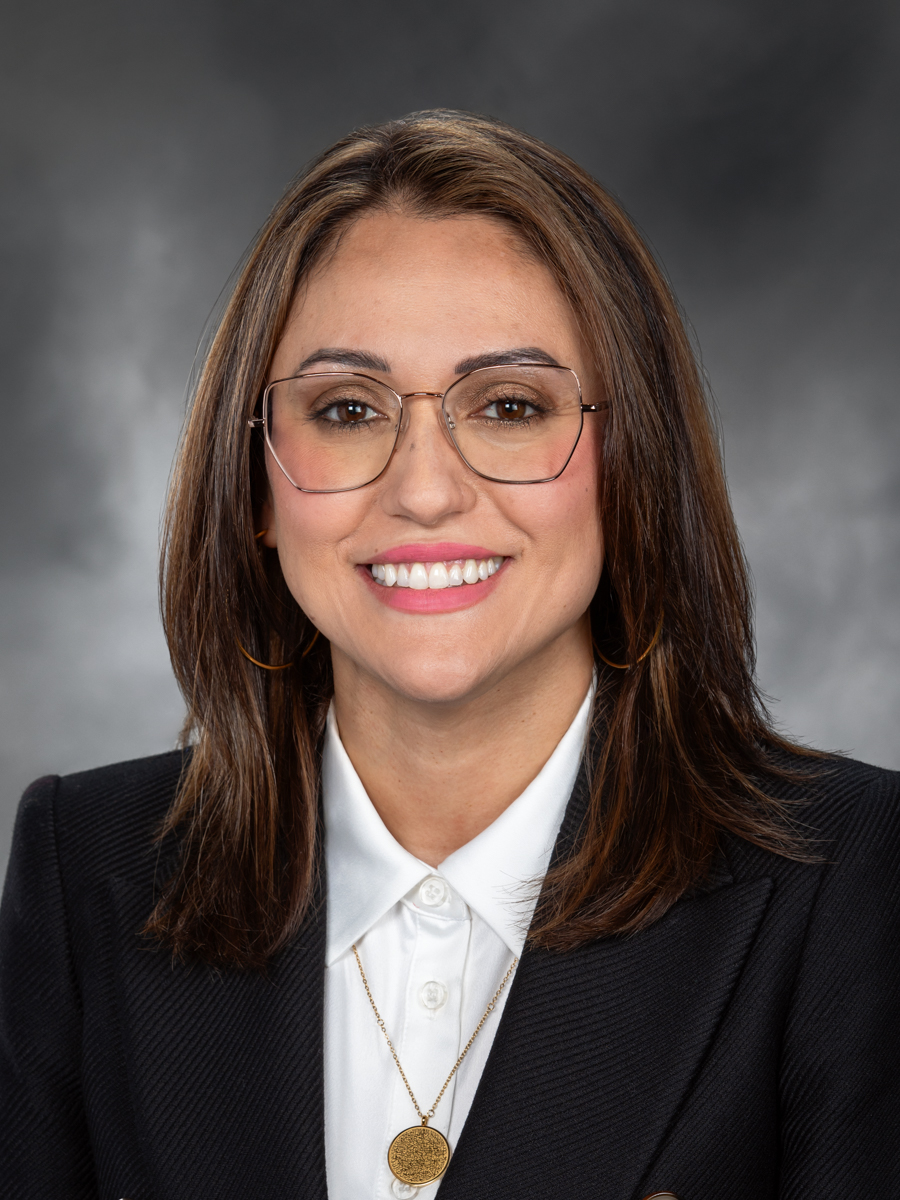
Claire Wilson
Claire Wilson Senate · District 30
D
Strong +
89% 74
Adison Richards
Adison Richards House · District 26
D
Strong +
88% 190
Yasmin Trudeau
Yasmin Trudeau Senate · District 27
D
Strong +
86% 74
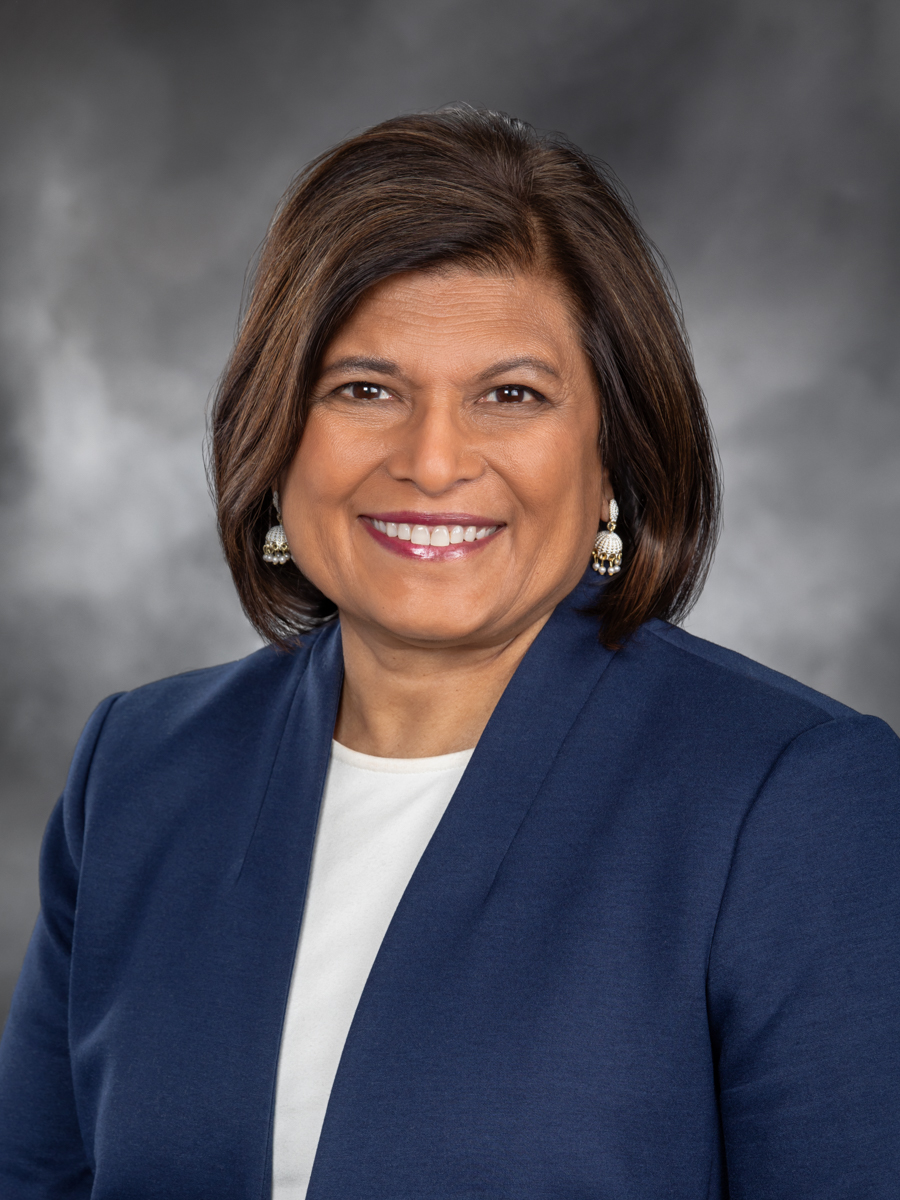
Vandana Slatter
Vandana Slatter Senate · District 48
D
Strong +
86% 75
RS
Rebecca Saldaña Senate · District 37
D
Strong +
86% 74
Zach Hall
Zach Hall House · District 5
D
Strong −
13% 135
Leonard Christian
Leonard Christian Senate · District 4
R
Strong −
14% 74
Jim McCune
Jim McCune Senate · District 2
R
Strong −
14% 72
Drew MacEwen
Drew MacEwen Senate · District 35
R
Strong −
16% 73
Shelly Short
Shelly Short Senate · District 7
R
Strong −
18% 74
Showing 221–230 of 352 bills

All education bills

signed · Washington · Senate Apr 29, 2025

SB 5110: Providing tuition waivers for tribal elders at Washington’s community and technical colleges.

SB 5110 allows Washington's community and technical colleges to waive tuition and certain fees for tribal elders. Specifically, it permits colleges to waive all or a portion of tuition and service and activity fees for tribal elders over 55 years old from eligible Indian tribes. This bill directly affects these tribal elders who may seek to enroll in community or technical colleges. The State Board for Community and Technical Colleges is authorized to adopt rules to implement this provision.
Sub-Topics Higher Education
in committee · Washington · House Jan 12, 2026

HB 1231: Supporting the exploration and implementation of later starting times for public schools.

HB 1231 proposes that Washington's Superintendent of Public Instruction provide information and technical assistance to public school districts (including charter and tribal schools) exploring later start times, such as summaries of student health research and implementation strategies. It also establishes a grant program starting in 2026-27 to fund both the exploration and implementation of later start times, with districts receiving exploration grants eligible for implementation grants later. The bill requires the Superintendent to submit annual reports to the legislature starting in 2028, detailing the program's progress and including summaries of similar efforts in other states. The bill does not mandate later start times but supports districts through resources and funding, contingent on legislative appropriations.
in committee · Washington · Senate Jan 12, 2026

SB 5654: Addressing restraint or isolation of students in public schools and educational programs.

SB 5654 prohibits public schools in Washington from using physical restraint, isolation (seclusion), or chemical restraint solely for discipline or staff convenience. It requires schools to use functional behavioral assessments and individualized plans before applying restrictive interventions, and mandates intensive crisis training for staff. The bill defines "isolation" as involuntary separation from others (excluding brief, student-selected calm-down times or emergencies), and bans practices that cause emotional harm. It directly affects all public K-12 students, particularly those with behavioral needs, by requiring schools to prioritize safety and evidence-based strategies. The law also strengthens accountability through reporting requirements for school districts.
in committee · Washington · House Jan 12, 2026

HB 1338: Concerning school operating costs.

HB 1338 revises Washington state's formula for distributing basic education funding to school districts. It establishes specific per-pupil funding levels based on "prototypical" school models (e.g., 600 students for high schools, 432 for middle schools, 400 for elementary schools), setting minimum class size requirements (like 17 students per teacher in K-3) and staff ratios for roles including teachers, librarians, paraeducators, and support staff. The bill mandates transparency by requiring the superintendent to publish per-pupil funding data online and school districts to link to it on their websites. This directly affects all public school districts in Washington, determining how state funds are allocated for core instructional programs and operational costs.
in committee · Washington · House Jan 12, 2026

HB 1637: Concerning nonfirearm measures to increase school safety for students and staff.

HB 1637 requires Washington public schools to implement nonfirearm safety measures, directly affecting all public schools and school districts in the state. Key provisions include creating a public school safety dashboard to track and rate incidents by severity (e.g., bullying, violence), establishing security grants for physical improvements like keycard access and panic buttons, and mandating a full-time school resource officer at every public school. The bill also requires an evaluation of prior school safety reforms enacted in 2019. These changes aim to improve transparency, fund physical security upgrades, and ensure consistent safety staffing to address reported safety concerns among students and staff.
in committee · Washington · House Jan 12, 2026

HB 1855: Expanding protections for certain students to promote inclusivity in public schools.

HB 1855 amends Washington state law to prohibit public school discrimination based on additional protected categories, directly affecting students and schools statewide. It adds specific definitions for terms like gender identity, gender expression, neurodivergence, immigration status, and homelessness, then updates the existing anti-discrimination statute (RCW 28A.642.010) to explicitly include these categories. The law expands protections beyond current federal standards, ensuring schools cannot discriminate on these grounds in educational settings. It focuses on creating inclusive environments by addressing barriers to learning for marginalized students, including LGBTQ+ youth and neurodivergent students. The policy change is a direct update to school anti-discrimination rules, not a new program or funding measure.
signed · Washington · House May 13, 2025

HB 1351: Adjusting age requirements for accessing the early childhood education and assistance program.

This bill (HB 1351) adjusts the eligibility requirements for children to access Washington's Early Childhood Education and Assistance Program (ECEAP). It clarifies that an eligible child must be at least three years old by August 31st of the school year and not yet age-eligible for kindergarten. The bill updates income thresholds for families, shifting from federal poverty levels to state median income percentages over time. Additionally, it expands eligibility to include children experiencing homelessness or those who have participated in other specific early childhood support programs.
in committee · Washington · Senate Jan 12, 2026

SB 5718: Providing members of the teachers' retirement system plan 3 and school employees' retirement system plan 3 that were never offered a choice of plan 2 the opportunity to irrevocably transfer to plan 2 for future service.

SB 5718 allows certain teachers and school employees who joined retirement plan 3 between 1996-2007 (teachers) or 2000-2007 (school employees) to irrevocably transfer to plan 2 for future service, as they were never offered this choice when initially enrolling. Members must make the transfer during January after the bill's effective date and earn service credit for that month. The bill explicitly prohibits transfers for those already retired and reserves the legislature's right to modify or end this option. It also includes a provision to suspend transfers if federal tax guidance conflicts with the policy.
Sub-Topics Teachers
in committee · Washington · Senate Jan 12, 2026

SB 5378: Expanding access to grants within the paid family and medical leave insurance program for small school districts.

SB 5378 expands financial assistance for small school districts and small businesses under Washington’s paid family and medical leave program. It allows eligible employers (including second-class school districts and businesses with 50-150 employees) to receive up to $3,000 for hiring temporary workers during employee leave or up to $1,000 to cover extra wage costs from leave. Grants are limited to 10 per year per employer, require documentation linking costs to leave, and apply only to employees using the program. Small businesses (under 50 employees) receiving grants face three years of full premium assessments under the program.
Sub-Topics Insurance Paid Leave
in committee · Washington · House Jan 12, 2026

HB 1894: Supporting public school instruction in tribal sovereignty and federally recognized Indian tribes.

HB 1894 requires Washington public school districts to incorporate curriculum about the history, culture, and government of nearby federally recognized tribes into social studies by September 1, 2026, directly affecting all K-12 schools. It mandates districts to consult with tribes during curriculum updates and use the "John McCoy (lulilaš)" curriculum as a starting point. The bill creates an Office of Native Education within the superintendent’s office to support districts in developing these materials and requires annual monitoring of compliance starting in 2025-26. The law expires September 1, 2029, and requires districts to report on tribal collaborations and curriculum implementation.
Sub-Topics Curriculum K-12 Education Tags Tribal Nations
Showing 221 to 230 of 352 bills
Previous 1 22 23 24 36 Next