Issue · Criminal Justice

Criminal Justice

Every criminal justice bill, vote, and legislator stance in Washington, automatically classified by Maddy, our AI policy reader.

Total bills
294
2025-2026 Regular Session
Top supporter
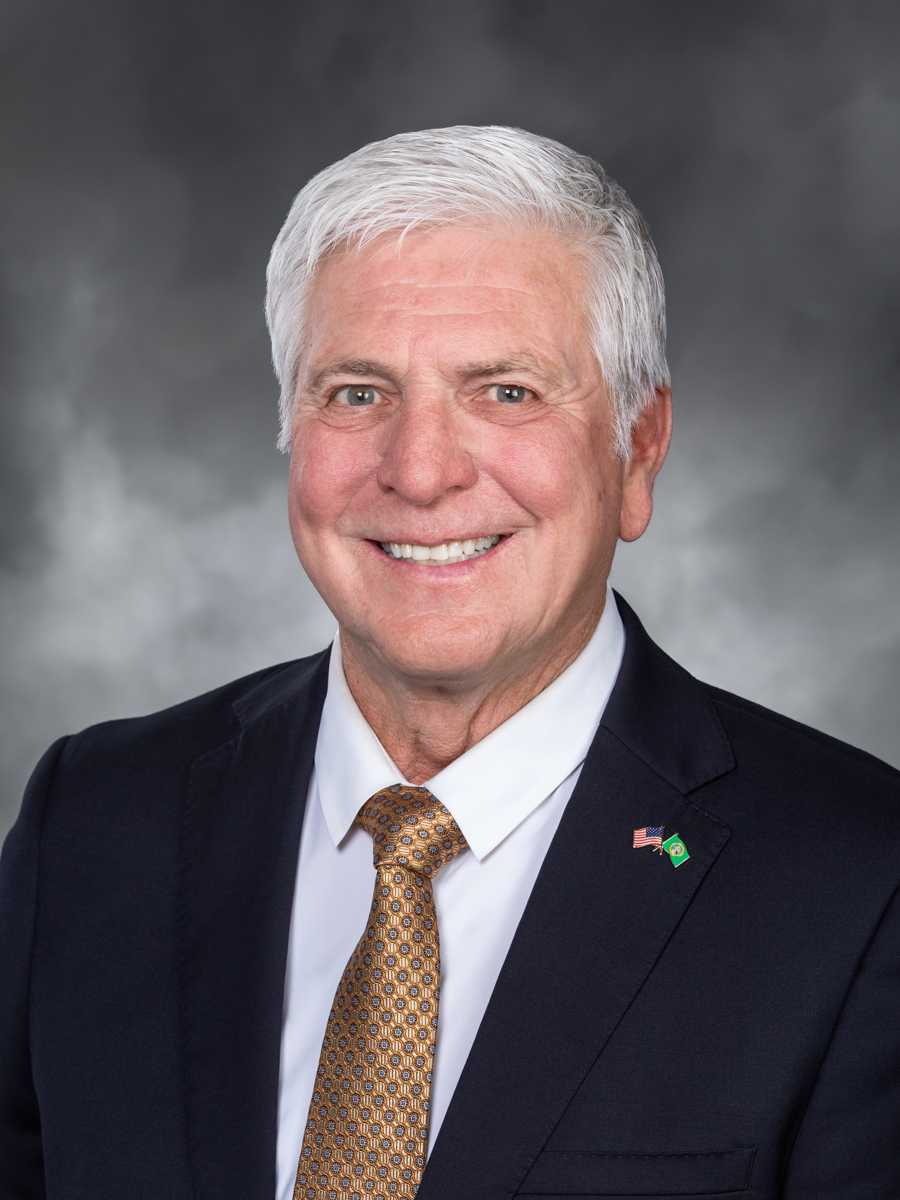
Steve Tharinger
91% support rate
Top opponent
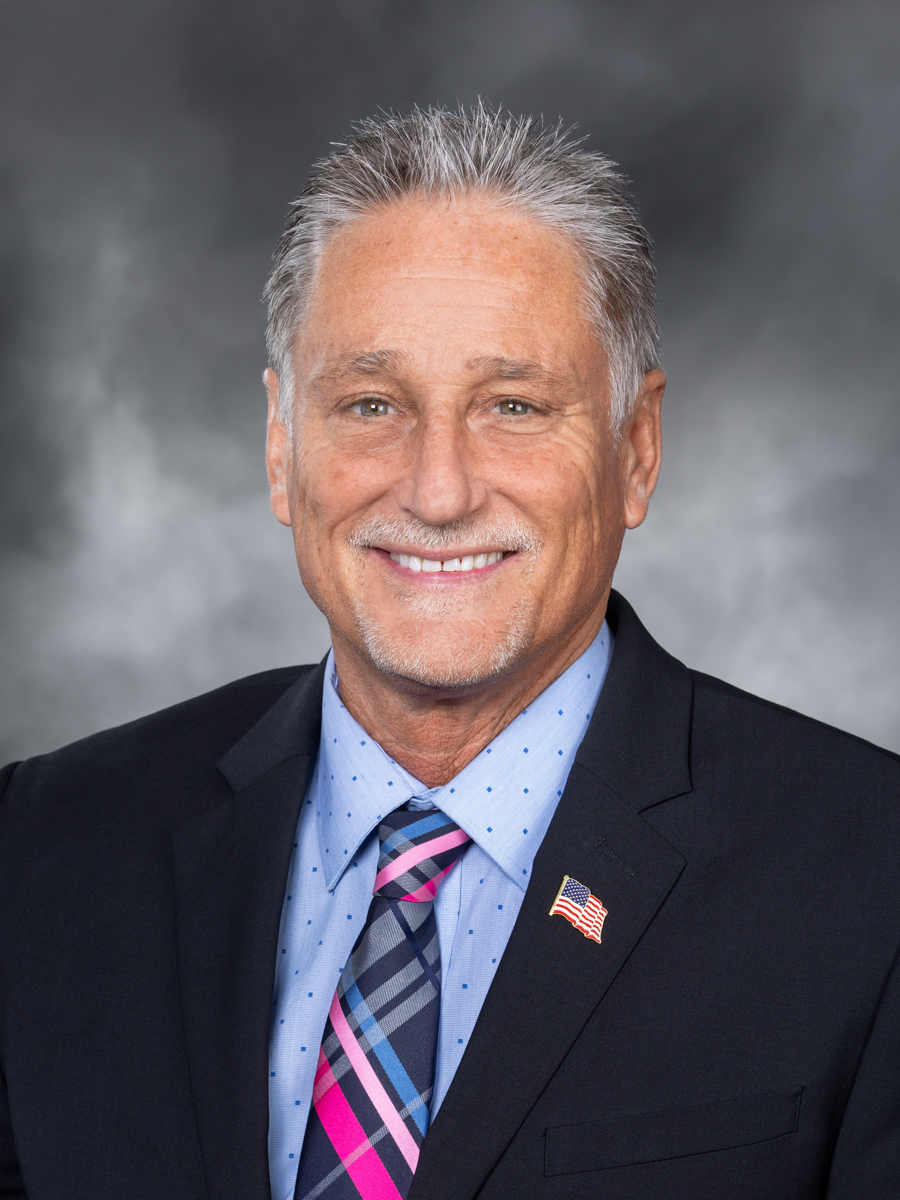
Jim McCune
16% support rate
Ranked legislators
10
5 support · 5 oppose
Key legislators

Who's moving criminal justice in Washington

Legislators moving criminal justice in Washington
Legislator Party Stance Support rate Votes
Steve Tharinger
Steve Tharinger House · District 24
D
Strong +
91% 99
Tina Orwall
Tina Orwall Senate · District 33
D
Strong +
90% 124
Annette Cleveland
Annette Cleveland Senate · District 49
D
Strong +
88% 125
Jess Bateman
Jess Bateman Senate · District 22
D
Strong +
88% 125
Derek Stanford
Derek Stanford Senate · District 1
D
Strong +
88% 125
Jim McCune
Jim McCune Senate · District 2
R
Strong −
16% 125
Perry Dozier
Perry Dozier Senate · District 16
R
Strong −
17% 125
Leonard Christian
Leonard Christian Senate · District 4
R
Strong −
17% 125
Matt Boehnke
Matt Boehnke Senate · District 8
R
Strong −
17% 125
Jeff Wilson
Jeff Wilson Senate · District 19
R
Strong −
18% 121
Showing 61–70 of 294 bills

All criminal justice bills

in committee · Washington · House Jan 28, 2026

HB 2698: Requiring the court to consider recommendations from the prosecutor before approving a less restrictive alternative for a sexually violent predator.

This bill requires courts to consider recommendations from the county prosecutor before approving housing for a sexually violent predator under a less restrictive alternative, such as conditional release. Specifically, the prosecutor in the county where proposed housing is located must be given the opportunity to comment on whether the housing meets community safety standards. The court must weigh these recommendations and, if its decision differs materially from the prosecutor's input, provide a written explanation for its reasoning. This change applies only to housing-related decisions in conditional release cases and does not alter other requirements, such as treatment plans or supervision. The bill targets court proceedings involving sexually violent predators seeking reduced restrictions under Washington law.
Sub-Topics Courts
signed · Washington · House Mar 11, 2026

HB 2417: Changing the Washington code of military justice so that it includes certain protections for victims of an offense while serving within the organized militia of Washington.

HB 2417 updates Washington's military justice code to extend specific victim protections to members of the state National Guard (organized militia) who experience crimes while serving in their state capacity. It directly affects National Guard members who are victims of offenses under the state military code. The bill establishes concrete rights including protection from the accused, timely notice of court proceedings, the right to be heard at key hearings, privacy safeguards, and access to restitution. These provisions align state military justice standards with federal protections to ensure consistent victim treatment during both federal and state service.
Sub-Topics Courts Victims' Rights
in committee · Washington · Senate Jan 12, 2026

SB 6055: Concerning firearms background check.

SB 6055 establishes a centralized, automated background check system for firearm sales in Washington, requiring all dealers to use a new web portal to check applicants against state and federal databases (including court records and crime databases). The bill mandates a $18 maximum fee per background check (excluding pawn transactions), creates a process for applicants to appeal denied checks, and requires the Washington State Patrol to provide instant results and track system performance. Dealers must transition to this system within 30 days of notification, and the program must link to court records for eligibility verification. The law aims to streamline checks while ensuring data security and confidentiality of records.
Sub-Topics Courts Firearms
in committee · Washington · House Jan 21, 2026

HB 2456: Establishing a juvenile firearm early intervention alternative.

This bill creates an alternative to prosecution for juveniles charged with unlawful firearm possession (under RCW 9.41.040(2)(a)(v)). It requires juveniles to agree to a 12-month intensive supervision program with a reduced caseload probation officer, including mandatory therapy, mentorship, school attendance, and random consent-based searches for firearms or illegal substances. Participants must comply with conditions like curfews, geographic restrictions, and substance use monitoring, with the charge dismissed if they successfully complete the program. The alternative can be terminated if noncompliance is proven, requiring court hearings to review evidence and circumstances.
in committee · Washington · House Jan 28, 2026

HB 2356: Concerning public records concerning homicide cases.

HB 2356 would allow homicide victims' next of kin (spouse, parents, siblings, or children, excluding perpetrators) to request a court block public access to related case records. The bill amends Washington's public records law (RCW 42.56.540) to give families a formal legal process - via court motion with affidavit - to seek confidentiality for homicide case documents. This directly affects families of homicide victims who wish to limit public disclosure of sensitive case details. The bill is currently prefiling (2026) and has not yet become law.
Sub-Topics Courts Violent Crime
in committee · Washington · House Jan 22, 2026

HB 2635: Providing supervision of a sexually violent predator after release or discharge.

This bill sets conditions for releasing individuals classified as sexually violent predators into the community after court-ordered supervision. It requires courts to mandate electronic monitoring with real-time tracking, 500-foot distance restrictions from schools and child care facilities, and individualized supervision plans addressing specific risk factors. The law also requires the Department of Corrections to develop placements adhering to "fair share" principles to prevent disproportionate concentration of such individuals in any single county. These conditions must be documented and reviewed to ensure community safety while facilitating a person's transition to less restrictive settings.
in committee · Washington · House Jan 27, 2026

HB 2387: Concerning elected sheriffs.

HB 2387 clarifies that elected sheriffs not certified as peace officers under Washington law cannot personally perform law enforcement actions reserved for certified officers, though they retain authority for actions authorized by law. The bill automatically triggers recall proceedings if a sheriff’s certification is revoked for misconduct occurring after their term began - specifically, mandatory decertification (under RCW 43.101.105(2)) eliminates the need to collect voter signatures for a recall election. It amends laws to require the Criminal Justice Training Commission to initiate recalls upon certification revocation and specifies that no signatures are needed for such cases. This applies only to sheriffs who lack peace officer certification, directly affecting their accountability process for post-term misconduct.
Sub-Topics Law Enforcement
in committee · Washington · House Jan 29, 2026

HB 2704: Requiring all less restrictive alternatives for sexually violent predators to be operated by the department of social and health services or a contracted provider.

HB 2704 requires that all "less restrictive alternatives" for sexually violent predators - treatment settings less restrictive than total confinement - must be operated directly by Washington's Department of Social and Health Services or by a provider contracted with the department. This applies to individuals convicted of or charged with sexual violence who have a mental abnormality or personality disorder making them likely to commit predatory sexual acts if not confined. The bill explicitly excludes placement in the community protection program (RCW 71A.12.230) from qualifying as a less restrictive alternative. It amends existing statutes to enforce this operational requirement, ensuring such programs meet state oversight standards. This policy change directly affects sexually violent predators under civil commitment proceedings.
in committee · Washington · Senate Jan 12, 2026

SB 5958: Creating an additional regional training option for the basic law enforcement academy.

SB 5958 creates two additional annual basic law enforcement training classes at a regional academy in the largest city of any Washington county with over 300,000 residents. It appropriates $5 million from the general fund for the 2026-2027 fiscal year to cover these new classes, which are in addition to existing training. The bill requires the Criminal Justice Training Commission to track and report average student wait times annually to the legislature. This provision expires July 1, 2045.
passed · Washington · Senate Mar 12, 2026

SB 6070: Supporting the recovery of missing persons.

Washington State's SB 6070 requires law enforcement to obtain a court order before using certain surveillance tools - including pen registers, trap and trace devices, and cell site simulators (devices that mimic cell towers) - to locate missing endangered persons. The bill amends existing laws to specify that these tools may only be deployed when investigating a missing person who qualifies as "endangered" under state law. Courts must approve such orders based on probable cause that the tools will help locate the missing person or gather evidence related to their disappearance. This law directly affects law enforcement agencies conducting missing persons investigations and ensures judicial oversight for these intrusive surveillance methods.
Sub-Topics Courts Law Enforcement
Showing 61 to 70 of 294 bills
Previous 1 6 7 8 30 Next