Issue · Criminal Justice

Criminal Justice (Corrections)

Every criminal justice bill, vote, and legislator stance in Washington, automatically classified by Maddy, our AI policy reader.

Total bills
78
2025-2026 Regular Session
Top supporter
Annette Cleveland
100% support rate
Top opponent
Jeff Wilson
0% support rate
Ranked legislators
10
5 support · 5 oppose
Key legislators

Who's moving corrections in Washington

Legislators moving corrections in Washington
Legislator Party Stance Support rate Votes
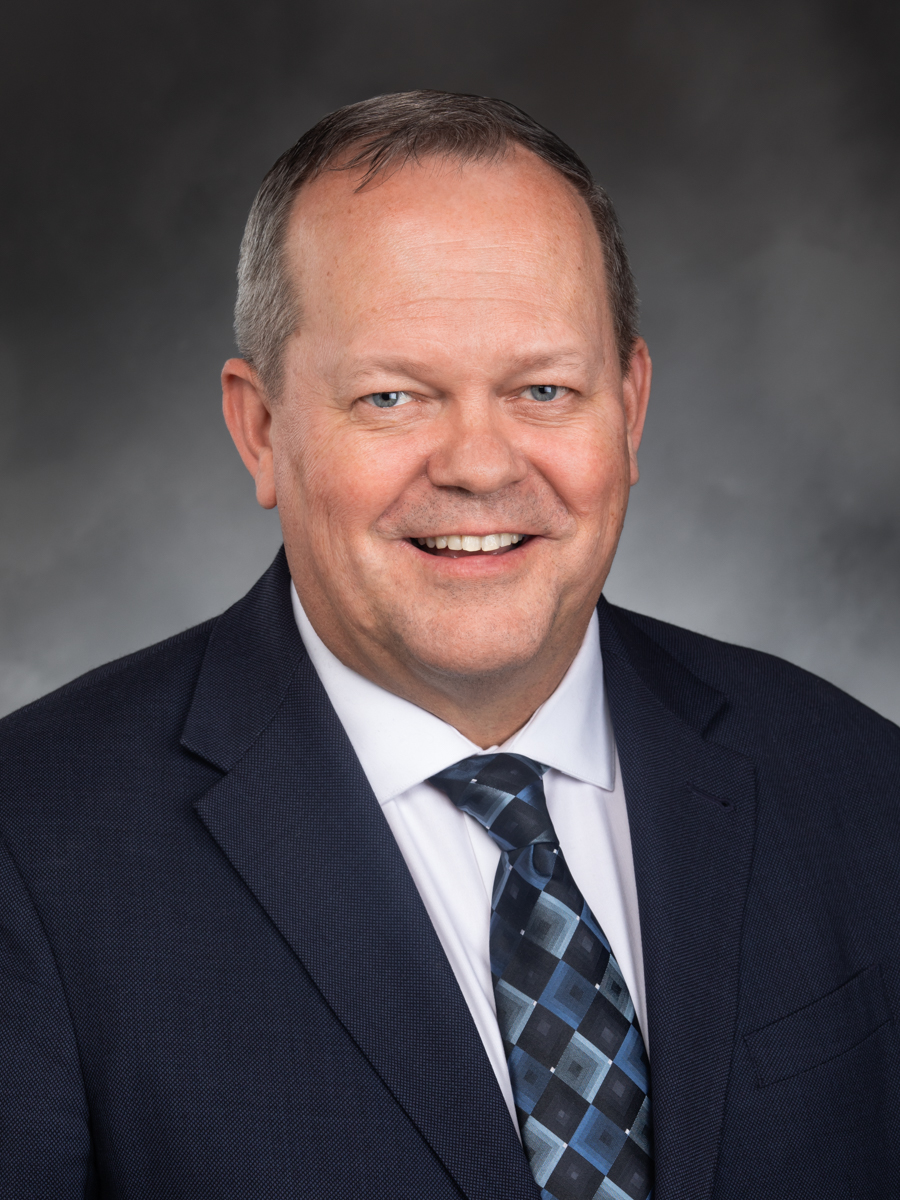
Annette Cleveland
Annette Cleveland Senate · District 49
D
Strong +
100% 12
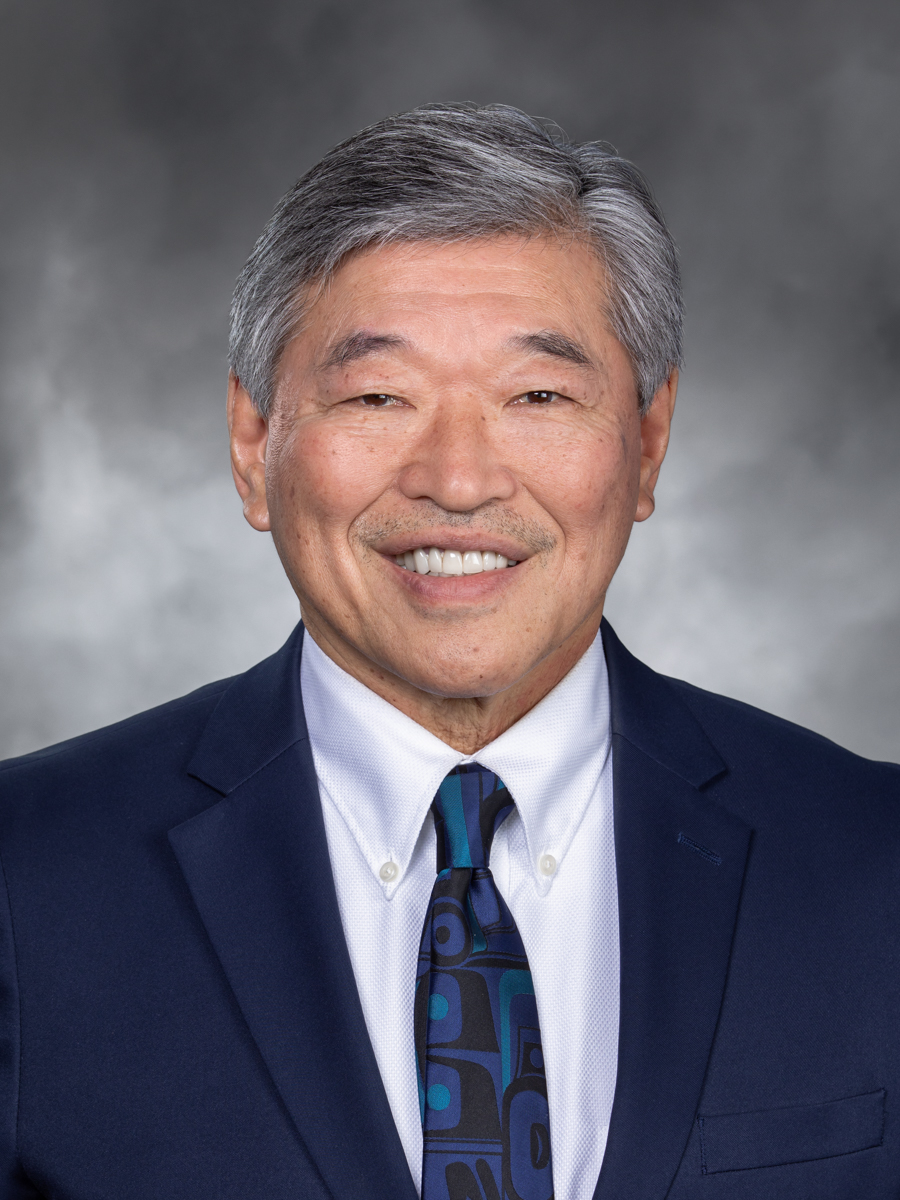
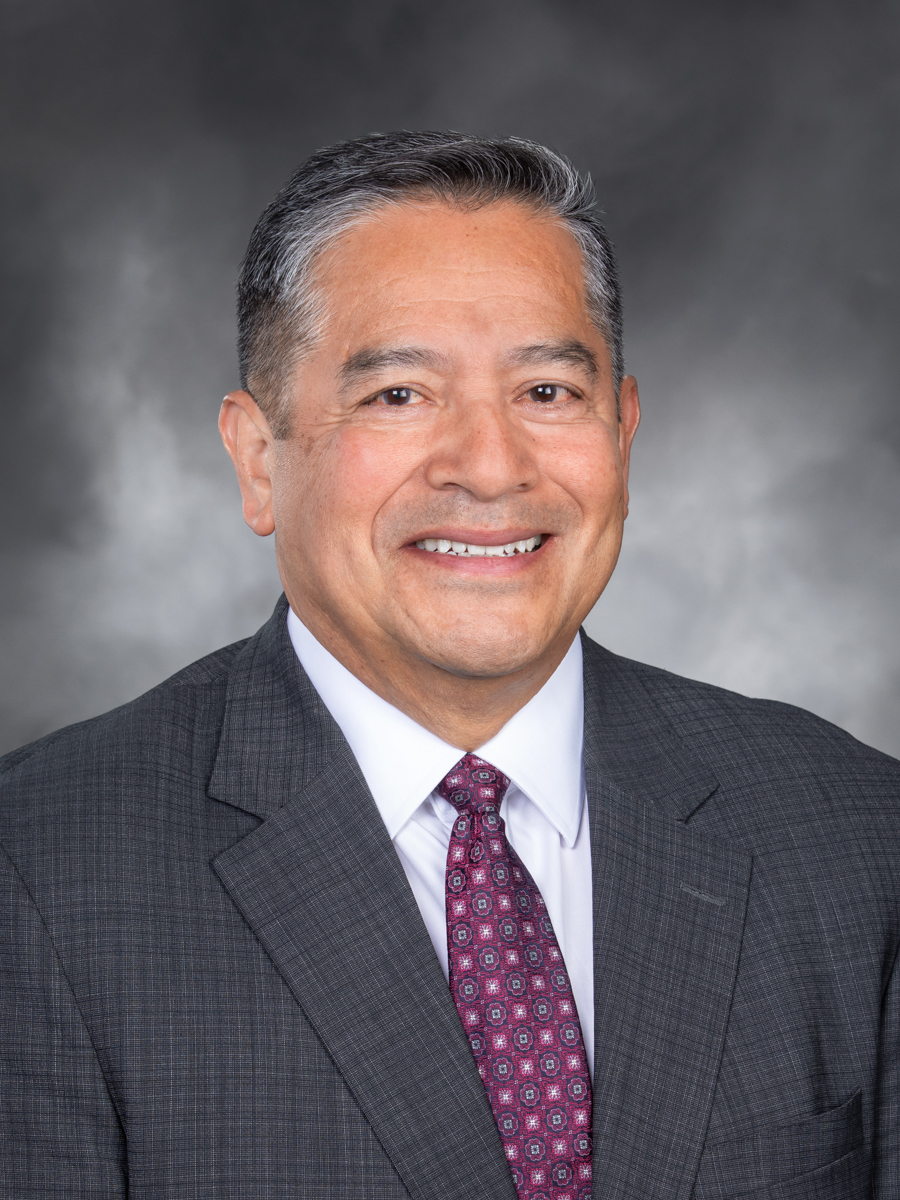
Bob Hasegawa
Bob Hasegawa Senate · District 11
D
Strong +
100% 12
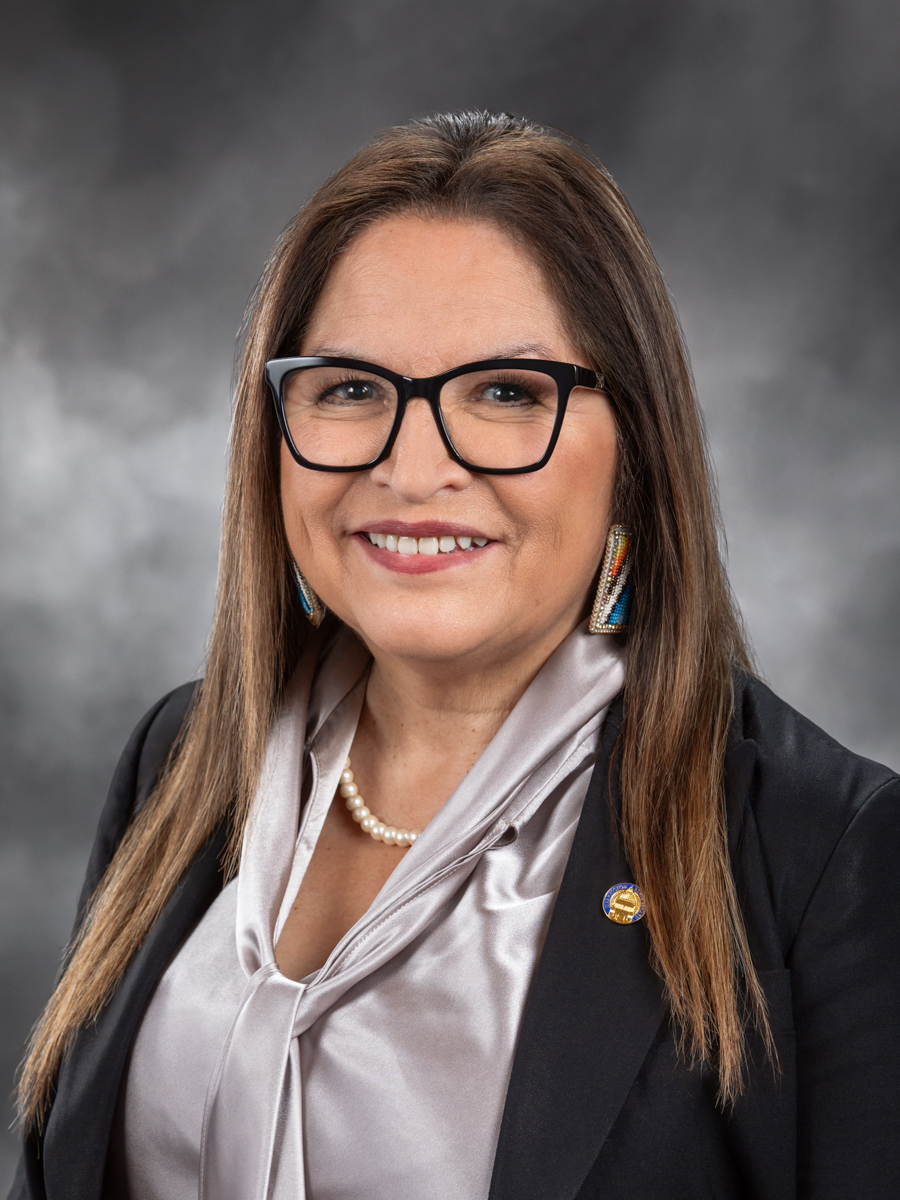
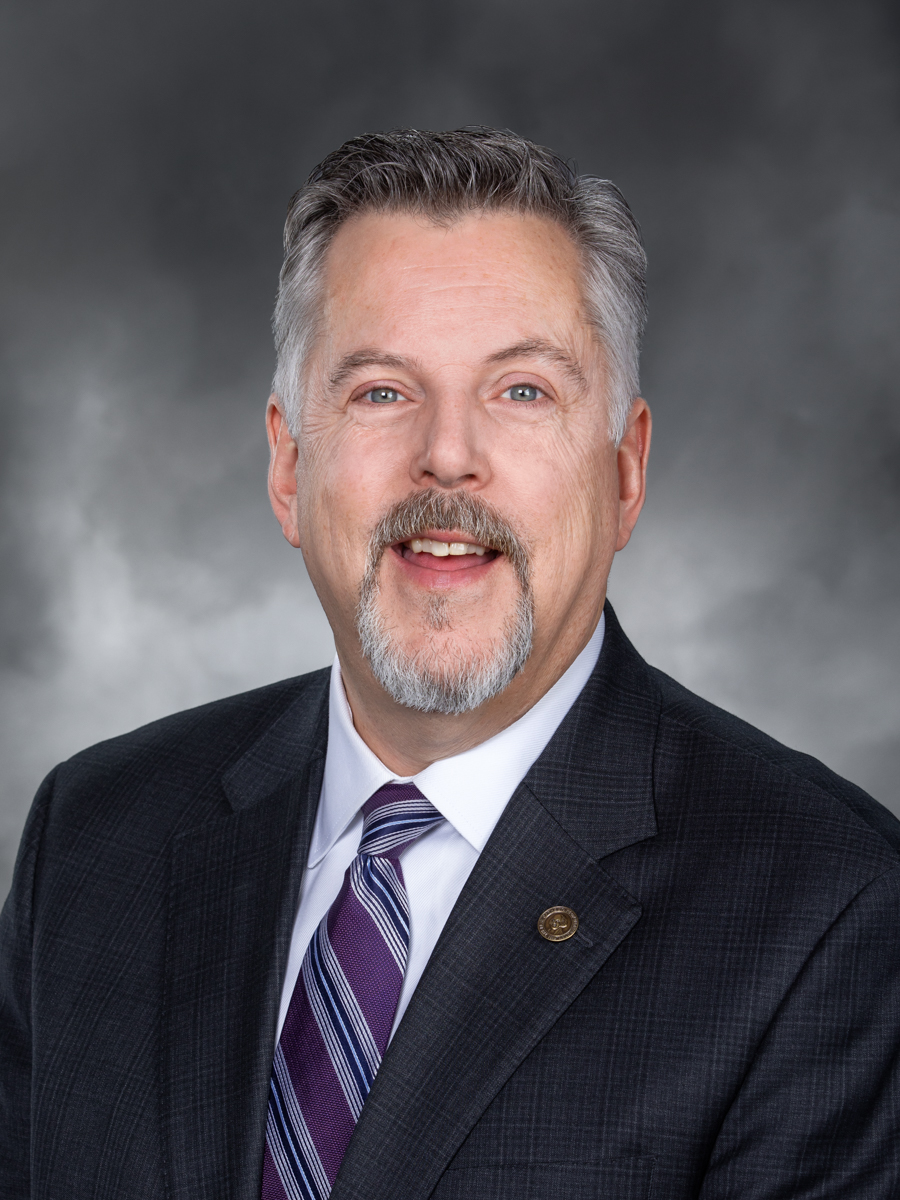
Claire Wilson
Claire Wilson Senate · District 30
D
Strong +
100% 12
Claudia Kauffman
Claudia Kauffman Senate · District 47
D
Strong +
100% 12
Derek Stanford
Derek Stanford Senate · District 1
D
Strong +
100% 12
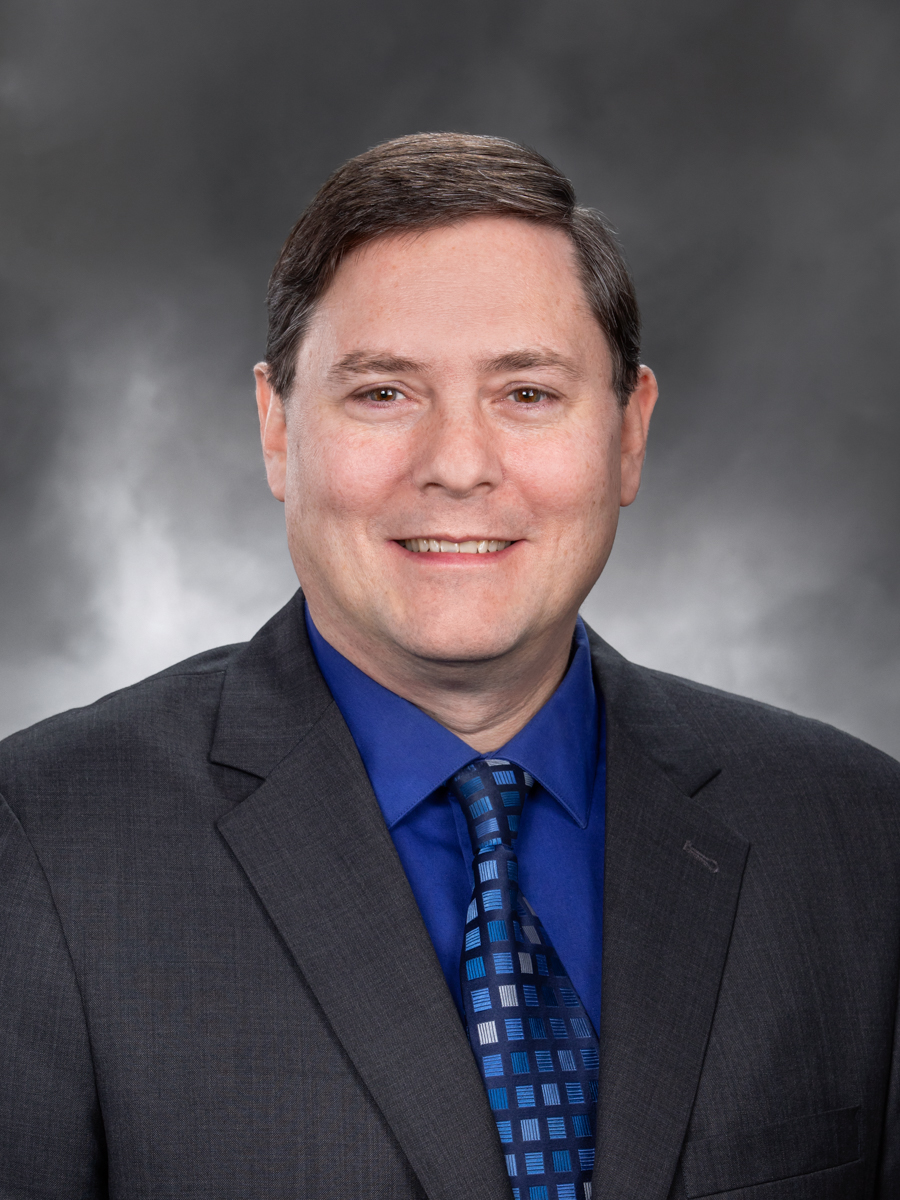
Jeff Wilson
Jeff Wilson Senate · District 19
R
Strong −
0% 12
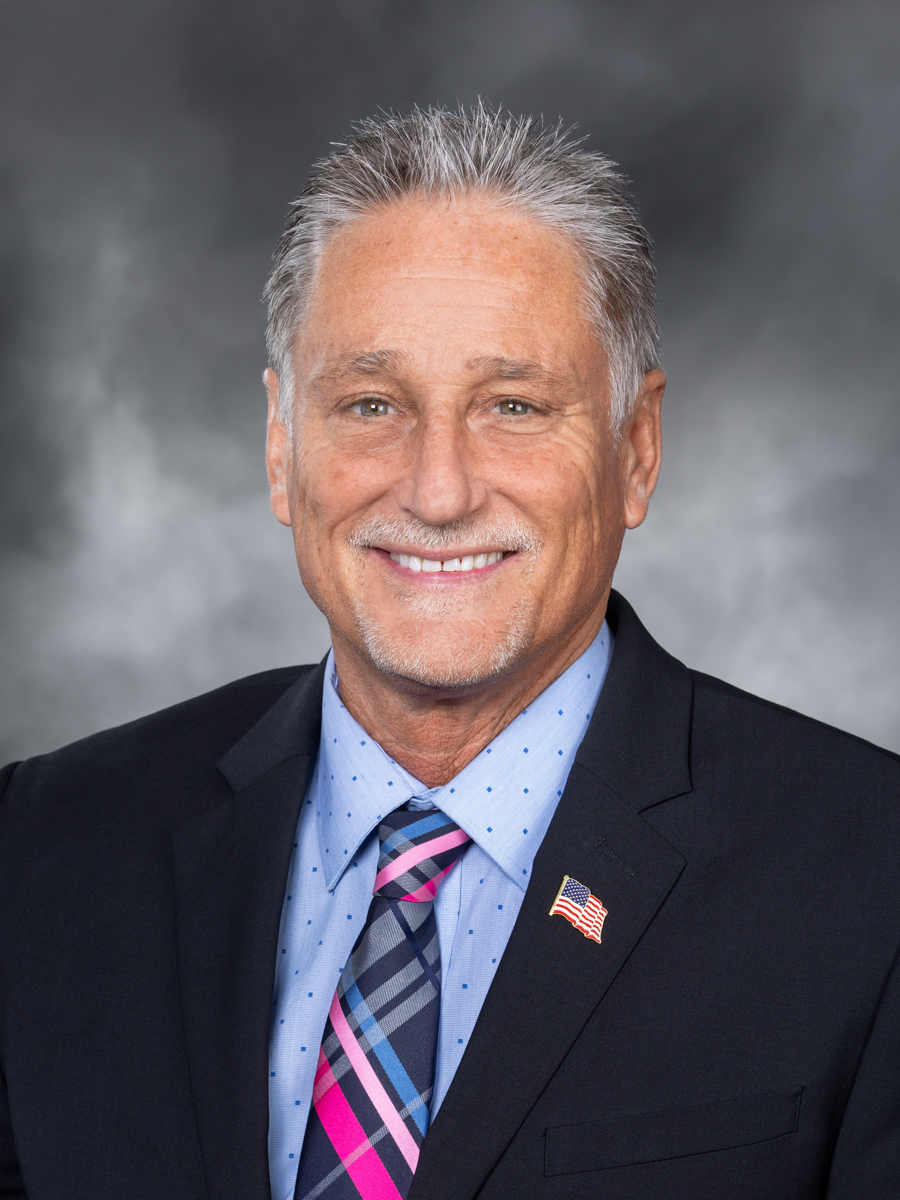
Jim McCune
Jim McCune Senate · District 2
R
Strong −
0% 12
Matt Boehnke
Matt Boehnke Senate · District 8
R
Strong −
0% 12
Alex Ybarra
Alex Ybarra House · District 13
R
Strong −
0% 11
Andrew Barkis
Andrew Barkis House · District 2
R
Strong −
0% 11
Showing 51–60 of 78 bills

All criminal justice bills

signed · Washington · House Apr 30, 2025

HB 1185: Concerning membership on the correctional industries advisory committee.

House Bill 1185 modifies the membership of the correctional industries advisory committee. It clarifies the committee will consist of 11 voting members, with nine appointed by the secretary and two by the governor. A key provision is that the two governor-appointed voting members must be individuals from underrepresented populations who have direct lived experience, though they cannot be currently incarcerated. This change ensures that the committee includes diverse perspectives from individuals directly impacted by the correctional system.
Sub-Topics Corrections
in committee · Washington · Senate Jan 12, 2026

SB 5269: Providing judicial discretion to modify sentences in the interest of justice.

SB 5269 allows Washington courts to review and potentially reduce long prison sentences for eligible individuals who meet specific criteria. It directly affects incarcerated people who have served significant time (ranging from 7 years for juvenile offenses to 20 years for adults) or face terminal illness, with eligibility phased in starting July 2026. The bill requires petitioners to demonstrate rehabilitation or reduced risk of reoffending and gives courts discretion to modify sentences while prohibiting harsher penalties or release before a six-month minimum post-hearing. Courts cannot override mandatory minimums or shorten sentences below the original minimum term. This law aims to align sentences with current circumstances, reduce recidivism risk, and lower incarceration costs, as noted in the legislative findings.
in committee · Washington · House Jan 12, 2026

HB 1192: Concerning disciplinary hearings held by the department of corrections.

HB 1192 reforms disciplinary procedures for individuals under community custody or in confinement within Washington State's Department of Corrections. It creates a structured system classifying violations as "low level" (with limits on confinement to three days) or "high level" (allowing up to 30 days in confinement), with escalation after five low-level violations. The bill mandates written notice, timely hearings (within 5-15 business days), and specific appeal rights to a three-member panel, requiring sanctions to be reasonably related to the offense, violation, or community safety. Special rules apply for individuals violating conditions related to certain violent or sexual offenses, requiring prehearing confinement until resolution or new charges. All disciplinary decisions must be based on a preponderance of evidence, not unconfirmed allegations.
in committee · Washington · House Jan 12, 2026

HB 1137: Establishing uniform policies and procedures within department of corrections facilities relating to disciplinary proceedings and administrative segregation.

HB 1137 establishes consistent rules for disciplinary actions and administrative segregation in Washington state correctional facilities. It standardizes procedures for handling inmate misconduct, defines key terms like "contraband" and "physical restraint," and requires individual reentry plans for incarcerated people. The bill directly affects inmates facing disciplinary hearings, correctional staff implementing policies, and facility operations. Key mechanisms include uniform criteria for segregation placement, clearer definitions to prevent arbitrary decisions, and linking privileges (like work programs) to documented "good conduct" and "good performance." This replaces inconsistent local practices with statewide standards under state law.
signed · Washington · House Apr 16, 2025

HB 1133: Concerning sexually violent predators.

This bill modifies the process for identifying and evaluating individuals who may be classified as sexually violent predators for potential civil commitment. It affects individuals nearing release from confinement for sexually violent offenses and the various state agencies involved in their assessment. The bill updates the requirements for agencies, such as the Department of Corrections, to refer these individuals to prosecuting attorneys and to provide comprehensive records for review. Crucially, it grants prosecuting agencies new authority to issue "civil investigative demands" to any public agency to obtain documents and information relevant to determining if civil commitment is warranted.
Sub-Topics Corrections
signed · Washington · House Mar 11, 2026

HB 1604: Providing parameters for conducting searches of transgender and intersex individuals confined in a local jail in compliance with federal law.

HB 1604 requires Washington state local jails to create policies for searching transgender and intersex individuals confined there, ensuring compliance with federal law. It prohibits searches solely to determine genital status, mandates staff training for respectful searches, and gives individuals options for who conducts searches (e.g., a medical professional, staff of their preferred gender, or staff matching their gender identity). Jails must implement these policies by September 1, 2025, and cross-gender searches are only allowed in true emergencies threatening facility security. The bill directly affects transgender and intersex people in local jails and modifies existing search procedures under state law.
Sub-Topics Corrections
in committee · Washington · House Jan 12, 2026

HB 1086: Concerning motor vehicle chop shops.

HB 1086 makes it a crime to operate or aid in operating a chop shop (where stolen vehicles are dismantled or disguised for resale). It establishes new penalties: a class B felony for a first offense (up to 10 years in prison) and a class A felony for repeat offenses (up to 10 years for a second offense). The law requires convicted individuals to pay restitution to vehicle owners or insurers for financial losses, environmental cleanup costs, and other related expenses. It also allows law enforcement to seize and forfeit vehicles, tools, or equipment used in chop shop operations, while excluding licensed wreckers who unknowingly process stolen vehicles in good faith.
in committee · Washington · Senate Jan 12, 2026

SB 5260: Concerning emergency measures for managing juvenile populations at state juvenile correctional institutions.

SB 5260, the Youth Rehabilitation Pathways Act, allows youth aged 18 and older in Washington state juvenile correctional facilities (operated by the Department of Children, Youth, and Families) to request transfer to the adult correctional system (Department of Corrections). The bill requires facilities to provide a transfer form, grant a 3-day reconsideration period, and complete transfers within 10 days. It removes standard court hearings for these transfers and limits transfers to the original juvenile court’s maximum confinement term. The law directly affects older youth in juvenile facilities, aiming to address overcrowding and provide access to adult correctional programs.
signed · Washington · Senate May 12, 2025

SB 5029: Concerning the transportation of individuals released or discharged from the custody of the department of corrections.

SB 5029 updates the support provided to individuals being released or transferred from Washington state correctional facilities. The bill removes the previous $100 cap and "least expensive" method requirement for transportation, allowing the Department of Corrections (DOC) to arrange travel to a person's residence or reentry plan location, generally within the state. It clarifies that individuals transferred to community custody or partial confinement programs are also eligible for initial subsistence funds (at least $40) and suitable clothing. Additionally, the bill authorizes the DOC to provide temporary rental vouchers for up to six months to prevent homelessness for those being released. The DOC is also required to submit annual reports on transportation costs exceeding $100.
in committee · Washington · Senate Jan 12, 2026

SB 5131: Accommodating religious foods in state correctional facilities.

SB 5131 requires Washington state correctional facilities to make reasonable efforts to accommodate religious celebration meals for incarcerated individuals. It mandates coordination with nonprofit organizations to provide these meals at no cost to residents, excluding any optional meal enhancements. The bill sets a 45-day maximum deadline for planning meals, barring supply chain issues, and explicitly states that facilities must not charge incarcerated people for the core religious meal. This policy directly affects all incarcerated individuals in state facilities seeking to observe religious dietary practices.
Sub-Topics Corrections
Showing 51 to 60 of 78 bills
Previous 1 5 6 7 8 Next