Issue · Criminal Justice

Criminal Justice

Every criminal justice bill, vote, and legislator stance in Washington, automatically classified by Maddy, our AI policy reader.

Total bills
294
2025-2026 Regular Session
Top supporter
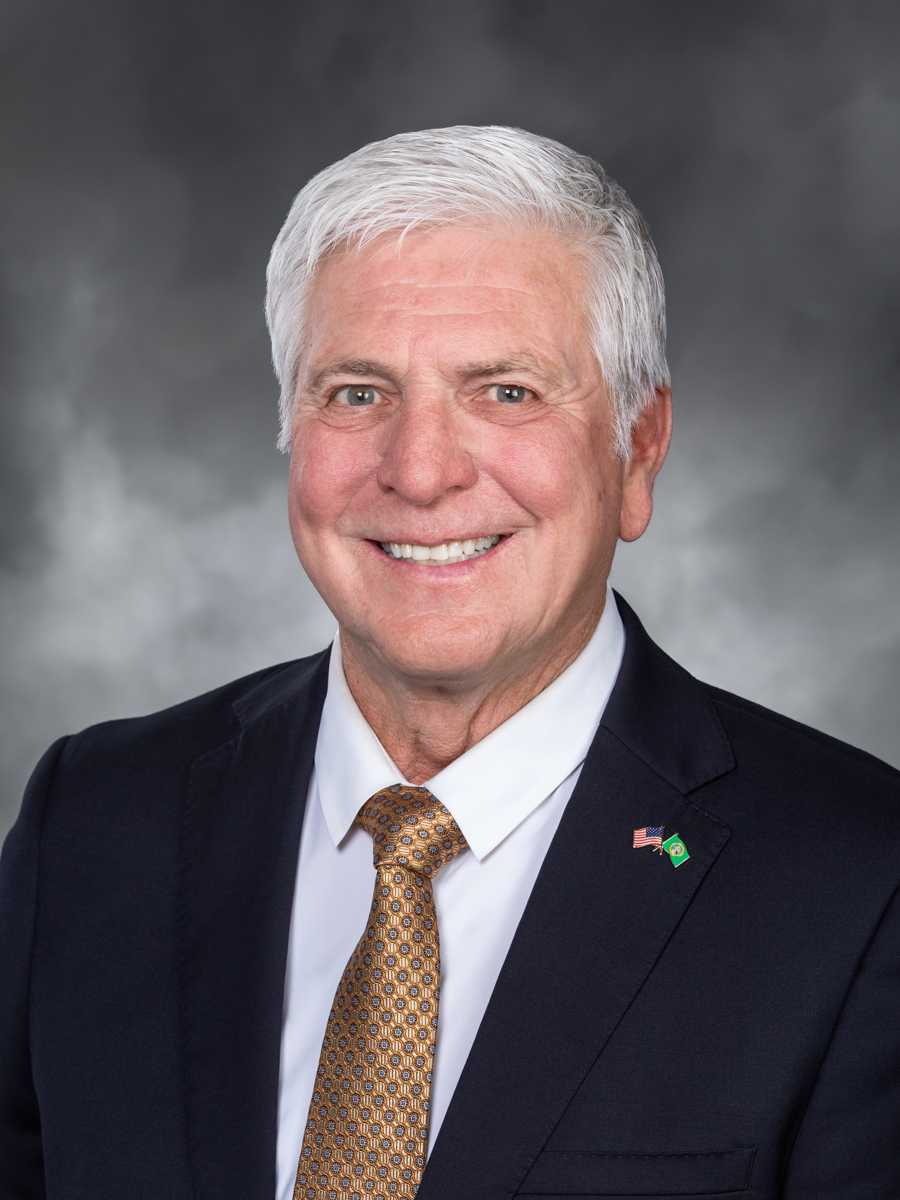
Steve Tharinger
91% support rate
Top opponent
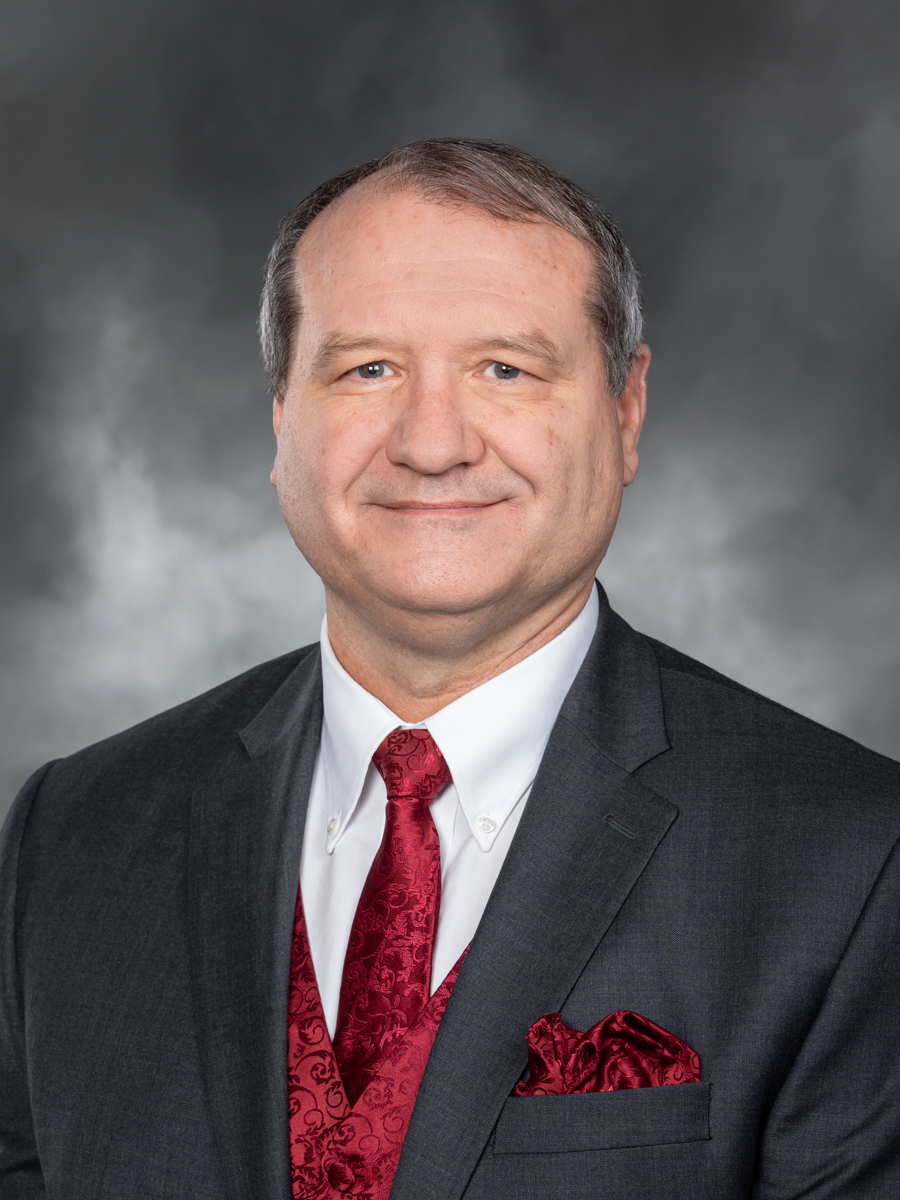
Jim McCune
16% support rate
Ranked legislators
10
5 support · 5 oppose
Key legislators

Who's moving criminal justice in Washington

Legislators moving criminal justice in Washington
Legislator Party Stance Support rate Votes
Steve Tharinger
Steve Tharinger House · District 24
D
Strong +
91% 99
Tina Orwall
Tina Orwall Senate · District 33
D
Strong +
90% 124
Annette Cleveland
Annette Cleveland Senate · District 49
D
Strong +
88% 125
Jess Bateman
Jess Bateman Senate · District 22
D
Strong +
88% 125
Derek Stanford
Derek Stanford Senate · District 1
D
Strong +
88% 125
Jim McCune
Jim McCune Senate · District 2
R
Strong −
16% 125
Perry Dozier
Perry Dozier Senate · District 16
R
Strong −
17% 125
Leonard Christian
Leonard Christian Senate · District 4
R
Strong −
17% 125
Matt Boehnke
Matt Boehnke Senate · District 8
R
Strong −
17% 125
Jeff Wilson
Jeff Wilson Senate · District 19
R
Strong −
18% 121
Showing 51–60 of 294 bills

All criminal justice bills

in committee · Washington · House Jan 28, 2026

HB 2693: Prohibiting sexually violent predators from being placed in less restrictive alternatives located in areas with a high concentration of children.

HB 2693 prohibits sexually violent predators from being placed in less restrictive community-based housing (like transitional facilities) within 500 feet of locations with a high concentration of children, such as schools, parks, or daycares. It directly affects individuals convicted of sexually violent offenses who are conditionally released under Washington state law. The bill amends state law to require that such placements must occur in areas where the adult-to-child ratio within 500 feet exceeds three adults per child. This policy change specifically restricts housing options for this group near high-risk locations, without altering eligibility for conditional release.
in committee · Washington · House Feb 4, 2026

HB 2595: Concerning collateral attacks on judgment and sentence in criminal cases.

HB 2595 extends the time limit for filing collateral attacks on criminal convictions from one year to three years after a judgment becomes final. It defines "collateral attack" to include postconviction petitions like personal restraint petitions and motions to vacate judgments, and specifies when a judgment becomes final (e.g., after direct appeals or Supreme Court certiorari denial). The bill requires the Department of Corrections to notify currently incarcerated individuals about this new three-year limit. These changes directly affect people convicted of felonies who seek postconviction relief, aiming to streamline legal processes while maintaining access to certain remedies.
passed · Washington · Senate Mar 12, 2026

SB 6031: Enhancing public safety and enforcement of crimes that impact insurance.

SB 6031 updates Washington state's insurance fraud laws to address modern schemes, including medical billing fraud using incorrect CPT/HCPCS codes. It expands the definition of "insurer" to cover more insurance types and defines specific fraud acts - like submitting false medical claims, misrepresenting services, or embezzling premiums - as a class B felony. The bill requires restitution for insurers and victims of fraud, clarifies where cases can be prosecuted, and targets organized fraud impacting both insurers and consumers. It directly affects insurers, health care providers (through medical coding rules), and insurance consumers by strengthening enforcement and penalties for fraudulent activities.
signed · Washington · Senate Apr 1, 2026

SB 5998: Making 2025-2027 fiscal biennium supplemental operating appropriations.

SB 5998 adjusts funding for Washington State's 2025-2027 fiscal biennium by increasing appropriations for the House of Representatives ($200,000 for FY2026), Senate ($20,000 for FY2026), and the Joint Legislative Audit and Review Committee. It allocates $400,000 for the committee to audit juvenile rehabilitation programs (including staffing, youth services, and safety protocols) and another $400,000 to review ignition interlock device compliance. The bill also sets aside $150,000 for auditing forest health planning. As a procedural appropriations bill, it modifies existing funding levels without creating new policies or regulations.
in committee · Washington · House Jan 20, 2026

HB 2332: Concerning driver privacy protections.

HB 2332 regulates how Washington state and local agencies use automated license plate reader (ALPR) systems to protect driver privacy. It requires all agencies using ALPRs to register systems with the Attorney General, limits their use to specific purposes (like checking stolen vehicles or missing persons), and prohibits collecting data near healthcare facilities, schools, or places of worship. The bill mandates detailed audit trails tracking every system access and explicitly bans using ALPRs for immigration enforcement or stopping vehicles based solely on a system match. Agencies must develop policies for ALPR use and obtain independent reasonable suspicion before stopping a vehicle, ensuring privacy rights under state and federal law.
Tags Privacy
signed · Washington · House Mar 24, 2026

HB 2508: Clarifying the scope of authority of the office of independent investigations to align with current operations and practices and to include public disclosure requirements and protect privacy.

HB 2508 clarifies the authority of Washington's Office of Independent Investigations (OII) to align with current practices and adds public disclosure requirements while protecting privacy. It updates definitions (like "involved agency" and "independent investigation team") and specifies that the OII investigates police use of deadly force incidents, deaths during force, and prior investigations with new evidence. The bill requires the OII to prioritize cases based on resources, include pre-incident review in investigations, and provide public reports while safeguarding sensitive information. It directly affects law enforcement agencies, the OII, and individuals involved in police incidents. The changes aim to standardize the OII's operations without creating new investigative mandates.
in committee · Washington · Senate Jan 30, 2026

SB 6338: Requiring the court to consider recommendations from the prosecutor before approving a less restrictive alternative for a sexually violent predator.

SB 6338 requires Washington courts to consider prosecutor recommendations about housing plans before approving community-based release for sexually violent predators. The bill amends existing law to mandate that courts allow prosecutors in the housing county to provide input on the suitability of proposed housing, and the court must formally weigh this input before making final release decisions. If the court's decision differs significantly from the prosecutor's recommendation, it must explain its reasoning in writing. This change directly affects courts, prosecutors, and individuals seeking conditional release under Washington’s sexually violent predator laws, focusing on housing safety and community protection. The bill does not alter treatment requirements or supervision terms but adds a formal step for prosecutor involvement in housing approval.
Sub-Topics Courts
in committee · Washington · House Jan 27, 2026

HB 2686: Exempting certain petitions for dissolution of marriage from the expense of filing and service of process.

HB 2686 exempts certain divorce petitioners from filing fees and service costs if domestic violence occurred during the marriage. Specifically, it waives all fees for filing a dissolution petition and requires law enforcement to serve the petition at no cost to the petitioner if a domestic violence protection order was issued against the respondent or if the respondent was charged with domestic violence. This applies directly to individuals seeking divorce who have experienced domestic violence, as defined in state law. The bill ensures these petitioners avoid financial barriers to accessing the court system while prioritizing their safety. It does not change existing fee structures for other divorce cases.
in committee · Washington · House Feb 3, 2026

HB 2427: Establishing the ink of hope act.

HB 2427, the "Ink of Hope Act," requires Washington's director to develop free, accessible training for tattoo artists by January 1, 2027, on recognizing human trafficking signs, responding appropriately, referring clients to victim resources, and reporting to anti-trafficking organizations. Beginning July 1, 2027, all licensed tattoo artists must complete this annual training to maintain their licenses. The bill directly affects licensed tattoo artists in Washington state and mandates this training as a licensing requirement. It focuses on equipping tattoo artists - frequently interacting with vulnerable individuals - with tools to identify and address human trafficking. The bill is currently pending in committee review.
Sub-Topics Human Trafficking
in committee · Washington · House Jan 27, 2026

HB 2687: Prohibiting a less restrictive alternative placement from abutting a residence with a minor in the household.

HB 2687 sets safety conditions for individuals conditionally released into community settings from secure facilities. It requires a 500-foot buffer from schools (K-12) and child care facilities, prohibits the person's residence from being adjacent to a home with a minor, and mandates electronic monitoring with real-time tracking and exclusion zones. These rules aim to protect community safety, particularly for children, while allowing for community-based treatment. The bill applies to individuals under court-ordered conditional release, such as those in Washington’s commitment system.
Sub-Topics Courts
Showing 51 to 60 of 294 bills
Previous 1 5 6 7 30 Next