Issue · Criminal Justice

Criminal Justice (Corrections)

Every criminal justice bill, vote, and legislator stance in Washington, automatically classified by Maddy, our AI policy reader.

Total bills
78
2025-2026 Regular Session
Top supporter
Annette Cleveland
100% support rate
Top opponent
Jeff Wilson
0% support rate
Ranked legislators
10
5 support · 5 oppose
Key legislators

Who's moving corrections in Washington

Legislators moving corrections in Washington
Legislator Party Stance Support rate Votes
Annette Cleveland
Annette Cleveland Senate · District 49
D
Strong +
100% 12
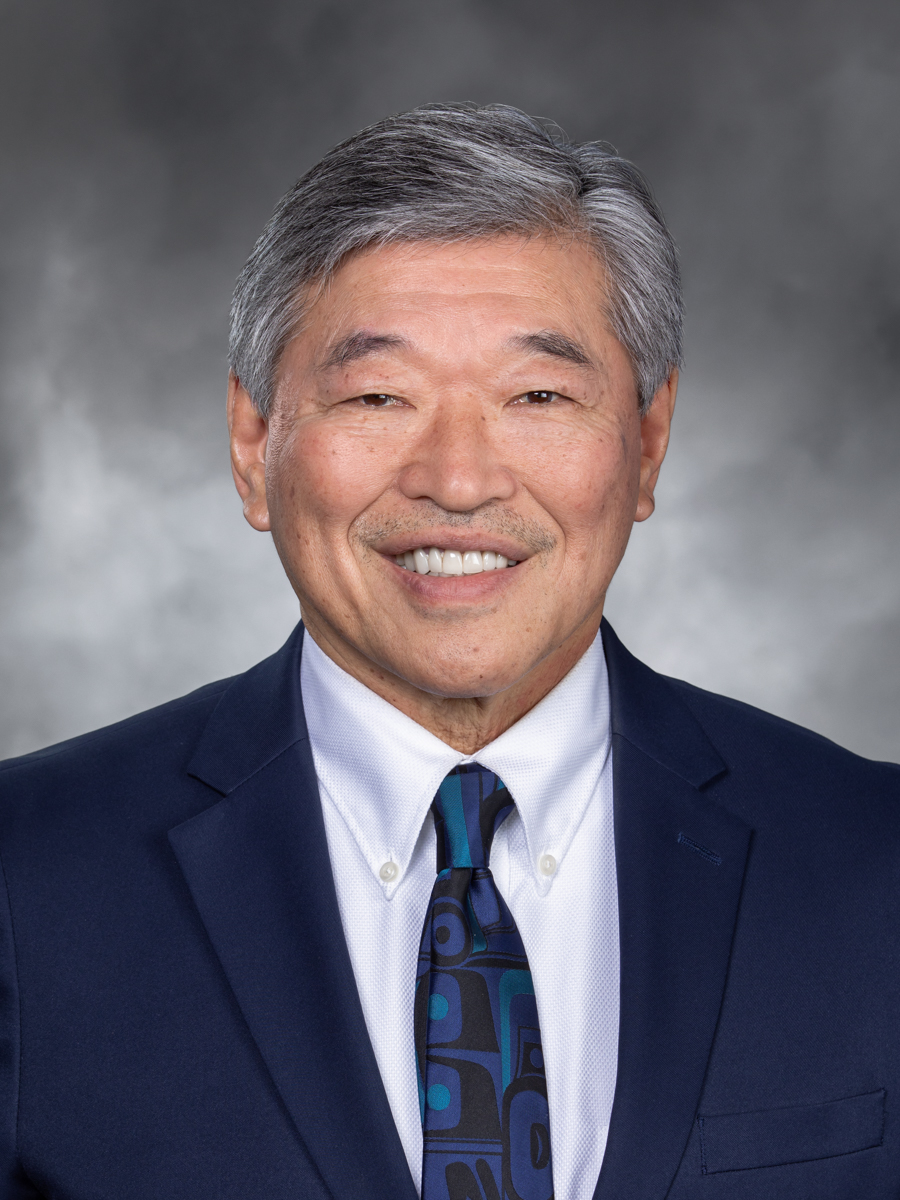
Bob Hasegawa
Bob Hasegawa Senate · District 11
D
Strong +
100% 12
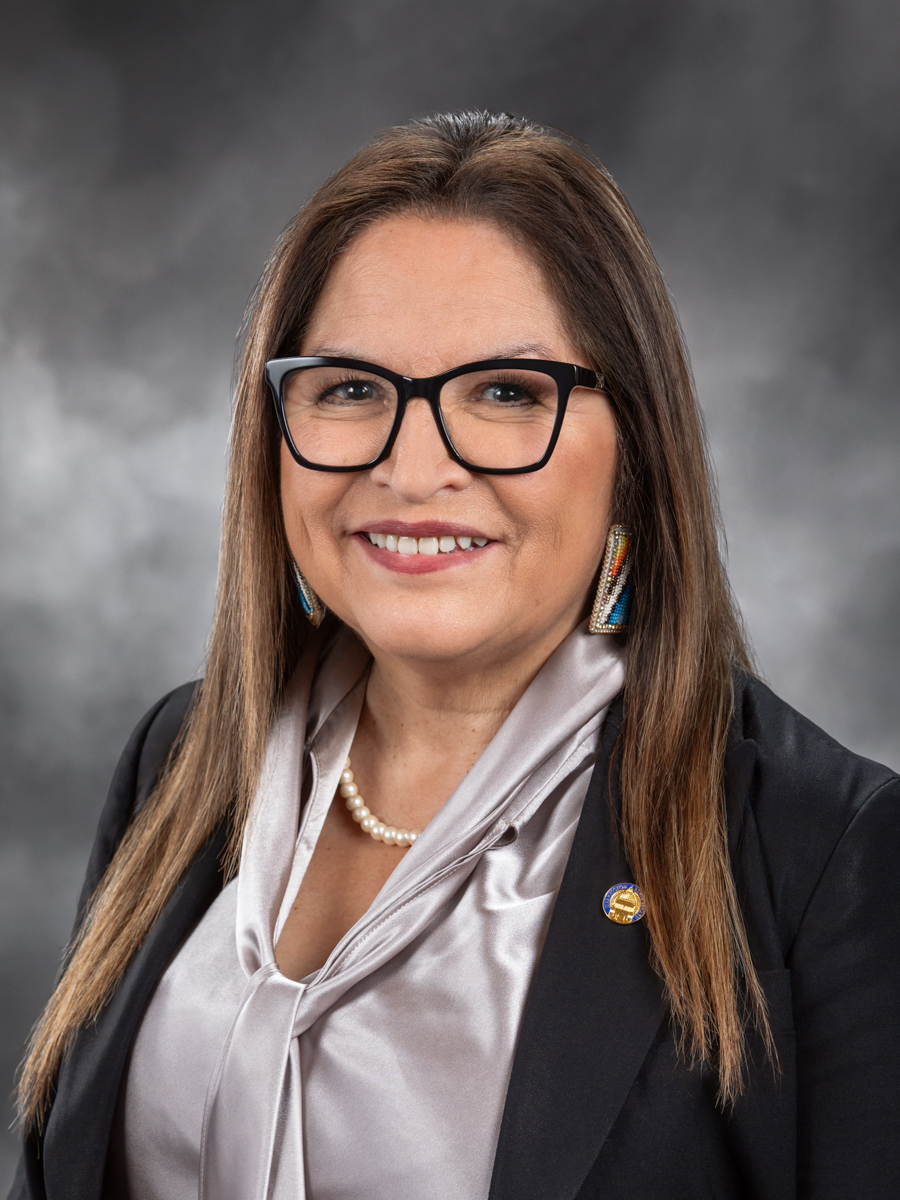
Claire Wilson
Claire Wilson Senate · District 30
D
Strong +
100% 12
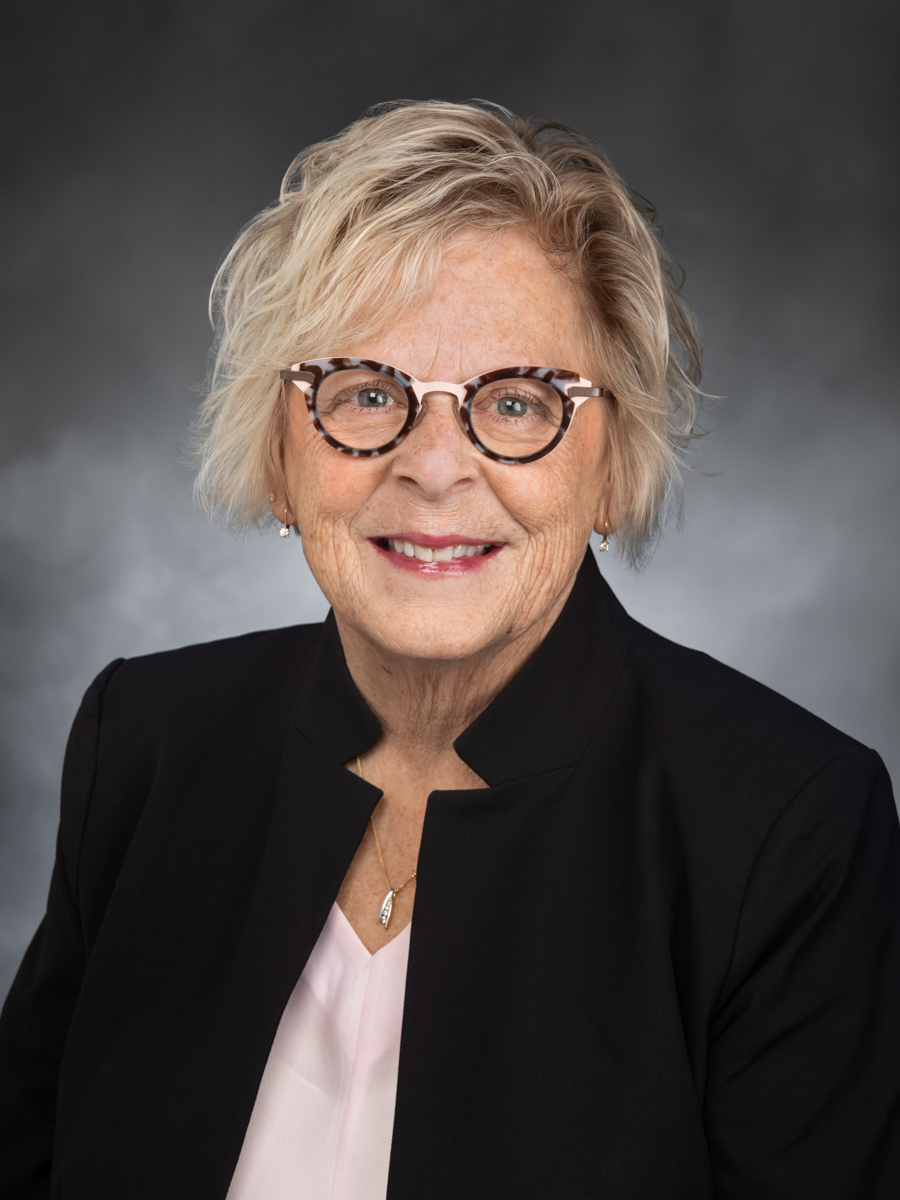
Claudia Kauffman
Claudia Kauffman Senate · District 47
D
Strong +
100% 12
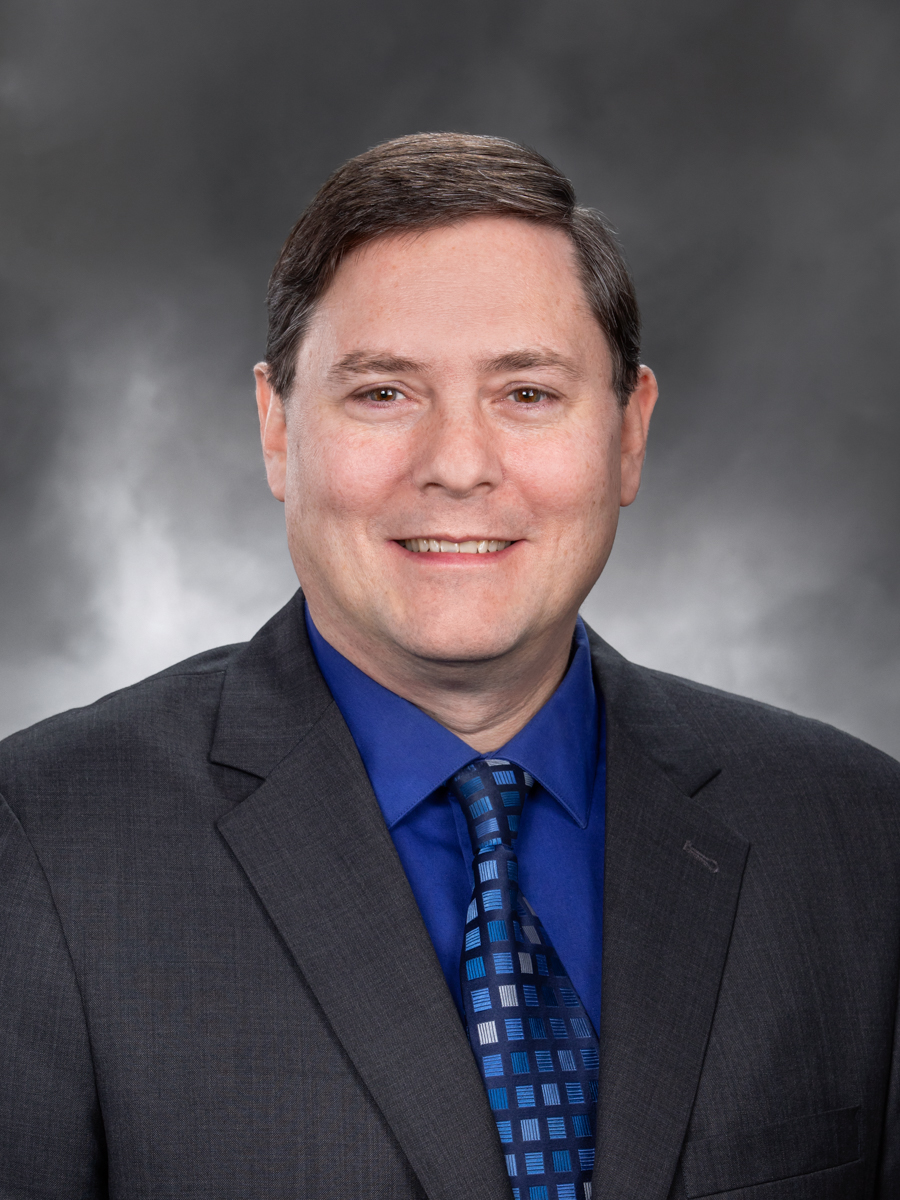
Derek Stanford
Derek Stanford Senate · District 1
D
Strong +
100% 12
Jeff Wilson
Jeff Wilson Senate · District 19
R
Strong −
0% 12
Jim McCune
Jim McCune Senate · District 2
R
Strong −
0% 12
Matt Boehnke
Matt Boehnke Senate · District 8
R
Strong −
0% 12
Alex Ybarra
Alex Ybarra House · District 13
R
Strong −
0% 11
Andrew Barkis
Andrew Barkis House · District 2
R
Strong −
0% 11
Showing 31–40 of 78 bills

All criminal justice bills

in committee · Washington · House Jan 12, 2026

HB 1629: Concerning restrictions on the placement of inmates of different biological sexes in correctional facilities.

HB 1629 prohibits housing inmates in shared cells or rooms with someone of a different biological sex if the inmate has a prior conviction or current charges for a sex offense, violent offense, or domestic violence against a victim of the same sex as the potential roommate. This rule directly affects inmates in Washington state correctional facilities and the staff managing housing assignments. The bill defines "history of sexual or physical violence" as current charges or prior convictions for offenses listed in RCW 9.94A.030. It creates a new requirement for correctional facilities to follow this placement policy.
in committee · Washington · Senate Jan 12, 2026

SB 5153: Transferring certain individuals from the department of children, youth, and families to the department of corrections at age 18.

SB 5153 changes Washington state law to transfer youth convicted of felonies under age 18 from the Department of Children, Youth, and Families (DCYF) to the Department of Corrections (DOC) at age 18, instead of keeping them in DCYF until age 25. This applies to most felony convictions, with an exception requiring immediate transfer at 18 for "serious violent offenses" (as defined in RCW 9.94A.030). The bill amends RCW 72.01.410 and 13.40.280 to eliminate required hearings for these transfers. It directly affects youth under 18 convicted as adults who were previously retained in juvenile facilities beyond age 18.
in committee · Washington · Senate Jan 12, 2026

SB 5267: Ensuring that offenders who are incarcerated and commit murder may be charged with the death penalty.

SB 5267 allows prosecutors to seek the death penalty for inmates who commit murder while already serving a prison sentence. It requires prosecutors to submit such cases to a special death penalty review panel, which includes prosecutors, the attorney general, and corrections officials. The panel must recommend whether the death penalty should be pursued based on factors like mitigating circumstances and its impact on deterrence. If the panel recommends the death penalty, prosecutors have 30 days to file notice for a special sentencing hearing; otherwise, the death penalty cannot be sought. This bill directly affects incarcerated individuals convicted of murder during their imprisonment.
Sub-Topics Corrections Sentencing
in committee · Washington · House Jan 12, 2026

HB 1323: Making obstructing highways a crime.

HB 1323 makes it a crime to intentionally block state highways with three or more people without a permit, particularly when the action creates safety risks like impeding ambulances or causing injury. Organizers face class C felony charges with a minimum 30-day jail sentence and $5,000 fine (non-reducible below $1,000), while participants could face serious misdemeanor penalties. The law specifically targets dangerous blockades that endanger public safety or obstruct emergency response, not peaceful protests. It requires courts to impose minimum penalties for violations, including prior offenses.
Sub-Topics Corrections
in committee · Washington · Senate Jan 12, 2026

SB 5818: Facilitating the transfer of certain individuals in the custody of the department of corrections.

Senate Bill 5818 aims to clarify and restrict how state and local law enforcement agencies, including school resource officers, interact with federal immigration authorities regarding individuals in their custody. The bill prohibits these agencies from inquiring into an individual's immigration status unless directly connected to a criminal investigation. It also prevents them from providing information based on federal civil immigration "notification requests" or sharing nonpublic personal information in noncriminal matters. These restrictions apply unless otherwise required by state or federal law.
in committee · Washington · House Jan 12, 2026

HB 1743: Enhancing opportunities for community-based providers to provide health care services in carceral settings.

HB 1743 creates a state reimbursement program to help community-based health care providers offer medical services in local jails. It directly affects small health centers that struggle to get malpractice insurance in carceral settings, as they cannot self-insure and face limited coverage options. The bill provides state reimbursement for medical malpractice claims exceeding $50,000, covering defense costs and judgment amounts above that threshold, but only for claims related to health care services. To qualify, providers must be federally qualified health centers or approved clinics, and local jails must submit detailed claims through the state’s risk management process.
Sub-Topics Corrections
signed · Washington · House May 20, 2025

HB 1131: Concerning clemency and pardons.

HB 1131 updates state laws regarding clemency, pardons, and the supervision of individuals by the Department of Corrections. The bill clarifies the department's responsibilities for supervising individuals on probation or community custody, including those convicted of specific offenses or identified as high-risk. It explicitly mandates departmental supervision for individuals granted conditional clemency by the governor, provided a term of community custody is included in the commutation conditions. Additionally, the legislation consistently replaces the term "offenders" with "individuals" throughout the relevant statutes governing supervision.
signed · Washington · House Apr 25, 2025

HB 1815: Concerning prison riot offenses.

HB 1815 modifies laws concerning prison riot offenses, specifically for those committed in juvenile facilities. The bill clarifies that juvenile detention centers are not considered "correctional institutions" for adult prison riot offenses. It allows individuals to apply to have their records of conviction or adjudication for these offenses vacated if they occurred in a facility operated by the Department of Children, Youth, and Families or a county juvenile detention facility. Additionally, it creates a process to review and potentially reduce sentences for individuals whose past "prison riot" convictions from juvenile facilities were used to enhance their later adult sentences.
in committee · Washington · House Jan 12, 2026

HB 1301: Concerning reducing fees and expenses for services for people confined in state facilities.

HB 1301 requires Washington state facilities to provide free communication services (including voice calls, video, and messaging) to people confined in state custody, eliminating fees for these services. It mandates that facilities maintain existing access to communication devices (like wall phones) and provide free tablets to incarcerated individuals. The bill prohibits facilities from charging fees or generating revenue from these services and explicitly states communication services cannot replace in-person visitation. It also requires transparency by making provider contracts and fee structures publicly available on facility websites and tablets. This law applies to both the Department of Corrections and Department of Children, Youth, and Families facilities.
Sub-Topics Corrections
in committee · Washington · Senate Jan 12, 2026

SB 5274: Concerning body worn cameras within corrections agencies.

SB 5274 establishes a pilot program requiring the Department of Children, Youth, and Families to implement body worn cameras at Green Hill School by January 2026. It expands authorized users of body worn cameras to include officers from the Department of Children, Youth, and Families, the Department of Corrections, and personnel at jails and detention facilities. The bill also adds specific exemptions preventing public disclosure of body worn camera recordings when they contain sensitive information, such as medical details, intimate images, or the identity of victims in domestic violence or sexual assault cases. These changes aim to balance transparency with privacy protections for vulnerable individuals.
Showing 31 to 40 of 78 bills
Previous 1 3 4 5 8 Next